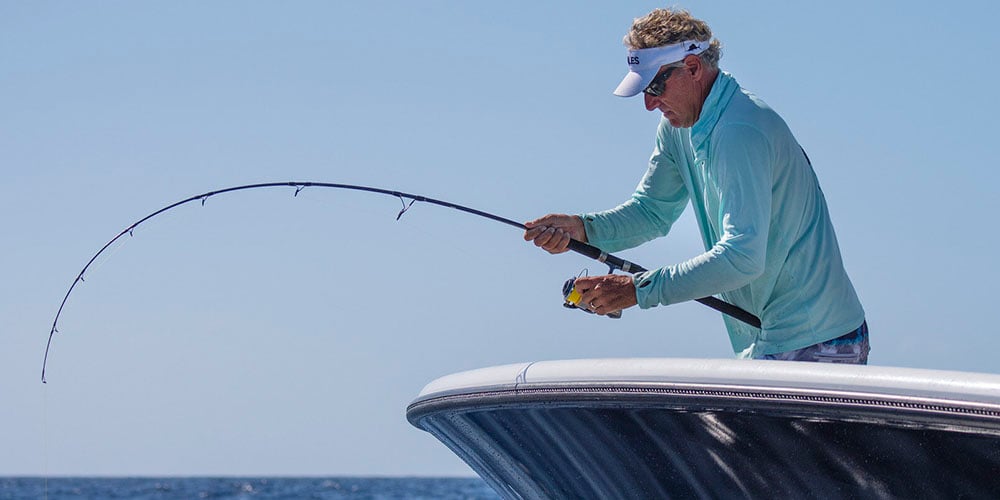
Gear up right and catch some fun!
According to the U.S. Fish and Wildlife Service, there are over 46 million licensed anglers in the United States, which is not surprising, considering just how much fun fishing can be. For the lucky person at the end of the rod, landing a small panfish or battling a big billfish to the boat can be equally satisfying. Add to that the fun of preparing and consuming your catch and you have a win/win. Of course, all this fun is predicated on actually catching fish, which means that in addition to the correct technique, you also need the right rod. Mooching for salmon near the shore requires different gear than trolling for billfish on the open ocean or casting for trout on a placid lake.
At the risk of oversimplifying, we've assembled some basic criteria for selecting fishing rods, in the hope of providing guidance to novice anglers. Armed with this modest education, you'll be better able to discuss your fishing needs with one of our experts, who will know more about the local conditions, species and what kind of tackle works best.
- What Fishing Rods Do
- Fishing Rod Components
- Types of Fishing Rods
- What to Look For When Choosing a Fishing Rod
- Rod Power vs. Rod Action
- Choosing a Rod by Target Species
- Choosing a Rod by Fishing Technique
- Fiberglass, Graphite and Composite Rods
- Freshwater vs. Saltwater Rods
- When to Choose a Rod and Reel Combo
- Common Fishing Rod Buying Mistakes
- Fishing Rod Care and Storage
- Fishing Rod FAQs
What Fishing Rods Do
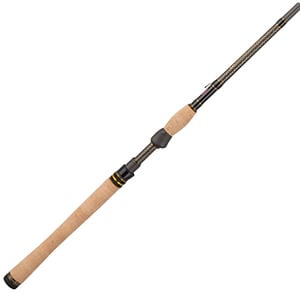
Penn's Battalion Inshore Spinning Rod.
Fishing rods extend the angler's reach and leverage for casting lures or bait, and absorb the shock of a fish when it strikes. Rods are essential to casting and presenting the bait or lure to attract fish. Once a fish hits, the rod is used to set the hook, play and land the fish. Typically, rods also hold the reel and guide the line on and off the spool.
A good rod does more than cast. It helps detect subtle bites, keeps steady pressure on a hooked fish, protects the line from sudden surges and gives the angler enough leverage to control the fight. The right rod makes fishing easier, more efficient and more enjoyable.
Fishing Rod Components
- Rod or blank: The main shaft of the fishing rod. Blank material, taper and construction influence strength, weight, sensitivity and action.
- Guides: The loops attached to the rod that direct line from the reel to the tip. Quality guides reduce friction, improve casting distance and protect line from abrasion.
- Tip-top: The guide at the very top of the rod. It protects the rod tip and is one of the most important contact points for detecting bites.
- Grips: The handle area held by the angler. Common materials include EVA foam and cork. EVA is durable and easy to clean; cork is lightweight and sensitive.
- Reel seat: The component that secures the reel to the rod. Spinning, baitcasting, conventional and offshore rods use different reel seat designs.
- Butt: The lower end of the rod. Offshore and big-game rods may include gimbal-compatible butts for fighting belts or chairs.
When comparing rods, inspect the guides, reel seat and grip quality. A strong blank with cheap guides or a loose reel seat will not perform well for long.
Types of Fishing Rods
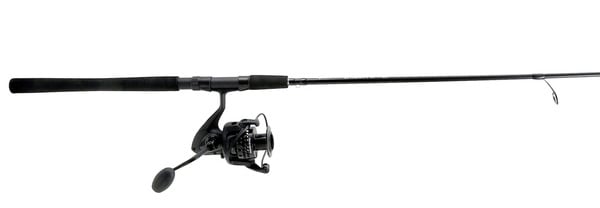
- Spinning Rods are designed for use with spinning reels. They tend to be light and have ergonomic features such as long handles and ring guides of graduating diameters that reduce the spiraling motion of the line as it passes to and from the reel. They are popular for freshwater fishing, inshore saltwater fishing, light tackle, live bait and lure casting.
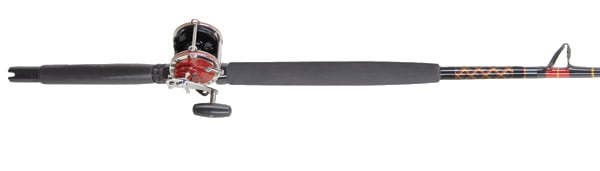
- Conventional Rods are a bit stiffer and range from 6' to 15' in length, depending on the application. Conventional reels mount on top of the rod, and the guides are also positioned on top. These rods are commonly used for trolling, bottom fishing, offshore fishing, pier fishing and heavy-duty saltwater applications.
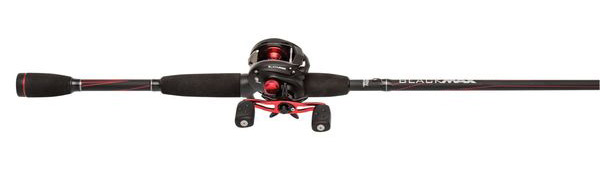
- Baitcasting Rods are similar to conventional rods but are designed for baitcasting reels. Most have a trigger grip that helps the angler control the rod and palm the reel. Baitcasting rods are popular for bass fishing, accurate lure placement and heavier freshwater techniques.
- Surf Rods are long rods designed to cast bait or lures beyond the surf zone. They often range from 9' to 15' and provide the reach needed to keep line above waves and structure.
- Trolling Rods are built for pulling lures or bait behind a moving boat. They are generally shorter, stronger and designed to handle steady pressure from both the lure and the fish.
- Downrigger Rods are flexible rods that load deeply while clipped to a downrigger release. When a fish strikes, the rod springs back and helps take up slack quickly.
- Jigging Rods are typically short, strong and lightweight, designed to work vertical jigs and handle powerful fish directly below the boat.
- Rod and Reel Combos are pre-configured so the rod, reel and line class are matched for a specific type of fishing. Combos are useful for beginners, casual anglers and anyone who wants a ready-to-fish setup without matching components individually.
What to Look For When Choosing a Fishing Rod
- Freshwater vs. saltwater: The blank may not care where it is used, but the components do. Saltwater rods require corrosion-resistant guides, reel seats and hardware.
- Length: Longer rods generally cast farther and provide more line control. Shorter rods provide better leverage, accuracy and control when fighting powerful fish near the boat.
- Action: Action describes where the rod bends. Fast-action rods bend mostly near the tip. Moderate-action rods bend deeper into the blank. Slow-action rods bend through much of the rod.
- Power: Power describes how much force it takes to bend the rod. Light-power rods are suited for small fish and light line. Heavy-power rods are built for large fish, heavy line and strong hooksets.
- Material: Fiberglass is durable and forgiving. Graphite is lighter and more sensitive. Composite rods blend both characteristics.
- Line and lure rating: Match your rod to the line strength and lure weight you plan to use. Overloading a rod can reduce casting performance or break the blank.
- Comfort: The grip length, reel seat and rod balance should match your fishing style. A rod that feels good in hand is easier to cast and fish all day.
Rod Power vs. Rod Action
Power and action are often confused, but they describe different things. Understanding both makes it much easier to choose the right fishing rod.
| Term | What It Means | Why It Matters |
|---|---|---|
| Power | How much force it takes to bend the rod | Determines fish size, line strength and hooksetting power |
| Action | Where the rod bends along the blank | Affects casting, sensitivity, lure control and shock absorption |
Fast-action rods are sensitive and provide quick hooksets, making them useful for soft plastics, jigs and techniques where detecting subtle bites matters.
Moderate-action rods bend deeper and help keep steady pressure on fish. They are popular for crankbaits, trolling and treble-hook lures because the softer bend helps prevent hooks from pulling free.
Slow-action rods bend through much of the blank and are often used for small fish, light line or specialty techniques where a forgiving rod protects delicate presentations.
Choosing a Rod by Target Species
The fish you plan to catch should guide your rod choice. A rod that is perfect for trout will be underpowered for striped bass, and a heavy offshore rod will take the fun out of catching smaller freshwater fish.
| Target Species | Recommended Rod Type | Typical Setup |
|---|---|---|
| Trout, panfish and small freshwater species | Light spinning rod | 5'6"-7' light or ultralight power |
| Bass | Spinning or baitcasting rod | 6'6"-7'6" medium to medium-heavy power |
| Redfish, snook and inshore saltwater species | Inshore spinning rod | 7' medium or medium-heavy power |
| Striped bass, salmon and nearshore species | Spinning, conventional or trolling rod | Medium-heavy to heavy power depending on technique |
| Tuna, mahi, wahoo and offshore fish | Conventional trolling or jigging rod | Heavy-duty saltwater rod matched to reel and line class |
| Billfish and big game | Offshore trolling rod | Short, powerful rod with heavy-duty guides and gimbal butt |
Choosing a Rod by Fishing Technique
Fishing technique is just as important as fish species. The same angler may use very different rods for casting lures, soaking bait, trolling offshore or fishing from a pier.
- Casting lures: Choose a lightweight spinning or baitcasting rod that matches the lure weight and provides enough sensitivity to feel strikes.
- Live bait fishing: A moderate or moderate-fast rod helps keep bait swimming naturally and absorbs sudden runs from fish.
- Bottom fishing: Use a strong conventional or spinning rod with enough backbone to lift fish away from structure.
- Trolling: Choose a rod designed to handle constant load from moving lures and sudden strikes at speed.
- Surfcasting: Use a longer rod to cast beyond the breakers and keep line clear of waves.
- Jigging: Use a shorter, powerful rod with enough sensitivity to work the jig and enough strength to fight fish vertically.
- Kayak fishing: Choose a manageable rod length that casts well but is not too long to control from a seated position.
Fiberglass, Graphite and Composite Rods
Rod material affects weight, sensitivity, strength and price.
- Fiberglass rods: Durable, forgiving and affordable. They are good for trolling, beginners, heavy-duty use and applications where durability matters more than sensitivity.
- Graphite rods: Lightweight, sensitive and responsive. They are excellent for active casting, finesse techniques and detecting light bites.
- Composite rods: Blend graphite and fiberglass for a balance of sensitivity, strength and durability. These are common in many modern saltwater and all-purpose rods.
For anglers who cast all day, graphite or composite rods reduce fatigue. For rough use, heavy trolling or kids' gear, fiberglass remains a dependable choice.
Freshwater vs. Saltwater Rods
Freshwater rods and saltwater rods may look similar, but saltwater rods use components designed to withstand corrosion. Guides, reel seats, wraps and hardware must tolerate salt spray, wet hands and repeated rinsing.
If you fish saltwater even occasionally, choose a rod built for saltwater use. A freshwater rod may work briefly, but corrosion can damage guides and reel seats, leading to line abrasion, rough casts and eventual component failure.
After saltwater fishing, rinse the rod gently with fresh water, wipe it down and let it dry before storage.
When to Choose a Rod and Reel Combo
A rod and reel combo is a smart choice when you want a matched setup without sorting through rod power, reel size, line capacity and drag ratings on your own.
Combos are especially useful for:
- New anglers
- Children and youth anglers
- Casual boaters who fish occasionally
- Travel setups
- Backup rods
- Technique-specific starter kits
Experienced anglers may prefer to match rods and reels individually, but a well-selected combo can be an excellent starting point and often provides strong value.
Common Fishing Rod Buying Mistakes
- Buying too much rod: Oversized rods make small fish less fun and can reduce casting accuracy with light lures.
- Ignoring lure rating: A rod that is too stiff or too soft for the lure weight will not cast properly.
- Using the wrong rod for the reel: Spinning reels belong on spinning rods. Baitcasting reels belong on baitcasting rods.
- Choosing freshwater components for saltwater use: Saltwater can quickly damage non-corrosion-resistant hardware.
- Matching heavy line to a light rod: Overpowering a rod with line that is too strong can break the blank under load.
- Ignoring comfort: Grip shape, balance and rod weight matter when you are casting all day.
Fishing Rod Care and Storage
Proper care helps fishing rods last longer and perform better.
- Rinse rods with fresh water after saltwater use.
- Wipe guides and reel seats dry before storage.
- Check guide inserts for cracks or chips that can damage line.
- Store rods vertically or horizontally without bending the blank.
- Avoid high heat inside vehicles or enclosed storage compartments.
- Use rod sleeves or racks to prevent scratches and broken tips.
- Loosen drag and remove heavy pressure from the rod when storing a setup rigged.
Before each trip, run a cotton swab around each guide. If cotton snags, the guide may be cracked and could damage fishing line.
Conclusions
For experienced anglers, buying fishing rods is a matter of personal preference much like the purchase of a pair of shoes: to be right, it has to feel right. Some anglers even build their own rods, meticulously customized to their style, need and liking.
For starters, you can get excellent rods off the shelf. To select the best rod, first consider where you'll fish and what kind of species you target. This is the first step in making a good choice. If you fish freshwater, you won't need a rod designed for ocean fishing. If you cast for smaller species like trout, a light-to-medium power graphite spinning rod with light tackle is a good choice. If you're bluewater trolling for large tuna, a powerful fiberglass or composite offshore rod equipped with a heavy-duty reel will be a better tool.
Active fishing styles need light rods with ergonomic features that make it easy to cast often and far. The heavier the fish, the sturdier the rod needs to be. Components such as guides, reel seat and butt design will vary with the type of rod. In place of the ceramic guides found on light-action rods, heavy rods designed for offshore fishing frequently have stainless-steel rollers with bearings. Rods designed for landing large billfish are stout, with butt ends designed to fit into a fighting harness or gimbal on a fighting chair.
Our best advice is to match rod, reel and tackle to ensure an enjoyable fishing experience and improve your chances of making a catch. Novices or casual anglers may prefer pre-configured rod and reel combos so they spend less time assembling gear and more time fishing.
Fishing Rod FAQs
What is the best fishing rod for beginners?
A medium-power spinning rod around 6'6" to 7' is one of the best choices for beginners because it is easy to cast, works with many lure and bait presentations and can handle a wide range of freshwater and inshore species.
What is the difference between rod power and rod action?
Rod power describes how much force it takes to bend the rod, while rod action describes where the rod bends. Power helps match the rod to fish size and line strength. Action affects casting, sensitivity, lure control and hooksetting performance.
What length fishing rod should I buy?
Shorter rods provide better control and leverage, while longer rods cast farther and improve line control. A 6'6" to 7' rod is a versatile choice for many anglers. Surfcasters often use longer rods, while offshore trolling rods are typically shorter and stronger.
Are graphite rods better than fiberglass rods?
Graphite rods are lighter and more sensitive, making them good for active casting and detecting light bites. Fiberglass rods are more durable and forgiving, making them useful for trolling, beginners and heavy-duty applications. Composite rods combine qualities of both.
Can I use a freshwater fishing rod in saltwater?
You can use a freshwater rod in saltwater in a pinch, but it is not ideal. Saltwater rods use corrosion-resistant guides, reel seats and hardware that last longer in salt spray and wet conditions.
What rod should I use for bass fishing?
A 6'6" to 7'6" medium or medium-heavy spinning or baitcasting rod works well for many bass techniques. Spinning rods are easier for beginners and light lures, while baitcasting rods provide accuracy and control with heavier lures.
What rod should I use for offshore fishing?
Offshore fishing usually requires a conventional trolling, jigging or stand-up rod matched to the target species, reel size and line class. Tuna, mahi, wahoo and billfish require stronger rods with heavy-duty guides and reel seats.
Should I buy a rod and reel combo?
A rod and reel combo is a good choice for beginners, casual anglers and anyone who wants a matched setup without selecting each component separately. Combos are also useful for kids, travel setups and backup rods.
How do I know if my rod matches my line?
Check the line rating printed on the rod blank. Use line within that range to avoid poor performance or rod damage. Line that is too heavy can overload the rod, while line that is too light may break before the rod works properly.
How should I store fishing rods?
Store rods clean, dry and protected from bending. Use rod racks, sleeves or horizontal storage to prevent broken tips and guide damage. After saltwater use, rinse the rod gently with fresh water and let it dry before storage.
Related: