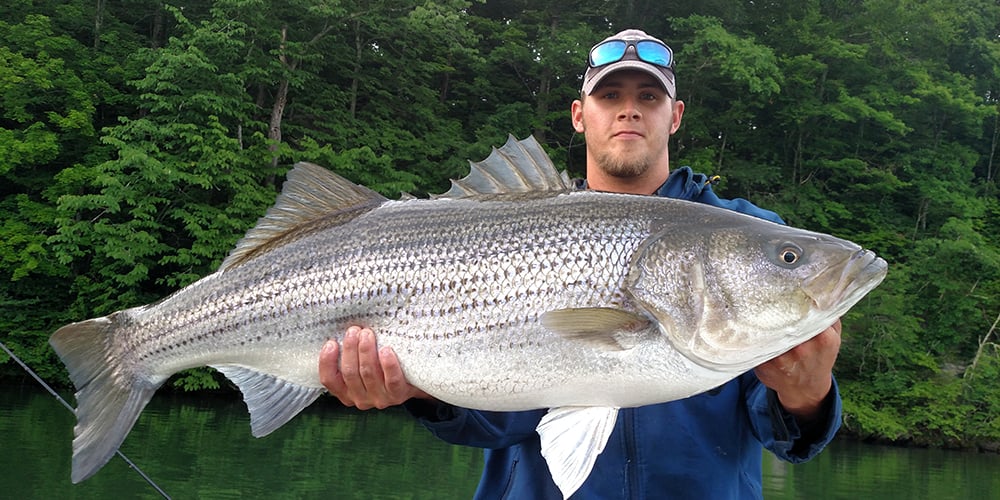
If you are used to fishing for small panfish or trout and have never had your bait get slammed by a powerful striped bass, you owe it to yourself to experience it at least once. Striped bass are one of the most exciting and versatile gamefish in North America because they can be targeted from beaches, bridges, boats, estuaries, rivers, rocky shorelines and deep open water. Whether you are casting topwater plugs into breaking bait schools, trolling umbrella rigs offshore or soaking live bait along current edges, striped bass fishing combines power, strategy and explosive strikes in a way few other fisheries can match.
To help you gear up properly, West Marine carries the fishing rods, reels, lures and terminal tackle you need for trolling, surf fishing, casting from shore or chasing trophy stripers from a boat.
Striped bass are unique because they adapt to an enormous range of habitats. Some anglers catch them blitzing baitfish on the surface near jetties and beaches, while others target deep-water schools using sonar, live bait and trolling techniques. Learning how striped bass behave seasonally, how tides affect feeding activity and how to match your tackle to the conditions dramatically improves success.
- Where Can You Catch Striped Bass?
- How Big Do Striped Bass Get?
- What Kind of Tackle Do You Need To Catch Striped Bass?
- What Kind of Lures and Baits Catch Striped Bass?
- What Time of Year is Best for Catching Stripers?
- Best Conditions for Striper Fishing
- Know the Law!
- Striper Fishing Tips
- How to Fight and Land Big Stripers
- Common Striper Fishing Mistakes
- Need More Help?
Where Can You Catch Striped Bass?
Striped bass, or "rockfish" as they are commonly called in parts of the East Coast, are native to the Atlantic Coast of North America. They thrive in areas with strong tidal movement, current seams, rocky structure, estuaries and surf zones where baitfish concentrate. Stripers are caught throughout much of the Mid-Atlantic and Northeast and, to a lesser degree, along portions of the Southeast coast as far south as Florida.
In the 1870s, striped bass were introduced to California waters when a small number of fish were transported from the East Coast and released into San Francisco Bay. Today, strong West Coast striper fisheries exist in California, Oregon and Washington, with San Francisco Bay and the Sacramento–San Joaquin Delta remaining some of the most famous striped bass fisheries in the country.
Stripers are highly migratory and constantly follow food sources. Depending on the season, they may move from deep offshore water into bays, rivers, tidal creeks, marshes and surf zones. Learning where baitfish concentrate is often the fastest way to locate active striped bass.
Best Places to Find Striped Bass
Striped bass commonly hold near current breaks, bridge pilings, inlet mouths, rocky points, underwater ledges, rip currents, flats edges and bait concentrations. During feeding periods, stripers often pin baitfish against shorelines, structure or current seams.
In reservoirs and inland systems, stripers frequently suspend over deep channels and move shallower during low-light periods to feed aggressively.
Why Tides Matter for Stripers
Unlike many freshwater species, striped bass are heavily influenced by tidal movement. Moving water positions baitfish predictably and creates ambush opportunities.
Outgoing tides often sweep bait from marshes and estuaries, while incoming tides push cooler, oxygen-rich water into feeding zones. Many experienced anglers plan entire fishing trips around tide changes rather than simply time of day.
How Big Do Striped Bass Get?
Really big, depending on where you fish. While many stripers weigh between 3 and 20 pounds, trophy fish over 40 pounds are landed every season in areas with abundant forage and healthy habitat. Large female stripers, commonly called “cows,” can exceed 4 feet in length and provide some of the hardest-fighting experiences available in inshore fishing.
The IGFA all-tackle world record striped bass weighed 81 pounds, 14 ounces and was caught in Long Island Sound off Westbrook, Connecticut in August of 2011.
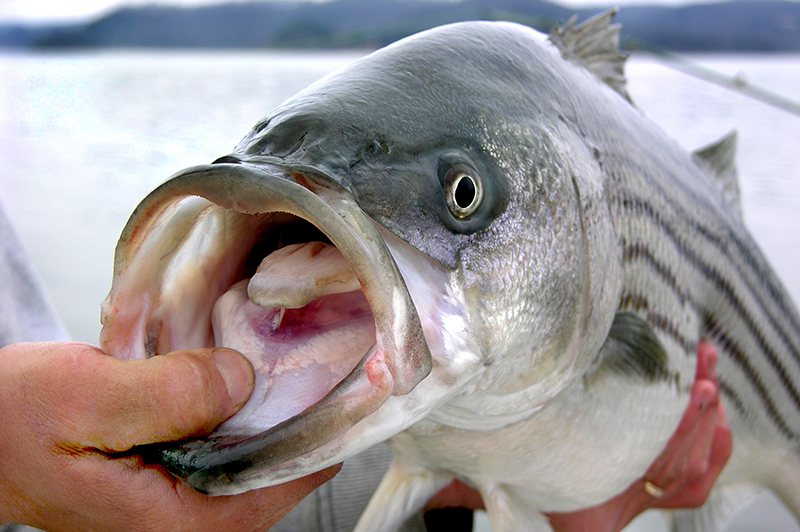
Large striped bass are apex predators capable of making long, powerful runs and aggressive head shakes. Big fish commonly use current, surf and structure to their advantage during the fight, which is why properly matched tackle is important.
How Long Do Stripers Live?
Striped bass are relatively slow-growing fish and can live for decades under the right conditions. Large trophy stripers are often older breeding females that play a major role in sustaining future populations.
This is one reason many anglers voluntarily practice catch-and-release on large breeding fish whenever possible.
What Kind of Tackle Do You Need To Catch Striped Bass?
Given just how powerful stripers can be, proper tackle selection matters. While ultralight tackle may sound exciting in theory, underpowered gear often prolongs fights unnecessarily and increases fish mortality during release.
- For Trolling: A medium- or heavy-action 6 1/2–7 foot conventional or baitcasting combo in the 20–40 pound line class works extremely well.
- For Bank Fishing: A 6 1/2–7 foot medium- or heavy-action spinning or baitcasting combo in the 20–40 pound class is a versatile setup.
- For Surf Fishing: An 8–10 foot or longer medium-action spinning combo allows long casts into the surf zone.
Braided Line vs. Monofilament for Stripers
Many modern striper anglers prefer braided line because it offers excellent casting distance, sensitivity and hook-setting power. Braided line also cuts through current more effectively than monofilament.
However, monofilament still performs well for trolling and live bait fishing because it provides stretch that helps absorb violent strikes and sudden surges near the boat.
Best Rod Action for Striper Fishing
Medium-heavy rods with moderate-fast or fast action are usually the most versatile for stripers because they balance casting distance, hook-setting power and fish-fighting control.
Surf anglers often prefer longer rods for additional casting distance, while boat anglers may use shorter rods for trolling or jigging applications.
What Kind of Lures and Baits Catch Striped Bass?
- For trolling or casting: Yo-Zuri and Rapala crankbaits, swimbaits, umbrella rigs, spoons and topwater plugs are all proven striped bass producers.
- For bank fishing, fishing from anchor or surf fishing: Live bait and cut bait remain highly effective. Sand crabs, sardines, eels, mullet, bunker (menhaden), anchovies and pile worms are all popular depending on region.
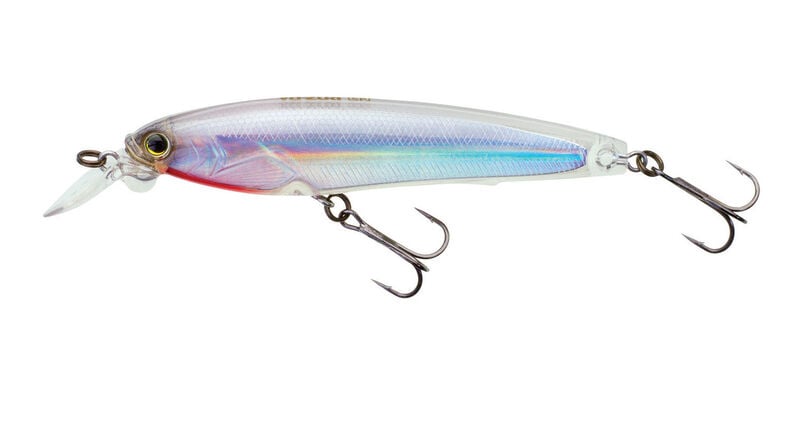 Hard baits like this Yo-Zuri lure consistently catch striped bass in both freshwater and saltwater systems.
Topwater Striper Fishing
One of the most exciting ways to target stripers is with topwater plugs during low-light feeding periods. Explosive surface strikes often happen around bait schools, current rips, rocky points and surf breaks.
Pencil poppers, walking baits and large surface plugs are all popular choices when fish are actively feeding near the surface.
Live Bait vs. Artificial Lures
Live bait can be extremely effective for trophy stripers, especially during cold fronts or periods of reduced feeding activity. Artificial lures, however, allow anglers to cover water quickly and imitate fleeing baitfish more aggressively.
Many anglers keep both options available because striper feeding behavior can change rapidly depending on current, tide, water clarity and forage availability.
What Time of Year is Best for Catching Stripers?
Spring, summer and fall are the primary striped bass seasons across most of the country. Spring migration is especially famous because stripers move into rivers, bays and estuaries to spawn as water temperatures rise.
During summer, stripers often move deeper during the day and feed more aggressively during low-light periods. In fall, cooling water temperatures trigger aggressive feeding behavior as fish prepare for migration and winter conditions.
Water temperature, bait migration and current flow all influence seasonal striped bass movement patterns.
Best Time of Day for Stripers
Stripers commonly feed most aggressively during dawn, dusk, nighttime and tide changes. Cloud cover, rough water and low-light conditions often improve daytime fishing as well.
Many experienced surf anglers target nighttime tides specifically because larger stripers frequently move shallow after dark.
Best Conditions for Striper Fishing
Striped bass often feed most aggressively when water is moving and baitfish are concentrated. Wind-blown shorelines, tide rips, surf breaks and current seams frequently hold active fish.
Overcast skies, rougher water and periods just before weather changes can also trigger stronger feeding behavior.
How Water Clarity Affects Stripers
Slightly stained water often improves striper fishing because it gives predators cover while still allowing them to locate bait effectively.
Extremely muddy water may reduce feeding activity, while ultra-clear conditions sometimes make fish more cautious during daylight hours.
Know the Law!
Fishing regulations vary significantly by state, region and fishery. Bag limits, slot limits, tackle restrictions, closed seasons and licensing requirements can all change from year to year.
Before targeting striped bass, always check your local fish and wildlife agency regulations and understand current rules for the specific waterway you plan to fish.
Know before you go.
Striper Fishing Tips
- Follow the Birds: Diving birds often indicate baitfish schools being pushed to the surface by feeding stripers.
- Mind the Tide: Moving water is usually better than slack tide.
- Target Structure: Points, rock piles, ledges, bridge pilings and current seams often hold fish.
- Fish Low-Light Periods: Dawn, dusk and nighttime can produce larger stripers.
- Watch Water Temperature: Stripers frequently reposition as temperatures change seasonally.
- Match the Hatch: Use lures and bait sizes that resemble local forage species.
- Practice Catch-and-Release: Large breeding females are valuable to future populations.
- Stay Informed: Local reports, tide charts and bait movement patterns can dramatically improve success.
How to Fight and Land Big Stripers
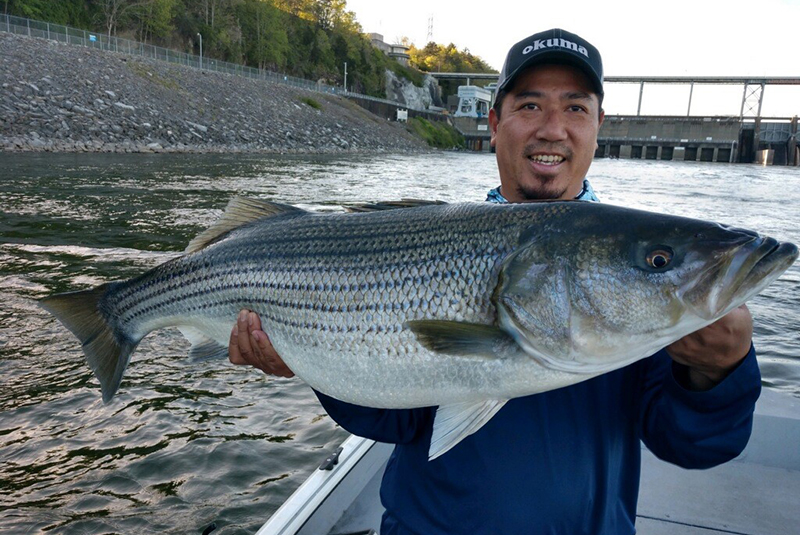
Large stripers fight hard and frequently use current to their advantage. Keep steady pressure on the fish and avoid tightening the drag excessively during powerful runs.
Use smooth rod pressure and avoid high-sticking the rod near the boat. Landing nets designed for larger fish improve landing success and reduce handling stress during release.
Handling Stripers Safely
If practicing catch-and-release, support the fish horizontally and avoid hanging heavy fish vertically by the jaw for extended periods.
Quick handling and proper revival improve survival rates significantly.
Common Striper Fishing Mistakes
One common mistake is fishing dead water with little bait activity or current movement. Another is using tackle that is too light for the conditions, which prolongs fights unnecessarily.
Many anglers also overlook tide timing, which is often more important than lure selection alone.
Need More Help?
West Marine is the perfect place to get ready for your next fishing trip. We offer free line spooling and locally assorted tackle in many of our stores to help match what’s biting in your area. Plus, with plenty of experienced anglers on our crew, we have the know-how you need to get ready.
Use our store locator to find a store near you.
Related
- Selecting a Fishing Reel
- Selecting a Baitcasting Reel
- Selecting a Spinning Reel
- Selecting a Rod and Reel Combo
- Selecting a Fishing Rod