Marine Finishing
574 Items


Sort:
(574)


STAR BRITE
320
$18.99
Pickup in store today
Same-day delivery


3M
23
$64.99
Pickup in store today
Same-day delivery


WEST MARINE
121
$35.99
-
$61.99
Pickup in store today
Same-day delivery
Sale

WEST MARINE
63
$4.99
Price reduced from
$19.99
to
Pickup in store today
Same-day delivery

303 PRODUCTS
55
$26.99
Pickup in store today
Same-day delivery


SHURHOLD
7
$31.99
Pickup in store today
Same-day delivery


STAR BRITE
$59.99
Pickup in store today
Same-day delivery


3M
10
$69.99
Pickup in store today
Same-day delivery

3M
8
$82.99
Pickup in store today
Same-day delivery


303 PRODUCTS
782
$33.99
Pickup in store today
Same-day delivery


Marine finishing products are used to refine, restore, and protect boat surfaces after painting, repairs, or prolonged environmental exposure. These supplies support every stage of surface refinement, from aggressive defect removal to final gloss enhancement on fiberglass, gelcoat, paint, metal, and composite materials. Proper finishing improves appearance, durability, and resistance to UV, saltwater, and oxidation.
Unlike automotive or household finishing products, marine systems are engineered to handle large surface areas, curved hull shapes, and harsh operating environments while maintaining long-term protection and clarity.
Types of Marine Finishing Products
Sanding & Surface Preparation Materials
Used to remove oxidation, imperfections, or previous coatings before polishing or recoating.
-
Sandpaper sheets and discs (dry or wet sanding)
-
Abrasive pads and mesh systems
-
Sanding blocks and backing plates
-
Guide coats for leveling
-
Dust extraction accessories
Surface preparation is the foundation of any successful finishing project and directly affects final results.
Compounds & Cutting Products
Designed to remove scratches, sanding marks, and severe oxidation.
-
Heavy-cut compounds for deep defects
-
Medium-cut compounds for refinement
-
One-step correction formulas
-
Gelcoat-specific cutting products
Marine polishing compounds are commonly available in multiple grades to progressively refine surfaces.
Polishes & Finishing Compounds
Used after cutting stages to restore gloss and clarity.
-
Fine polishes for swirl removal
-
Anti-hologram finishing products
-
High-gloss restoration formulas
-
Clear-coat and gelcoat-safe options
Fine compounds create a deep shine and remove micro-scratches left by earlier steps.
Protective Finishes & Sealants
Applied after polishing to extend durability.
-
Wax coatings
-
Synthetic sealants
-
Ceramic-based protectants
-
UV-resistant treatments
Protection layers help maintain results between maintenance cycles.
Gelcoat vs Paint Finishing
Boat surfaces typically fall into two categories:
Gelcoat Surfaces
Common on fiberglass hulls and decks.
-
Thicker material allows more aggressive sanding
-
Oxidation removal is a primary goal
-
Requires compounds designed for polyester gelcoat
Painted Surfaces
Found on repainted boats, aluminum vessels, or high-performance finishes.
-
Thinner coating requires more controlled abrasion
-
Often finished with finer polishing systems
-
May require compatible primers or sealants
Selecting products appropriate to the coating type prevents damage and improves outcomes.
Step-by-Step Marine Finishing Process
Most professional finishing projects follow a staged approach:
-
Clean and decontaminate the surface
-
Sand to remove defects or oxidation
-
Apply cutting compound to refine scratches
-
Polish to restore gloss
-
Apply protective coating
Finishing systems designed to work together typically produce more consistent results and reduce labor time.
Applications Across the Boat
Marine finishing products are commonly used on:
-
Hull sides and topsides
-
Decks and non-skid areas
-
Superstructures
-
Engine covers and cowls
-
Railings and metal components
-
Interior fiberglass panels
Professional-grade tools allow efficient finishing across both small repairs and large surfaces.
Choosing the Right Abrasive Level
The severity of surface damage determines the aggressiveness required.
Heavy Correction
For deep scratches, heavy oxidation, or sanding marks.
Moderate Correction
For weathering, dullness, or minor defects.
Final Refinement
For restoring gloss and eliminating swirl marks.
Using progressively finer abrasives produces smoother, longer-lasting finishes.
Considerations for Large Boat Surfaces
Boat finishing differs from automotive work due to scale and shape.
-
Large curved surfaces require flexible abrasives
-
Consistent finish across panels is critical
-
Efficient tools reduce labor time
-
Ergonomics matter for extended work sessions
Professional marine finishing systems are designed for both production environments and restoration projects.
Freshwater vs Saltwater Exposure
Environmental conditions influence finishing requirements.
Saltwater Use
-
Accelerated oxidation
-
Corrosion risks
-
Frequent maintenance needed
Freshwater Use
-
Slower degradation
-
Still subject to UV damage and staining
Protective coatings help extend intervals between refinishing.
DIY vs Professional Finishing Projects
DIY Applications
Suitable for cosmetic restoration and routine maintenance.
-
Requires basic tools and careful technique
-
Ideal for smaller vessels or localized repairs
Professional Work
Often used for large yachts or severe damage.
-
High-capacity equipment improves efficiency
-
Specialized abrasives and compounds may be required
-
Produces uniform, high-gloss results
Marine finishing systems are used in both manufacturing and restoration environments.
Safety & Working Conditions
Finishing processes generate dust, heat, and chemical exposure.
Best practices include:
-
Using respiratory protection when sanding
-
Working in ventilated areas
-
Managing dust and debris
-
Following product safety instructions
Dust-reduction systems can improve both finish quality and working conditions.
How Much Product You Need
Material requirements depend on:
-
Size of the vessel
-
Severity of surface damage
-
Number of finishing stages
-
Application method
Large hull projects may require multiple grades of abrasives and compounds, while minor restoration can be completed with smaller quantities.
Why Marine-Specific Finishing Products Matter
Boat surfaces face extreme conditions not encountered in most other applications:
-
Continuous UV exposure
-
Salt and moisture
-
Abrasion from water and debris
-
Temperature fluctuations
Specialized marine finishing systems are designed to maintain clarity, durability, and protection under these stresses while preserving the underlying structure.
Clean, Polish and Protect Your Boat with Products from West Marine.
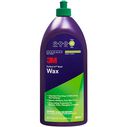
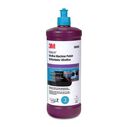
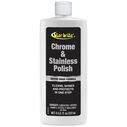
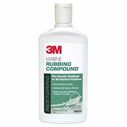
West Marine has everything you need to keep the gelcoat finish of your fiberglass boat looking its best. If you happen to own a new boat, you can easily protect the gelcoat finish by applying a quality marine wax. Older, oxidized gelcoat can be restored with rubbing compounds or with fiberglass polish and then protected with a coating of marine wax. If your boat’s gelcoat is only lightly oxidized, consider the convenience of a one-step fiberglass polish/wax that gets the job done in one easy step. Once you have polished and protected your boat’s finish, move on to the handrails and other metal parts, for which West Marine offers a large selection of metal polishes.
Complete Surface Restoration Starts Here
Whether restoring a weathered hull, refining a new paint job, or maintaining a high-gloss finish, marine finishing supplies provide the tools needed to achieve professional results. Selecting compatible products for each stage ensures efficient work, consistent appearance, and long-term performance in demanding marine environments.
Marine Finishing Products FAQ
To restore an oxidized gelcoat finish, use the following methods:
- Apply a marine-grade rubbing compound for deeper oxidation.
- Use fiberglass polish for lighter oxidation and shine.
- Try a one-step polish and wax for convenience and protection in one application.
Protect a new gelcoat finish using:
- High-quality marine wax for long-term protection.
- UV-resistant waxes to prevent fading.
- Regular application every few months to maintain gloss and shield from saltwater and weather exposure.
Yes, marine-grade metal polishes are formulated for durability and shine:
- Use on handrails, cleats, and stainless hardware.
- Choose formulas with corrosion and UV protection.
- Apply regularly to prevent pitting and oxidation.
Marine waxes are specifically formulated for boat use:
- Designed to resist salt, moisture, and intense sun exposure.
- Provide longer-lasting protection than automotive wax.
- Help preserve the boat’s finish in demanding marine conditions.
Some polishes are multi-surface, but check the label:
- Multi-use marine polishes may be safe for fiberglass, plastic, and metal.
- Specialized polishes typically offer better results for each surface.
- Always test on a small area before full application.
Polishing and waxing frequency depends on usage:
- Every 3 to 6 months is recommended.
- Increase frequency for boats stored outdoors or in saltwater.
- Regular care preserves appearance and surface integrity.