



Marine Electrical Wire — Safe, Reliable Power & Signal Distribution on Boats
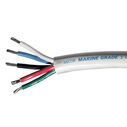
Marine electrical wire is engineered to carry power and signals in harsh marine environments where vibration, moisture, salt air, and UV exposure can degrade ordinary wiring. Unlike automotive or residential wiring, marine-rated conductors feature corrosion-resistant tinned copper, flexible insulation, and durable jacketing to maintain conductivity and safety over time.
Using purpose-built marine wire helps ensure reliable starting power, accessory operation, and long-term system performance on every vessel.
Types of Marine Wire by Function
Primary Power Distribution Wire
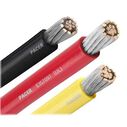
Used for battery, starter, alternator, and main DC circuits.
-
Larger gauge sizes for high current
-
Tinned copper resists corrosion
-
Flexible for routing through tight spaces
-
Compatible with heat-shrink terminals
Marine primary power wire supplies electricity from source to major components with minimal voltage drop.
Accessory & Control Wiring
Used for interior lights, pumps, switches, gauges, and electronics.
-
Smaller gauge sizes for lower current
-
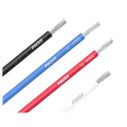
Color-coded insulation for easy identification
-
Suitable for bundled harnesses
-
Often used with marine connectors
Accessory wire requires flexibility and continuity for reliable signal and low-current power transmission.
Tinned Copper Marine Wire
Marine wire typically uses tinned copper conductors.
-
Better corrosion resistance than bare copper
-
Resists salt water, humidity, and oxidation
-
Maintains conductivity in demanding conditions
-
Approved for certified marine electrical systems
Tinned wire prolongs service life in marine environments compared to standard copper.
Shielded & Multi-Core Cable
Used for sensitive electronics and signal circuits.
-
Reduces electromagnetic interference (EMI)
-
Ideal for navigation systems, radios, and sensors
-
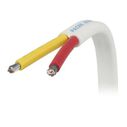
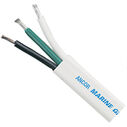
Multi-core designs simplify harnessing and routing
Shielded cable preserves signal quality where interference is a concern.
Wire Gauge & Current Capacity (AWG)
Selecting the right gauge is essential for safety and performance.
-
Smaller AWG numbers = thicker wire
-
Larger wire carries more current with less voltage drop
-
Correct match prevents overheating
-
Calculated based on load amperage and length
Marine electrical systems often use 12 AWG for general circuits and 4–8 AWG for main power feeds.
Voltage Ratings & Insulation Types
Marine circuits typically operate at low DC voltages:
-
12V for most recreational boats
-
24V on larger vessels
-
Wire insulation rated for marine conditions
Common jacket types:
-
PVC for general use
-
Cross-linked polyolefin for higher temperature resistance
-
XLPE for harsh environments
Proper insulation maintains safety in heat, humidity, and vibration.
Color Coding for Organized Wiring
Consistent color coding improves serviceability and reduces errors.
Common marine color codes:
-
Red — positive DC power
-
Black — negative/ground
-
Yellow/Blue — accessory circuits
-
Green/Green-Yellow — grounding conductors
Adhering to color standards enhances troubleshooting and installation.
Connectors, Terminals & Heat-Shrink Protection
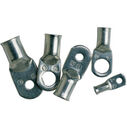
Marine wire is often terminated with connectors that protect against corrosion and moisture.
-
Ring and spade terminals
-
Butt connectors for splices
-
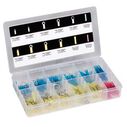
Heat-shrink sleeves with adhesive liner
-
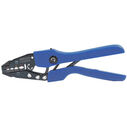
Marine-grade crimp tools recommended
Proper termination improves conductivity and prevents failure at connection points.
Routing, Clamping & Support Techniques
Correct routing and support extend wire life.
Best practices include:
-
Avoiding sharp edges and pinch points
-
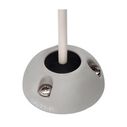
Using marine-rated clamps and grommets
-
Securing bundles to reduce vibration stress
-
Maintaining separation from heat sources
Supports and routing improve safety and reduce wear.
Battery, Alternator & Starter Wire Needs
Heavy-duty circuits require robust wire.
-
Large gauge for current-intensive circuits
-
Direct runs with minimal splices
-
Proper terminations with high-quality lugs
-
Protection with fuses or circuit breakers
Marine power feeds demand careful planning to prevent voltage loss and heat buildup.
Wiring for Navigation & Electronics
Modern boats often feature sophisticated electronics.
-
Chartplotters
-
Fishfinders
-
Radar and GPS
-
Communication radios
-
Stereo and entertainment systems
Shielded and multi-core cable helps maintain signal integrity in complex systems.
Marine vs Automotive or Household Wire
Marine wire is built for conditions that destroy ordinary wiring.
Marine-specific features include:
-
Tinned conductors for corrosion resistance
-
UV-resistant insulation
-
Flame-retardant materials
-
Greater flexibility for routed harnesses
Using non-marine wire can lead to rapid failure and safety hazards.
Installing Marine Electrical Wire
Proper installation ensures performance and longevity.
Steps include:
-
Planning circuit paths
-
Selecting correct gauge per load and length
-
Stripping insulation without conductor damage
-
Applying marine-grade terminals
-
Protecting connections with heat-shrink
-
Testing continuity and polarity
Professional wiring helps ensure safety and compliance with marine electrical standards.
Safety, Fusing & Protection Devices
Marine electrical systems require protective devices.
-
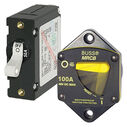
Circuit breakers
-
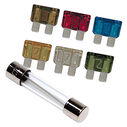
Inline fuses
-
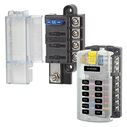
Bus bars and distribution panels
-
Proper grounding and bonding
Protection prevents overload and fire risk in DC systems.
Reliable Power Starts With Quality Marine Wire
Marine electrical wire is a foundational component of any boat’s power and control systems. Selecting the right conductor type, gauge, insulation, and termination helps ensure reliable operation, improved safety, and long-term performance in challenging marine environments where ordinary wiring simply fails.