





Boat Safety Equipment & Marine Safety Gear
Boat safety equipment protects passengers, prevents emergencies from becoming disasters, and ensures compliance with U.S. Coast Guard regulations. Whether you operate a small fishing boat, cruising sailboat, or offshore vessel, having the right marine safety gear onboard is essential for every trip on the water.
Modern boating relies on electronics, engines, and navigation systems that make travel more efficient and enjoyable, but preparation is still the most important factor in boating safety. A well-prepared boat should carry personal flotation devices, visual distress signals, communication equipment, fire protection, and emergency medical supplies. These tools allow boaters to respond quickly when unexpected situations occur.
Understanding what safety equipment is required on a boat and what additional gear improves emergency preparedness helps reduce risk and keeps passengers protected. The following guide explains the essential boat safety equipment every vessel should carry before leaving the dock.
What Safety Equipment Should Every Boat Have?
Every boat should carry essential safety equipment designed to protect passengers and help rescuers locate the vessel in an emergency. At a minimum, most recreational boats should carry personal flotation devices (life jackets), visual distress signals, a marine fire extinguisher, navigation lights, a sound-producing device such as a horn or whistle, and a first aid kit.
Additional safety gear such as EPIRBs, personal locator beacons, throwable flotation devices, and VHF marine radios can dramatically improve survival chances during offshore emergencies. The exact safety equipment required depends on vessel size, location, and operating conditions, but experienced boaters typically carry more than the minimum required equipment to ensure maximum safety.
Preparing a complete boat safety kit before every trip helps prevent emergencies and allows boaters to respond effectively when problems occur.
Boat Safety Equipment Checklist
Every responsible boater should carry a well-equipped safety kit before heading onto the water. The following equipment forms the foundation of a comprehensive marine safety system and helps ensure compliance with boating regulations.
Life Jackets (Personal Flotation Devices)
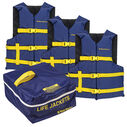
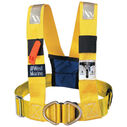
Life jackets are the most important piece of marine safety equipment on any vessel. U.S. Coast Guard regulations require at least one wearable life jacket for every person onboard. Modern PFDs include inflatable designs that provide comfort and freedom of movement while still delivering reliable flotation when needed. Children should always wear properly fitted life jackets, and many states require children under a certain age to wear them at all times while on the water.
Visual Distress Signals
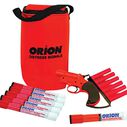
Visual distress signals help rescuers locate a vessel during emergencies. Traditional flares, electronic distress lights, and signal mirrors can alert nearby boats or search-and-rescue teams that assistance is required. Boats operating in coastal waters or large bodies of water are typically required to carry visual distress signals.
Marine Fire Extinguishers
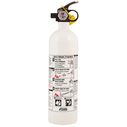
Boats with fuel systems, enclosed engine compartments, or cooking equipment must carry approved marine fire extinguishers. Marine fire extinguishers are designed specifically to combat fuel and electrical fires commonly encountered on vessels. Regular inspection ensures the extinguisher remains functional and within its service date.
Emergency Position Indicating Radio Beacons (EPIRBs)
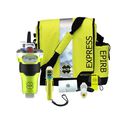
EPIRBs and personal locator beacons transmit distress signals to satellite rescue networks during emergencies. Once activated, these devices allow search-and-rescue teams to determine a vessel’s precise location, dramatically improving rescue response time. Offshore boaters and long-distance cruisers commonly rely on EPIRBs for emergency protection.
Marine Radios
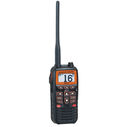
VHF marine radios provide direct communication with nearby vessels, marinas, and rescue authorities. Channel 16 serves as the international distress frequency monitored by the U.S. Coast Guard. Reliable communication equipment allows boaters to request assistance, receive weather alerts, and coordinate emergency response.
First Aid Kits
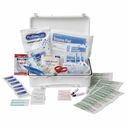
A well-stocked marine first aid kit allows boaters to treat injuries while awaiting medical assistance. Essential items include bandages, antiseptics, medical tape, gloves, emergency blankets, and basic trauma supplies. Marine environments can present unique hazards, making first aid preparation especially important.
What Should Be in a Boat Safety Kit?
A complete boat safety kit should include both required equipment and additional emergency tools that improve preparedness. While legal requirements vary depending on boat size and operating area, most safety kits include life jackets for every passenger, throwable flotation devices, visual distress signals, a marine fire extinguisher, a first aid kit, and a sound signaling device such as a horn or whistle.
Experienced boaters often expand their safety kits to include emergency radios, locator beacons, spare navigation lights, bilge pumps, anchor systems, and backup batteries. These additional items can help maintain control of the vessel during mechanical problems or unexpected weather conditions.
Preparing a comprehensive safety kit before every outing significantly improves emergency readiness and helps ensure that boaters can respond effectively when problems arise.
U.S. Coast Guard Required Boat Safety Equipment
The U.S. Coast Guard establishes safety equipment requirements for recreational vessels operating in U.S. waters. While specific regulations vary depending on vessel size and type, most boats must carry the following equipment.
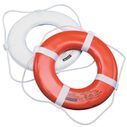
One U.S. Coast Guard–approved life jacket for each person onboard is required on all recreational boats. Boats longer than sixteen feet must also carry a throwable flotation device designed to assist someone who falls overboard.
Visual distress signals are required for vessels operating in coastal waters and certain large lakes. Approved fire extinguishers must be carried on boats with enclosed fuel or engine compartments. Boats operating at night must have functional navigation lights to prevent collisions, and all vessels must carry a sound-producing device such as a horn or whistle.
Boaters should review local and federal boating regulations to confirm safety requirements before heading onto the water.
Why Marine Safety Equipment Matters
Boating accidents are often preventable when proper safety equipment is available and functioning correctly. Life jackets significantly reduce drowning risk during accidents, while communication equipment allows boaters to contact rescue authorities quickly.
Modern marine safety technology has dramatically improved survival rates during emergencies. Locator beacons, advanced communication systems, and improved flotation devices help ensure that boaters can remain safe even in challenging conditions.
Routine safety checks before departure ensure that all equipment is functional and ready for use if needed.
Marine Safety Gear FAQ
The U.S. Coast Guard requires boats to carry specific safety equipment based on vessel size and use. At a minimum, you should have:
- Life Jackets (PFDs): One U.S. Coast Guard-approved life jacket per person onboard.
- Sound-Producing Device: A horn or whistle to signal your presence in fog or emergencies.
- Visual Distress Signals: Flares or signal lights for emergency situations.
- Fire Extinguishers: Required for boats with enclosed fuel or engine compartments.
- Throwable Flotation Device: Boats over 16 feet must have a throwable Type IV PFD.
When selecting a life jacket, consider:
- Buoyancy: Choose a U.S. Coast Guard-approved Type I, II, III, or V PFD based on your activity.
- Fit: The jacket should be snug but not restrictive. Adjustable straps help ensure a secure fit.
- Intended Use: Different jackets are designed for specific activities like kayaking, sailing, or offshore boating.
- Inflatable vs. Foam: Inflatable life jackets offer comfort but require manual or automatic inflation.
While not legally required, both EPIRBs and PLBs enhance safety:
- EPIRB (Emergency Position Indicating Radio Beacon): Designed for boats, activates automatically when submerged.
- PLB (Personal Locator Beacon): Portable and manually activated, suitable for both land and water use.
- Both devices: Transmit distress signals to search and rescue teams via satellite.
A well-prepared ditch bag should include:
- First Aid Kit: Essential medical supplies for treating injuries.
- Water & Food Rations: Sufficient supplies to last at least 24-48 hours.
- Signaling Devices: Flares, whistle, and signal mirror for attracting rescuers.
- Waterproof Flashlight: Essential for visibility in low-light conditions.
- VHF Radio: For emergency communication with the Coast Guard or nearby boats.
Both devices are used for emergency location tracking, but they differ in functionality:
- EPIRB: Mounted on a boat, activates automatically when submerged, providing continuous distress signals.
- PLB: Small, portable, and manually activated. Can be used on land or water.
- Key Difference: EPIRBs are designed for vessel safety, while PLBs offer individual rescue assistance.
Inflatable life jackets are safe and comfortable but come with key differences:
- Comfort: Less bulky, making them ideal for active boating.
- Activation: Some models require manual inflation, while others inflate automatically when submerged.
- Best Use: Recommended for experienced swimmers in controlled boating conditions.
- U.S. Coast Guard Approval: Ensure your inflatable PFD is USCG-approved for your specific activity.