



Sailing Cleats: Essential Gear for Secure and Efficient Sailing
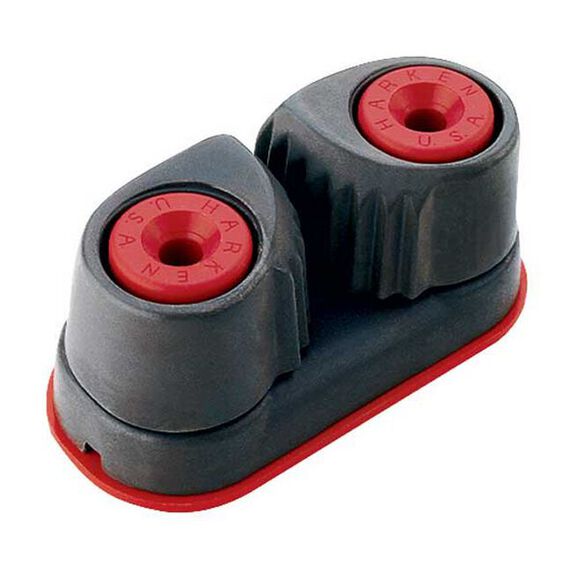
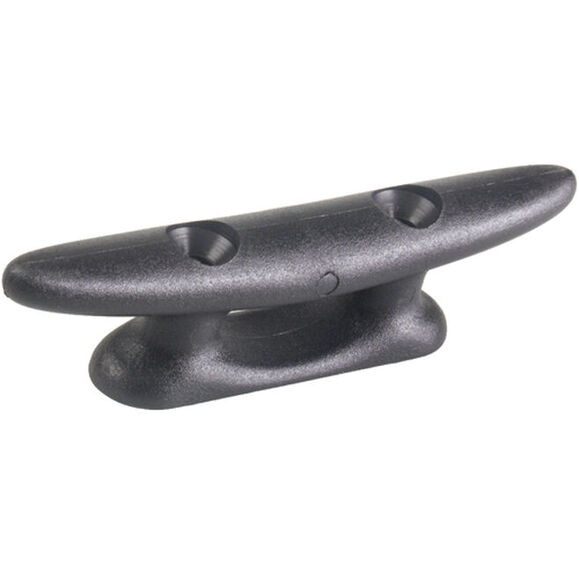
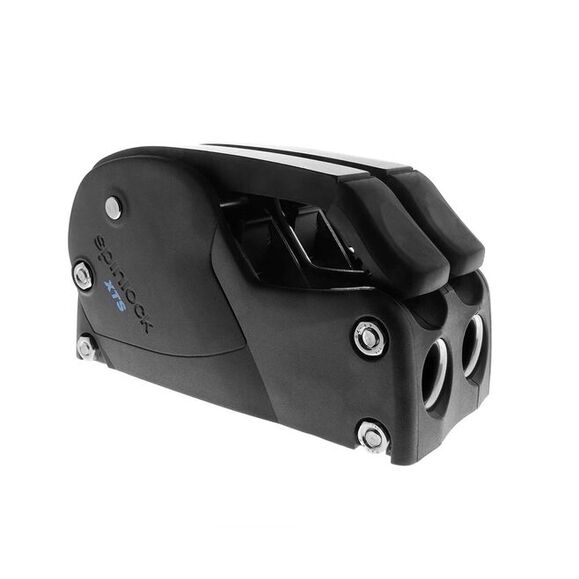
West Marine offers a wide variety of sailing cleats for most every sailing or boating application. Selection includes cam cleats and clam cleats, horn cleats, V-cleats and rope clutches. Popular brands of cam cleats include Harken Cam-Matic cleats, Ronstan C-Cleats, Schaefer Cam Cleats and Spinlock Cam Cleats. Cam cleats are complemented by a selection of cam cleat replacement parts and cam cleat accessories. Online and in West Marine stores, you will also find a selection of horn cleats, including open base cleats and closed based cleats in a variety of materials including nylon, aluminum, stainless steel and plated zinc. New cleats are often added to a boat as part of a rigging system upgrade. For custom rigging visit the West Marine Rigging Services. And for all your rigging and anchoring and docking needs, check out our excellent selection of rope.
Why Are Sailing Cleats Important For Your Boat?
Sailing cleats are indispensable components on any boat, providing a secure point for tying off ropes and lines with ease and reliability. These cleats, often constructed from materials such as stainless steel, aluminum, or durable plastic, ensure that sailors can manage lines effectively, whether for docking, anchoring, or sail adjustment. Designed to withstand the harsh marine environment, sailing cleats offer strength and stability that support a wide range of sailing activities. With proper placement and quality construction, sailing cleats can enhance the control and safety of any vessel, making them a fundamental element in the rigging setup.
How Do You Find The Right Sailing Cleats For Your Boat?
When choosing sailing cleats, it’s essential to consider both functionality and placement. For example, horn cleats are popular on sailboats because they provide a simple, straightforward design that makes securing lines quick and intuitive. Cam cleats, on the other hand, are frequently used in racing or performance sailing because they allow lines to be released swiftly, enhancing responsiveness. Sailors should evaluate their specific sailing needs and conditions to select the best type and size of cleat for each location on the boat, ensuring optimal performance and ease of use.
Sailing Cleat Installation & Maintenance
Proper installation and maintenance of sailing cleats are crucial for maximizing their longevity and functionality. Regularly inspecting these cleats for signs of wear or corrosion can prevent unexpected failures, particularly in high-stress situations like docking or heavy wind conditions. Additionally, securely fastening sailing cleats to the deck with corrosion-resistant hardware helps preserve the cleat’s integrity and enhances safety. With reliable and well-maintained sailing cleats, sailors can enjoy peace of mind knowing that their rigging system is both safe and efficient.
Sailing Cleats FAQ
A cam cleat uses spring-loaded cams to grip a line. When the line is pulled through, the cams close and hold it firmly in place. They're ideal for applications where quick line adjustments are needed.
Cam cleats use rotating cams, while clam cleats use ridged jaws. Cam cleats are easier for frequent line changes, while clam cleats are simpler and more compact.
Yes, rope clutches are designed to handle higher loads without slippage. They are better suited for halyards or control lines under tension, while cam cleats are better for quick-release use.
Horn cleats are the most common for docking. They're simple and secure, allowing you to wrap and tie off dock lines with ease.
Yes. It's common to use different cleats for different purposes. Cam cleats for trim adjustments, horn cleats for docking, and rope clutches for halyards are a typical setup.
Harken cleats are known for performance and durability in racing. Spinlock cleats often offer more adjustability and are popular in cruising setups. Your choice depends on your sailing style and boat setup.