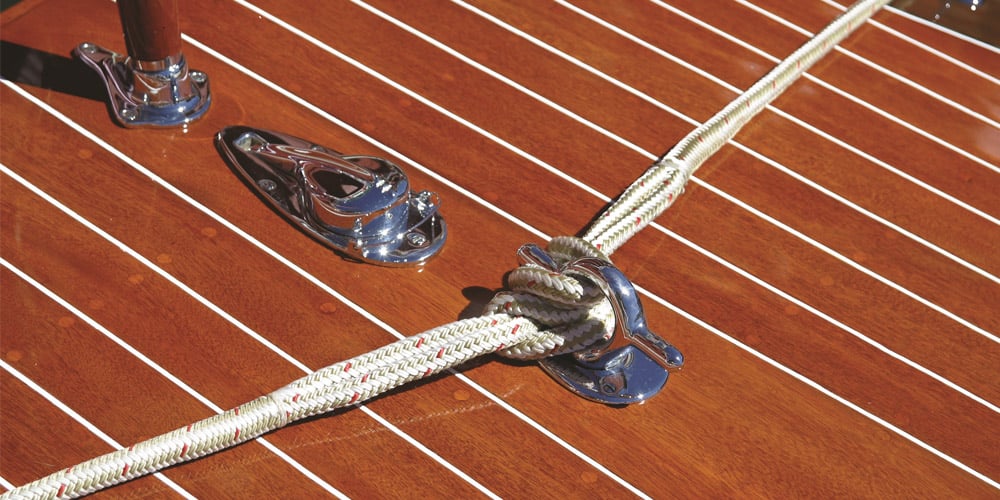

A properly maintained varnish finish is the gold standard for brightwork appearance — but requires the most preparation and ongoing maintenance of any wood finish.
Varnish and various wood oils have been the traditional transparent wood finishes on boats for hundreds of years. Their lack of pigment allows the beauty of the wood grain to show through while protecting the wood from sunlight, saltwater, dirt, and abrasion. The finish achieved after careful application can range from practically invisible protection for interior wood to a high-gloss fine-furniture coat on exterior brightwork.
Choosing between the variety of finishes available requires understanding what each does, how long it lasts, and how much maintenance you are willing to commit to. There is no universally “best” finish — the right choice depends on the wood, its location on the boat, and your expectations for appearance and maintenance.
- Wood Oils
- Varnish
- Synthetic Wood Finishes
- Which Finish Is Right for You?
- Surface Preparation
- Maintenance Intervals
- FAQs
Wood Oils
Oils penetrate deeply into the wood fibers rather than forming a significant surface coating. This gives oiled wood a natural, tactile look that preserves the original texture of the wood more than other finishes. Oils are available in colors ranging from water-clear to gold to dark brown. Multiple coats produce a more uniform finish and greater longevity; single-coat applications are possible but provide limited durability.
Oil is the easiest wood finish to apply — surface preparation blemishes are less apparent in the final result than they are with varnish. This does not mean that oil excuses poor preparation: clean, sanded wood with several coats of oil looks dramatically better and lasts significantly longer than oil applied to dirty or degraded surfaces. Oil’s thin consistency means it runs and wicks into adjacent surfaces, making masking to protect surrounding gelcoat and painted areas almost as important as it is with varnish.
Clean, well-sanded teak finished with several coats of oil can provide 3–6 months of beauty and protection before recoating is needed — a shorter cycle than varnish or synthetic finishes, but a much simpler maintenance process.
Best for: Teak decks, handrails, cockpit furniture, and any exterior wood where natural texture and ease of maintenance matter more than maximum gloss. Oil is not appropriate as a build finish for fine exterior brightwork where a high-gloss appearance is the goal.
Varnish
Varnish is a complex finish consisting of oil, solvents, thinners, resins, dryers, and additives. By varying the proportions of components and adding UV inhibitors and other proprietary ingredients, manufacturers create varnishes with widely varying characteristics — gloss or matte, extremely hard for walked-on surfaces, and varying in color from warm gold to near-clear.
The two most common types are natural resin varnishes (such as tung oil-based products) and oil-modified polyurethane varnishes. Natural tung oil varnishes are excellent for interior or exterior use and provide a classic warm golden look. Oil-modified polyurethanes tend to be more optically clear, allowing the natural color of the wood to show through without additional warmth.
Wood expands and contracts with even small changes in temperature and humidity. Premium varnishes cope with this dimensional instability through high-quality oils and resins and higher percentages of solid ingredients, producing a longer-lasting, more flexible film with a higher gloss. A good base coat system, regularly and diligently maintained, provides the best possible appearance, longevity, and protection. Despite the initial effort — up to ten coats are common for an exterior brightwork build — nothing looks better than exterior wood finished with a high-gloss varnish properly applied and maintained.
Best for: Exterior brightwork (toerails, coamings, hatches, companionway trim) where maximum gloss and appearance are the goal. Also appropriate for interior joinery where a protective, durable film finish is desired. Requires the most preparation of any finish type and the most diligent ongoing maintenance.
Synthetic Wood Finishes
Synthetic satin coatings such as Cetol Marine gained popularity among cruisers in the tropics looking for UV-resistant, low-maintenance brightwork. They are remarkably durable, fast-drying, and easy to apply. They achieve this durability through synthetic iron oxide pigments that protect the wood’s lignin — a key structural component of wood that is degraded by UV exposure. These pigments give products like Cetol its characteristic orange-brown cast, which is a genuine trade-off compared to the clarity and depth of a well-applied varnish.
Cetol comes in four varieties: the Natural formula provides a more golden color resembling raw teak. Individual coats can be applied every 24 hours, significantly faster than varnish. Overcoating any of the other Cetol finishes with the Gloss variant adds a shinier exterior surface. When applying Cetol Gloss, masking surrounding areas is strongly recommended.
Best for: Cruising boats where low maintenance and durability in harsh UV environments are priorities over maximum gloss. An excellent choice for boaters who cannot or do not want to maintain varnish on a regular schedule. Less suitable for show boats or owners for whom the classic bright appearance is the primary goal.
Which Finish Is Right for You?
The right finish depends on three factors: how the wood is used, how much maintenance you are prepared to do, and what appearance matters most to you.
- Choose oil if you want the natural look and texture of the wood preserved, are comfortable recoating every 3–6 months, and are applying to teak decks, handrails, or other horizontal and frequently touched surfaces. Oil is the easiest finish to maintain and the most forgiving to apply.
- Choose varnish if maximum gloss and the classic fine-furniture appearance are your goal and you are prepared to invest in thorough surface preparation and regular annual or semi-annual maintenance. Varnish rewards the most effort with the best possible result.
- Choose a synthetic finish if you want good protection and durability with the least possible maintenance, particularly in high-UV environments. Accept a somewhat pigmented, amber appearance in exchange for significantly longer intervals between coats. The right choice for offshore cruisers and anyone who priorities durability over appearance.
Surface Preparation
Surface preparation is the single most important factor in how long any wood finish lasts. A perfect finish over poor preparation will fail quickly. A careful finish over thorough preparation will last years. Every type of finish — oil, varnish, and synthetic — demands the same fundamental preparation:
- Remove old finish completely if it is cracked, peeling, or flaking. A new coat over failing old finish bonds poorly and will begin to peel in the same pattern as the old finish beneath it. Use a stripper, heat gun, or sanding depending on the finish type and wood.
- Sand progressively. Start with coarser grit to remove old finish and level the surface, then work progressively finer. Finish with 150–220 grit for varnish; 120 grit is adequate for oil. Always sand with the grain, never across it.
- Remove all sanding dust with a tack cloth or vacuum before applying any finish. Dust trapped under finish creates a hazy appearance and reduces adhesion.
- Degrease teak specifically. Teak contains natural oils that can prevent finishes from penetrating and adhering. Wipe down freshly sanded teak with a clean rag dampened with acetone or a dedicated teak cleaner immediately before applying any finish, then allow it to dry completely before coating.
- Work in appropriate conditions. Most finishes should be applied between 50–90°F with low humidity and out of direct sunlight. Applying varnish in direct sun causes it to skin over before the solvents have evaporated, trapping them in the film and causing a cloudy or wrinkled finish.
Maintenance Intervals
The longevity of any finish depends on climate, sun exposure, and how well the original application was done. These are general guidelines for the Pacific Coast, Gulf Coast, and Southeast US coastal climates:
| Finish Type | Typical Recoat Interval | Maintenance Effort |
|---|---|---|
| Teak / wood oil | 3–6 months | Low — sand lightly, apply 1–2 coats |
| Synthetic (Cetol-type) | 1–2 years | Low-medium — sand lightly, apply 1 coat |
| Varnish (maintained base) | 6–12 months | Medium — sand lightly, apply 2–3 coats |
| Varnish (new build) | Initial: 8–10 coats | High — sand between each coat |
Boats kept in covered storage or in northern climates with shorter seasons will see longer intervals than boats stored outdoors year-round in Florida or the tropics. The most important maintenance principle for all finishes: recoat before the finish fails, not after. A light sand and one or two coats on a sound base takes an hour. Stripping a failed finish down to bare wood takes a day or more.
Further Reading: How to Apply Teak Oil
Frequently Asked Questions
What is the difference between teak oil and varnish?
Teak oil (and other penetrating wood oils) soaks into the wood fibers and builds little surface film, preserving the natural texture and look of the wood. It is the easiest finish to apply and maintain but requires recoating every 3–6 months. Varnish builds a hard, protective surface film that creates a high-gloss appearance and longer protection between coats, but requires significantly more preparation, application skill, and ongoing maintenance. The classic gloss brightwork look is only achievable with varnish.
What is Cetol and why does it have an orange tint?
Cetol Marine is a synthetic satin finish that uses iron oxide pigments to protect the wood’s lignin — the structural component that holds wood fibers together — from UV degradation. These iron oxide pigments produce the characteristic amber-orange cast. This is an intentional trade-off: the pigments provide excellent UV protection and a very durable, low-maintenance finish, at the cost of the optical clarity and depth of a clear varnish. The Cetol Natural formula has a warmer golden tone closer to raw teak; the Gloss overcoat adds shine without fully matching the depth of a true clear varnish.
How many coats of varnish do I need?
For a new build on bare wood, 8–10 coats are standard for exterior brightwork. Thin the first coat significantly (up to 50% with the manufacturer’s recommended thinner) so it penetrates deeply and seals the wood grain. Build subsequent coats at full or near-full strength, sanding between each coat with 220 grit. Once a proper base is established, maintenance involves light sanding and 2–3 coats annually, which is much faster than the initial build.
Do I need to strip old finish before applying a new coat?
Not always — but the old finish must be sound. If it is intact, firmly adhered, and in good condition with no cracking or peeling, light sanding and a fresh topcoat is appropriate. If the old finish is failing — cracking, peeling, lifting, or cloudy — it must be stripped back to bare wood before recoating. Applying new finish over failing old finish results in the new coat peeling along the same lines as the old. When in doubt, strip it.
Can I switch between finish types — for example, from oil to varnish?
Yes, but the wood must be completely cleaned and prepared before switching. Teak that has been oiled must be thoroughly sanded and degreased to remove all residual oil before varnish is applied — oil prevents varnish from adhering properly. Similarly, residue from synthetic finishes must be fully removed before switching to oil or varnish. When switching finish types, treat the surface as if starting from bare wood.