Top Things to Know to Start Crabbing
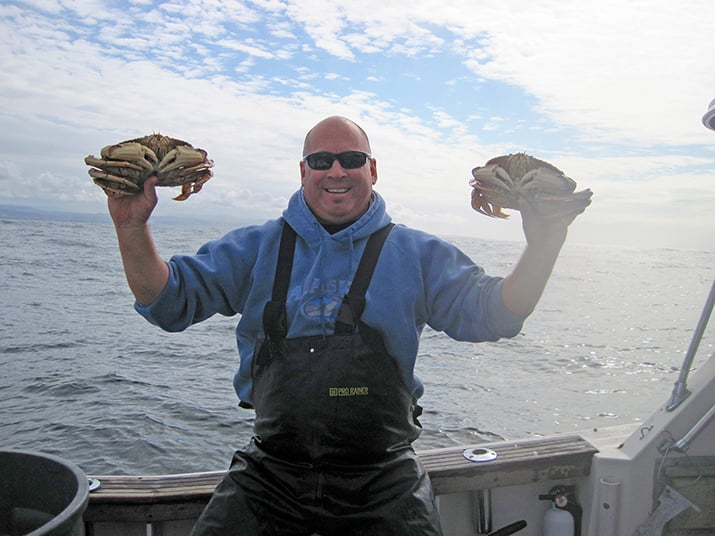
Catching your own fresh crab for dinner is easier than it looks with the right gear and a little preparation.
There’s nothing better than fresh-caught crab with drawn butter. Catching these crustaceans is part science and part patience — knowing your local species, using the right gear, setting your trap in the right spot, and handling your catch properly all contribute to a successful outing. This guide covers everything a beginner needs to get started.
- Know Your Crabbing Territory
- Equipment You’ll Need
- Choosing the Right Bait
- How to Rig Your Trap
- Where to Set Your Trap
- How Long to Soak
- What to Do After You Make Your Catch
- Crab Types by Region
- FAQs
Know Your Crabbing Territory
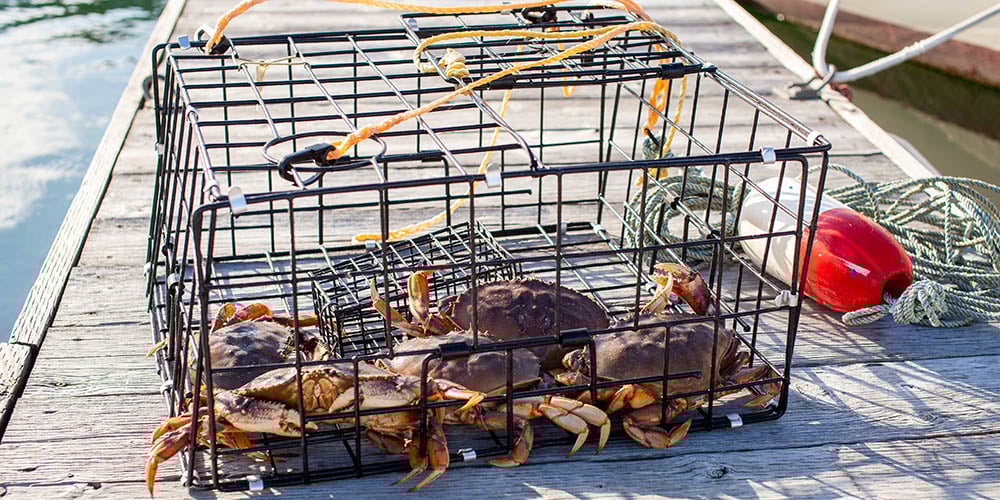
Dungeness crab are commonly found along the Pacific Coast in California, Oregon, and Washington.
The crab species available to you depends entirely on where you fish. Florida’s Blue Crab is a smaller species harvested year-round in warm Atlantic coastal waters. Alaska’s Red King Crab can reach a 5-foot leg span and is caught mostly in fall. Dungeness crab, prized for their flavor and size, dominate the West Coast from California to Alaska. Knowing your target species before you go determines everything else — the legal size limit, the season, the trap configuration, and even the ideal bait.
Familiarize yourself with local crabbing regulations before you go. Laws govern minimum legal size (measured by carapace width with a caliper), gender restrictions (female crabs are protected in most areas), bag limits, and season dates. Many areas also prohibit keeping egg-bearing females or require turtle exclusion devices on certain trap types. These rules vary significantly by state, county, and even specific water body.
Always obtain the required license before you drop a trap. Regulations change, so check your state’s Fish and Wildlife website for current rules each season — what was legal last year may have changed.
Equipment You’ll Need
Here is what goes into a complete crabbing setup and what to look for when choosing each item:
- Crab trap (pot): The most common design is a wire cage that collapses flat for storage and pops open when deployed. Look for heavy-gauge galvanized or vinyl-coated wire that resists corrosion. Trap size varies by target species — smaller collapsible traps work for Blue Crab; larger rigid pots are used for Dungeness. Check local regulations on allowed trap types and dimensions before purchasing.
- Escape rings: Wire rings built into the sides of the trap that allow undersized crabs to exit. Required by law in some states; good practice everywhere, as keeping undersized crab depletes future populations and can result in fines.
- Turtle excluder: A large escape opening designed to allow sea turtles to exit if they enter the trap. Required by law in certain regions, particularly along the Southeast Atlantic coast.
- Pull line: The rope that connects the trap to your float. Must be long enough to reach the bottom at your crabbing location plus extra for scope. Use a leaded or weighted line in areas with current to keep the line from lifting the trap or creating a hazard to propellers. 100–200 lb test line is appropriate for most recreational crabbing.
- Float/buoy: Marks the trap location at the surface. Required by law for unattended traps in most areas. Choose a bright color — orange, yellow, or lime green — for visibility. Label it with your name and contact information as required by most state regulations.
- Bait bag and tie: A mesh bag that holds the bait inside the trap. A bait box inside the trap slows the rate at which fish eat the bait, extending its effectiveness. Various securing options exist — snap ties, hog rings, zip ties — choose whatever keeps the bag firmly inside the trap.
- Crab caliper/gauge: Measures carapace width to confirm crabs meet the minimum legal size. Most states require crabs be at least 4.5–6.25 inches wide depending on species and location. Always carry one — guessing is not an option when there are fines involved.
- Bushel basket or cooler with lid: Holds your legal catch. A lid prevents crabs from escaping — they are surprisingly good climbers. A bushel basket topper lets you fill crabs to the legal bushel limit.
- Crab net: Useful for scooping crabs that fall out of the trap or escape in the boat before you can sort them.
- Weights: Dive weights or trap weights attached to the trap or line prevent the trap from being dragged by current. Important in tidal areas where current is significant.
- Electric or hydraulic pot puller: A powered line hauler that pulls the trap up from depth. Not essential for shallow-water recreational crabbing, but a significant advantage when pulling traps from 60–100+ feet or pulling many traps in a session.
Choosing the Right Bait
Crabs are attracted to strong-smelling, oily fish. The best bait varies somewhat by species and region, but a few options work consistently across most crabbing situations:
- Chicken necks and backs: The classic Blue Crab bait on the East Coast. Inexpensive, holds up well in the water, and the bone keeps crabs working at it longer than soft bait. Widely available at grocery stores.
- Fish frames and heads: Salmon carcasses, rockfish heads, and other oily fish are among the best baits for Dungeness crab on the West Coast. The oil and scent disperses in the water and draws crabs from a distance. Ask a fish market or cleaning station for discarded frames.
- Razor clams or clam necks: Effective for Dungeness in areas where clams are locally available. Secure them well in the bait bag as they attract crabs quickly but are eaten fast.
- Squid: Holds up well in the water, is widely available frozen, and works for multiple species. A good all-around choice when fresh fish bait is not available.
- Menhaden (bunker): An oily Atlantic fish that produces excellent scent. Used effectively for Blue Crab from the Chesapeake Bay to Florida.
Fresh or recently frozen bait outperforms old bait significantly. Replace bait that has been fully eaten or has been soaking for more than 24 hours. A bait box inside the trap slows consumption and keeps the scent flowing longer than an open bait bag.
How to Rig Your Trap
Setting up the trap correctly is as important as the equipment itself.
- Line length: Measure the depth at your crabbing spot (check nautical charts or use a depth finder) and add at least 25–50 percent extra for scope. In areas with strong tidal current, additional scope prevents the current from pulling the float and lifting the trap off the bottom.
- Securing the bait bag: Place the bait bag inside the trap’s bait box or secure it firmly to the interior frame with a tie, hog ring, or snap clip. A loose bait bag can be pulled out by crabs, ending the session early. A bait box slows how quickly the bait is eaten and produces a sustained scent trail.
- Weighting the trap: In areas with tidal current, attach dive weights or purpose-made trap weights to the trap frame. Weights keep the trap flat on the bottom and prevent it from tipping or drifting. A tipped trap often catches nothing.
- Float attachment: Tie the float to the free end of the pull line with a secure knot. A bowline is standard — it does not slip under load and is easy to untie. Watch our video on Beginner’s Guide to 5 Basic Boating Knots for the knots you need for crabbing.
- Labeling: Mark your float with your name and contact information as required by most state regulations for unattended traps.
Where to Set Your Trap
Location is one of the biggest factors in crabbing success. Crabs are bottom-dwellers that prefer specific habitat types:
- Bottom type: Most crab species prefer sandy or muddy bottoms where they can forage and bury. Rocky bottoms can snag traps and make retrieval difficult. Eelgrass beds are productive for Blue Crab. Consult nautical charts for bottom type information.
- Depth: Dungeness crab are commonly found in 60–300 feet of water along the West Coast, though recreational crabbers often work shallower water from 20–80 feet near inlets and bays. Blue Crab inhabit much shallower estuarine waters, often just a few feet to 20 feet deep in tidal creeks and bays.
- Current and structure: Crabs use tidal current to travel and forage. Setting traps along tidal channels, near pilings, at the mouths of inlets, and around submerged structure concentrates catch. Avoid setting traps where heavy current will drag them across the bottom.
- Local knowledge: Talk to local bait shops, tackle stores, and fishing piers. They know where crabs are running and what bait is working. This information is worth more than any chart.
- Legal placement: Keep traps out of marked navigation channels and away from private property boundaries. Many areas prohibit traps within certain distances of docks, marinas, and other structures.
How Long to Soak Your Trap
Soak time — how long the trap sits on the bottom before you pull it — depends on crab activity, bait type, and how many traps you are running.
- Recreational crabbing from a boat: Many crabbers set traps and pull them every 30–60 minutes, running multiple traps in rotation. This keeps bait fresh and prevents crabs from eating the bait and leaving. Active pulls during the best part of the tide (typically the first two hours of incoming or outgoing tide) produce the most catch.
- Overnight soaking: Traps can be left overnight in areas where this is legal. Use a bait box to slow bait consumption. Note that crabs left in traps too long can escape, die, or be eaten by predators entering the trap. Overnight soaking is more productive in areas with consistent crab populations and less suitable for beginners who may not know the local activity patterns.
- Tidal timing: Crabs move most actively during tidal changes. Many experienced crabbers set traps 1–2 hours before peak tide and pull at peak or just after. Slack tide periods often produce fewer crabs.
- Signs it’s time to pull: If you are running short soaks and repeatedly pulling empty traps, try a different location before assuming there are no crabs. If the bait is gone, move the trap to a fresh spot and re-bait.
What to Do After You Make Your Catch
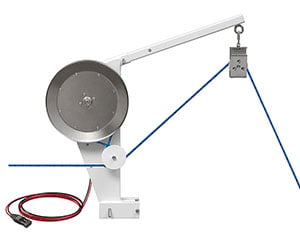
This 12-volt electric Line Hauler/Pot Puller has enough power to lift a full crab trap from depth.
If you are pulling many traps or working deep water, an electric or hydraulic pot puller conserves energy and reduces the risk of back and shoulder strain. A 12-volt electric puller bolts to a gunwale or transom and pulls the line at a consistent speed without manual effort.
Once the trap is at the surface, sort your crabs immediately:
- Use the caliper to measure carapace width on any crab you intend to keep. When in doubt, release it.
- Release egg-bearing females, undersized crabs, and any non-target species (turtles, octopus, fish) promptly and gently back into the water.
- Place legal keepers in a covered bushel basket or lidded cooler to prevent escape.
- Record your count or use the bushel to track your legal bag limit.
Keeping crabs alive in transit: Crabs must be kept alive until cooking — dead crabs deteriorate rapidly and should not be eaten. For trips up to two hours, bed a cooler with ice and place crabs on top. The cold slows their metabolism and keeps them alive without submerging them in ice water, which kills them.
For longer transit, place a towel soaked in seawater from their habitat over the crabs in an empty cooler and cover the towel with ice. Replenish the seawater periodically — crabs will use all available oxygen and die if the wet towel dries out. Keep crabs out of direct sun and wind, both of which are harmful. Never store crabs submerged in fresh water.
Crab Types by Region
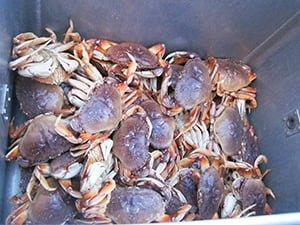
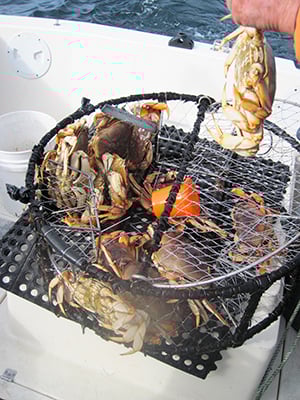
A load of Dungeness crab from the West Coast — one of the most prized recreational crab catches in North America.
The species you can target depends on your location. Here is a quick reference for the most commonly caught recreational crab species in U.S. waters, with key notes on season and characteristics:
- Blue Crab — Florida, Delaware, Maryland, Virginia (East Coast). Smaller but highly prized for their sweet flavor. Harvested year-round in warmer waters; peak season spring through fall in the Chesapeake Bay region.
- Dungeness Crab — Washington, Oregon, California. One of the most popular and flavorful Pacific species. Season typically opens in November–December and runs through spring; check state regulations as dates vary by zone.
- Red King Crab — Alaska (some found in Washington). The iconic large-legged crab of Alaska. Primarily a commercial species; recreational harvest is regulated strictly and limited to specific areas and seasons.
- Blue King Crab — Alaska (some found in Washington). Similar to Red King but less abundant; subject to the same strict recreational regulations.
- Golden King Crab — Alaska (some found in Washington). Smaller than Red King; found in deeper water. Limited recreational harvest.
- Snow Crab — Alaska, Maine. Prized for their long, sweet legs. Primarily a commercial species in Alaska; some recreational harvest in Maine.
- Jonah Crab — Maine, Rhode Island, Massachusetts. A large Atlantic crab with dense, flavorful claws. Growing in popularity as a recreational target as Blue Crab populations fluctuate in northern waters.
- Rock Crab — Maine (and northern East Coast to Canada). Smaller than Jonah; excellent flavor. Often caught incidentally while targeting lobster.
- Stone Crab — North Carolina, South Carolina, Georgia, Florida. Only the claws are harvested — the crab is returned to the water where it will regenerate the claw. Harvest season is October 15 through May 1 in Florida.
- Red Rock Crab — Washington, Oregon, Northern California. Smaller than Dungeness but readily caught in shallower water and makes excellent eating.
- Box Crab — Washington (and British Columbia). Less commonly targeted recreationally.
Ready to go crabbing? Shop our full selection of crabbing gear.
Frequently Asked Questions
Do I need a license to go crabbing?
In most U.S. states, yes — a saltwater or recreational fishing license is required for crabbing, and in some states a separate shellfish or crab license is additionally required. License requirements, fees, and bag limits vary by state. Check your state’s Fish and Wildlife website before your first trip. Penalties for crabbing without a license or keeping undersized or illegal crabs can be significant.
What is the best bait for crabbing?
On the East Coast for Blue Crab, chicken necks and menhaden are the most widely used baits. On the West Coast for Dungeness, fresh fish frames (salmon, rockfish) and squid are most effective. The key in all cases is a fresh, oily, strong-smelling bait — crabs locate food primarily by scent. Replace bait that has been fully consumed or has been soaking more than 24 hours.
How long should I leave my trap in the water?
For active recreational crabbing from a boat, 30–60 minute soak times with multiple traps in rotation is a common and effective approach. Traps can be left overnight where permitted, but use a bait box to slow bait consumption. Tidal changes are the most productive periods — set and pull traps around the first two hours of incoming or outgoing tide for best results.
How do I know if a crab is legal to keep?
Always measure carapace width with a crab caliper. Minimum legal size varies by species and location — commonly 4.5 to 6.25 inches across the widest point of the shell, measured point to point. Release any crab under legal size, any egg-bearing female, and any species you cannot positively identify. Carry a caliper and the current regulations for your area on every trip.
How do I keep crabs alive after catching them?
Do not submerge crabs in fresh water — it kills them quickly. For short transport, bed a cooler with ice and place crabs on top; the cold slows their metabolism without killing them. For longer transport, cover crabs in a cooler with a towel soaked in seawater and top with ice. Replenish the seawater periodically. Keep crabs away from direct sun and wind. Cook crabs as soon as possible after harvest for the best flavor.