

Earth Day is April 22.
Boaters depend on clean water, healthy coastlines and durable apparel that can stand up to sun, salt, wind and spray. As more outdoor and marine brands rethink how clothing, footwear and sunglasses are made, sustainability has become an important part of choosing what to wear on and around the water.
Sustainable boating apparel can include recycled fabrics, organic fibers, responsible down, reduced packaging, bio-based materials, lower-impact waterproofing and supply chain practices that support safer working conditions. For boaters, these efforts matter because the health of our waterways is directly connected to the products we use and the companies we support.
- Why Sustainable Apparel Matters
- Common Sustainable Clothing Materials
- prAna
- Columbia Sportswear
- Gill
- Costa del Mar
- Teva
- How to Choose More Sustainable Boating Apparel
- How to Make Marine Apparel Last Longer
- Sustainable Clothing FAQ
On April 22, 1970, Walter Cronkite opened a CBS News special titled “A Question of Survival,” marking the first Earth Day and helping define the beginning of the modern environmental movement. Since then, sustainability has become a major focus for consumers, manufacturers and outdoor brands.
The United States EPA defines sustainability as a concept based on the principle that everything needed for human survival and well-being depends directly or indirectly on the natural environment. For boaters, that connection is easy to understand: clean oceans, rivers, lakes and coastlines are central to the boating experience.
Why Sustainable Apparel Matters
Marine and outdoor apparel must perform in demanding conditions. It needs to resist sun exposure, saltwater, rain, wind and repeated use. Historically, many performance materials relied on resource-intensive manufacturing, synthetic fibers, chemical treatments and packaging that created environmental concerns.
Today, many apparel brands are working to reduce their impact by using recycled materials, improving factory practices, reducing waste, managing chemicals more carefully and designing products that last longer. These changes help reduce pressure on natural resources while still giving boaters the performance they need.
As a supplier of boating-related apparel, West Marine is associated with manufacturers working in a variety of ways to reduce environmental impact, conserve resources and support a more sustainable future. Examples include prAna, Columbia Sportswear, Gill, Teva and Costa del Mar.
Common Sustainable Clothing Materials
Sustainable apparel can take many forms. Some brands focus on recycled synthetic fabrics, while others use organic or natural fibers, bio-based resins or reduced-impact coatings.
- Recycled polyester: Often made from post-consumer plastic bottles and used in shirts, outerwear and activewear.
- Recycled nylon: Can be sourced from discarded fishing nets and other nylon waste.
- Organic cotton: Grown with practices that reduce reliance on certain synthetic pesticides and fertilizers.
- Hemp: A durable natural fiber often used in casual outdoor apparel.
- Responsible down: Down sourced under animal welfare standards such as the Responsible Down Standard.
- Bio-based resin: Used in some sunglass frames as an alternative to petroleum-based plastics.
- Lower-impact water-repellent treatments: Designed to reduce reliance on chemicals of environmental concern.

prAna's business model has embraced sustainability since their beginning.
prAna: Clothing for Positive Change
Sustainability has been at the core of prAna’s business model since the company was founded in 1992. The brand focuses on materials and practices such as organic cotton, hemp, responsible packaging, chemical management and fair trade certified production.
prAna’s approach recognizes that every garment has a larger story, from the fields where fibers are grown to the factories where clothing is assembled and the packaging used to ship finished products. For boaters and outdoor enthusiasts, prAna offers apparel designed for active lifestyles while emphasizing responsibility across the product lifecycle.
Columbia Sportswear: Doing the Right Thing
Columbia Sportswear focuses its sustainability work around people, places and products. These efforts include supporting communities, managing environmental impacts and developing products designed to help people enjoy the outdoors longer.
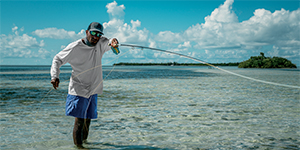
Columbia Sportswear products are designed for outdoor use, including fishing, boating and coastal activities.
Columbia’s sustainability initiatives include programs focused on empowering people, sustaining places and innovating products. Examples include work with nonprofit partners, environmental impact management, responsible manufacturing practices and product innovations that reduce environmental impact.
Columbia also supports responsible sourcing through programs such as the Responsible Down Standard, which recognizes animal welfare practices and verifies responsible sourcing across the supply chain. The brand has also developed waterproof-breathable rainwear made without intentionally added PFCs in select product lines.

Made with 98% recycled materials, Gill's OS2 System is one of their most sustainably produced product lines. Shown: Men's OS25 Offshore Jacket.
Gill: Reducing Impact on the Marine Environment
As a marine brand, Gill has a direct connection to oceans, beaches and coastlines. The company’s environmental commitments include reducing plastic waste, improving sourcing practices and offering apparel made with recycled materials.
Gill has developed apparel items made from recycled PET plastic bottles, including performance layers and rash vests. The brand also works with suppliers through its Corporate Code of Conduct, which requires commitments to safe and fair working conditions and is monitored through social audits.
Gill also adheres to the Responsible Down Standard, sourcing down from birds that have not been live plucked, force fed or subjected to unnecessary harm.
Costa del Mar: Helping Untangle the Oceans
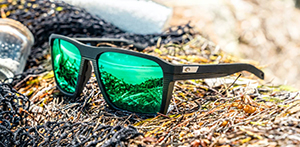
Costa's Untangled collection of sunglasses is made from recycled fishing nets. Shown: Antille sunglasses with Net Black Frames and Polarized Green Mirror Lens.
Costa del Mar has long focused on ocean conservation and reducing plastic pollution. The brand has partnered with organizations and volunteers to remove trash from beaches and waterways, including plastic bottles, discarded fishing gear and other debris.
Costa also uses bio-based resin in its sunglass frames, which can reduce emissions and carbon footprint compared with petroleum-based resin. Its Untangled collection uses recycled nylon fishing nets, helping address one of the most damaging forms of ocean pollution while turning waste into durable eyewear.
Teva: Reducing Footprint Through Recycled Materials

Since 2020, Teva has diverted millions of plastic bottles from landfills and put them to use in sandal straps.
Teva focuses on recycled materials, reduced water usage, recycling programs and packaging reductions. One of the brand’s most visible efforts is making its iconic sandal straps from recycled plastic.
Teva also offers a sandal recycling program that allows customers to return worn-out sandals so they can be kept out of landfills and repurposed into materials for running tracks, playgrounds and other uses. Since 2017, the brand has also reduced the total weight of its packaging by millions of pounds.
How to Choose More Sustainable Boating Apparel
When shopping for boating clothing, sustainability should be considered alongside performance, comfort and durability. Apparel that performs well and lasts longer can reduce replacement frequency, which is one of the most practical ways to reduce waste.
- Look for recycled materials: Shirts, outerwear, rash guards and sandals may include recycled polyester, recycled nylon or recycled plastic components.
- Check for responsible sourcing: Certifications such as Responsible Down Standard help verify sourcing practices.
- Choose durable gear: Long-lasting apparel is often more sustainable than cheaper gear that wears out quickly.
- Consider lower-impact waterproofing: Some rainwear uses water-repellent treatments made without intentionally added PFCs.
- Support repair and recycling programs: Brands that offer recycling or takeback programs can help reduce landfill waste.
- Buy for your actual use: Match the clothing to your boating conditions so it performs properly and lasts longer.
How to Make Marine Apparel Last Longer
Extending the life of boating clothing is one of the simplest sustainability steps boaters can take. Salt, sun, sunscreen, fish slime and repeated washing can shorten the life of performance apparel if it is not cared for properly.
- Rinse saltwater clothing and footwear with fresh water after use.
- Let apparel dry fully before storage.
- Follow garment care labels for washing and drying.
- Avoid unnecessary high-heat drying when possible.
- Store sunglasses in a protective case.
- Repair minor damage before it becomes unusable.
- Recycle or donate usable clothing when replacing gear.
Other Brands Working Toward a Sustainable Future
Several additional marine and outdoor brands are also working to reduce environmental impact. Examples include Grundéns using biodegradable packaging, XTRATUF using plant-based Yulex® Foam in select Ankle Deck Boot ECO styles, and sustainable options from Quiksilver Waterman and Roxy swimwear.
Conclusion
Sustainable clothing is not limited to one fabric, one brand or one product category. It includes better material choices, improved sourcing, reduced packaging, recycling programs, responsible manufacturing and durable products that stay in use longer.
For boaters, choosing more sustainable apparel is one way to support cleaner waterways and healthier outdoor spaces. By selecting durable gear from brands that are working to reduce their impact, and by caring for that gear properly, boaters can help support the places they love to explore.
Sustainable Boating Clothing FAQ
What makes clothing more sustainable?
Clothing may be considered more sustainable when it uses recycled, organic or responsibly sourced materials, reduces chemical impact, minimizes packaging, supports fair working conditions or is designed to last longer.
Why does sustainable apparel matter for boaters?
Boaters depend on clean oceans, rivers, lakes and coastlines. Apparel made with recycled materials, responsible sourcing and reduced waste practices can help lower environmental impact.
What are common recycled materials in boating apparel?
Common recycled materials include recycled polyester from plastic bottles, recycled nylon from fishing nets and other recovered materials, and recycled components used in footwear and accessories.
Are sustainable boating clothes still durable?
Yes. Many sustainable marine apparel products are designed for sun, salt, wind and water exposure. Durability is an important part of sustainability because longer-lasting clothing reduces replacement needs.
How can I make boating apparel last longer?
Rinse clothing and footwear after saltwater use, follow care labels, dry gear before storage, avoid unnecessary heat and repair minor damage before replacing items.