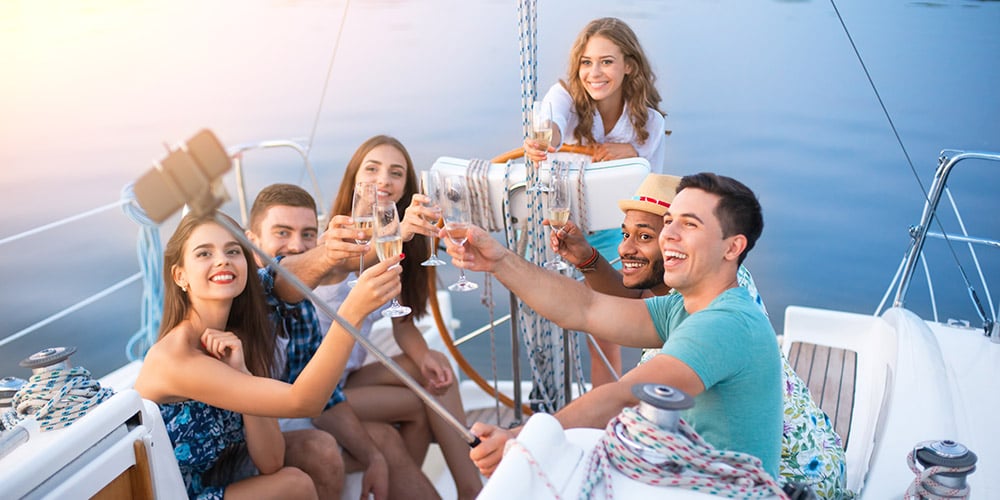
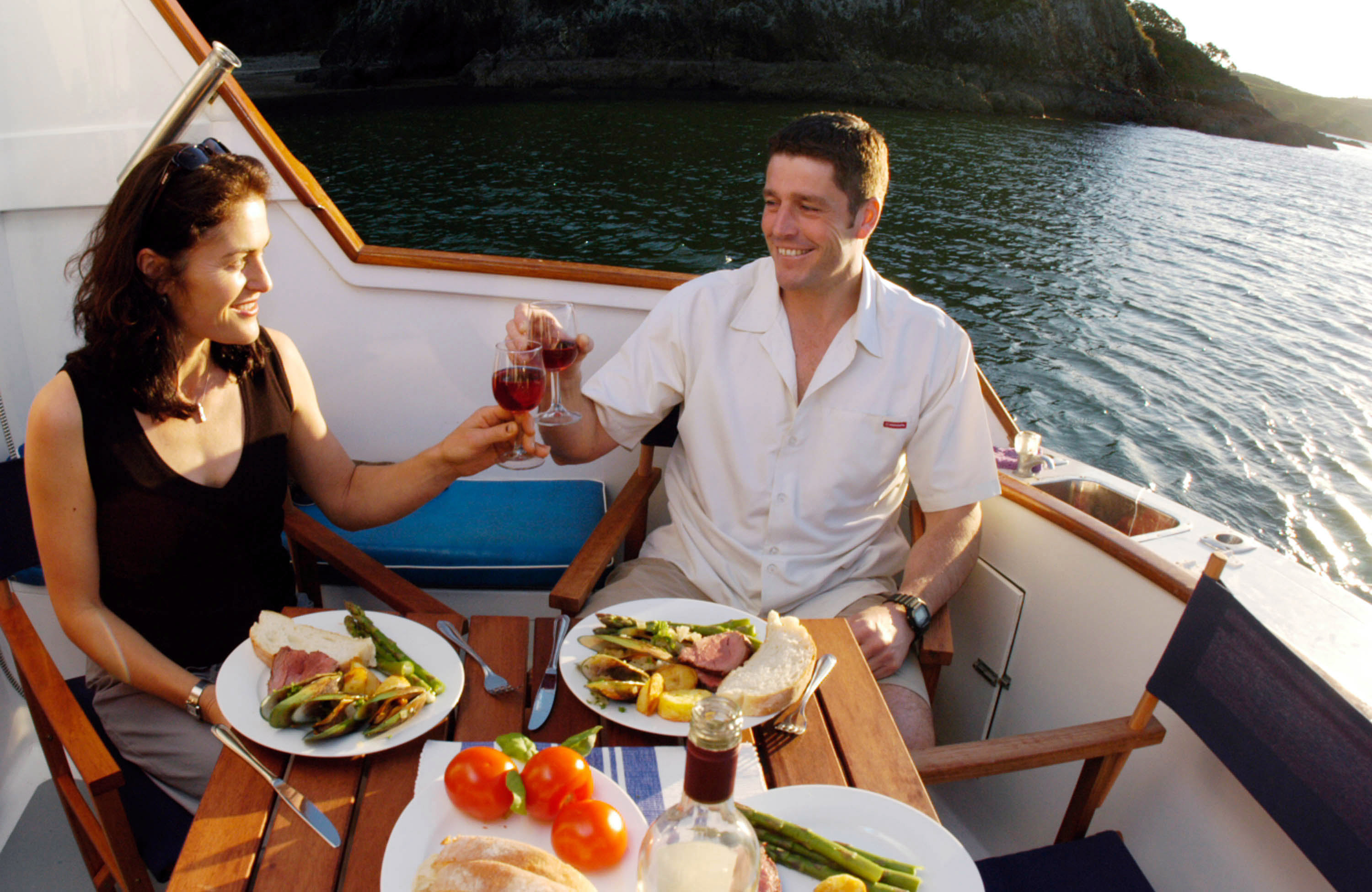
Mention the fact that you own a boat and invariably your friends’ eyes will light up. People are excited and attracted by the romance and adventure that boats represent and, regardless of your boat’s size or type, most will jump at the chance to attend a floating party. Attracting guests is easy. However, a bit of planning and preparation is required to assure a hassle-free event.
Entertaining aboard is different from hosting at home. Space is tighter, storage is limited, weather matters more, and safety responsibilities increase the moment guests step aboard. A successful boat gathering depends on planning the menu, organizing the galley, preparing the cockpit or deck, checking safety gear and making sure every guest understands basic onboard rules.
- Getting Ready
- Plan Around Your Boat and Guest Count
- Food Preparation
- Coolers, Ice and Food Safety
- Ambiance
- Creature Comforts
- Enjoy Yourself and Be Safe
- Boat Party Checklist
- Common Entertaining Aboard Mistakes
- Entertaining Aboard FAQs
Getting Ready
When preparing a boat for entertaining, try to maximize the available space. To eliminate cardboard clutter, food items should be removed from their packaging and placed in dedicated, airtight, food-grade polyethylene or plastic containers. Of course, this will also help to keep these items fresh. When organizing your boat, keep this maxim in mind: “a place for everything and everything in its place.”
Compared to the cupboards in your home, boat cabinetry is built to a smaller scale, so it’s important to select galley items that will actually fit in these spaces. Fortunately, the marine marketplace offers a wide range of utensils, ovenware and other items that will do just that. Items to consider include a nesting set of pots and pans, small size folding dish racks and nesting bowls that double as storage containers.
Opinions differ on dinnerware selection. Some boaters, including experienced cruisers, prefer crockery plates as a way to impart a touch of home to their tables. However, this can be risky on a pitching, yawing boat. Instead, we suggest you consider non-skid tempered glass or melamine dinnerware. Melamine is virtually unbreakable; and with the added advantage of non-skid feet, your culinary masterpiece won’t wind up in your lap or on the cabin sole.
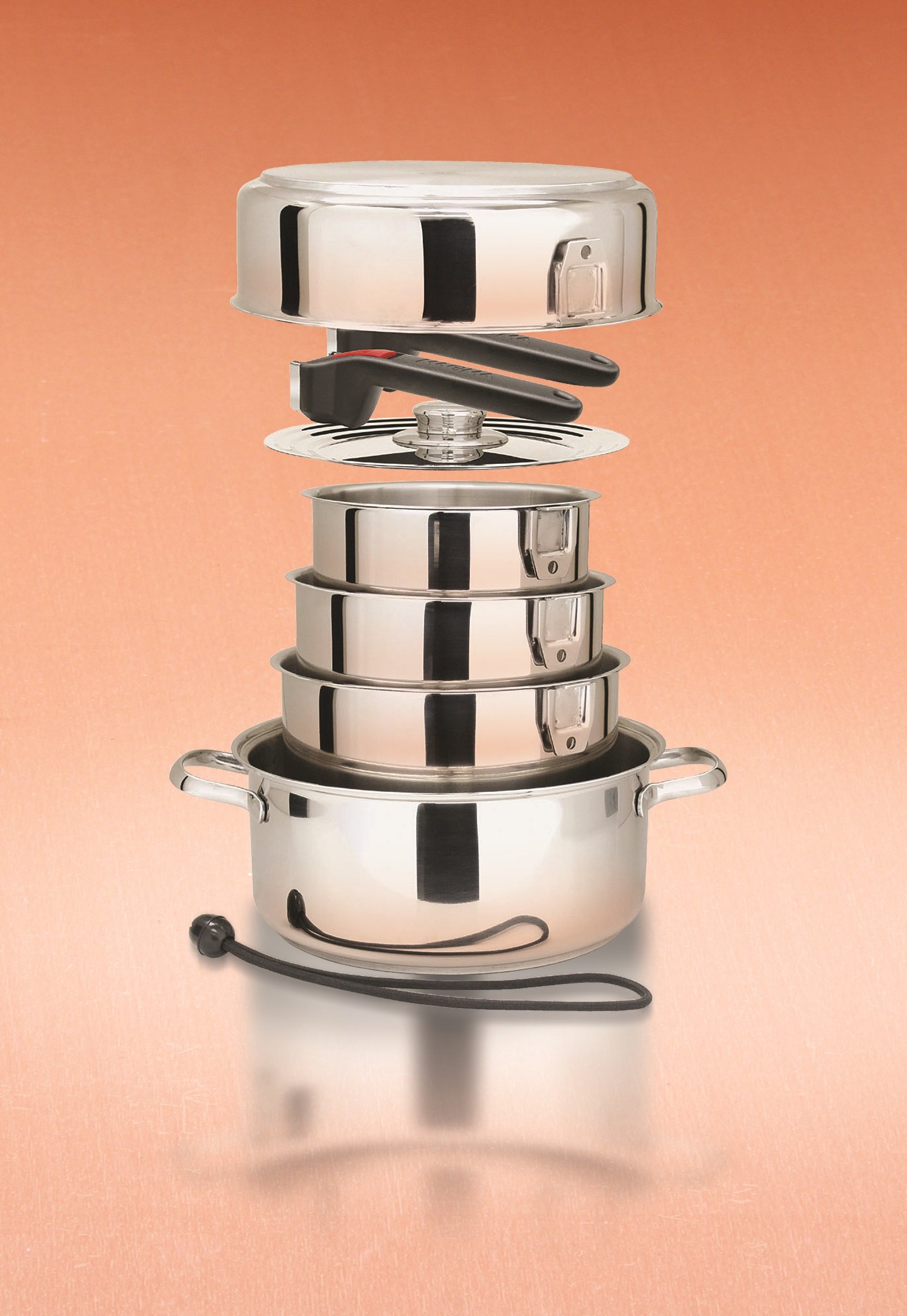
Nesting pots and pans save space in tight galley spaces.
Plan Around Your Boat and Guest Count
Before planning food, drinks or music, decide what kind of gathering your boat can comfortably support. A dockside cocktail hour, a sunset cruise, a raft-up, a beach picnic and a dinner aboard all require different planning. Guest count should be based on actual seating, safe movement around the deck and the number of life jackets aboard, not simply how many people want to come.
For smaller boats, keep the event simple. Finger foods, pre-made dishes and cooler-packed drinks are easier than a full cooked meal. Larger boats with galleys, refrigeration and cockpit seating can support more elaborate menus, but even then, the best onboard entertaining usually favors food that is easy to serve, easy to hold and unlikely to spill.
Before guests arrive, clear walkways, stow loose gear, remove unnecessary tackle or tools and make sure dock lines, fenders and boarding areas are secure. If guests are unfamiliar with boats, give them a quick orientation when they step aboard: where to sit, where to hold on, where the head is located, where trash goes and what areas to avoid.
Good Boat Party Formats
- Dockside gathering: Best for larger groups, uncertain weather or guests who are new to boating.
- Sunset cruise: Best for simple snacks, drinks and a short, scenic route.
- Anchored cookout: Best for grilling, swimming, paddleboards and relaxed afternoons.
- Raft-up: Best for experienced boaters with proper fenders, lines and anchoring plans.
- Dinner aboard: Best for small groups where seating and galley space are adequate.
Food Preparation
If your boat is equipped with a propane range or grill, check to ensure that your LPG reserves are adequate for the event. The only way to accurately gauge this is by weighing the fuel tank. The pressure gauge remains relatively constant at all fuel levels, so it is not a useful indicator of how much fuel you have. You should also note the size of the oven. Most marine ovens will not accept standard cookie sheets or roasting pans, but as mentioned, ovenware of the correct size is available.
If you plan on entertaining at the dock or during a day cruise, one way to minimize the work is to prepare as much of the meal as possible in advance. If your boat lacks a galley, or if you wish to limit the use of yours, consider installing a marine grill. This can be of the charcoal-burning type, but for convenience, propane is best. They are easy to install and are a great way to free up the galley for secondary dish and salad preparation.
The innovative design of some of these barbecues permits use of standard pots and pans, so in addition to standard grilling, you can fry, sauté, simmer, stew and even bake. Perishables, especially meats, should be kept cold until ready to cook or reheat. If your boat doesn't have refrigeration, a cooler with plenty of ice will do the trick.
Choose foods that work with the motion and layout of a boat. Skewers, sandwiches, wraps, pre-cut fruit, grilled seafood, pasta salad, chips and dips, and individual portions are easier to manage than plated meals with multiple components. Avoid foods that require extensive knife work, last-minute prep or fragile presentation.
Easy Foods for Entertaining Aboard
- Pre-made wraps or sandwiches
- Grilled shrimp, fish, chicken or vegetables
- Cheese, crackers and fruit trays
- Pasta salad or grain salad in lidded containers
- Pre-cut vegetables with dip
- Snack packs for kids
- Individually wrapped desserts
- Plenty of bottled water or reusable water bottles
Coolers, Ice and Food Safety
Food safety matters more on a boat because refrigeration space is limited and food often sits in warm cockpits or cabins. Keep raw meat, seafood and poultry separate from ready-to-eat foods. Use sealed containers, freezer packs and enough ice to keep perishables cold until cooking time.
For longer outings, consider using two coolers: one for drinks and one for food. The drink cooler will be opened constantly, which allows cold air to escape. Keeping food in a separate cooler helps maintain safer temperatures and prevents repeated handling of perishable items.
Helpful cooler practices include:
- Pre-chill drinks before loading the cooler.
- Use block ice or frozen gel packs for longer cold retention.
- Store raw proteins in leakproof containers.
- Keep the cooler shaded whenever possible.
- Open coolers only when necessary.
- Use a separate small cooler for frequently accessed drinks.
- Pack trash bags and wipes for cleanup.
Ambiance
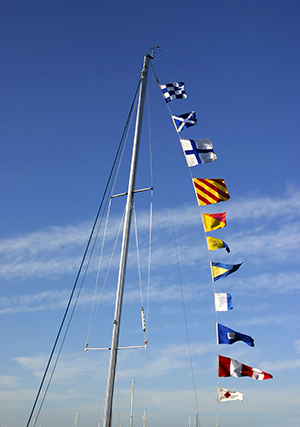
Proclaim your party with a colorful set of nautical code flags.
Creating the right ambiance for entertaining is easy, as your boat and the water will have done most of the work for you. Boats, after all, ARE ambiance. A fun touch at the dock is a nautical-themed welcome mat. These mats are available in vinyl or embroidered polyester. In addition to providing a colorful welcome to your guests, they will help ensure that your guests don’t track dirt and sand onto your deck.
For daytime, consider “dressing ship” with a colorful set of Nautical Code Flags. When night falls, you can enhance the atmosphere with the warm glow of a kerosene lantern below decks or hang a traditional anchor light at the stern.
If the cry of gulls or the sweet sound of water lapping against the hull isn't enough, then bump it up a notch with a marine stereo. Unlike automotive stereos, marine stereos feature circuit boards that are coated against corrosion. Recent innovations include multi-zone control, so you can adjust the output to satisfy your guests above and below decks. Complement the stereo with one or more pairs of marine speakers. In addition to being waterproof, marine speakers are now available with full-spectrum programmable LED backlighting so you can create a multi-color backdrop to your evening soirée.
Lighting should be functional as well as attractive. Courtesy lights, cockpit lights, underwater lights and low-level LED accent lighting can help guests move safely around the boat after dark without destroying the relaxed evening atmosphere.
Creature Comforts
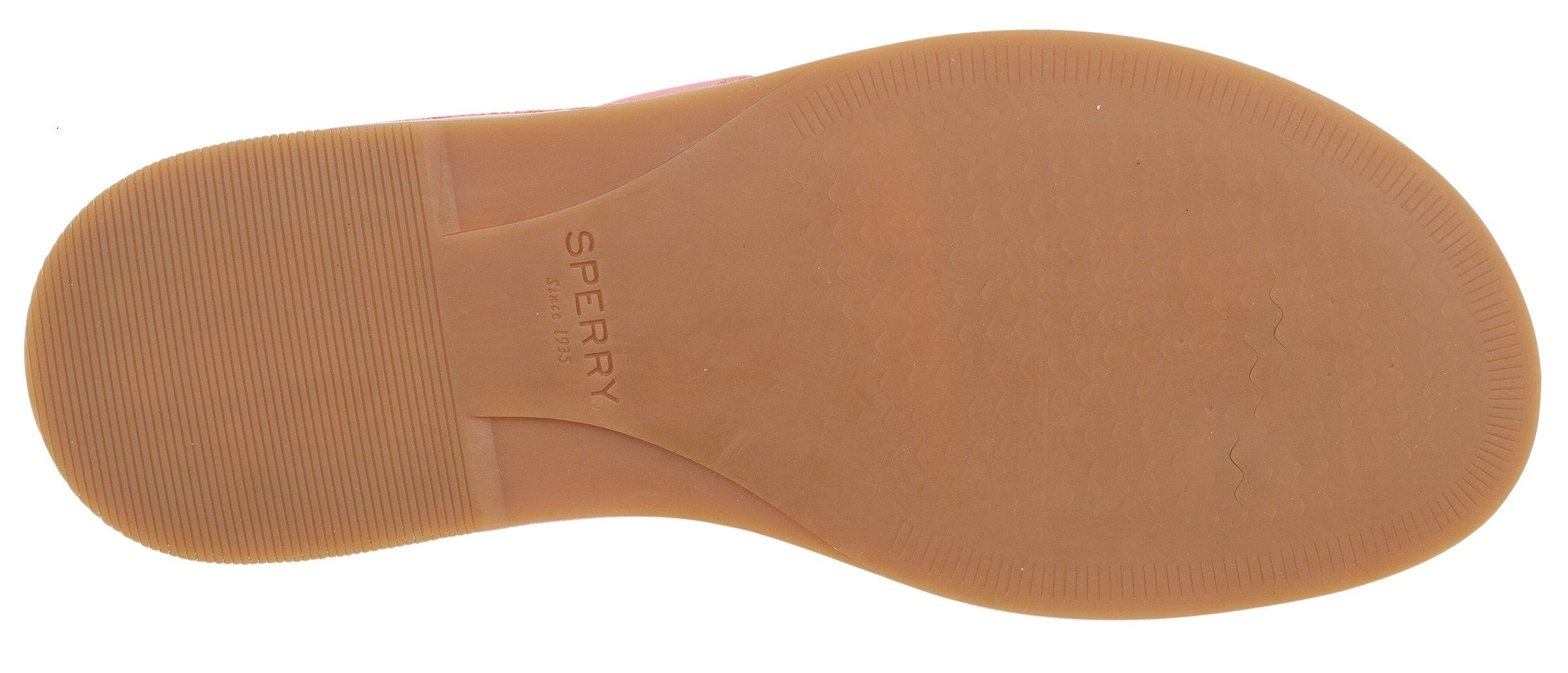
Since 1935, nonmarking soles of Sperry® boat shoes with Wave Siping™ have provided boaters with excellent traction on deck.
For your guest’s comfort, and to avoid the unsightly black marks that footwear can leave on gelcoat, encourage your guests to wear soft, non-marking shoes. If you own a trawler or other large vessel, providing a boarding ladder or dock steps is a thoughtful touch, particularly for older guests.
Plan for the weather. Small boat gatherings are normally indoor-outdoor events, with the overflow of guests spilling out into the boat’s cockpit. This is wonderful on a warm day, but in case the air takes a chill, it’s good to keep an extra coat or blanket on hand. Other items to have on hand include sun block and an extra pair of sunglasses.
Comfort also includes shade, seating and motion management. If guests are new to boating, choose a calm day and avoid long runs in rough water. Keep extra towels aboard, provide a dry place for bags and phones, and make sure guests know where they can safely sit while underway.
Comfort Items Worth Having Aboard
- Extra towels
- Blankets or lightweight jackets
- Sunscreen and lip balm
- Spare polarized sunglasses
- Bug spray for evening events
- Dry bags for phones and personal items
- Non-skid mats or cockpit flooring
- Motion sickness remedies for guests who may need them
Enjoy Yourself and Be Safe
When having fun on the water it is important to put safety first. If your party will include the consumption of alcohol, drink responsibly and when away from the dock, make sure there is a qualified non-drinking person at the helm. Equipment violations can be costly, so make sure your boat is “Coast Guard-legal” by equipping it with all required safety gear and by meeting life jacket requirements for every person onboard.
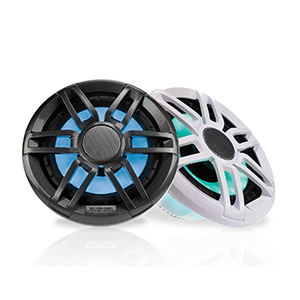
Backlit speakers help to set the mood.
Before guests arrive, confirm that you have properly sized life jackets for everyone aboard, working navigation lights if you will be out after dark, a charged VHF radio or reliable communication device, a first aid kit, fire extinguishers, a throwable flotation device and adequate dock lines and fenders. If children will be aboard, assign adults to watch them and make sure they wear life jackets near the water.
Set expectations early. Guests should know where they can move while underway, when they need to stay seated, how to use handholds and why they should not stand on seats, gunwales or swim platforms while the boat is moving. A quick safety briefing keeps the tone relaxed while preventing avoidable problems.
The excitement of catching a big fish, riding a wake or rounding a mark are all part of the enjoyment of owning a boat. So are the good times and more importantly, the friendships you will forge when you entertain aboard.
Boat Party Checklist
- Confirm guest count and available life jackets.
- Check weather, tides and expected wind conditions.
- Top off fuel, water and propane if needed.
- Charge batteries and portable electronics.
- Inspect dock lines, fenders and boarding setup.
- Prepare food in advance and pack it in sealed containers.
- Use separate coolers for food and drinks.
- Pack sunscreen, towels, trash bags and wipes.
- Clear clutter from walkways, cockpit seating and the galley.
- Test stereo, lights and navigation equipment.
- Review safety gear before guests arrive.
- Assign a qualified, sober operator if leaving the dock.
Common Entertaining Aboard Mistakes
- Inviting too many guests: A crowded boat becomes uncomfortable and harder to manage safely.
- Cooking too much onboard: Prep as much as possible at home to reduce galley congestion.
- Underestimating ice needs: Drinks, food and hot weather use more ice than expected.
- Forgetting non-boater comfort: New guests may need guidance on footwear, motion sickness and where to sit.
- Skipping the safety briefing: A short explanation of basic rules prevents confusion once underway.
- Ignoring cleanup planning: Trash bags, wipes and containers make cleanup faster and keep food scraps out of the water.
Additional Reading
For over 30 years, West Advisor articles have helped boaters make sound choices when selecting gear. Here are a few articles you may find helpful when preparing to entertain aboard:
- Selecting a Marine Stereo
- Selecting a Marine Grill
- Safe Propane Installations
- Selecting Boating Flags
- Buyers Guide to Coolers
- U.S. Coast Guard Required Equipment for Recreational Vessels
Entertaining Aboard FAQs
What should I prepare before hosting guests on a boat?
Prepare the boat by clearing clutter, checking safety gear, confirming life jackets for every guest, organizing food in sealed containers, packing enough ice, checking fuel and propane levels, and making sure dock lines, fenders and boarding areas are secure.
What food is best for a boat party?
The best food for a boat party is simple, portable and easy to serve. Wraps, sandwiches, grilled seafood, pre-cut fruit, pasta salad, chips, dips and individual desserts work well because they require minimal prep and are easy to manage in limited space.
How do I keep food cold while entertaining aboard?
Use a quality cooler with plenty of ice or frozen gel packs, keep food and drinks in separate coolers, store raw proteins in leakproof containers and keep coolers shaded. Open coolers only when needed to maintain cold temperatures longer.
Can I use a regular grill on a boat?
A regular household grill is not recommended for boat use. Marine grills are designed for mounting, movement, wind exposure and marine conditions. They are a safer and more practical choice for cooking aboard.
What should guests wear to a boat party?
Guests should wear comfortable clothing, sun protection and soft, non-marking shoes. Avoid black-soled shoes that can mark gelcoat, and bring a light jacket or layer for cooler evening conditions.
How many people can I safely entertain on my boat?
The safe number of guests depends on the boat's rated capacity, available seating, free movement space and required safety equipment. Do not exceed the boat's capacity plate, and make sure you have properly sized life jackets for everyone aboard.
What safety gear do I need for entertaining aboard?
At minimum, confirm that you have life jackets, a throwable flotation device, fire extinguishers, sound-producing devices, navigation lights if operating after dark, a first aid kit and a reliable communication device such as a VHF radio.
How can I make a boat party more comfortable for guests?
Provide shade, cold drinks, sunscreen, towels, secure seating, clear walkways and a simple orientation for guests who are new to boating. Keep the route short and calm if guests are unfamiliar with being on the water.