
Adjustable Genoa Leads
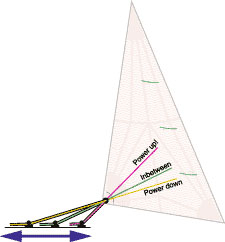
Most production sailboats have aluminum T-tracks that allow genoa leads to move fore and aft depending on sail size, sheet angle, wind strength and point of sail. Genoa lead position has a major effect on sail shape because it changes how sheet tension is distributed between the foot and leech of the sail. Small adjustments can dramatically affect pointing ability, acceleration, helm balance, heel angle and overall efficiency.
Many sailors underestimate how important genoa lead position becomes once conditions begin changing. A lead position that works well in steady moderate breeze may become inefficient in lighter air, stronger wind, heavy chop or when sailing with a partially furled genoa. Adjustable leads allow sailors to continuously fine-tune sail shape instead of settling for a compromise trim setting.
How Genoa Lead Position Affects Sail Shape
The position of the genoa lead controls the angle at which the sheet loads the clew of the sail. Moving the lead forward increases downward pull on the clew, tightening the leech and reducing twist in the upper portion of the sail. This creates a fuller, more powerful sail shape that helps acceleration in lighter wind and rougher seas.
Moving the lead aft increases horizontal pull along the foot of the sail, allowing the upper leech to open and twist off more freely. This helps depower the sail in heavier breeze, reduces excessive heel and improves airflow between the genoa and mainsail. Correct lead placement helps maintain balanced sail shape from top to bottom instead of overloading one section of the sail.
Signs Your Genoa Lead is Too Far Forward
When the lead is too far forward, the upper telltales may stall before the lower telltales, indicating excessive leech tension. The boat may feel overpowered, heel excessively or develop increased weather helm. In stronger wind, a forward lead can also close the upper leech too much, disrupting airflow and reducing efficiency.
Another common sign is difficulty maintaining speed while pointing high. The sail may appear powerful, but excessive leech tension can actually choke airflow and reduce overall performance. Many sailors instinctively trim the sheet harder when the real solution is adjusting the lead position aft.
Signs Your Genoa Lead is Too Far Aft
When the lead is too far aft, the lower telltales often stall before the upper telltales because the foot becomes over-trimmed while the upper leech twists open excessively. This can reduce power and make the boat feel underpowered in light conditions.
An aft lead can also cause the top of the sail to spill too much wind, reducing pointing ability and making acceleration sluggish after a tack. In choppy conditions, insufficient power low in the sail may cause the boat to lose momentum more easily.
Adjusting Genoa Leads After a Tack
One of the biggest advantages of adjustable genoa leads is the ability to actively shape the sail as the boat accelerates after a tack. Many experienced trimmers move the lead slightly forward immediately after the tack to increase power and help the boat regain speed. As speed builds, the lead can gradually move aft to flatten the sail, reduce drag and improve pointing.
This constant adjustment process is one reason performance-oriented sailors place so much emphasis on lead systems that can be adjusted easily under load. Sail controls that are easy to reach and simple to use are far more likely to be adjusted properly throughout changing conditions.
Why Adjustable Genoa Leads Matter on Roller Furling Systems
Cruisers with roller furling genoas benefit significantly from adjustable lead systems because the geometry of the sail changes every time the sail is partially furled. As the sail rolls up, the clew rises and moves forward, altering the sheeting angle dramatically.
If the lead position remains fixed while reefing the genoa, the sail shape often becomes distorted. The upper leech may twist excessively while the foot becomes too tight, reducing efficiency and increasing heel. Adjustable leads allow sailors to reposition the sheet angle to better match the reduced sail plan.
Ball Bearing Genoa Cars vs. Traditional Lead Blocks
There are three common ways to improve genoa lead adjustment. The best option is usually a ball bearing lead car system because it can move smoothly while the sail remains loaded. Ball bearing systems reduce friction and make small trim adjustments easier, especially in stronger breeze where sheet loads become substantial.
Another option is a lead block system with low-friction plastic inserts. These systems are simpler and often less expensive, but they may require easing the sheet before moving the car. A third, older method is using two cars and reeving a short sheet into a new location manually. While effective, this method is slower and less practical during active sail trim adjustments.
Using Purchase Systems for Lead Adjustment
Many adjustable lead systems use a small purchase arrangement to pull the lead car forward or ease it aft under tension. This setup allows the trimmer to make precise adjustments without leaving the cockpit or unloading the sail completely.
Purchase systems are especially valuable offshore or when short-handed because they reduce physical effort while allowing more active sail trim management. On larger boats with high sheet loads, mechanical advantage becomes critical for making quick adjustments safely and efficiently.
How Genoa Leads Affect Helm Balance
Proper lead adjustment not only improves sail efficiency, but also affects how balanced the boat feels on the helm. Poorly trimmed headsails can create excessive weather helm, increase rudder drag and make the boat harder to steer efficiently.
A balanced sail plan reduces steering effort, improves autopilot efficiency and allows the boat to track more smoothly through waves. Cruisers often notice that proper lead positioning makes long passages less fatiguing because the boat feels calmer and more balanced overall.
Adjustable Genoa Leads for Cruising vs. Racing
Racing sailors use adjustable leads aggressively because constant sail trim optimization can produce measurable gains in speed and pointing. Cruising sailors may adjust less frequently, but still benefit greatly from easier trim control, better balance and improved comfort underway.
Even on cruising boats, adjustable leads become valuable when sailing in changing wind conditions, crossing choppy water or balancing partially reefed sail plans. The ability to depower or power up the headsail without changing sails entirely gives cruising crews much more flexibility.
Continuous Support Luffs
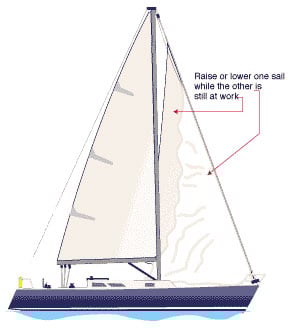
If you are still using a hanked-on jib, you may wonder what it is like to use a smooth, hankless headstay system such as those from Tuff Luff and Harken. Continuous support luff systems replace individual hanks with a foil or twin-groove headstay system that supports the luff evenly from tack to head. This creates a smoother sail entry, reduces windage and helps the headsail maintain a cleaner aerodynamic shape.
For performance sailing, eliminating the scallops and turbulence caused by hanks can noticeably improve airflow attachment along the leading edge of the sail. Cleaner airflow improves pointing ability, acceleration and efficiency, particularly when sailing upwind where sail entry shape matters most.
Why Continuous Support Luffs Improve Aerodynamics
Traditional hanked-on sails create small interruptions along the forestay where each hank slightly disturbs airflow. While these interruptions may seem minor, they can affect how smoothly air attaches to the front of the sail.
A continuous support luff creates a cleaner, more consistent leading edge that helps airflow remain attached longer across the sail surface. This can improve lift generation, reduce drag and produce more stable sail shape in varying wind conditions.
How Twin-Groove Systems Help Sail Changes
Many continuous support luff systems use twin grooves that allow sailors to hoist one sail while dropping another simultaneously. This means the boat does not need to go completely bald-headed during a sail change, helping preserve speed and control.
For racers, this is a major advantage because sail changes happen faster and more smoothly. Offshore sailors also appreciate maintaining control during heavy-weather headsail changes when keeping the boat balanced is critical.
Continuous Support Luffs vs. Roller Furling
Continuous support luff systems are often compared with roller furling systems because both eliminate traditional hanks. However, they serve somewhat different purposes. Roller furling systems prioritize convenience and sail area reduction, while continuous support luffs prioritize sail shape and fast sail changes.
Performance sailors often prefer dedicated headsails on a twin-groove system because sail shape remains cleaner than a partially furled genoa. Cruisers, however, may prefer roller furling for easier sail handling and reefing convenience.
Advantages of Hanked-On Headsails
Despite the aerodynamic benefits of continuous support luffs, hanked-on sails still offer advantages. Hanks keep the sail attached to the forestay when lowered, which makes sail handling simpler for short-handed crews and reduces the chance of losing control of the sail on the foredeck.
Many cruisers also appreciate the simplicity, reliability and lower cost of hanked systems. Hanked sails are easy to store in sail bags and can be changed without specialized foil systems or hardware.
Best Setup for Racing vs. Cruising
Racing crews and performance-oriented sailors often prefer continuous support luffs because they improve sail shape and allow fast sail inventory changes during racing conditions. Cruisers and short-handed sailors may prefer hanked sails because they are simpler to manage and easier to secure on deck.
The best system depends on sailing style, crew size, headsail inventory and how frequently sail changes occur. Sailors focused on maximum efficiency and performance often prefer continuous support systems, while sailors prioritizing simplicity and ease of handling may remain loyal to hanks.
When to Upgrade Your Headsail System
If your current headsail setup makes trimming, reefing or changing sails difficult enough that adjustments are frequently avoided, upgrading the lead system or luff support system may improve both performance and ease of use. Modern sail handling systems are not just about speed; they help sailors make adjustments more consistently and sail the boat more efficiently across a wider range of conditions.