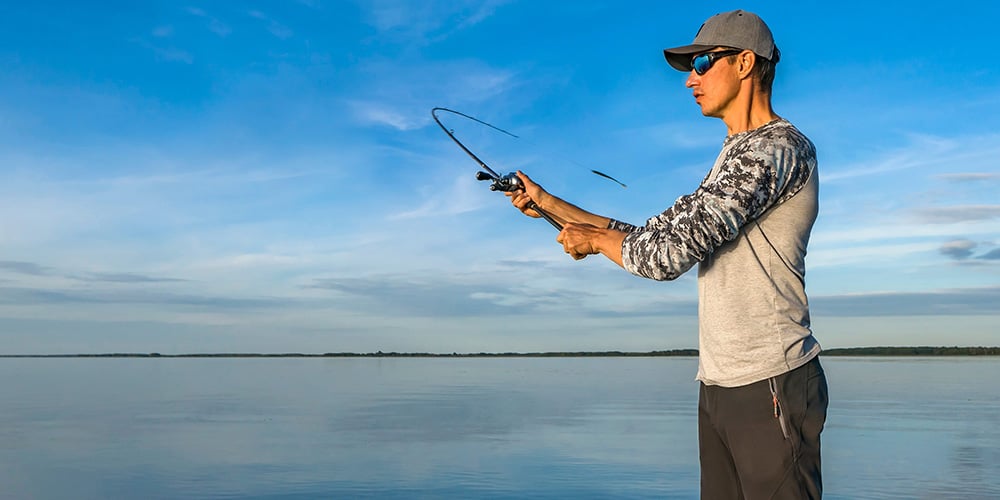
Backlashes can be incredibly frustrating, especially when they happen at the worst possible moment. Few fishing experiences are more painful than hooking a quality fish only to lose it because your spool exploded into a tangled bird’s nest during the cast. That exact situation happened to me while fishing for steelhead on Vancouver Island when a powerful fish crushed my presentation and immediately ran while I struggled with a massive backlash. The line snapped, the fish disappeared and I learned a lesson every baitcaster eventually learns: baitcasting reels reward preparation, adjustment and practice.
While baitcasting reels offer excellent casting accuracy, lure control, power and line management, they also demand more user input than spinning reels. Improper spool tension, incorrect brake settings, poor thumb control or overly aggressive casting technique can all cause the spool to rotate faster than the line leaves the reel. When that happens, the spool continues spinning while the line slows down, creating the dreaded backlash.
The good news is that modern baitcasting reels are far easier to learn than older generations thanks to advanced braking systems, smoother spool designs and better adjustability. Once you understand how spool tension, braking systems and thumb control work together, baitcasting reels become one of the most precise and efficient casting tools available for bass fishing, inshore fishing, swimbaits, flipping, pitching and heavy-cover techniques.
- The Reason for My Debacle
- What is a Backlash?
- Get to Know Your Baitcasting Reel
- How to Adjust Spool Tension
- Baitcasting Reel Braking Systems
- Centrifugal Braking Systems
- Magnetic Braking Systems
- Digital Braking Systems
- Adjusting the Braking System
- Develop Your Technique
- How to Make a Sidearm (Roll) Cast
- How to Make an Overhead Cast
- Common Beginner Mistakes
- Choosing the Right Line and Lure Weight
- How to Prevent Backlashes
- How to Remove a Backlash
- Conclusion
- We’re Here to Help!
The Reason for My Debacle
Of course, the reason for my debacle is that I was entirely ignorant on how to use a baitcasting reel. Like many anglers learning baitcasters for the first time, I assumed I could simply pick up the reel and cast it like a spinning outfit. Instead, I learned that baitcasters require setup adjustments, controlled casting motion and active thumb management throughout the cast.
Well, I’ve learned a bit since then, and in the interest of saving you some frustration, I’m going to explain how to properly adjust your baitcasting reel and cast with a minimum of backlashes. The three keys to successful baitcasting are understanding your reel, learning how to adjust it correctly and developing consistent casting technique through practice.
Most anglers who struggle with baitcasters are usually fighting one of three things: excessive spool speed, improper lure weight for the setup or poor thumb timing. Fortunately, all three problems can be improved quickly with proper adjustment and repetition.
What is a Backlash?
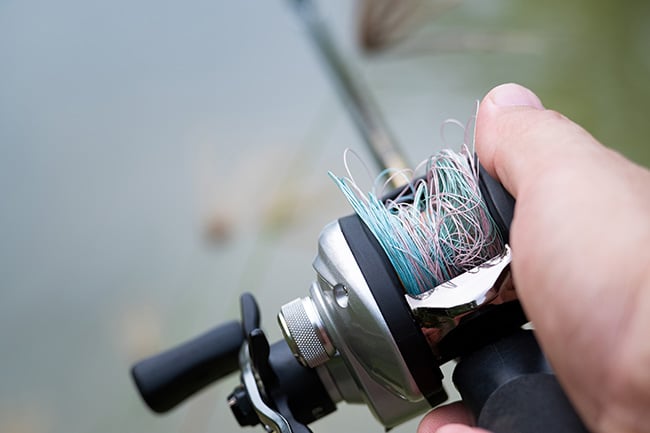
A fishing reel backlash, also known as a bird's nest, occurs when the fishing line on a baitcasting reel becomes tangled into loops and overruns on the spool. This happens when the spool rotates faster than the fishing line can leave the reel during the cast.
Most backlashes occur at one of three moments: immediately at the start of the cast, midway through the cast or right before the lure lands. Early backlashes usually happen because the cast was too aggressive or spool tension was too loose. Mid-cast overruns are often caused by wind resistance or poor braking adjustment. End-of-cast backlashes happen when the lure slows down before the spool stops spinning.
The key to preventing backlash is controlling spool speed so it matches the speed at which the lure pulls line from the reel. This is accomplished through a combination of spool tension, braking systems and thumb control.
Get to Know Your Baitcasting Reel
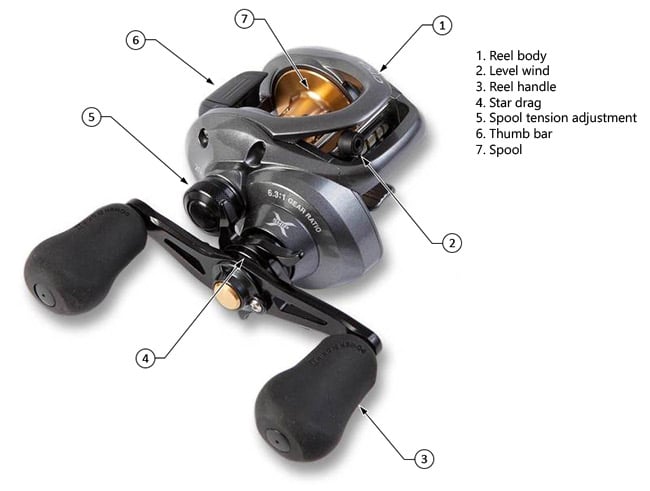
As mentioned above, backlashes can occur due to poor casting technique or improper adjustment of the spool tension or braking system. Before making adjustments, it is important to understand the major components of a baitcasting reel and what each one does.
The spool tension knob controls initial spool startup resistance. The braking system slows spool speed during the cast. The thumb bar disengages the spool for casting, while your thumb acts as a manual brake throughout the cast itself.
Understanding how these controls interact is one of the biggest steps toward becoming comfortable with baitcasting equipment.
Why Baitcasting Reels Offer Better Control
Baitcasting reels excel in applications where casting accuracy, lure control and power matter most. They allow anglers to pitch accurately into heavy cover, skip lures beneath docks, control spool speed manually and fish heavier line with greater efficiency.
Because the spool rotates directly during the cast, baitcasters also provide better sensitivity and direct power transfer than many spinning setups.
How to Adjust Spool Tension
The adjustment knob for spool tension is usually located on the side plate of the reel near the cranking handle. Proper spool tension adjustment is one of the easiest ways to reduce beginner backlashes.
- Set up your rod and reel and tie on one of your preferred lures.
- Tighten the spool tension knob by turning it clockwise.
- Hold the rod parallel to the ground with the lure hanging a few inches below the rod tip.
- Depress the thumb bar or release button to disengage the spool.
- Loosen the spool tension knob by turning it counterclockwise until the lure begins descending slowly toward the ground.
- When the lure hits the ground, the spool should stop turning immediately. If the spool continues spinning, increase tension slightly and repeat.
Many beginners make the mistake of loosening spool tension too quickly in pursuit of casting distance. In reality, tighter spool tension early on dramatically reduces frustration and helps build confidence while learning thumb control.
How Lure Weight Affects Spool Tension
Spool tension should be adjusted every time you change lure weight significantly. Heavier lures pull line from the reel more aggressively and may require additional braking or spool control. Lightweight lures usually require finer adjustment and smoother casting motion.
One of the easiest ways to create backlashes is switching from a heavy bait to a lighter lure without readjusting the reel.
Baitcasting Reel Braking Systems
Along with spool tension, most baitcasting reels use a braking system that slows spool rotation during the cast. Modern braking systems make baitcasters dramatically easier to use than older reels.
There are three primary braking systems used today: centrifugal, magnetic and digital.
Each system attempts to regulate spool speed differently, but all share the same goal of preventing the spool from overrunning the line.
Centrifugal Braking Systems
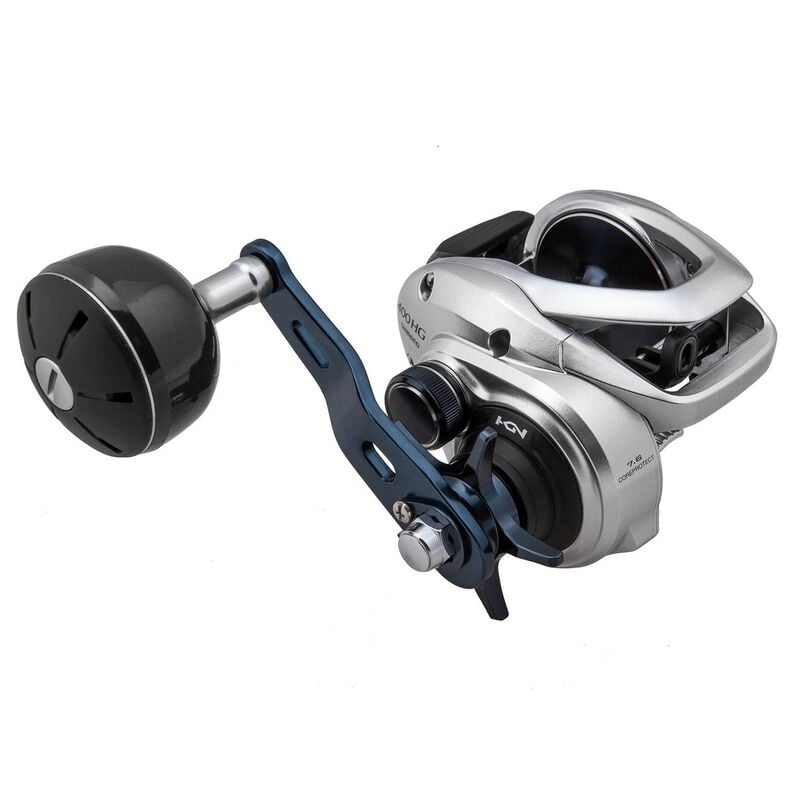
Centrifugal braking systems use small brake shoes or weights that move outward as spool speed increases. These brakes create friction automatically during the fastest part of the cast.
Centrifugal systems are often favored by experienced anglers because they allow very free spool performance while still controlling high startup speed.
Some centrifugal systems require removing the side plate for adjustment, while others allow external fine-tuning.
When Centrifugal Brakes Work Best
Centrifugal systems are especially effective with heavier lures, aggressive casting styles and long-distance casting applications where startup spool speed is highest.
Many experienced bass anglers prefer centrifugal systems because they provide smooth spool control without feeling overly restrictive during the latter stages of the cast.
Magnetic Braking Systems
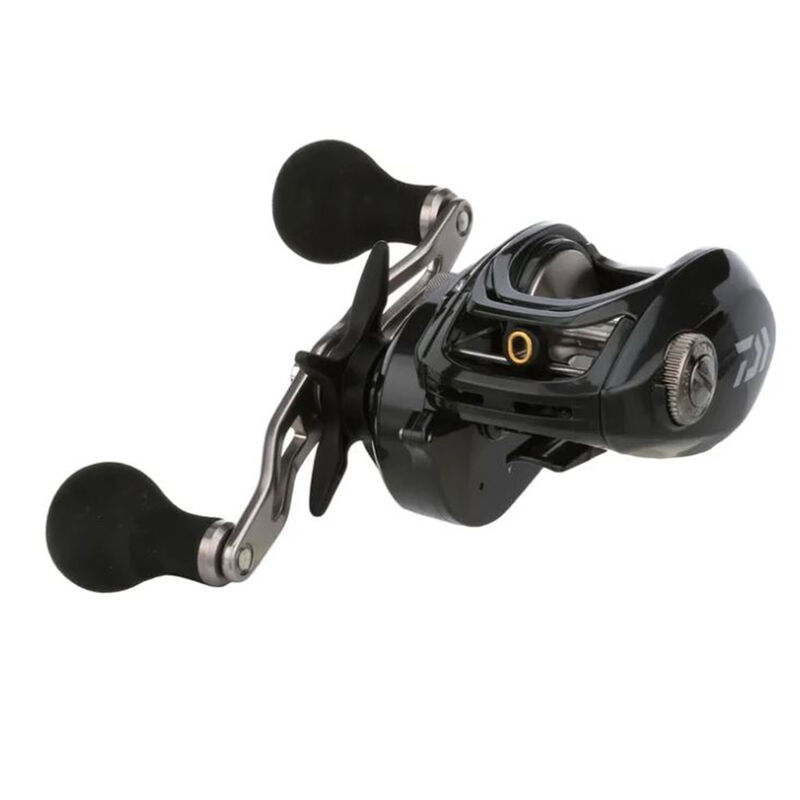
Magnetic braking systems use magnets positioned near the spool to create resistance as spool speed increases. These systems are extremely popular because they are simple to adjust externally with a dial.
Magnetic brakes tend to be very beginner friendly because they provide predictable spool control throughout the cast.
Increasing magnetic braking adds spool resistance and reduces backlash potential, while lowering magnetic braking allows greater casting distance once technique improves.
Why Beginners Often Prefer Magnetic Brakes
Magnetic systems are easy to fine-tune quickly while fishing. Anglers can increase braking when casting into wind or using lighter lures, then reduce braking for heavier baits or maximum casting distance.
This flexibility makes magnetic systems very forgiving while learning.
Digital Braking Systems
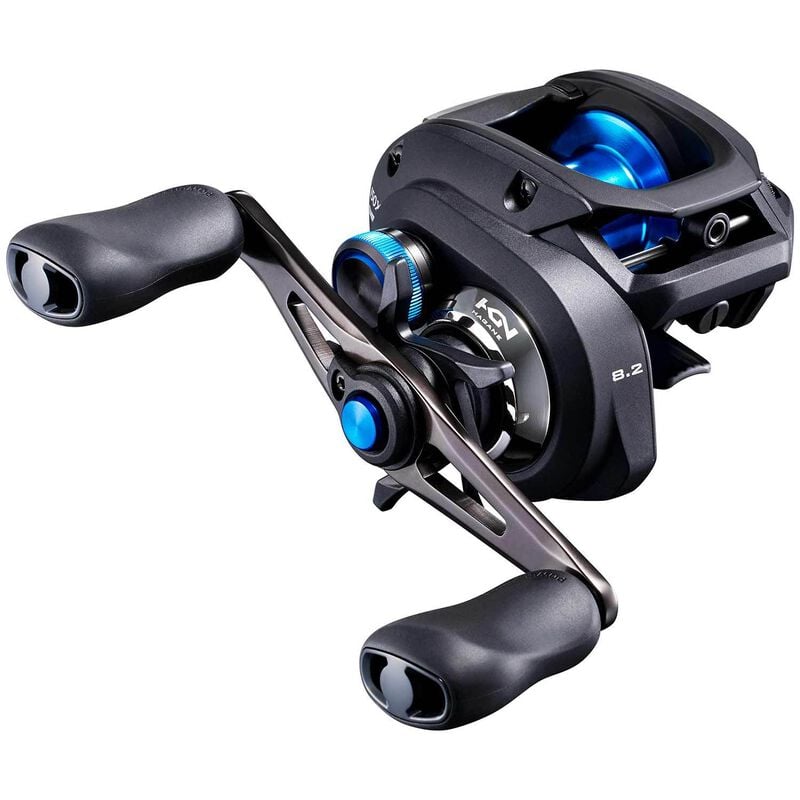
Digital braking systems use onboard electronics and spool-speed sensors to apply braking force dynamically during the cast. These systems continuously adjust braking based on spool speed and casting conditions.
Digital systems can dramatically reduce backlash frequency while maintaining excellent casting distance, especially for anglers who are still developing thumb control.
While more expensive, digital baitcasting reels are often among the easiest baitcasters for beginners to learn.
Adjusting the Braking System
Regardless of the braking system type, beginners should start with moderate to heavy braking. Excessive braking may reduce casting distance slightly, but it greatly improves spool control while learning.
As technique improves, gradually reduce braking to increase casting distance and spool freedom.
Many experienced anglers fine-tune braking constantly based on lure weight, wind conditions and casting style.
How Wind Affects Brake Settings
Casting into the wind increases lure resistance dramatically and often requires additional braking or tighter spool tension. Casting with the wind at your back usually allows lighter braking settings.
Wind is one of the most common causes of sudden mid-cast backlashes.
Develop Your Technique
Just like golfers refining their swing or tennis players improving their backhand, becoming proficient with a baitcasting reel requires practice and repetition.
Smooth casting motion is far more important than casting force. Many beginners attempt to throw the lure too aggressively, which causes excessive spool startup speed and instant backlash.
The two most common casts used by anglers are the overhead cast and sidearm roll cast.
How to Make a Sidearm (Roll) Cast
For low, controlled casts beneath docks, trees and overhanging cover, the sidearm roll cast is extremely effective.
- Hold the rod parallel to the water with the lure hanging 1–2 feet below the rod tip.
- With the reel disengaged and your thumb lightly controlling the spool, smoothly draw the rod back sideways.
- Accelerate the rod forward in a smooth rolling motion and release thumb pressure around the 10 o’clock position.
- Feather the spool lightly during flight and stop the spool completely just before the lure touches the water.
Sidearm casts are excellent for skipping lures under cover because they maintain low trajectory and controlled spool speed.
How to Make an Overhead Cast
For long casts over open water, the overhead cast remains the most common baitcasting technique.
- Hold the rod parallel to the water with the lure hanging 1–2 feet below the rod tip.
- Draw the rod backward over your shoulder smoothly.
- Accelerate forward and release thumb pressure around the 10 o’clock position.
- Feather the spool during flight and stop spool rotation just before splashdown.
Proper overhead casting relies on timing and smooth acceleration rather than brute force.
Common Beginner Mistakes
Many new baitcaster users make the same mistakes repeatedly. Overpowering casts, using brakes that are too loose, failing to feather the spool and attempting to cast lightweight lures on heavy setups are all common causes of backlash.
Another mistake is trying to maximize casting distance immediately instead of first developing control and consistency.
Why Smooth Motion Matters More Than Power
Baitcasting reels reward smooth acceleration. Sudden jerky motion causes the spool to spin faster than the lure can carry line away from the reel.
Smoother casting almost always improves both accuracy and backlash control.
Choosing the Right Line and Lure Weight
Line type and lure weight greatly affect baitcasting performance. Heavier lures generally cast more easily because they maintain tension on the spool throughout the cast.
Braided line can increase casting distance and sensitivity, but it can also bury into itself on the spool if improperly managed. Monofilament is often more forgiving for beginners.
Starting with medium-weight lures is usually the easiest way to learn baitcasting fundamentals.
How to Prevent Backlashes
Preventing backlash comes down to three things: correct reel adjustment, smooth casting technique and active thumb control.
Always feather the spool lightly during flight and stop spool rotation completely before the lure lands.
Practice in open areas without obstructions until your muscle memory improves.
How to Remove a Backlash
Even experienced anglers occasionally backlash a baitcaster. The key is remaining calm and avoiding pulling line aggressively.
Apply light thumb pressure to the spool, pull line gently and slowly rotate the handle to free buried loops. Most moderate backlashes can be removed without cutting line if handled patiently.
Conclusion
Mastering baitcasting reels takes patience, but once the fundamentals click, they become one of the most versatile and accurate fishing reel systems available. Proper spool tension, correct brake settings, smooth casting motion and thumb control all work together to minimize backlash and improve performance.
With practice, baitcasters provide exceptional casting accuracy, lure control and power for bass fishing, inshore fishing and heavy-cover techniques.
We’re Here to Help!
West Marine is the perfect place to get ready for your next fishing trip. From the latest in fishing reels, to free line spooling and locally assorted tackle in most of our stores, we have the expertise you need to get ready. Use our store locator to find a store near you.
Related: