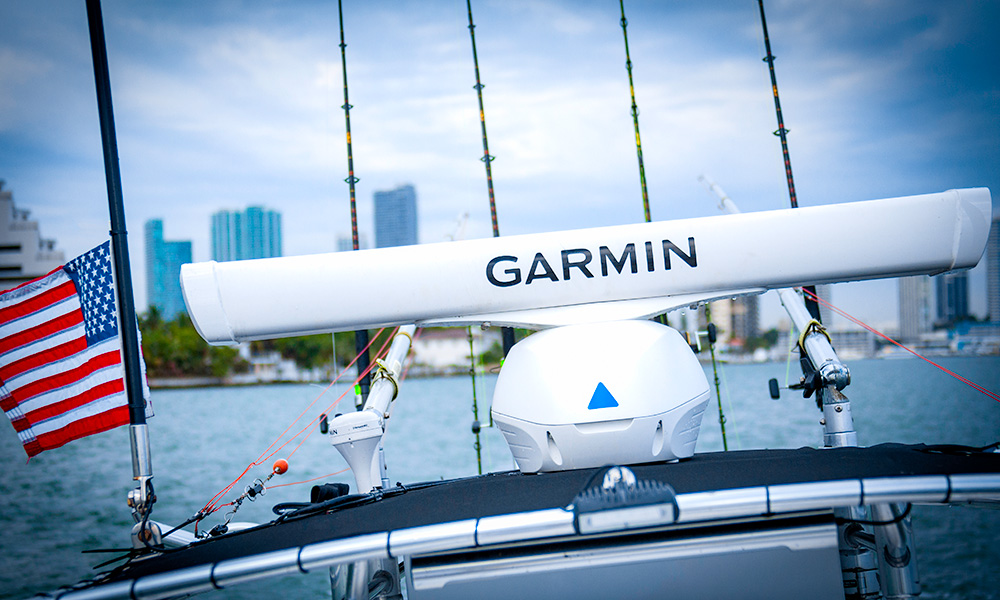
Marine radar is one of the most valuable navigation and situational awareness tools available to modern boaters. Originally an acronym for “radio detection and ranging,” radar allows captains to identify land, vessels, weather cells, channel markers, bird activity and other targets long before they become visible to the naked eye. In fog, rain, darkness or crowded waterways, radar can dramatically improve navigation safety and decision-making.
But radar is only as useful as the operator interpreting the information on the screen. Many boaters mistakenly believe radar is a completely automatic collision-avoidance system when, in reality, understanding how radar works and what the returns actually represent is critical. False assumptions, poor settings or misinterpreting targets can create dangerous situations if captains rely on the display without understanding its limitations.
Fortunately, today’s newer marine radar systems are dramatically easier to operate than older generations. Advanced processing, auto-tuning algorithms, Doppler target coloring, MARPA tracking and pulse compression technology now help simplify radar interpretation and improve target clarity. Instead of constantly tweaking gain and sea clutter manually, modern systems allow operators to focus more on navigation, target tracking and situational awareness.
From identifying shorelines and storm cells to locating offshore bird activity and tracking approaching traffic, learning how to interpret radar correctly can help prevent accidents, improve navigation confidence and even increase fishing success offshore.
In this article, we’ll explain how marine radar works, how radar returns are interpreted and what factors influence the targets you see on screen. We’ll also look at some modern radar technologies using newer Garmin radar systems as examples. :contentReference[oaicite:0]{index=0}
- The Basics of Marine Radar
- Correlating Radar Returns to Images
- How Pulse Compression Radar Works
- Understanding Beam Width and Resolution
- Bigger Antenna, Longer View
- Tracking Traffic with Radar
- Using Radar for Weather Awareness
- Using Radar to Find Birds and Bait
- Common Marine Radar Mistakes
- Making the Most of Your Radar
The Basics of Marine Radar
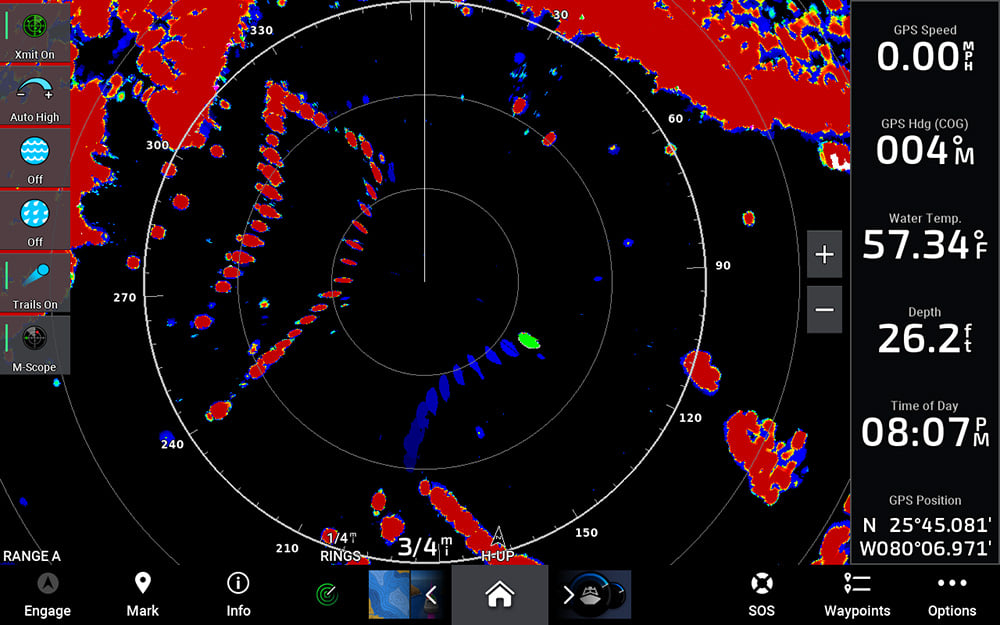
All marine radars work by emitting invisible electromagnetic radio waves that travel at the speed of light — approximately 186,000 miles per second — toward objects, landforms, weather systems and other targets around the boat. Whether using an open-array antenna or enclosed radome, the radar continuously scans 360 degrees while transmitting rapid pulses of energy outward.
When those transmitted pulses strike a target, some of the signal reflects back toward the radar antenna. The radar receives and amplifies those returning echoes, then calculates target distance by measuring how long the signal took to travel out and return. Modern radar processors also analyze signal strength, angle, movement and timing to determine target size, direction and shape.
The resulting information is displayed graphically on a compatible multifunction display or chartplotter. Depending on radar capability, operators may see vessels, shoreline detail, buoys, weather cells, bird flocks, navigation markers and other structures around the boat.
Why Marine Radar Is Important
Radar dramatically improves situational awareness when visibility becomes limited by darkness, rain, fog or heavy traffic. It allows operators to identify hazards beyond visual range and monitor moving targets long before they become dangerous.
Radar is especially valuable offshore, in shipping channels, near busy inlets and during low-visibility conditions where visual navigation alone may not provide enough warning time.
Correlating Radar Returns to Images
Once radar detects a target and determines its location, sophisticated signal processing shapes that information into visible returns on the display. However, the size, brightness and definition of a radar target are influenced by several factors.
Closer targets and dense materials typically create stronger radar returns than softer or more distant objects. Metal vessels, rocky shorelines and large structures generally appear more clearly than smaller fiberglass boats or low-profile buoys.
Weather conditions also affect radar interpretation. Heavy rain can create clutter and attenuate returns behind strong storm cells. Moving targets require continuous recalculation by the radar processor to maintain accurate position and motion tracking.
Modern systems like Garmin marine radar systems do an excellent job translating reflected signals into useful images, but understanding the limitations of radar returns remains important for safe navigation.
Why Radar Targets May Appear Larger or Smaller
Radar displays do not always represent targets in perfect scale. A strong return may appear larger than the actual object, while weak returns can appear smaller or intermittent.
Rain clutter, sea state, antenna height, beam width and target material all influence how targets are displayed.
How Pulse Compression Radar Works
One major advancement in modern radar technology is pulse compression. This technology allows radars to achieve excellent long-range detection while using lower peak power output than older magnetron-based systems.
Pulse compression radars, such as those found in the Garmin Fantom™ radar lineup, transmit longer coded pulses and then compress the returning signal electronically during processing. This improves target detail, increases range performance and enhances separation between nearby targets.
The result is a cleaner, more detailed image with improved close-range and long-range performance simultaneously.
Benefits of Pulse Compression Radar
- Improved target separation
- Better short-range detail
- Enhanced long-range performance
- Lower power consumption
- Faster startup times
- Reduced electromagnetic exposure
Pulse compression is one reason many modern solid-state radar systems perform so well compared to older designs.
Understanding Beam Width and Resolution
Beam width is one of the most important factors influencing radar clarity and target resolution. A narrow beam concentrates radar energy more tightly, allowing the system to distinguish between closely spaced targets more effectively.
Wide beam widths spread energy over a larger area, reducing target separation and long-range detail. Think of the difference between a spotlight and a floodlight.
Narrow beam widths are especially important offshore where captains may be searching for distant boats, bird activity or small targets at long range.
Why Narrow Beams Improve Radar Performance
Narrow beams allow radar systems to distinguish individual targets that might otherwise blend together. This is especially helpful when navigating crowded waterways or identifying structure near shorelines.
Open-array radar systems generally achieve narrower beam widths than smaller radome systems because of their larger antenna size.
Bigger Antenna, Longer View
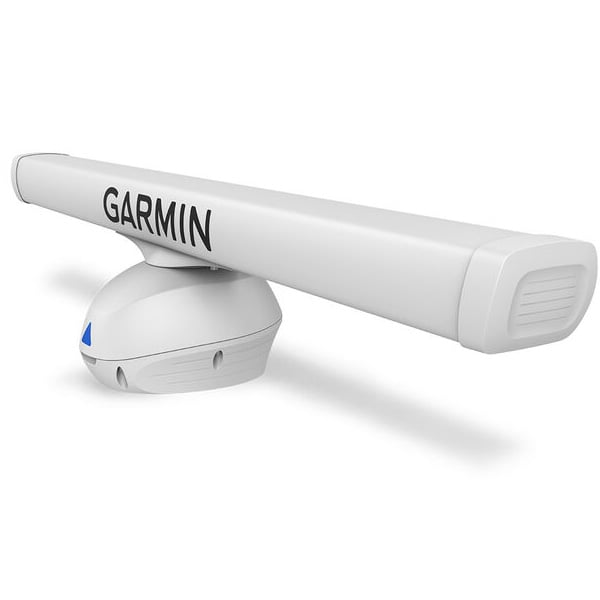
Open array radars, like this Garmin Fantom Series model, generally have larger antennas and offer a more focused beam.
Because antenna size directly affects beam width, larger open-array radar antennas generally provide better angular resolution and longer-range target detection than smaller radomes.
Open-array systems produce narrower beams that reveal finer shoreline detail and better target separation. This makes them especially popular with offshore anglers, long-range cruisers and larger sportfishing boats.
Larger antennas also provide higher antenna gain, helping detect weaker targets such as distant vessels or offshore bird activity.
Offshore fishermen often use radar to locate feeding birds that indicate bait schools and predator activity below the surface. Long-range open-array radars excel in this application.
Open Array vs. Dome Radar
Open-array radars generally offer longer range, narrower beam width and better offshore performance.
Dome radars are more compact, easier to install and often better suited for smaller boats where space and weight are limited.
Using Radar Gain Properly
Gain controls radar receiver sensitivity. Increasing gain helps reveal weaker distant targets, while excessive gain can create clutter and false returns.
Modern radar systems often include auto-gain modes and specialized bird modes that automatically optimize settings for specific conditions.
Tracking Traffic with Radar
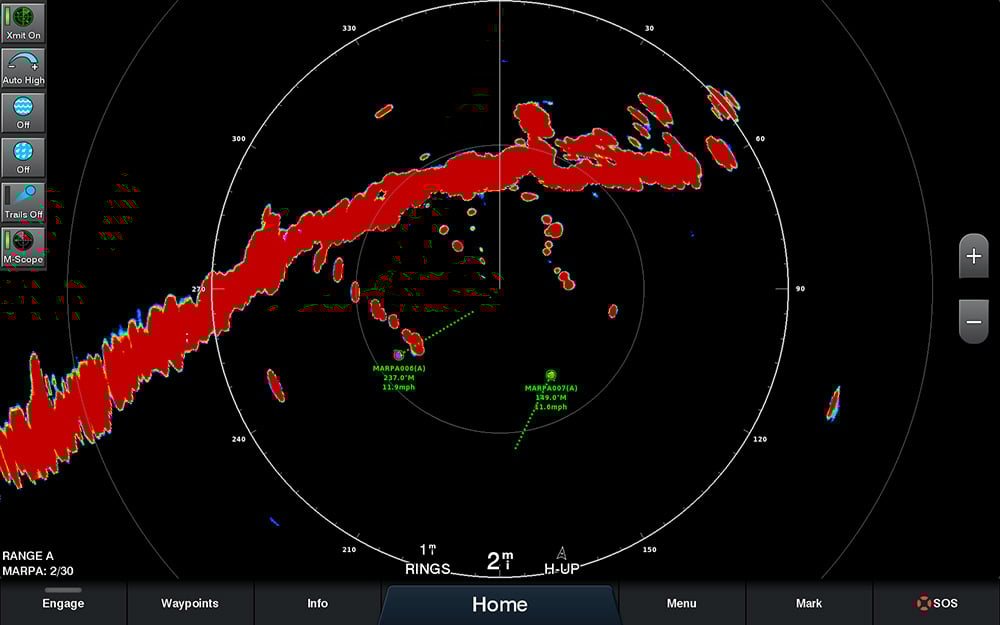
One of radar’s most important functions is helping operators maintain safe separation from nearby vessels. Modern radar systems can track moving targets automatically and display their speed, direction and projected movement.
Some radar systems offer echo trails that paint historical target movement behind vessels, making direction of travel easier to interpret quickly.
Doppler-based radar technology can also color-code targets to show whether they are approaching or moving away. This greatly improves situational awareness during heavy traffic or low-visibility navigation.
When paired with an appropriate heading sensor, many systems also support MARPA (mini-automatic radar plotting aid) functionality. MARPA can calculate target speed, bearing, closest point of approach and time to closest point of approach.
How MARPA Improves Collision Avoidance
If another vessel maintains a constant relative bearing while range continues decreasing, collision risk increases significantly.
MARPA helps operators recognize these developing situations quickly so course or speed adjustments can be made safely.
Using Radar for Weather Awareness
Marine radar can also help operators monitor approaching weather systems. Rain cells typically appear as softer, more diffuse radar returns compared to solid land or vessel targets.
Strong thunderstorms may produce dense returns capable of blocking weaker targets behind them, a phenomenon known as attenuation.
Watching storm cell movement on radar can help captains avoid dangerous weather offshore and make safer route decisions.
How Sea Clutter and Rain Clutter Affect Radar
Sea clutter is caused by wave reflections near the boat, while rain clutter results from precipitation reflecting radar energy.
Most modern radars include automatic or manual clutter reduction settings that help clean up the display while preserving useful targets.
Using Radar to Find Birds and Bait
Many offshore anglers use radar to locate feeding bird flocks associated with baitfish and gamefish activity. Birds circling or diving offshore often indicate tuna, mahi, striped bass or other predators feeding below.
Long-range open-array radars with narrow beam widths are especially effective at detecting distant bird activity.
Some radar systems even include dedicated bird modes that automatically optimize gain and filtering for weak aerial targets.
Why Offshore Fishermen Depend on Radar
Radar allows offshore crews to cover far more water efficiently by spotting bird activity and weather patterns well beyond visual range.
This capability can save fuel, improve safety and dramatically increase fishing efficiency offshore.
Common Marine Radar Mistakes
- Relying entirely on auto settings without understanding radar fundamentals
- Ignoring clutter adjustment settings
- Running gain too high or too low
- Misinterpreting rain clutter as vessel traffic
- Assuming radar replaces visual lookout responsibilities
- Failing to practice radar interpretation in clear daylight conditions
- Ignoring target movement trends and collision risk
Why Practice Matters
The best way to become proficient with radar interpretation is to use it frequently during clear daytime conditions when targets can be visually confirmed.
Learning how actual shorelines, boats, buoys and weather appear on radar builds confidence and dramatically improves interpretation skills later during darkness or fog.
Making the Most of Your Radar
One of the best ways to improve radar proficiency is to practice regularly while underway during normal conditions. Compare radar targets with actual boats, buoys, shorelines and weather systems visible around you.
As your experience grows, you’ll begin recognizing target shapes, movement patterns and clutter characteristics much faster. Over time, radar becomes far more than a navigation backup — it becomes one of the most powerful situational awareness tools on the boat.
The more you use your radar, the more confident and effective you’ll become when visibility deteriorates or offshore conditions become challenging.