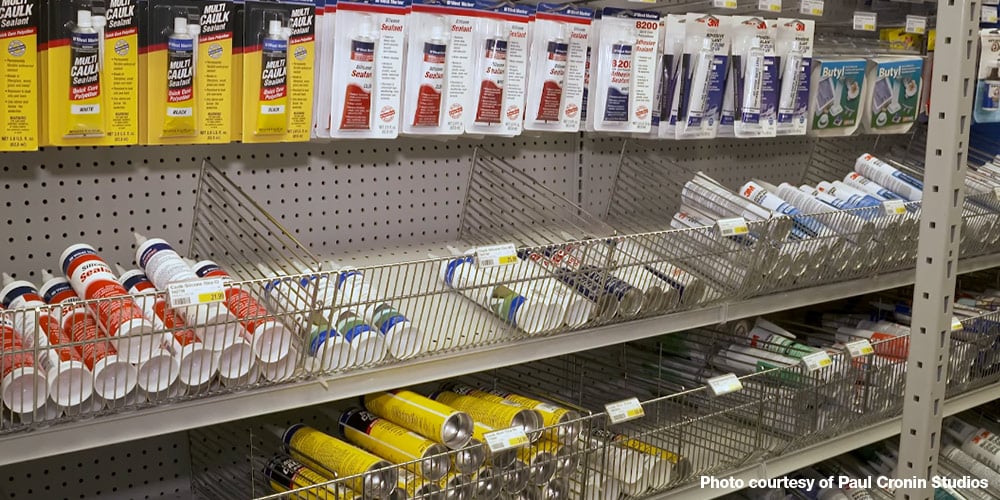
What Marine Sealants and Adhesives Do
Marine applications for caulking and adhesives are far more demanding than most household or automotive repairs. Boats are exposed to constant vibration, UV radiation, saltwater, thermal expansion, heavy weather and long-term moisture intrusion — all of which place tremendous stress on every sealed joint and bonded surface onboard.
Marine sealants and adhesives are designed to create watertight and airtight seals between fiberglass, wood, metal, plastic and composite materials while remaining flexible enough to tolerate movement and vibration over time. Some products function primarily as sealants, while others provide extremely powerful adhesive bonding capable of permanently joining structural components.
Choosing the correct marine sealant is critical because the wrong product can create major problems later. Some sealants are nearly permanent and extremely difficult to remove, while others are designed specifically for removable deck hardware or flexible sealing applications. Compatibility with plastics, below-waterline use, UV exposure, paintability and cure time all matter when selecting the right product.
This guide explains how marine sealants work, how different formulations compare, what materials they bond best to and how to choose the right marine adhesive or caulking compound for your specific boating project. :contentReference[oaicite:0]{index=0}
- How Marine Sealants Work
- What Materials Are You Bonding or Sealing?
- Choosing the Right Sealant
- Marine Sealant and Adhesive Formulations
- Marine Sealant Curing Times
- Common Marine Sealant Applications
- Common Sealant Mistakes
- Sealant Smarts
- Conclusion
How Marine Sealants Work
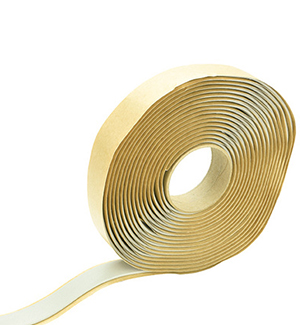
Butyl Caulking Tape is a popular alternative to liquid sealants for many deck hardware installations.
Marine caulking sealants cure into durable flexible compounds that adhere to surfaces while preventing water or air intrusion. Unlike rigid adhesives, marine sealants remain permanently flexible after curing, allowing bonded surfaces to expand, contract and move slightly without losing adhesion.
This flexibility is known as elongation. Sealants with high elongation tolerate vibration, hull flex and thermal expansion far better than brittle compounds.
Marine sealants vary dramatically in adhesive strength. Some provide only moderate sealing properties, while others create extremely strong semi-permanent or permanent structural bonds.
Why Flexibility Matters on Boats
Boats constantly flex underway. Hulls twist slightly in waves, decks expand under heat and hardware experiences repeated vibration and loading cycles.
Rigid sealants can crack or lose adhesion under these conditions, which is why flexible marine-specific products are critical.
Understanding Tack Time, Cure Time and Working Time
Most marine sealants go through several curing stages:
- Skin or tack time: The surface begins forming a skin
- Working time: Period where adjustments can still be made
- Dry time: Safe for limited service
- Full cure: Complete chemical curing finished
Full cure times may range from one day to over a week depending on chemistry, temperature and humidity.
Why Technical Data Sheets Matter
Manufacturers provide detailed technical data sheets specifying:
- Surface preparation requirements
- Compatible materials
- Cure schedules
- Temperature limits
- Cleanup solvents
- Below-waterline suitability
Following these recommendations is essential because improper cleaners or incompatible surfaces can prevent curing entirely.
What Materials Are You Bonding or Sealing?
The materials being bonded and the location of the repair heavily influence which marine sealant should be used.
Below-waterline applications require products specifically rated for continuous water immersion, while above-waterline applications may prioritize UV resistance, flexibility or removability instead.
Marine sealants are commonly used on:
- Fiberglass
- Wood
- Teak
- Aluminum
- Stainless steel
- Bronze
- Acrylic
- Polycarbonate
- ABS plastics
If bonding dissimilar materials, always verify compatibility before application.
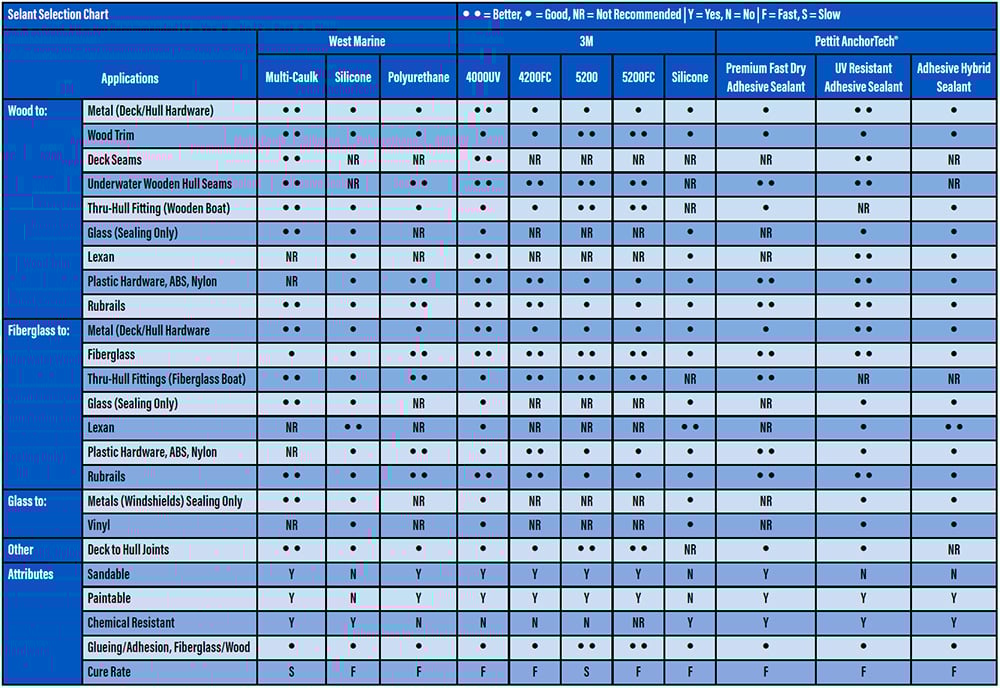
Click the chart to view the full-size PDF.
Below-Waterline vs. Above-Waterline Applications
Sealants used below the waterline must tolerate constant immersion and hydrostatic pressure.
Above-waterline applications may instead prioritize UV resistance, paintability or easier future removal.
Why Plastic Compatibility Is Critical
Some marine sealants chemically attack certain plastics.
Always confirm compatibility before sealing:
- Acrylic (Plexiglas)
- Polycarbonate (Lexan)
- ABS
- PVC
Using the wrong chemistry can permanently damage plastic windows, hatches and fittings.
Choosing the Right Sealant
Temporary vs. Permanent Bonding
The first question to ask is whether the component may ever need removal later.
Some adhesive-sealants create nearly permanent bonds that can severely damage fiberglass during disassembly.
3M 5200, for example, is legendary for its tremendous adhesive strength. It is commonly used for hull-to-deck joints, structural bonding and underwater fittings where permanent adhesion is desired.
However, its strength can create major removal challenges later.
For serviceable hardware such as deck fittings, hatches or removable components, less aggressive products like 3M 4200 Fast Cure are often more appropriate.
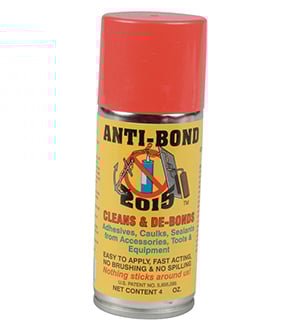
Marine adhesive removers help separate stubborn polyurethane bonds.
When You Need an Adhesive Remover
Products like Anti-Bond 2015 help break polyurethane adhesive bonds during hardware removal.
These removers can dramatically simplify disassembly of hardware bedded with strong polyurethanes.
Aesthetics and Paintability
Visible sealant lines may require:
- UV stability
- Clean appearance
- Paintability
- Color stability
Some sealants cannot be painted and may discolor over time.
Why UV Resistance Matters
Sealants exposed to sunlight degrade much faster without proper UV resistance.
UV-stable products maintain flexibility and appearance longer in exposed marine environments.
Marine Sealant and Adhesive Formulations
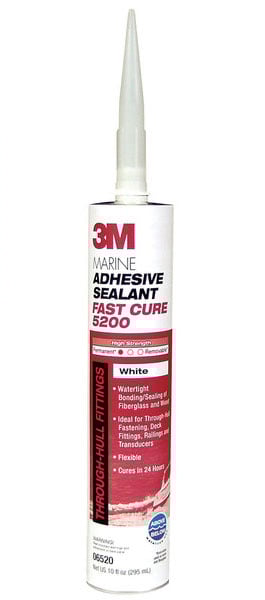
3M 5200 Fast Cure is extremely strong and widely used for permanent marine bonding applications.
Polyurethane Sealants
Polyurethane sealants provide extremely high adhesive strength and are commonly used for permanent marine bonding applications.
Advantages include:
- Exceptional adhesion
- Below-waterline suitability
- High strength
- Long-term durability
However, polyurethane is often difficult to remove and may not adhere well to certain plastics.
It also has poor resistance to some oils and teak cleaners.
Silicone Sealants
Silicone is flexible, easy to apply and highly resistant to water and chemicals.
It works well for:
- Isolating dissimilar metals
- Non-structural sealing
- Plastic compatibility
However, silicone has weaker adhesive strength and leaves behind residue that prevents future paint or sealant adhesion.
Polysulfide Sealants
Polysulfides remain among the most versatile marine sealants available.
Advantages include:
- Excellent fuel resistance
- Good flexibility
- Strong adhesion
- Long-term durability
They are especially popular for teak deck seams and wood bedding applications.
However, polysulfides can damage certain plastics like ABS and polycarbonate.
Polyether Sealants
Polyether sealants offer excellent UV resistance and broad compatibility while remaining permanently flexible.
Products like 3M 4000UV are often chosen for deck hardware and above-waterline sealing applications.
Flexible Epoxy Formulations
Flexible epoxy systems like Pettit FlexPoxy and WEST System G-Flex provide strong semi-flexible structural bonding.
These products cure faster than many traditional polyurethanes while maintaining better flexibility than standard epoxy.
Marine Sealant Curing Times
Marine sealants cure at very different speeds depending on chemistry and environmental conditions.
Examples include:
- Life-Calk: 10–20 day full cure
- 3M 5200 Slow Cure: 5–7 day full cure
Slower-curing products often provide:
- Longer working time
- Better leveling
- Stronger final bonds
However, they may also delay relaunch schedules or hardware use.
How Temperature and Humidity Affect Cure Time
Moisture-cure sealants such as polyurethane and polysulfide often cure faster in humid conditions.
Cool temperatures generally slow curing significantly.
Common Marine Sealant Applications
Marine sealants are used throughout boats for sealing, bedding and bonding applications.
Common Applications Include:
- Deck hardware bedding
- Hull-to-deck joints
- Portlights and hatches
- Thru-hull fittings
- Rub rails
- Teak deck seams
- Fuel fills
- Electronics installations
- Keel joints
Why Bedding Hardware Correctly Matters
Improperly bedded deck hardware is one of the most common causes of water intrusion and core damage on fiberglass boats.
Correct sealant choice and installation technique help prevent expensive structural repairs later.
Common Sealant Mistakes
- Using overly permanent adhesive unnecessarily
- Using incompatible sealants on plastics
- Poor surface preparation
- Over-tightening hardware immediately
- Using too little sealant
- Ignoring cure schedules
- Using household sealants in marine applications
Why Over-Tightening Causes Leaks
Over-tightening fasteners squeezes out too much sealant and leaves insufficient material to maintain a waterproof seal.
A proper sealant “gasket” thickness is critical.
Sealant Smarts
Prep Work
Always remove all old sealant completely before rebedding hardware.
Clean surfaces thoroughly using the manufacturer’s recommended solvent.
Read the Label
Different sealants have dramatically different working times, cure schedules and cleanup requirements.
Understanding these properties before beginning prevents rushed installations.
Mask Off Edges for Professional Results
Masking hardware edges before applying sealant creates cleaner professional-looking sealant lines and greatly simplifies cleanup.
Use Enough Sealant
Sealant should squeeze out around the full perimeter of the joint.
If no squeeze-out occurs, the joint may not be fully sealed.
Snug Fasteners — Don’t Fully Tighten Immediately
Allow the sealant to partially cure before fully tightening hardware.
This maintains proper sealant thickness and reduces squeeze-out.
Compress the Seal After Cure
Once cured, hardware can be tightened fully to compress the seal and maximize waterproof integrity.
Conclusion
Marine sealants and adhesives play a critical role in protecting boats from water intrusion, vibration damage and structural failures. Choosing the correct product requires understanding the materials involved, whether the bond must be removable, environmental exposure and the mechanical demands of the application.
Polyurethane, silicone, polysulfide, polyether and flexible epoxy formulations all offer unique strengths depending on the project. Using the proper marine-grade sealant — and applying it correctly — helps prevent leaks, corrosion and expensive future repairs.
Proper surface preparation, correct sealant selection and patience during curing are the keys to creating durable long-lasting marine seals that perform reliably for years in harsh marine environments.