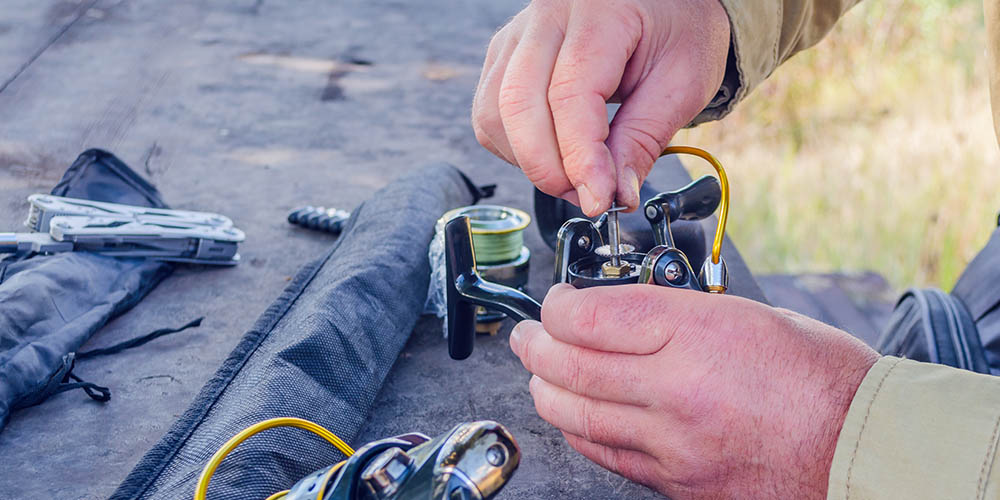
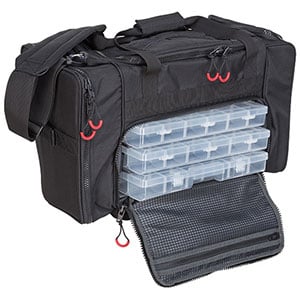
Soft tackle bags help organize fishing gear and protect tackle during the off-season.
When fishing season slows down, it is the perfect time to inspect, organize and maintain your equipment. Off-season tackle maintenance helps prevent corrosion, extends the life of rods and reels, improves casting performance and ensures your gear is ready when the next bite starts.
Whether you fish freshwater lakes, offshore reefs or coastal flats, taking a few hours to maintain your tackle now can prevent equipment failures and lost fish later.
Why Off-Season Tackle Maintenance Matters
Fishing tackle is constantly exposed to water, salt, UV rays, dirt and fish slime. Over time these elements can damage reels, weaken fishing line, dull hooks and corrode metal components. Proper off-season maintenance helps identify problems before they become expensive repairs.
- Extend the lifespan of rods, reels and tackle.
- Reduce corrosion and salt buildup.
- Improve reel performance and drag operation.
- Prevent line failures and casting problems.
- Keep tackle organized and ready for the next trip.
Organize Your Tackle Before the Season Starts
One of the easiest ways to improve fishing efficiency is organizing your gear before the season begins. Tackle trays, tackle boxes and soft tackle bags make it easier to store lures, hooks, sinkers and terminal tackle by species or fishing technique.
Anglers who fish both freshwater and saltwater should consider keeping separate tackle systems to reduce corrosion and contamination between environments.
Organized tackle means less time searching for gear and more time fishing.
Inspect and Sharpen Hooks
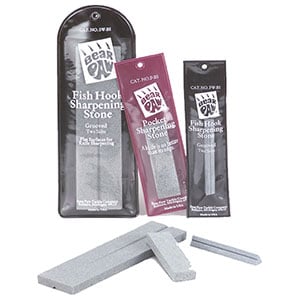
Sharpen hooks and inspect terminal tackle before storing gear for the off-season.
Hooks become dull through use, contact with rocks and repeated exposure to the elements. A sharp hook improves penetration and increases hook-up ratios.
As you organize tackle, inspect every hook for:
- Rust or corrosion.
- Bent points or damaged barbs.
- Dull hook points.
- Damaged split rings and swivels.
Replace heavily corroded hooks and use a sharpening stone or hook file to restore points that remain structurally sound.
Reel Care During the Off-Season
Fishing reels contain precision gears, bearings and drag systems that require periodic maintenance. Many anglers choose winter as the ideal time to service reels because there is less pressure to have them immediately available.
Whether you perform maintenance yourself or send reels to a service center, routine cleaning and lubrication can significantly extend reel life.
Tools Needed for Reel Maintenance
Before servicing reels, gather the appropriate tools and supplies:
- Phillips and flathead screwdrivers.
- Cotton swabs.
- Soft toothbrush.
- Paper towels and clean cloths.
- Isopropyl alcohol.
- Fishing reel oil and grease.
- Manufacturer schematic or exploded parts diagram.
Always consult the owner's manual before disassembling a reel.
Basic Reel Maintenance
Basic maintenance should be performed after every fishing trip and again before long-term storage.
- Rinse reel exteriors gently with freshwater.
- Remove dirt, salt and debris.
- Dry thoroughly with a soft cloth.
- Inspect moving parts for wear.
- Lubricate according to manufacturer recommendations.
Avoid pressure washing reels or using aggressive sprays that can force water into bearings and internal components.
Do not use WD-40® or household degreasers on fishing reels. These products can remove protective lubricants and accelerate wear.
Conventional Reel Maintenance
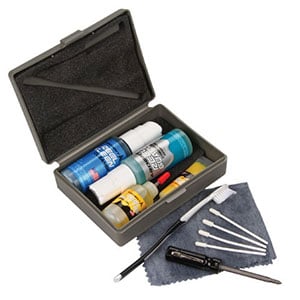
A dedicated reel cleaning kit helps simplify routine maintenance.
For conventional reels, remove the side plate and spool assembly according to manufacturer instructions. Clean bearings, races and gear surfaces using cotton swabs and approved reel cleaning products.
Most conventional reels require only minimal lubrication. Excess grease or oil can attract contaminants and negatively affect casting performance.
Apply a small amount of reel oil to bearings and use grease only where specified by the manufacturer.
Spinning Reel Maintenance
For spinning reels, remove the spool assembly and inspect critical wear areas.
Key Inspection Points
- Line roller bearings and bushings.
- Spool lip condition.
- Bail arm operation.
- Drive gear bearings.
- Handle assembly.
A damaged spool lip can quickly weaken fishing line and reduce casting distance. Replace damaged components before the next season.
Regular lubrication of line roller bearings and bail mechanisms can significantly increase component lifespan.
Fishing Line Care and Storage
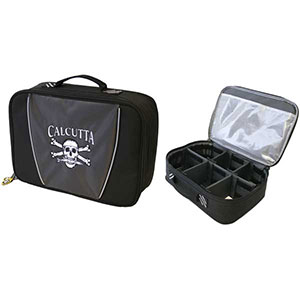
Protect reels during storage with proper cases and moisture control.
Fishing line naturally degrades over time due to UV exposure, abrasion and salt contamination. The off-season is a good opportunity to inspect and replace worn line.
Look for:
- Fraying.
- Discoloration.
- Memory coils.
- Weak spots or abrasions.
Saltwater anglers should pay particular attention to line condition because salt deposits can accelerate deterioration.
If line remains in good condition, consider transferring it to a large spool during storage to reduce memory. Otherwise, replace it before the next season.
Used fishing line should always be recycled through designated fishing line recycling programs.
Proper Reel Storage
Many anglers store reels in protective cases during the off-season. While cases protect against impacts and dust, reels should never be stored wet.
Before storage:
- Clean the reel thoroughly.
- Allow it to dry completely.
- Loosen drag systems slightly to reduce long-term pressure.
- Store in a cool, dry location.
Leaving cases partially open during storage can help prevent trapped moisture and corrosion.
Fishing Rod Care
Fishing rods deserve the same attention as reels. Cleaning and inspection can reveal damage before it causes a lost fish or broken rod.
Rod Maintenance Checklist
- Wash rods with mild soap and water.
- Inspect guides for cracks and damage.
- Check guide inserts using a cotton ball.
- Inspect reel seats and locking nuts.
- Clean cork and EVA grips.
- Store rods in a dry, ventilated location.
Running a cotton ball through rod guides is a simple way to identify chips or cracks that can damage fishing line.
If your rods feature cork grips, clean them periodically to remove oils, dirt and grime that accumulate during use.
Off-Season Fishing Tackle Maintenance Checklist
- Organize tackle boxes and tackle bags.
- Sharpen or replace hooks.
- Inspect lures and terminal tackle.
- Clean and lubricate reels.
- Replace worn fishing line.
- Inspect rod guides and reel seats.
- Store rods and reels in a dry location.
- Recycle unwanted fishing line.
Conclusion
A few hours of off-season tackle maintenance can save frustration and improve performance when fishing season returns. Clean reels cast farther and operate more smoothly, sharp hooks improve hook-up rates and organized tackle helps you spend more time fishing and less time searching for gear.
Taking care of your equipment now ensures your rods, reels, line and tackle are ready whenever the next opportunity to get on the water arrives.
Related