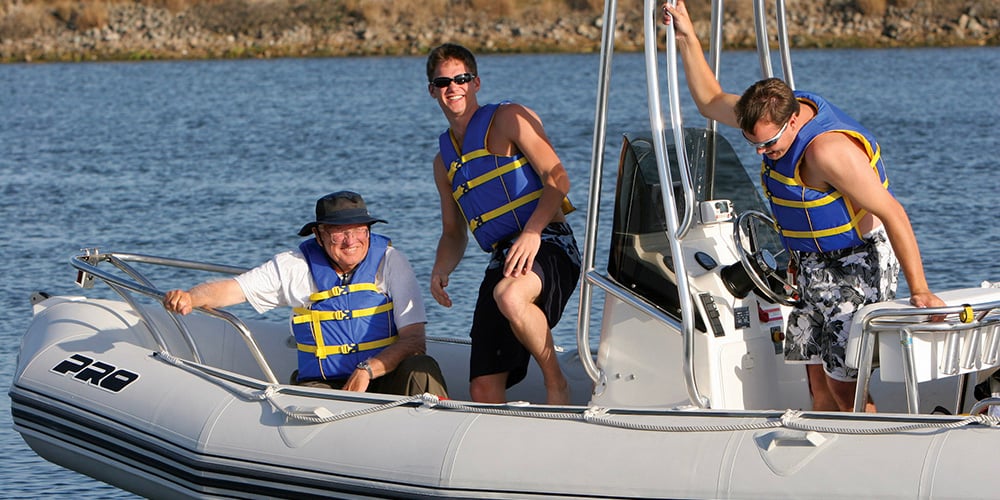
West Marine offers a wide variety of Personal Flotation Devices (PFDs aka lifejackets and buoyancy aids) to help keep you safe and legal on the water. In this article, we will walk you through the United States Coast Guard (USCG) life jacket carriage requirements for boats, specific requirements for children and water sports enthusiasts, regulations for operators of personal watercraft (PWCs), and the changes to life jacket labeling. PFD’s are categorized by the USCG as “Commercial PFDs” “Recreational PFDs” or “Throwable PFDs”.
- USCG PFD Requirements for Boats
- Popular Choices that Meet the Requirements
- USCG Old “Type” versus New “Level” Labeling
- Lifejacket Requirements for Children
- Lifejacket Requirements for Towable Watersports and PWCs
- Must adults wear their life jackets?
- Federal versus State Requirements
- We're Here to Help!
USCG PFD Requirements for Boats
PFD carriage requirements for recreational vessels are based on the length of the vessel.
Vessels Less than 16 feet (including canoes and kayaks):
- One Type I, II, III/Level 70, or Type V PFD per person.
Vessels 16 feet and greater:
- One Type I, II, III/Level 70, or Type V PFD per person.
- Plus one Type IV throwable device.
PFDs must be Coast Guard-approved, sized appropiately for the intended user, and readily accessible.
Popular Choices that Meet the Requirements
For reasons of comfort and utility, many boaters prefer inherently buoyant Type III/Level 70 PFDs which West Marine offers for a variety of boating activities, including day sailing, water sports, paddlesports and general recreation. Choices also include Type V recreational inflatable life jackets and inflatable life jackets for offshore use.
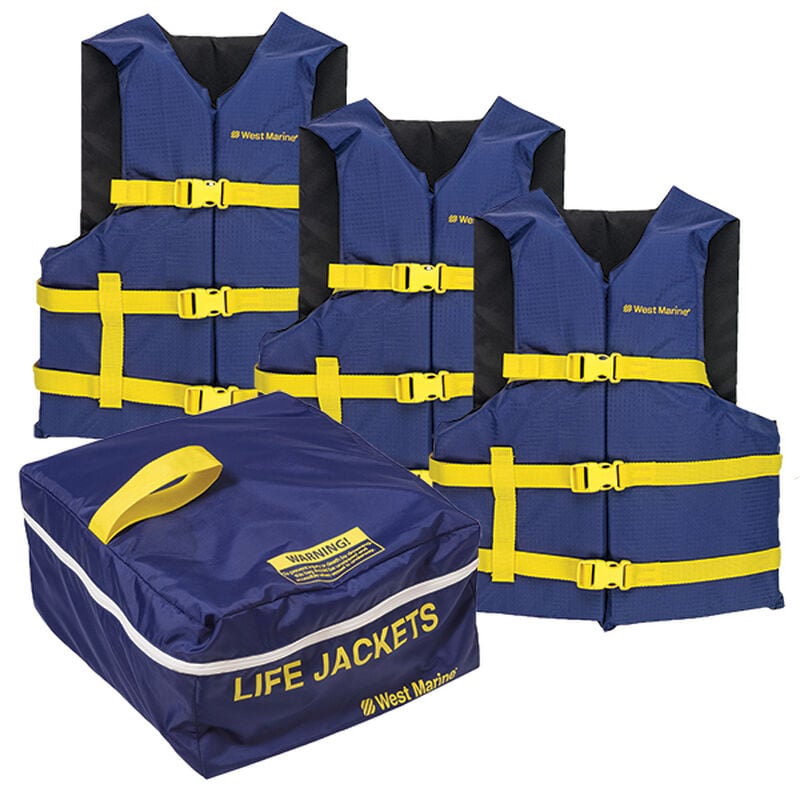 Recreational life jackets, like our Level 70 Runabout Life Jackets meet USCG requirements at an affordable price. Shown: Runabout Life Jacket 3-Pack.
USCG Old “Type” versus New “Level” Labeling
In the 1980s the U.S. Coast Guard created four “Type” ratings for life jackets plus one “Type” rating for throwable flotation. These ratings correspond to wearable flotation labeled as Type I, II, III and V and throwable flotation labeled as Type IV. In 2014, with the intent of “harmonizing” life jacket standards between the United States and Canada, the Coast Guard announced that beginning in 2016, “Type” ratings were to be dropped in favor of a system of “Level” ratings. For recreational life jackets and throwable flotation, these ratings correspond to Levels 50, 70, 100 and 150.
The “harmonized” standards described above have been slow to take hold. As of May of 2024, the only recreational flotation sold in the United States that is affected by the harmonized standards are Type II life jackets for infants and Type III life jackets for children, youth and adults which have been relabeled as “Level 70”. Other USCG type-labeled flotation is not affected. Does this mean that you will need to trade in your existing Type III life jackets for Level 70 models? The answer is no, as long as your Type III life jackets are in serviceable condition. For more about life jacket labeling and “Level” performance ratings, see the Harmonized Life Jacket Approvels pdf kindly supplied to West Marine by the Kent Sporting Goods Company. For a comprehensive discussion and a video on how to select life jackets that are right for you and your crew, see our West Advisor article How to Select a Life Vest.
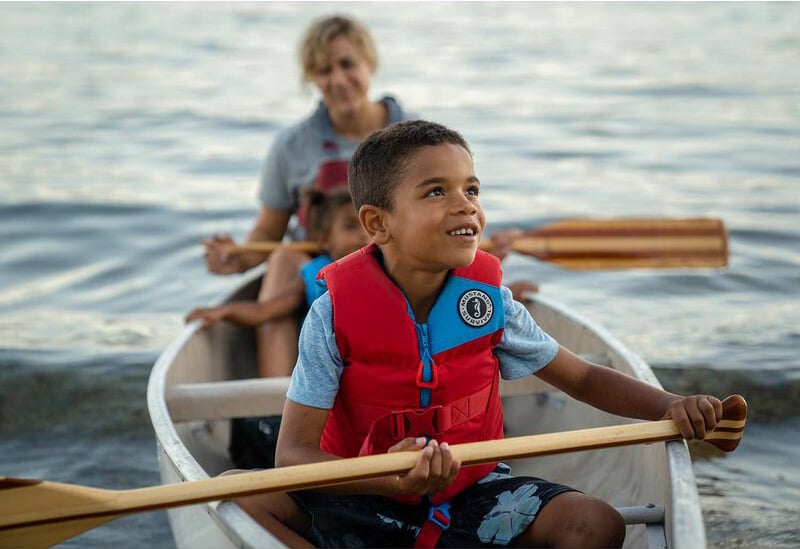 Level 70 life jackets for infants, children and youth, like Mustang Survival's Lil' Legends Life Jackets (shown) help to keep children safe on the water.
Lifejacket Requirements for Children
Per USGC regulations when a vessel is underway, children under 13 years of age must wear a lifejacket. The exception to this regulation is that children that are below deck or within an enclosed cabin are not required to wear PDF’s. West Marine offers a variety of kids life jackets to help keep children safe.
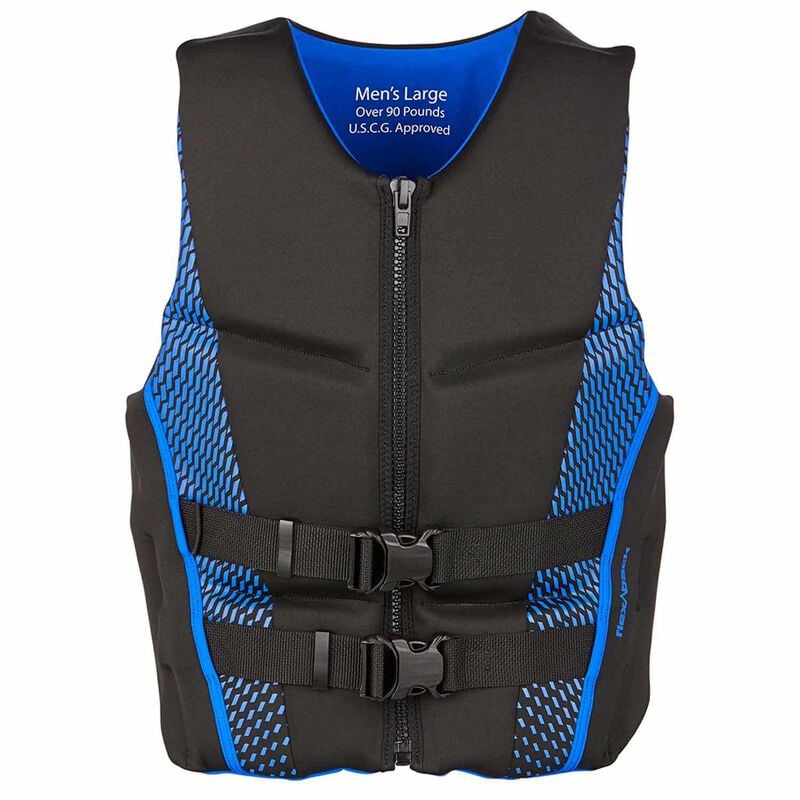 Level 70/Type III water sports life jackets are characterized by close-fitting, belted designs that withstand impacts with the water.
Life Jacket Requirements for Towable Water Sports and PWCs
The USCG requires that wake surfers, water-skiers, and all other persons being towed behind a vessel, wear a USCG-approved PFD that is appropriately sized and approved for the activity. Operators of PWCs must also wear a a USCG-approved PFD at all times. At West Marine, we offer a variety of Level 70 (generally equivalent to Type III) PFDs designed for high-speed water sports activities.
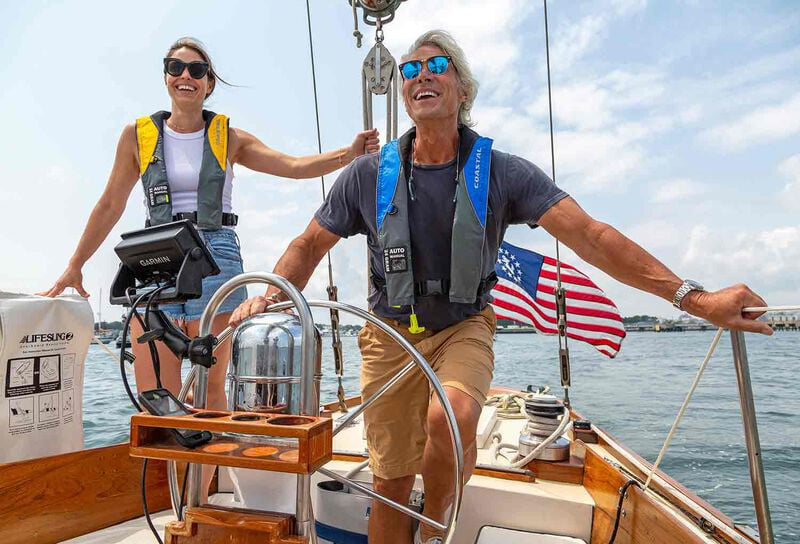 If you balk at wearing an inherently buoyant life jacket, you can satisfy USCG requirements with an inflatable model. Many boaters find them so comfortable they forget they have them on! Inflatable PFDs include recreational inflatable life jackets and more robust models for use offshore.
Must adults wear their life jackets?
Apart from the requirements mentioned above, federal law (surprisingly!) does not generally require that adults actually wear their life jackets! The exception to this being Type V foam and Type V inflatable PFDs which must be worn to be counted in a vessel's life jacket inventory. If the Coast Guard boards your boat and you are not wearing your Type V, and don’t have another type of life jacket onboard, you might receive an expensive ticket! So, to be both legal and safe, wear your life jacket! Remember: When shopping for life jackets, your best choices are life jackets that you and your crew are willing to wear!
Note: State laws may vary, please check with your state boating safety agency for the requirements in your area.
Federal versus State Requirements
Which regulations apply to waters located within both federal and state jurisdictions? When federal and state regulations differ, the more stringent of the two apply on federally controlled waters. For example, federal law requires children under 13 to wear a USCG-approved life jacket while underway, unless they are below deck or in an enclosed cabin. New York State law requires life jackets for children under 12 when underway, unless they are in an enclosed cabin. On federally controlled waters in New York, the federal “under 13” rule applies, since it is more protective. On waters under sole state jurisdiction, state regulations apply. If in doubt, check with your local authorities for the rules in your area.
We're Here to Help!
Online and in our stores, West Marine customers find the products and the advice they need. For additional help with selecting a PFD, check our West Advisor article about the Top 9 PFDs Our Customers Love; which is one of hundreds of West Advisor articles available online to you. Of course, friendly (and knowledgeable) West Marine crew members are always ready to help in over 230 West Marine stores. Click on our store locator for the location of a store near you.
Related