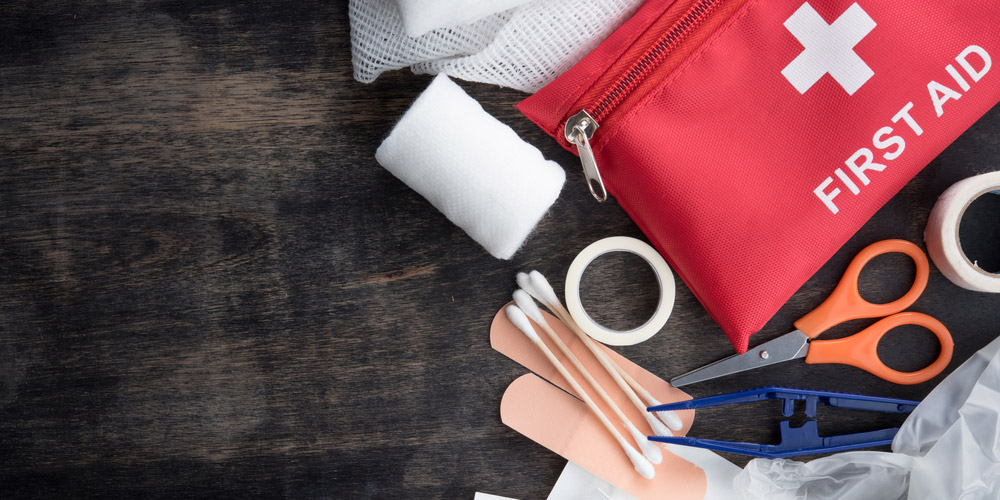
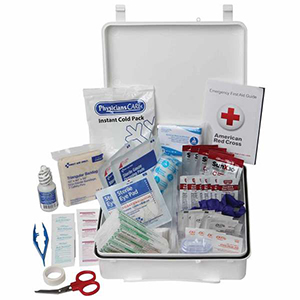
We offer a variety of medical kits that include everything you need to care for your crew on short or extended trips.
Boating is one of the last opportunities for a truly self-sufficient experience in our always-connected world, and that includes being prepared to handle medical problems. While professional medical attention may only be a few hours away in some areas, it becomes the responsibility of someone onboard to provide appropriate first aid until help arrives.
A well-stocked boating medical kit can help you treat minor injuries, stabilize more serious problems and avoid preventable complications during a trip. The right kit depends on how you boat, where you go, how long you are away from shore and who is aboard.
- First Aid Kits vs. Medical Kits
- Questions to Ask Before Choosing a Kit
- Medical Kits for Day Trips
- Medical Kits for Coastal Cruising
- Medical Kits for Offshore Boating
- How to Customize Your Boat Medical Kit
- Storage, Inspection and Expiration Dates
- Training and Emergency Planning
- Boating Medical Kit FAQ
First Aid Kits vs. Medical Kits
Do you need a first aid kit that can treat the basics like abrasions, sunburn, minor cuts and sprains? Should you invest in a more elaborate collection that can help deal with significant illnesses or injuries at sea? There is no standard medical kit that is right for every boat, so choose one based on the length of your trip, number of people aboard and how far you will be from professional help.
A basic first aid kit is usually designed for short trips and common minor injuries. A more complete marine medical kit may include additional wound care, splinting materials, medications, seasickness supplies, burn treatment, trauma supplies and reference materials. More comprehensive marine medical kits can support larger crews and longer offshore voyages.
The farther you travel from shore, the more important it becomes to think beyond bandages. Offshore crews may need supplies to stabilize injuries, manage seasickness, control bleeding, protect wounds, treat burns, support hydration and communicate effectively with medical professionals by radio or satellite device.
Questions to Ask Before Choosing a Kit
- What is your boating style? Are you primarily an angler, watersports boater, daysailor, coastal cruiser, racer or long-distance voyager? How long are you likely to be completely self-reliant: hours, days or weeks?
- Who is in your crew? Will there be children aboard? Do members of your crew have specific health concerns such as heart conditions, diabetes, severe allergies or mobility limitations? Does anyone require prescription medicine?
- What communication gear will you have aboard? Will you rely on a cell phone, VHF radio, satellite communicator, SSB or satellite phone?
- Do members of your crew have medical or first aid skills? Has anyone taken CPR, first aid, wilderness first aid or offshore safety training?
- Do you want a custom-made or off-the-shelf kit? Do you have the time, knowledge and interest to build your own kit, or would you rather start with a pre-packed kit and customize it?
- How quickly can you reach help? A kit for a protected lake near town can be much simpler than a kit for offshore fishing, distance cruising or remote anchorages.
Medical Kits for Day Trips
For short day trips, the goal is to treat common injuries quickly and keep the crew comfortable until you return to shore. A basic first aid kit should cover cuts, scrapes, blisters, minor burns, headaches, seasickness and sun exposure.
A day-trip kit should generally include adhesive bandages, sterile gauze, antiseptic wipes, medical tape, tweezers, scissors, gloves, pain reliever, motion sickness medication, sunscreen, burn gel, insect bite relief and any personal medications your crew may need.
Even for short outings, store the kit where it is easy to reach. A first aid kit buried under coolers, fishing gear or luggage may not help when someone is bleeding, burned or seasick.
Medical Kits for Coastal Cruising
Coastal cruising, weekend trips and longer fishing runs require more planning. You may still be within range of help, but weather, distance, darkness or sea conditions can slow response time. A coastal medical kit should include everything in a day-trip kit plus more robust wound care and supplies for stabilizing injuries.
Consider adding elastic wraps, triangular bandages, splinting material, wound closure strips, larger sterile dressings, cold packs, oral rehydration packets, seasickness supplies, a CPR face shield, a digital thermometer and a first aid reference guide.
If your boat carries children, seniors or guests with known medical conditions, add supplies that match those needs. Ask regular crew members to bring clearly labeled personal medications and backups when appropriate.
Medical Kits for Offshore Boating
For offshore passages, long-distance cruising or remote boating, your medical kit becomes part of the boat’s safety system. Professional care may be many hours or days away, and communication with a doctor may be limited to radio or satellite connection.
Offshore kits should be more complete and organized by category, such as bleeding control, wound care, burns, fractures and sprains, medications, seasickness, dehydration and emergency tools. A clear inventory and medical reference guide are especially important because the person using the kit may not be medically trained.
Offshore crews should also consider training. A well-stocked kit is far more useful when at least one person aboard understands first aid, CPR, bleeding control, splinting and how to communicate symptoms to medical support.
How to Customize Your Boat Medical Kit
Off-the-shelf kits are a strong starting point, but most boats benefit from customization. Add supplies based on your crew, climate, destination and activities.
- For anglers: Add hook removal tools, puncture wound supplies, extra antiseptic, nitrile gloves and fish-spine injury care items.
- For watersports: Add elastic wraps, cold packs, blister care and supplies for sprains or minor impact injuries.
- For families: Add child-appropriate medications, smaller bandages and any pediatric dosing tools recommended by your doctor.
- For offshore trips: Add more wound dressings, splints, rehydration supplies, seasickness medication and backup personal medications.
- For tropical boating: Add sunburn treatment, electrolyte replacement, insect bite relief and extra hydration support.
Prescription medications and advanced medical supplies should be selected with guidance from a healthcare professional. Make sure any medications aboard are legal, properly labeled, unexpired and appropriate for the people who may use them.
Storage, Inspection and Expiration Dates
Marine environments are hard on medical supplies. Heat, humidity, salt and vibration can damage packaging, weaken adhesives and shorten the usable life of medications. Store your kit in a dry, protected location and consider using a waterproof case or dry bag for additional protection.
Inspect your kit before the season and before any major trip. Replace expired medications, damaged packaging, missing supplies and anything that has become wet or contaminated. Keep a printed inventory inside the kit so it is easy to see what needs replacement.
Label the kit clearly and make sure everyone aboard knows where it is stored. On larger boats, consider keeping a small grab-and-go first aid kit in the cockpit and a more complete medical kit below.
Training and Emergency Planning
A medical kit is only as useful as the crew’s ability to use it. At minimum, boat owners should consider basic first aid and CPR training. Offshore boaters, racers and long-distance cruisers should consider wilderness first aid, Safety at Sea or other training that covers delayed medical response.
Before departure, brief the crew on where the medical kit is stored, how to contact help, where the VHF radio is located and who onboard has medical training. For serious injuries, contact emergency services, the Coast Guard or medical support as soon as practical.
Boating Medical Kit FAQ
What should be in a basic boat first aid kit?
A basic boat first aid kit should include bandages, sterile gauze, antiseptic wipes, medical tape, gloves, scissors, tweezers, pain reliever, seasickness medication, sunscreen, burn treatment and any personal medications needed by the crew.
Do I need a marine-specific medical kit?
A marine-specific kit is a smart choice because it is designed around boating conditions, common onboard injuries and limited access to medical care. Marine kits also tend to be packaged for wet, humid and mobile environments.
How often should I inspect my boat medical kit?
Inspect the kit at the start of each season, before long trips and anytime it has been opened during an outing. Replace expired medications, damaged packaging and used supplies immediately.
Where should I store a medical kit on a boat?
Store it in a dry, protected and clearly marked location that is easy to reach in an emergency. Everyone aboard should know where it is located.
Should offshore boats carry more than a first aid kit?
Yes. Offshore boats should carry a more comprehensive medical kit with trauma supplies, wound care, seasickness support, rehydration supplies, splinting materials, a medical reference guide and crew-specific medications.
Need More Help?
West Marine offers a variety of medical kits, first aid supplies and safety gear for short outings, coastal cruising and extended voyages. Our in-store teams can help you choose a kit that fits your boat, crew and boating style. Find your store here.