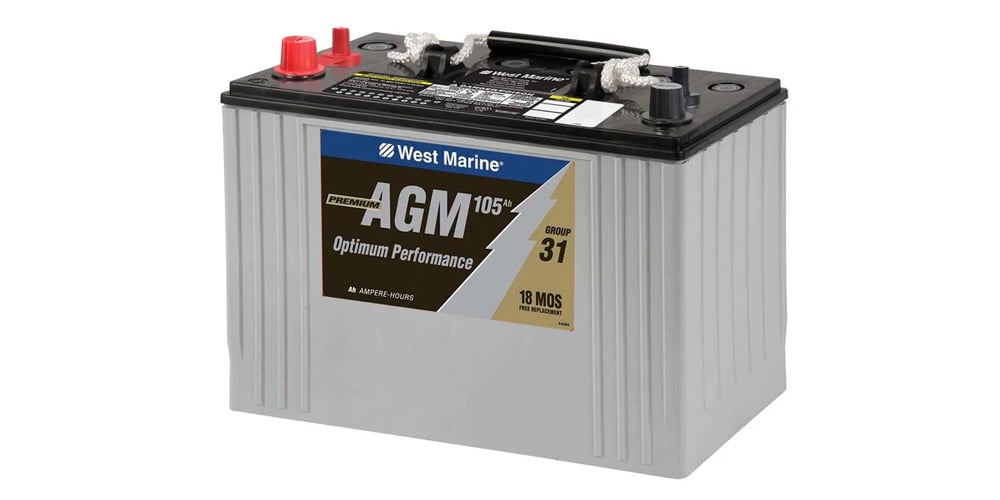
Imagine this: you're out on the water, ready for a perfect day of boating, only to find that your battery is dead. Frustrating, right? The good news is, with the right care, your AGM batteries can stay strong, reliable, and ready to power your adventures. Think of battery maintenance like training for a marathon—be consistent, follow the right steps, and you'll get peak performance when you need it most. So jump in and learn how to get the longest, most dependable life out of your AGM batteries!
- Understanding AGM Batteries
- Best Practices for Extending AGM Battery Life
- Signs Your AGM Battery Needs Replacement
- Conclusion
- AGM Battery FAQs
- Were Here to Help!
- Related Articles
Understanding AGM Batteries
AGM batteries are a type of lead-acid battery in which the electrolyte is absorbed in a fiberglass mat, rather than being in a liquid form. This design makes them spill-proof, resistant to vibration, and capable of deep cycling without the risk of stratification. Unlike traditional flooded batteries, AGM batteries require specific handling to maximize their efficiency and longevity. Compared to lithium batteries, AGM batteries have a shorter lifespan but remain a cost-effective and reliable choice for marine applications.
Best Practices for Extending AGM Battery Life
1. Charge Your AGM Battery Properly
Proper charging is critical to extending the life of an AGM battery. Overcharging or undercharging can lead to sulfation, reduced capacity, and premature failure. Follow these guidelines for optimal charging:
- Use a smart portable or fixed-mount battery charger that has an AGM battery charging routine. These chargers regulate voltage and prevent overcharging.
- Charge at the recommended voltage range (typically between 14.4V and 14.8V for bulk charging and 13.2V to 13.8V for float charging, depending on the manufacturer’s specifications).
- Avoid excessive heat during charging, as high temperatures can degrade the battery’s internal components.
- Ensure your battery is fully charged before storage to prevent sulfation buildup.
- Consider battery chargers that include a desulfation modes, to help maintain battery health.
2. Avoid Deep Discharges
While AGM batteries are designed for deep cycling, frequent deep discharges (below 50% state of charge) can shorten their lifespan. Whenever possible:
- Recharge your battery before it drops below 50% capacity.
- Install a voltage monitor (found among our electrical monitors) to track voltage and state of charge.
- If using your AGM battery for a backup system, put it on an automatic charging schedule to prevent deep discharge.
3. Maintain Proper Storage Conditions
During the off-season, improper storage can lead to self-discharge and battery degradation. To store AGM batteries correctly:
- Keep them in a cool, dry place, ideally between 50°F and 77°F.
- Avoid exposure to extreme temperatures, as excessive heat accelerates degradation and extreme cold reduces capacity.
- Ensure the battery is fully charged before long-term storage, and periodically recharge every 3 to 6 months to prevent deep discharge.
- Follow AGM battery storage guidelines to minimize self-discharge rates and extend lifespan.
4. Regularly Inspect and Clean Your Battery
Even though AGM batteries are billed as "maintenance-free", periodic inspections can prevent issues and prolong life.
- Check for loose or corroded terminals and clean them with a mixture of baking soda and water.
- Ensure the battery connections are tight and secure.
- Inspect the battery case for cracks or swelling, which could indicate overheating or internal damage.
- Learn about AGM battery reconditioning options if performance declines.
5. Use the Right Battery for the Application
Using an AGM battery that isn’t suited for your specific needs can lead to excessive wear and reduced performance. Consider:
- Starting AGM batteries for applications needing high cranking power, such as marine engines.
- Dual-purpose AGM batteries if you require a combination of deep cycling and starting capabilities.
6. Prevent Overloading and Excessive Drain
Excessive loads can cause unnecessary strain on an AGM battery, shortening its life.
- Avoid running too many high-powered devices simultaneously.
- Install a battery management system (BMS) to monitor load and prevent overuse.
- Make sure the charging system (alternator, solar controller, or charger) is correctly sized to handle your battery’s capacity.
7. Invest in a Quality AGM Battery Charger
Not all battery chargers are designed for AGM batteries. A high-quality charger with an AGM setting ensures optimal performance. Look for chargers with:
- Multi-stage charging (bulk, absorption, and float stages).
- Temperature compensation to adjust voltage based on ambient temperature.
- Automatic maintenance mode to keep the battery topped up during storage.
Signs Your AGM Battery Needs Replacement
Even with proper care, AGM batteries have a limited lifespan. Watch for these warning signs that indicate it’s time to replace your battery:
- Diminished capacity: The battery discharges faster and doesn’t hold a charge as long.
- Slow charging: The battery takes longer than usual to recharge fully.
- Bulging or deformed casing: Swelling or cracks indicate internal damage.
- Corrosion or leaking: While rare with AGM batteries, any sign of leakage is a red flag.
Conclusion
Taking care of your AGM batteries isn’t just about extending their lifespan—it’s about ensuring your boat, RV, or backup power system is always ready when you need it. With just a little attention to charging, storage, and maintenance, you can get years of reliable performance. Think of it as a small effort that pays off big in the long run.
AGM Battery FAQs
How often should I charge my AGM battery?
Charge your AGM battery as needed to keep it above 50% state of charge. If in storage, recharge every 3 to 6 months.
Can I use a regular car battery charger on my AGM battery?
No, use a charger specifically designed for AGM batteries to prevent overcharging and damage.
What is the ideal charging voltage for an AGM battery?
The ideal bulk charging voltage is 14.4V to 14.8V, and float charging voltage is 13.2V to 13.8V, depending on the manufacturer.
How can I tell if my AGM battery is sulfated?
Symptoms include slow charging, reduced capacity, and higher-than-normal voltage readings under load.
Is it okay to store an AGM battery in cold temperatures?
Yes, but extreme cold can reduce capacity. Fully charge the battery before storage and avoid deep discharge.
How long do AGM batteries typically last?
With proper maintenance, AGM batteries can last 4 to 7 years, depending on usage and charging habits.
Were Here to Help!
Whether it's upgrading your boat's electrical system, purchasing life jackets or gearing up for a fishing trip, West Marine has more of everything boaters need for great times on the water. Order online or in one of over 230 West Marine stores. Use our store finder for directions to a West Marine store near you.