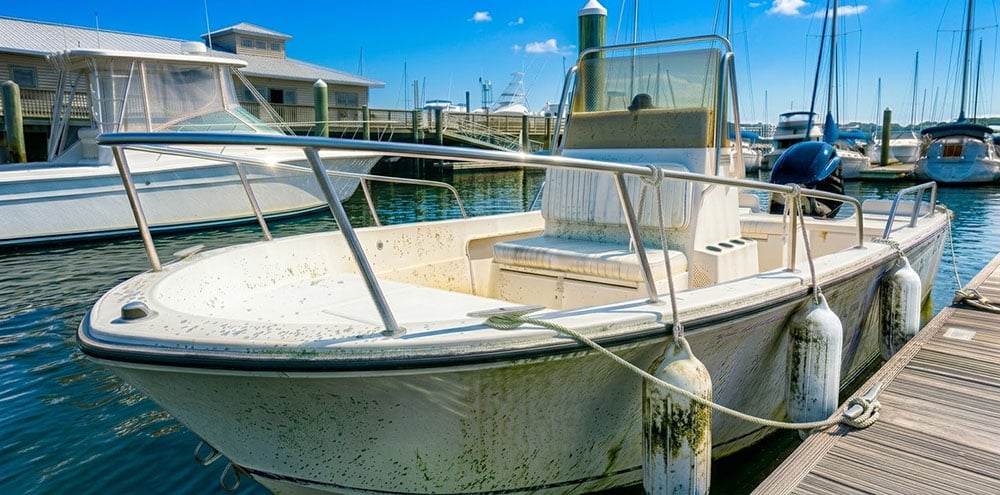
In the video below, kindly provided to West Marine by BoatUS, Lenny Rudow explains that combating mold and mildew on a boat comes down to prevention, proper cleaning, and moisture control. He notes that while modern materials often include antimicrobial treatments, these only last if cared for correctly—meaning gentle cleaning and avoiding harsh or abrasive products. Mold takes hold where dirt and moisture accumulate, so routine upkeep is essential. As materials age, stronger cleaners may be needed, but controlling damp conditions remains the most important factor. Ultimately, he stresses that while good habits can delay the problem over time, mold and mildew may eventually gain the upper hand, making replacement of affected materials necessary.
Here’s the breakdown of what Lenny has to say:
1. Keep Surfaces Clean (First Line of Defense)
- Mold and mildew grow on dirt and organic residue (like bird droppings)
- Regularly clean vinyl, canvas, and cushions using:
- Fresh water
- Gentle boat soap
- A soft rag
- Avoid abrasive tools or harsh cleaners, as they can remove protective coatings
2. Protect Newer Materials
- Newer vinyls and canvases often have antimicrobial treatments
- To preserve these:
- Don’t scrub aggressively
- Don’t use bleach
- Avoid strong mildew-removal chemicals
- Gentle cleaning is sufficient while the protective layer remains intact
3. Use Stronger Cleaners on Older Materials
- Antimicrobial protection wears off over time
- When it does:
- Use dedicated mold/mildew removers
- Target affected areas as needed
4. Control Moisture Inside the Boat
- Mold thrives in damp, enclosed environments—especially below deck
- Reduce humidity by:
- Using moisture-absorbing products
- Ventilating enclosed spaces when possible
- This is especially important during storage (e.g., winter or shrink-wrapping)
5. Remove and Store Soft Items When Possible
- Take out cushions, curtains, and other fabrics
- Store them in a dry environment such as:
- A closet
- A garage
- This helps prevent mold growth during downtime
6. Accept That Some Mold Is Inevitable
- Mold can penetrate deep into fabric and foam—not just the surface
- When this happens:
- Cleaning may no longer be effective
- Replacement is often necessary
- Re-covering cushions alone won’t solve the problem—you’ll need new foam/materials
Bottom Line
- Keep your boat clean and dry
- Adjust cleaning methods based on material age
- Control moisture aggressively
- Replace items when mold becomes embedded
Key Takeaway
You can slow mold and mildew down significantly, but you can’t stop it forever—consistent maintenance simply helps you stay ahead of the problem for as long as possible.
We're Here to Help!
At West Marine, we’re here to help you make every moment on the water count. With expert advice, premium gear, and over 200 stores ready to serve you, we’ve got more of everything you need for unforgettable boating adventures. Use our store finder to locate a West Marine store near you.


