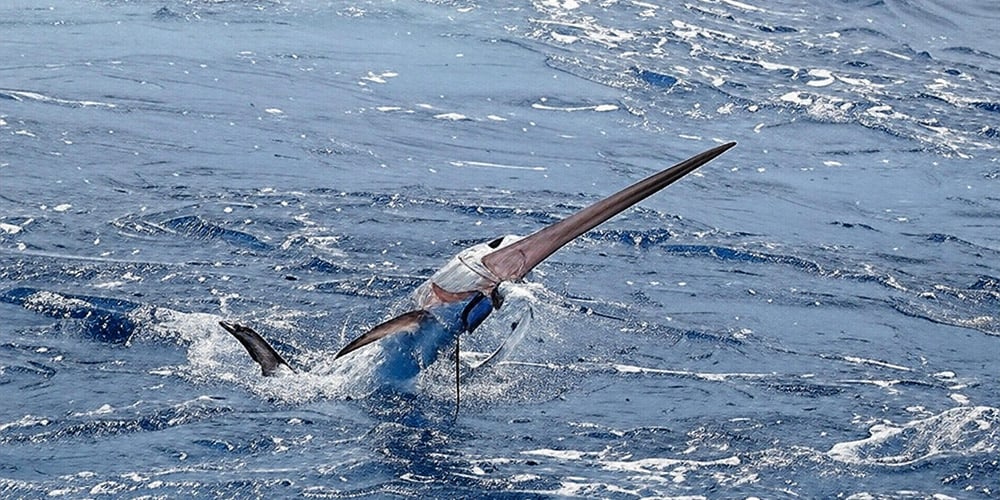
Swordfish (Xiphias gladius), known for their long, sword-like bills and remarkable strength, are among the most prized game fish in offshore angling. Revered for their ability to dive deep and fight hard, swordfish challenge anglers physically and mentally. Their reputation as elusive, nocturnal creatures is being redefined by modern fishing tactics, especially the development of deep-drop methods that allow anglers to target them during the day.
The United States offers some of the best swordfishing grounds in the world. From Florida’s Gulf Stream edges to the oil-rich waters of the Gulf of Mexico and the deepwater canyons off the Northeast, each region presents unique challenges and opportunities. This comprehensive guide will help you understand how to catch swordfish, with expert-level insights on gear, bait, techniques, and prime fishing zones.
- Swordfish Fishing Overview
- Primary Swordfish Fishing Methods
- Best Locations for Swordfishing in the U.S.
- Swordfish Fishing Gear and Tackle
- Best Bait for Swordfish
- Swordfish Rigs and Deep Drop Techniques
- How to Catch Swordfish: Step-by-Step
- Swordfish Fighting Techniques and Tricks
- Safety and Legal Considerations
- 10 Most Common FAQs About Swordfish Fishing
- Conclusion
Swordfish Fishing Overview
Swordfish are highly migratory pelagic predators that inhabit both tropical and temperate oceans. They spend daylight hours in deep, cold waters ranging from 1,200 to 1,800 feet and ascend to shallower depths at night to feed. Adapted to extreme pressure and low-light environments, they possess a unique organ that heats their brain and eyes, enhancing their ability to hunt effectively in the dark depths.
Catching swordfish requires a precise and methodical approach. Unlike surface feeders, swordfish often exhibit subtle bites and demand specialized gear to reach and maintain baits in deep water. Anglers must employ electric reels, heavy sinkers, and breakaway rigs to fish effectively at these depths. Patience is key, as detecting and responding to a swordfish strike often involves long hours of observation and adjustment.
Primary Swordfish Fishing Methods
Daytime Deep Dropping
This is currently the most popular and effective technique for swordfishing. Anglers use breakaway rigs with heavy sinkers to reach the bottom and present baits near the deep scattering layer. The method relies on subtle bite detection and often employs electric reels due to the extreme depth. Daytime deep dropping revolutionized the sport in the early 2000s, making swordfish accessible to a far broader range of offshore anglers than the traditional night drift approach allowed. The ability to fish during daylight hours means more fishing time per trip and the option for same-day runs from ports like Jupiter and Fort Pierce rather than overnight expeditions.
Nighttime Drift Fishing
This traditional method is still widely used, particularly in the Northeast canyons. Anglers drift with baits rigged at 100–400 feet, taking advantage of swordfish feeding behavior closer to the surface after dark. Glow sticks and strobe lights are used to enhance visibility. Night drifting allows multiple lines to be set at varying depths simultaneously, increasing coverage and the probability of encountering fish at different zones within the water column. The method requires careful attention to drift speed — ideally 0.5 to 1.5 knots — and frequent checks to confirm bait integrity and position.
Buoy and Jug Line Systems
Predominantly used in the Gulf of Mexico, these setups suspend baits at a fixed depth beneath floating buoys or jugs. The method allows coverage of a wider area and can be effective where vertical lines are impractical due to current. Buoy systems are particularly effective when targeting fish near oil platforms and natural bottom structure, where conventional vertical drops are difficult to maintain in strong Gulf currents. Each buoy acts as an independent fishing station that can be monitored and retrieved when a fish takes the bait.
Trolling
Less common today, trolling for swordfish involves pulling rigged squid or soft plastics through productive zones. This technique is largely used in transitional conditions, where deeper tactics aren’t feasible. It can be effective when swordfish are observed feeding near the surface during unusual oceanographic conditions, or as a method of covering water while searching for a productive drop zone.
Best Locations for Swordfishing in the U.S.
Florida East Coast
Florida is the epicenter of American swordfishing. The proximity of the Gulf Stream creates optimal conditions for both day and night fishing. Swordfish are accessible within 20–50 miles offshore, with consistent bites nearly year-round. Top departure points include Fort Pierce, Jupiter, and Islamorada.
Anglers in Florida often target swordfish using daytime deep-drop techniques. The combination of warm currents and baitfish concentrations makes it ideal for precision fishing. Many charter operations are equipped with specialized tackle, and local expertise is abundant, making Florida a go-to destination for newcomers and veterans alike. The western edge of the Gulf Stream, where warm blue water meets the 1,500-foot contour, is the most consistent holding zone for Florida swordfish.
Gulf of Mexico
The Gulf of Mexico offers diverse and fertile waters for swordfishing. From the deep drop-offs off Venice, Louisiana, to the salt dome formations near Destin, Florida, the region supports a healthy swordfish population. Summer through early fall is the best time, with calmer seas and predictable weather patterns.
Swordfish in the Gulf are often found near oil platforms, seamounts, and natural structures. Both daytime dropping and buoy systems are commonly used. The area is also known for producing large specimens, and anglers frequently report encounters with fish exceeding 300 pounds. The depth contours off Venice, Louisiana drop dramatically within a relatively short run from shore, making it one of the most accessible deepwater swordfishing destinations in the country.
Northeast Canyons
The Northeast’s offshore canyons — like Hudson, Veatch, and Toms — are legendary for their pelagic bounty. These submarine canyons attract swordfish from July to October, especially when warm-core eddies push into colder waters. Due to their distance from shore, trips typically span 24–48 hours.
Night drifting dominates this region, with multiple lines deployed at various depths. Squid rigs, glow sticks, and patience are the keys to success. Despite the long run, the potential for multiple hook-ups, large swordfish, and other species like tuna and mahi makes the canyons a worthy pursuit. Warm-core eddies that spin off the Gulf Stream and push north into the canyons are the primary trigger for exceptional swordfishing — monitoring satellite SST charts before a trip is essential for timing the best bite windows.
Southern California
Southern California’s swordfish scene is growing due to technological improvements and targeted effort. Deep drop swordfishing is now a viable option off San Diego, Catalina, and the Channel Islands. These fishery advancements have opened new doors in a traditionally marlin-focused region.
Anglers target swordfish at depths of 1,200–1,800 feet, often over underwater canyons or ridges. Because of the highly regulated nature of West Coast fisheries, proper permits and local knowledge are essential. The cold Pacific current requires precise presentation and drift planning for consistent success. Southern California swordfishing has grown significantly since electric reels made the extreme depths more manageable for smaller private vessels.
Swordfish Fishing Gear and Tackle
Rod and Reel Setup
Targeting swordfish demands high-capacity reels and strong, short rods designed for leverage and power. Two-speed lever drag reels (50W class) or electric-assisted reels are standard. These are paired with 5’6” to 6’ rods, either bent or straight butt, capable of handling 50–100 lb class line and maintaining strength during extended fights.
The mainline is typically 65–80 lb braided line for its strength and low diameter. It is topped with a 150–300 lb monofilament wind-on leader to absorb shock and improve abrasion resistance. Wind-on leaders allow for smoother retrieval through guides and easier handling near the boat. Electric reels have become the dominant choice for daytime deep dropping because retrieving 1,500 feet of line manually after a prolonged fight is physically exhausting and time-consuming — electric-assist models dramatically reduce fatigue and allow anglers to fish multiple drops per day.
Terminal Tackle and Accessories
Terminal gear should include circle hooks between 9/0 and 11/0, crimped onto 400 lb mono with chafe tubing. Sinkers from 10–15 lb are attached using wax thread or thin wire for easy breakaway. Swordfish rigs also require deepwater lights, like LED strobes or glow sticks, positioned 5–10 feet above the bait.
For safety and effectiveness, include gloves, gaffs, harnesses, and backup rigging supplies. Many swordfishing teams also use buoy rods or floats for additional bait spread or depth control. Chafe tubing on the leader near the hook is important — a swordfish that wraps the leader around its bill can abrade and cut unprotected mono quickly during a fight.
Best Bait for Swordfish
Swordfish have excellent vision and are opportunistic feeders, making bait selection critical. Large squid is the most popular option, whether whole, skirted, or paired with belly strips. Bonito and dolphin (mahi) belly flaps are also durable and high in oil content, making them attractive at depth.
Other effective baits include ladyfish, Spanish mackerel, and rigged eel. The key is durability and scent — baits must stay intact through long drifts and withstand the pressure changes of being lowered to extreme depth. Rigging should be tight and streamlined to avoid spinning in the current, which can deter bites or foul lines.
Baits are stitched onto hooks using rigging floss and reinforced with shrink wrap or skirts. Lighted baits mimic bioluminescent prey and help trigger strikes from visual hunters like swordfish. In the deep scattering layer where swordfish feed during daylight hours, bioluminescent prey are a primary food source — the LED strobe or glow stick above your bait is not optional, it is a fundamental part of the presentation that significantly improves strike rates at depth.
Swordfish Rigs and Deep Drop Techniques
Daytime Swordfish Rig
The standard daytime swordfish rig includes a mainline of 80 lb braid, a wind-on leader of 250–400 lb mono, a breakaway lead (10–15 lb), and a large circle hook rigged with a stitched bait. Above the bait, anglers attach glow sticks or strobes to increase visibility.
The breakaway lead is secured with wax thread or light wire and releases upon hitting the bottom. This allows the bait to drift up naturally into the strike zone, mimicking an injured fish or squid. The bait remains suspended, increasing the chances of a strike during the drift. The wax thread connection to the sinker is deliberately weak — it needs to break cleanly on bottom contact without being so fragile that it breaks prematurely during the drop. Most experienced swordfishing crews wrap 12–15 turns of waxed thread and test their wrap tension before the season to dial in the correct breakaway force.
Drop and Drift Strategy
Use sonar to identify deep scattering layers, bait balls, or thermoclines between 1,200–1,800 feet. Once the location is set, drop the rig to the seafloor and break the sinker. Drift at 0.5 to 1.5 knots over underwater features, adjusting rod tips for any sign of contact or slack line.
Reel checks should occur every 60–90 minutes to ensure bait integrity and position. Always monitor for subtle rod tip movement — swordfish strikes can appear as slack line or faint tapping rather than the aggressive load-up you might expect from a large pelagic fish. Many bites go undetected by inexperienced crews because the initial take is so subtle. Maintaining tension on the line and watching the rod tip continuously rather than setting a rod in a holder and walking away is what separates consistent swordfishing crews from those who come home empty.
How to Catch Swordfish: Step-by-Step
- Plot a productive drift using wind and current data, aligning the boat with underwater structure or canyon edges. Review satellite SST charts and NOAA bathymetric maps before departure to identify the most productive depth contours for your target zone.
- Prepare your bait by stitching securely and removing anything that might cause spinning. A spinning bait produces unnatural motion and can twist your leader, both of which significantly reduce bite rate.
- Attach lights just above the bait to simulate bioluminescent prey in the deep dark. Position the strobe or glow stick 5–10 feet above the hook, not directly on the bait.
- Drop your rig slowly, avoiding tangles, until it contacts the bottom and the sinker breaks away. Use your sonar to confirm depth and watch your line counter as you drop to know exactly where your bait is in the water column.
- Monitor the rod constantly for slack, twitches, or rod tip loading. Assign one crew member specifically to rod watch during each drop.
- Apply drag smoothly when a bite is detected, avoiding hard sets — let the circle hook find purchase naturally as the fish turns and moves away. A premature hard strike typically pulls the hook from a circle-rigged bait before it has seated properly.
- Fight the fish steadily, using proper harness technique and reel management until the fish surfaces. Pace yourself for a fight that may last several hours on a large fish.
Swordfish Fighting Techniques and Tricks
Fighting a swordfish can last from 30 minutes to several hours. Use a stand-up harness or fighting chair to distribute pressure across your core and legs. Keep your back straight and knees slightly bent, relying on body weight rather than arms alone. Fighting a large swordfish from 1,500 feet on a stand-up harness without proper body mechanics will exhaust most anglers within 30 minutes — the fish is still fresh, and you have a long way to go.
During the initial run, let the fish tire itself out without applying excessive drag. Once the fish settles mid-water, use low-speed reel gearing to slowly lift it up, inch by inch. Apply constant tension to prevent slack, which could result in a thrown hook. A slack line moment during the fight is the most common cause of lost swordfish — the circle hook can back out of a soft bite hold the instant tension is lost.
When the fish nears the boat, avoid rushing the gaff shot. Many swordfish “pinwheel” near the surface — circling beneath the boat before tiring completely. This phase can last 20–30 minutes and tests the patience of the entire crew. Assign crew roles clearly before the fight begins: one person on the reel, one on the leader, one on the gaff. Keep the deck clear of gear, use a flying gaff when the fish is in range and properly positioned, and never attempt the gaff shot until the fish is on its side and showing exhaustion. A fresh swordfish at boatside with its bill in range of crew is a genuine injury risk.
Safety and Legal Considerations
Swordfish are powerful and unpredictable at close quarters, making safety critical during the landing process. Always wear gloves when handling wind-on leaders and use gaffs only after the fish is properly subdued. Their bills are sharp, and thrashing fish can cause serious injury. Keep the deck clear of obstacles and ensure all crew members are briefed on their roles before the fish comes boatside.
From a regulatory perspective, swordfish are managed by NOAA Fisheries in federal waters and may also be subject to state-specific rules. Most areas have size and bag limits, with typical retention rules allowing one swordfish per angler. Ensure your vessel holds the proper Highly Migratory Species (HMS) permit, and check if reporting or harvest tags are required. Ethical harvest and selective retention are encouraged to preserve the fishery for future generations. The minimum size limit for swordfish in Atlantic and Gulf federal waters is 47 inches lower jaw fork length — measure every fish before making the decision to retain.
10 Most Common FAQs About Swordfish Fishing
Most anglers target depths between 1,200 and 1,800 feet. This zone contains the deep scattering layer where swordfish feed on squid, lanternfish, and other prey during daylight hours. Sonar returns and satellite water temperature data help identify the most productive depth ranges on any given day.
Large squid is the most widely used bait, followed by bonito belly, dolphin belly, and ladyfish. The bait should be stitched and durable enough to handle long drifts and deep-water pressure. A lighted rig with an LED strobe or glow stick placed 5–10 feet above the bait significantly increases strike rates by mimicking bioluminescent prey.
A breakaway rig uses a heavy sinker (10–15 lb) connected to the main line with wax thread or light wire that breaks free once it contacts the bottom. This releases the bait to rise naturally into the strike zone, mimicking an injured baitfish or squid, and reduces tangle risk during drifts. The sinker is sacrificed on each drop.
Yes. At night, swordfish rise to feed much closer to the surface — typically 100–400 feet — making them accessible without the extreme depths required during daylight hours. Anglers use drifting techniques with glow squid rigs and strobe lights to mimic prey. Night drifting allows multiple lines to be fished simultaneously at varying depths.
A two-speed lever drag reel in the 50W class, or an electric-assist reel, paired with a 5’6”–6’ bent or straight butt rod rated for 50–100 lb class line is the standard setup. Electric reels have become the preferred choice for daytime deep dropping because retrieving 1,500 feet of line manually after a long fight is physically exhausting. The mainline is typically 65–80 lb braid topped with a 150–300 lb monofilament wind-on leader.
Florida’s East Coast — particularly the Gulf Stream edge off Jupiter, Fort Pierce and Islamorada — is the top destination for consistency and accessibility, with near-year-round swordfishing. Other prime areas include the Gulf of Mexico (Venice, Louisiana and Destin, Florida), the Northeast submarine canyons (Hudson, Veatch, Toms) from July through October, and Southern California’s offshore canyons.
Swordfish bites are often subtle and easily missed. Watch for slack line (the most common indicator), small rod tip movements, or a sudden load-up of the rod. Many strikes occur while the bait is rising naturally after the sinker breaks away. Maintaining constant tension and assigning a dedicated rod watcher during each drift is critical — bites that go undetected for even a few minutes often result in a dropped bait rather than a hooked fish.
Circle hooks in the 9/0 to 11/0 range are standard. Circle hooks are preferred over J-hooks because they seat naturally in the corner of the jaw as the fish turns and moves away from the bait, without requiring a hard hook set. Match hook size to bait size — a 9/0 for smaller squid or belly strips, a 10/0 or 11/0 for whole large squid or full-size baitfish. Hooks should be crimped onto 400 lb mono leader with chafe tubing at the connection point.
Yes. A NOAA Highly Migratory Species (HMS) recreational permit is required for any vessel fishing for swordfish in federal waters. To obtain a permit for your boat, begin the process at the NOAA fisheries permits portal. Some states may have additional licensing or reporting requirements. Check your state’s specific rules before fishing, as requirements and size limits can vary.
Seasonality varies significantly by region. Spring and fall are most productive in Florida, when the Gulf Stream is most active and swordfish are migrating through the area. Summer is the prime season in the Northeast canyons, particularly July through September when warm-core eddies push north. Southern California fishes best in summer and fall. The Gulf of Mexico offers productive swordfishing from late spring through early fall. Year-round swordfishing is possible off Florida’s East Coast and in some Gulf zones.
Conclusion
Swordfish represent the pinnacle of offshore big-game angling. With their incredible speed, deep dives, and explosive surface behavior, they challenge even the most seasoned anglers. Mastering swordfish fishing involves more than just dropping a bait — it requires strategic planning, technical knowledge, physical endurance, and respect for the fish.
Whether you’re fishing over the edge of the Gulf Stream, near a Gulf oil platform, or on a canyon trip off the Northeast, this guide provides the tools and insights you need to target swordfish effectively. With careful preparation and adherence to best practices, you can experience the thrill of battling one of the ocean’s most formidable predators — and earn your place among the elite who have landed one. Browse West Marine’s full selection of conventional reels, offshore rods, and fishing tackle to build out your swordfish setup.