
Ever stood in front of a wall of seemingly identical oil filters and had no idea which one you need? We've got you. We'll walk you through a few easy steps to finding the right oil filter for your boat and explain what to look for when choosing a replacement.
- How an Oil Filter Protects Your Engine
- Different Types of Oil Filters for Boats
- How to Choose the Right Oil Filter
- Common Oil Filter Misconceptions
- How to Replace a Boat Oil Filter
- What Happens if You Use the Wrong Oil Filter?
- Oil Filter Maintenance Tips
- Frequently Asked Questions
How an Oil Filter Protects Your Engine
As engine oil circulates through your engine, it picks up contaminants including carbon deposits, combustion byproducts, microscopic metal particles and dirt. Without proper filtration, these contaminants continue circulating through the lubrication system where they can accelerate wear on bearings, journals, camshafts and other critical engine components.
The oil filter captures these particles before they can cause damage. By keeping oil cleaner for longer, the filter helps maintain proper lubrication, supports engine efficiency and extends engine life.
Marine engines often operate under heavy loads for extended periods, making clean oil especially important. A quality oil filter helps ensure your engine receives consistent lubrication whether you're cruising, trolling or running offshore.
Different Types of Oil Filters for Boats
Oil filters generally fall into two categories. Identifying which type your engine uses is the first step toward selecting the correct replacement.
Spin-On Oil Filters
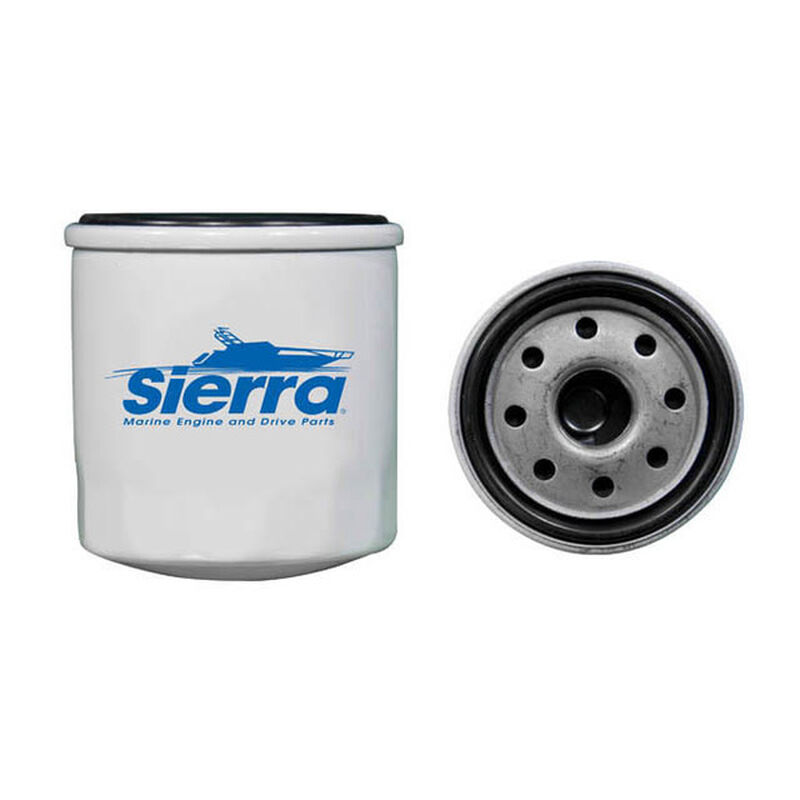
Spin-on filters are the most common style found on marine gasoline and diesel engines. The filter housing and filtration media are contained within a single unit that threads directly onto the engine's filter mount.
Spin-on filters are typically quick and easy to replace, making routine maintenance straightforward. Most boat owners can complete replacement with a filter wrench and basic hand tools.
Cartridge Oil Filters
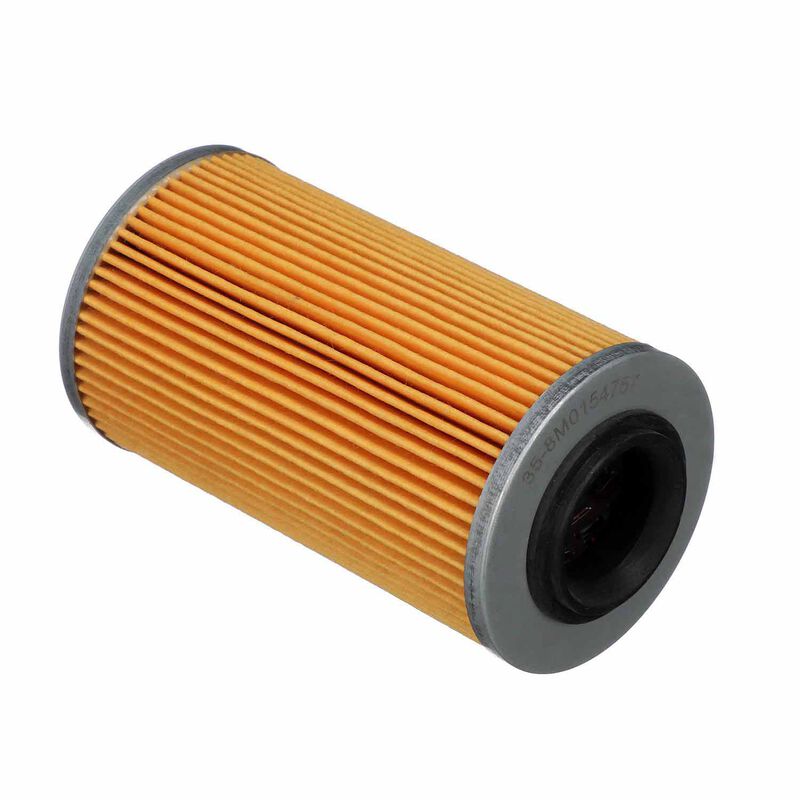
Cartridge oil filters use a replaceable filter element housed inside a reusable canister. During service, the canister is opened, the filter media is replaced and the housing is reassembled.
While cartridge systems reduce waste because the housing is reused, they can be slightly messier to service than spin-on filters. Keep absorbent towels and an oil catch pan nearby during replacement.
How to Choose the Right Oil Filter for Your Boat
The easiest way to determine which oil filter you need is to match the manufacturer and part number on the filter currently installed on your engine. This ensures you're purchasing an exact replacement designed for your engine's specifications.
If the existing filter is unavailable or unreadable, consult your engine owner's manual or use Sierra's Engine Part Finder. You'll typically need the engine manufacturer, model number and production year to identify compatible replacement filters.
When selecting a replacement oil filter, verify:
- Correct manufacturer cross-reference number
- Proper thread size and gasket dimensions
- Compatibility with your specific engine model
- Marine-rated construction and corrosion resistance
- Recommended filtration efficiency and flow rate
Marine oil filters are engineered for the demands of the boating environment. Always use a filter recommended by the engine manufacturer or a reputable marine aftermarket supplier.
Common Oil Filter Misconceptions
There is plenty of misinformation surrounding oil filters. Here are several common myths boaters should avoid.
-
"All oil filters are the same." Oil filters vary significantly in filtration efficiency, bypass valve settings, construction quality and flow characteristics. Choosing the wrong filter can reduce engine protection.
-
"The cheapest filter works just as well." Lower-cost filters may use less filtration media, weaker construction or lower-quality sealing materials. A quality filter is inexpensive compared to the cost of engine repairs.
-
"Oil filters last forever." Oil filters eventually become saturated with contaminants. Following manufacturer-recommended replacement intervals helps maintain proper filtration and lubrication performance.
-
"Changing the oil means the filter doesn't matter." Fresh oil can quickly become contaminated if an old filter remains in service. Replacing both together provides the best protection.
How to Replace the Oil Filter on a Boat
Selecting the correct filter is only half the job. Proper installation is equally important.
Consult Your Owner's Manual: Review recommended oil and filter replacement procedures for your specific engine.
Gather Tools and Supplies: Have a filter wrench, rags, oil absorbent pads, replacement filter and fresh engine oil ready.
Warm the Engine: Run the engine briefly to warm the oil and improve flow during extraction.
Remove the Old Oil: Most boats require an oil change pump to extract used oil. Refer to our Changing Boat Engine Oil guide for complete instructions.
Remove the Old Filter: Use a filter wrench if necessary and turn the filter counterclockwise. Be prepared for residual oil.
Inspect the Mounting Surface: Verify the old gasket has been removed and clean the mounting surface thoroughly.
Lubricate the New Gasket: Apply a light coating of fresh oil to the filter gasket before installation.
Install the New Filter: Thread the filter on by hand and tighten according to manufacturer recommendations.
Refill with Fresh Oil: Add the correct oil type and quantity specified by the engine manufacturer.
Start and Inspect: Run the engine and check carefully for leaks around the filter and drain points.
Dispose Responsibly: Recycle used oil and filters according to local environmental regulations.
What Happens if You Use the Wrong Oil Filter?
Using the wrong oil filter can create serious problems. Incorrect thread sizes or gasket dimensions may lead to leaks or filter failure. Improper flow characteristics can reduce lubrication performance and potentially damage engine components.
If a replacement filter appears different from the original filter, stop installation and verify part numbers before proceeding. Never force a filter onto the mounting threads.
Potential consequences of using the wrong filter include:
- Oil leaks
- Loss of oil pressure
- Premature engine wear
- Filter gasket failure
- Damage to filter mounting surfaces
- Catastrophic engine damage
Oil Filter Maintenance Tips
Routine oil and filter maintenance is one of the most important services you can perform on your boat engine. Following these best practices can help maximize engine life:
- Replace the oil filter whenever changing engine oil.
- Inspect for leaks after every oil service.
- Keep spare filters onboard for extended cruising.
- Follow manufacturer service intervals rather than guessing.
- Record maintenance dates and engine hours.
- Inspect removed filters for signs of excessive metal particles that could indicate internal engine issues.
Frequently Asked Questions
How often should I replace my boat's oil filter?
Most manufacturers recommend replacing the oil filter every time the engine oil is changed. Always follow the service interval outlined in your owner's manual.
Can I use an automotive oil filter on a marine engine?
Even if an automotive filter appears to fit, marine engines should use filters approved by the engine manufacturer or marine aftermarket supplier. Marine-rated filters are designed for boating environments and engine requirements.
Should I fill a new oil filter with oil before installing it?
Many larger spin-on filters can be partially pre-filled before installation to reduce dry startup time. Consult your engine manufacturer for recommendations specific to your engine.
What causes oil filter leaks?
Common causes include double gaskets, damaged threads, improper tightening, worn mounting surfaces or using the wrong filter.
What should I do if I find metal particles in my oil filter?
A small amount of fine metallic material may be normal, but excessive metal debris can indicate internal engine wear. Consult a qualified marine technician if you discover significant metal contamination.
Conclusion
Choosing the right oil filter is a simple but important part of protecting your marine engine. By identifying the correct filter type, following manufacturer recommendations and replacing filters on schedule, you can help maximize engine reliability and longevity while reducing the risk of costly repairs.
With the right filter installed and fresh oil circulating through your engine, you'll be ready for another season on the water.
Need More Help?
Our in-store teams have you covered. With plenty of lifelong boaters on our crew, we have the know-how you need for any maintenance project. Find your store here.