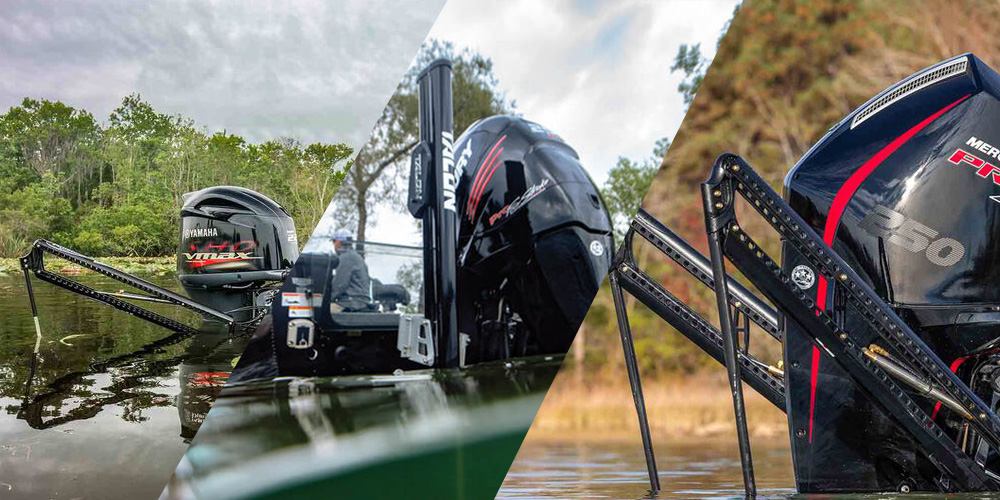
Shallow water anchors provide a massive advantage when fishing in windy conditions or working a specific piece of cover. They deploy quickly and quietly, burying themselves in the bottom and keeping your boat pinned exactly where you want it — so you can focus on fishing instead of managing your position. This guide covers the three leading brands, the hydraulic vs. electric decision, and what each anchor is best suited for.
- Why You Need a Shallow Water Anchor
- Hydraulic vs. Electric Shallow Water Anchors
- Best Shallow Water Anchor Brands
- Power Pole Shallow Water Anchors
- Minn Kota Shallow Water Anchors
- Lewmar Shallow Water Anchors
- Which Shallow Water Anchor Is Best?
- How Much Do Shallow Water Anchors Cost?
- FAQs
Why You Need a Shallow Water Anchor
A shallow water anchor lets you lock onto a specific spot at the push of a button — no rope, no traditional anchor, no drifting. Spot a piece of promising cover? Deploy the anchor and you’re ready to cast in seconds. Without wind or current pushing you off position, you can work cover methodically and thoroughly instead of constantly repositioning.
For even more stability, a dual anchor setup gives your boat two contact points with the bottom, preventing both lateral drift and rotation on the axis of a single anchor. Dual setups are standard on tournament boats for this reason.
Hydraulic vs. Electric Shallow Water Anchors
Shallow water anchors deploy using either an electric linear actuator or a hydraulic pump system. This is one of the most important decisions you’ll make before buying — it affects installation complexity, space requirements, durability, and operating feel.
Electric Actuator Anchors
Electric anchors use a motor-driven linear actuator to push the spike into the bottom. They are simpler systems with fewer components and no hydraulic fluid, hoses, or pump to install.
- Easier to install: No hydraulic pump, reservoir, or hose runs required. Most electric anchors can be installed in a few hours by a competent DIYer.
- Less space required: No pump housing to mount and no hose routing through the boat.
- Lower upfront cost: Electric systems are generally less expensive than hydraulic equivalents.
- Saltwater durability considerations: Electric actuator mechanisms have more exposure to saltwater intrusion than hydraulic systems. Rinsing the actuator thoroughly after every saltwater use and following the manufacturer’s maintenance schedule extends service life significantly.
Hydraulic Anchors
Hydraulic anchors use a pump-driven fluid system to drive the spike. The hydraulic mechanism is enclosed and sealed, which is one of the reasons many saltwater anglers prefer it for long-term durability.
- More powerful deployment force: Hydraulic systems generate greater force than electric actuators, which is advantageous in hard or rocky bottom conditions where the spike needs to push through resistance.
- Smoother, quieter operation: Hydraulic systems are generally smoother and quieter in operation than electric actuators, which matters when you’re trying not to spook fish.
- Saltwater durability: The sealed hydraulic mechanism has fewer points of water ingress than an electric actuator. Many tournament anglers and guides running saltwater daily prefer hydraulic for this reason.
- More complex installation: Requires mounting a hydraulic pump, routing fluid lines, and connecting the system. Plan for a longer installation — typically a full day or professional installation. Power Pole’s one-pump system significantly reduces this complexity for dual anchor setups.
- Higher cost: Hydraulic systems carry a higher price point than comparable electric systems.
The bottom line: If you are installing in freshwater or occasional saltwater use and want the simplest installation, electric is a strong choice. If you run saltwater regularly, fish daily, or want the most powerful and smooth deployment system, hydraulic is worth the added installation complexity.
Best Shallow Water Anchor Brands
Power Pole, Minn Kota, and Lewmar are the three leading names in shallow water anchors, each with a distinct approach.
Power Pole specializes in hydraulic systems and is widely considered the benchmark for hydraulic shallow water anchors. Their new one-pump system that runs two anchors from a single pump is a significant engineering advancement that reduces installation complexity and power draw for dual setups.
Minn Kota makes both hydraulic and electric systems and differentiates themselves with the Talon’s vertical deployment — the spike goes straight down rather than out at an angle, which means less chance of line fouling and a smaller footprint in the water. Their anchors integrate directly with Humminbird fish finders.
Lewmar brings their reputation for anchor hardware to electric shallow water anchors. Their Axis is an accessible entry point for anglers wanting a clean, easy-to-install electric system without the complexity or cost of hydraulic.
Power Pole Shallow Water Anchors
Power Pole is the standard by which hydraulic shallow water anchors are measured. Their C-Monster control system allows full control from anywhere on the boat, and all Power Pole anchors are compatible with the C-Monster app for wireless deployment and retraction.
Power Pole One Pump and Dual Blade Anchor Package
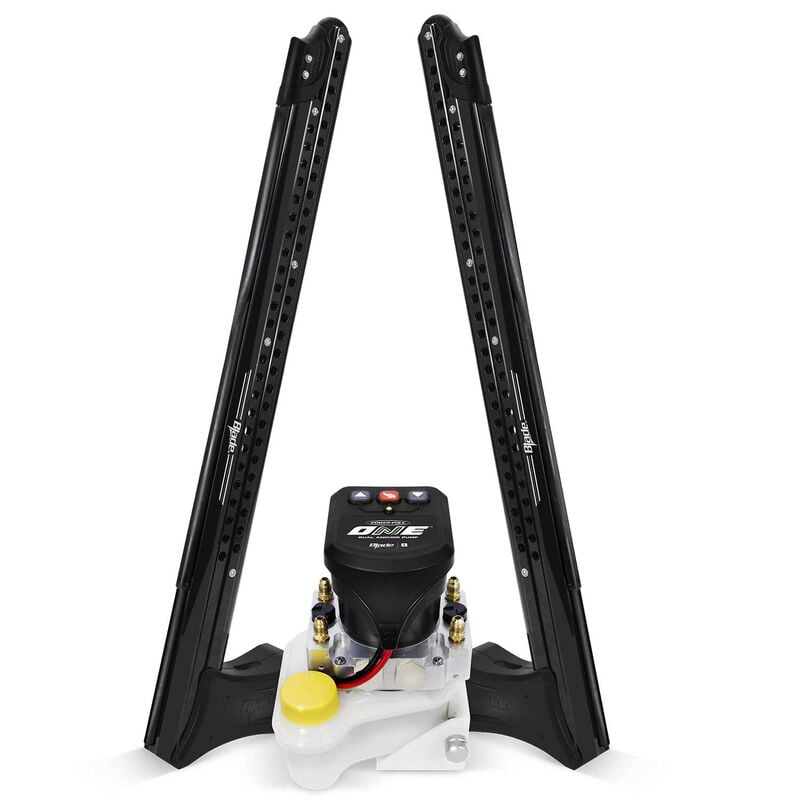
Top features: The Power Pole One Pump and Dual Blade Anchor Package anchors your boat in up to 10 feet of water with Power Pole’s Everflex® spike. The single pump drives both anchors simultaneously, and the spike stows into a pocketed aerodynamic housing when not in use.
What makes it stand out: The one-pump system cuts weight by 40%, reduces power draw by 40%, and halves the installation space compared to running two separate pumps for a dual anchor setup. It’s the most efficient way to run a dual hydraulic system.
Power Pole Blade Shallow Water Anchor
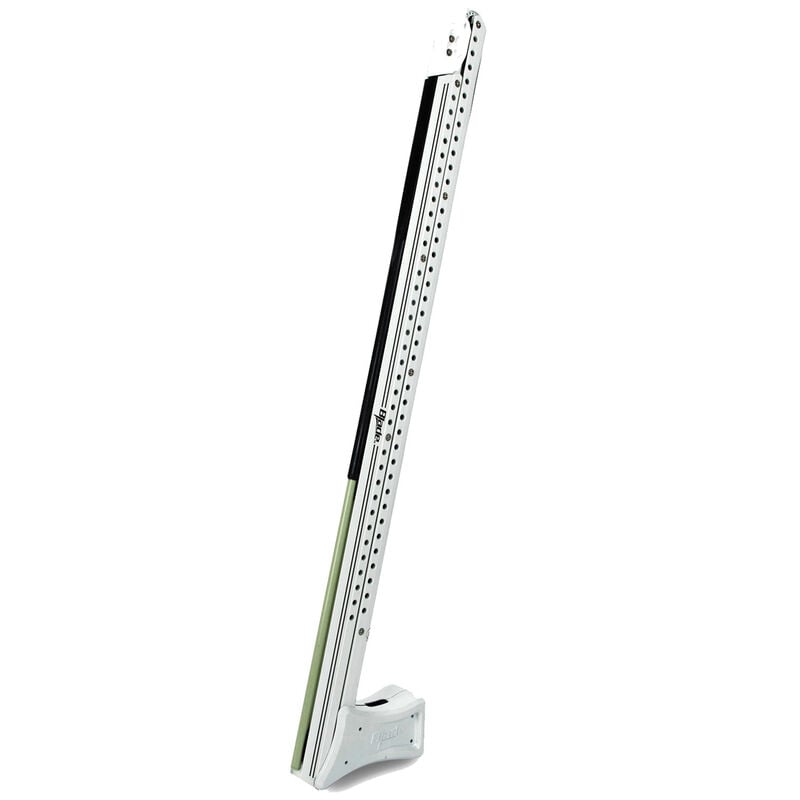
Top features: Power Pole’s flagship single-anchor option. The Blade Shallow Water Anchor anchors in up to 10 feet of water, deploys at the touch of a button via the C-Monster 2.0 control system and high-flow hydraulic pump, and features the pocketed housing design that fully stows the spike.
What makes it stand out: Lightweight, low power draw, and the cleanest stow of any Power Pole model when the anchor is retracted.
Power Pole Pro 2 Shallow Water Anchor
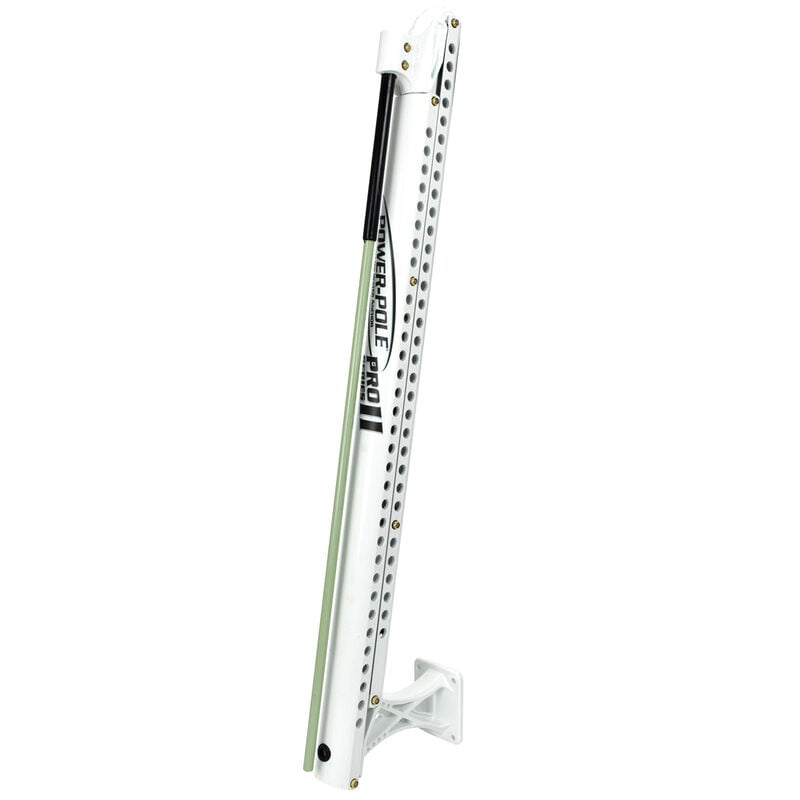
Top features: The Pro 2 Shallow Water Anchor is Power Pole’s mid-range model — same rugged lightweight construction as the Blade, without the pocketed spike housing. The spike does not tuck away as cleanly, but performance is comparable at a lower price point.
What makes it stand out: Full hydraulic power at a more accessible price than the Blade.
Power Pole Sportsman 2 Shallow Water Anchor
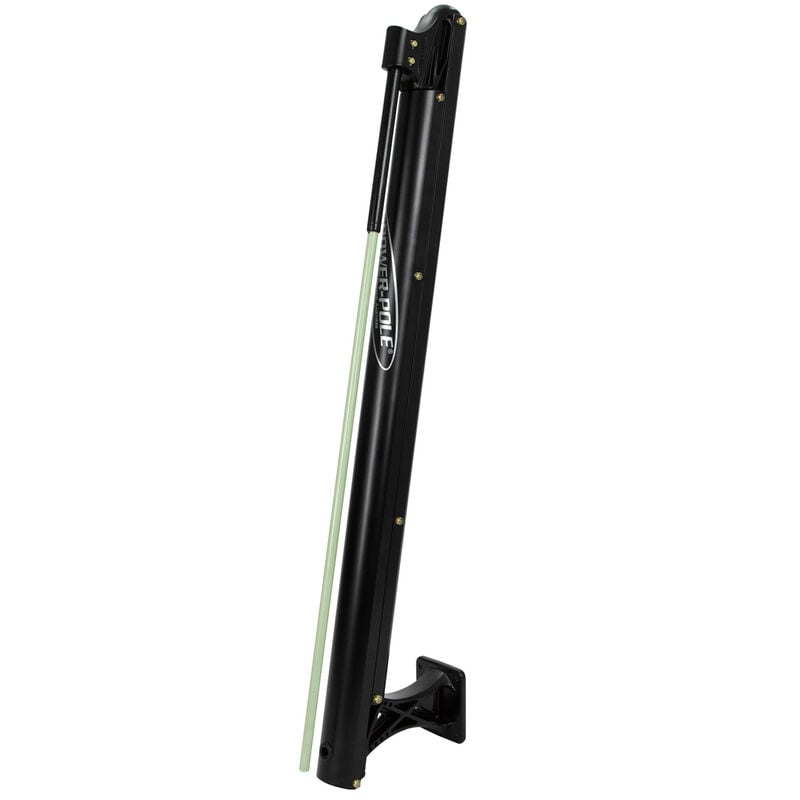
Top features: The Sportsman 2 Shallow Water Anchor is Power Pole’s entry-level hydraulic anchor. It anchors in up to 8 feet of water and comes as a complete package with everything needed for installation.
What makes it stand out: The most affordable way to get into a hydraulic shallow water anchor system. A strong choice for recreational anglers who want hydraulic reliability without the full Blade price point.
Minn Kota Shallow Water Anchors
Minn Kota offers both hydraulic and electric shallow water anchors. Their standout feature is direct integration with Humminbird fish finders, which allows one-screen control of your anchor, trolling motor, and fish finder. Their Talon anchor’s vertical deployment design is unique in the category and solves the line-fouling problem that angled-arm anchors can create.
Minn Kota Talon Shallow Water Anchor
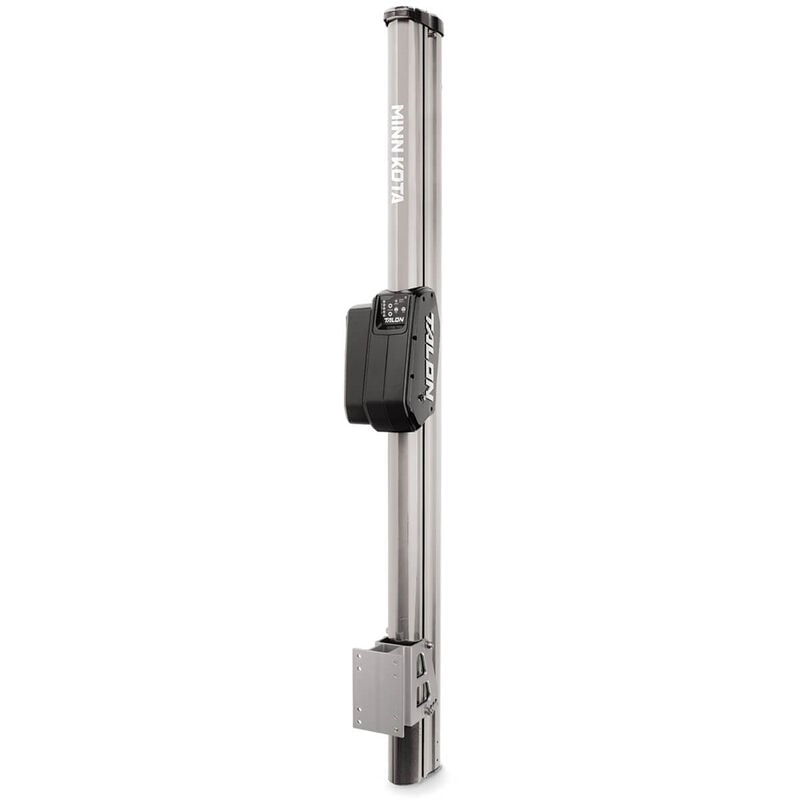
Top features: The Talon Shallow Water Anchor deploys the spike straight down rather than at an angle, which means less footprint in the water, less chance of snagging fishing line on the anchor arm, and better hold in softer bottoms. Reaches up to 15 feet of water depth. Includes a remote for helm control and user-selectable anchoring modes for different bottom conditions.
What makes it stand out: Vertical deployment and 15-foot depth rating — the deepest reach of any anchor in this guide — combined with electric actuation for a simpler installation.
Minn Kota Raptor Shallow Water Anchor
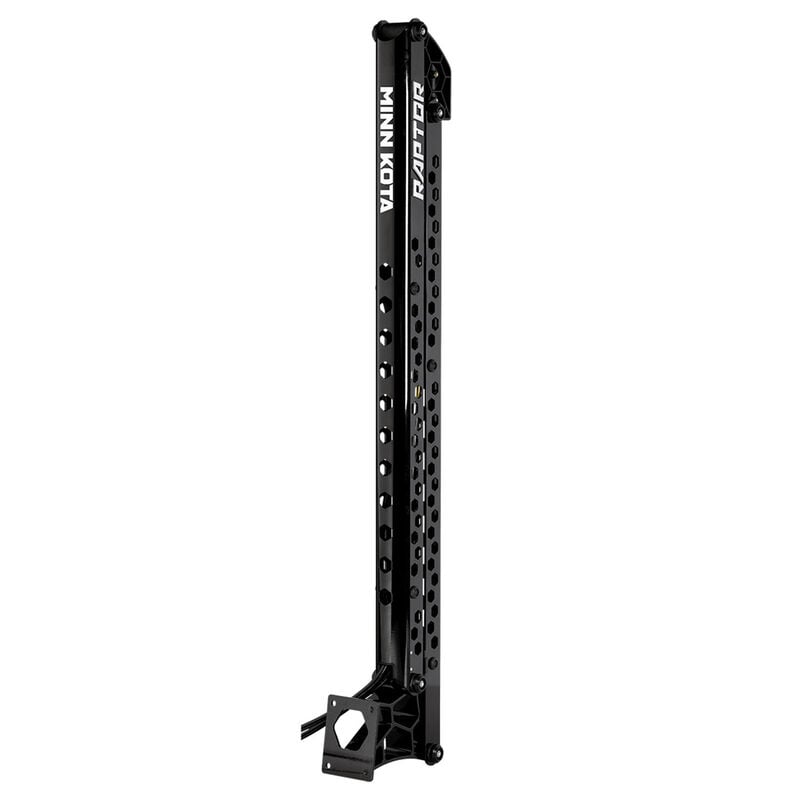
Top features: The Raptor Shallow Water Anchor automatically reads the bottom and adjusts anchoring force to maintain position. Built for salt- and freshwater with a composite spike backed by a lifetime guarantee. Deployable via included remote, foot switch, i-Pilot or i-Pilot link remote, mobile app, or directly from a Humminbird fish finder.
What makes it stand out: Adaptive anchoring technology that adjusts to changing conditions automatically, and the widest range of control options of any anchor in this guide. Hydraulic actuation for power and smooth operation.
Lewmar Shallow Water Anchors
Lewmar is one of the most respected names in traditional marine anchoring hardware, and their shallow water anchor carries on that heritage with an electric system designed for clean installation and reliable performance.
Lewmar Axis Shallow Water Anchor
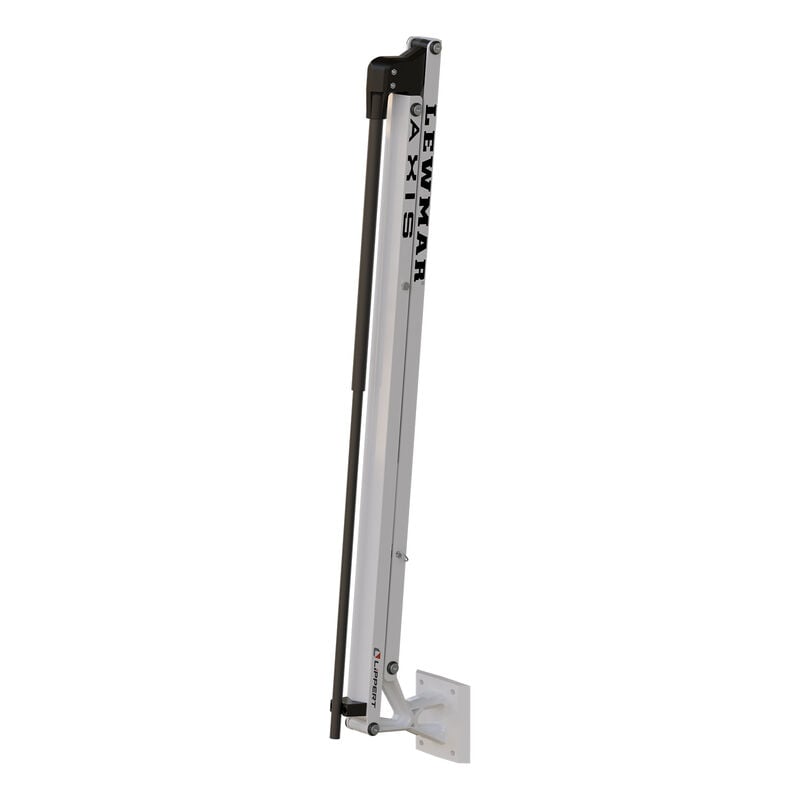
Top features: The Lewmar Axis Shallow Water Anchor secures your boat in water up to 6 feet deep. The electric linear actuator eliminates the need for hydraulic pumps or hose runs. A powder-coated finish provides corrosion resistance, and the wake-dampening spike design minimizes noise during deployment.
What makes it stand out: Backed by Lewmar’s reputation for quality marine hardware, with the simplest installation of any anchor in this guide. A strong choice for anglers who want reliable performance without the complexity of a hydraulic system.
Which Shallow Water Anchor Is Best?
The right anchor depends on where you fish, how often you use it, and how comfortable you are with the installation.
- Best for serious saltwater anglers: Power Pole Blade or Raptor. Hydraulic systems hold up better to daily saltwater exposure, and both brands have proven track records in tournament and guide boat applications.
- Best for dual anchor setup: Power Pole One Pump and Dual Blade Package. The single-pump system makes running two anchors significantly less complex and less expensive than two separate pumps.
- Best for line-fouling concerns or deeper water: Minn Kota Talon. Vertical deployment and a 15-foot depth rating set it apart from everything else in the category.
- Best for DIY installation: Lewmar Axis or Minn Kota Talon. Electric systems can typically be installed in a few hours without professional help.
- Best entry-level hydraulic: Power Pole Sportsman 2. Full hydraulic performance at the lowest price point in the Power Pole lineup.
- Best Humminbird integration: Minn Kota Raptor or Talon. If you fish with a Humminbird, controlling the anchor directly from the fish finder screen is a genuine advantage.
How Much Do Shallow Water Anchors Cost?
Prices vary by brand, deployment type, and whether you are buying one anchor or a dual package. As a general range:
- Power Pole: Entry-level hydraulic (Sportsman 2) starts around $1,300. The flagship Blade runs higher, and the one-pump dual Blade package runs approximately $4,600 — less than buying two separate pump systems.
- Minn Kota: Talon and Raptor anchors run approximately $1,800–$2,600 depending on model and depth rating.
- Lewmar: The Axis sits around $1,560.
Every angler we’ve talked to who has a shallow water anchor says they use it nearly every time they’re on the water. For the time it saves and the positions it holds, the investment pays off quickly for anyone who fishes regularly.
Frequently Asked Questions
How deep can a shallow water anchor work?
Most shallow water anchors are designed for 6–10 feet of water. The Minn Kota Talon is the standout in this guide with a 15-foot depth rating. These anchors are specifically designed for holding position while fishing in shallow water — they are not intended for overnight anchoring or offshore use.
Do shallow water anchors work in all bottom types?
Shallow water anchors work best in soft bottoms — mud, sand, silt, and grass. They are less effective in very hard bottoms (rock, shell, dense clay) where the spike cannot penetrate. Hydraulic systems generate more deployment force than electric actuators, which gives them a better chance in firmer bottom conditions. The Minn Kota Raptor includes an adaptive mode specifically designed to sense and adjust to different bottom types.
Can I install a shallow water anchor myself?
Electric anchor systems (Lewmar Axis, Minn Kota Talon) are designed for DIY installation and most anglers can complete the job in a few hours. Hydraulic systems (Power Pole Blade, Pro 2, Sportsman 2, Minn Kota Raptor) require pump mounting, hose routing, and electrical connections — more involved but still achievable for someone with basic mechanical skills. Power Pole’s one-pump system significantly reduces hydraulic installation complexity for dual setups. If you are not confident in the installation, professional installation ensures it is done correctly and protects the warranty.
Do I need one or two shallow water anchors?
One anchor is adequate for most fishing situations. A single anchor will hold position but allows the boat to slowly rotate around the anchor point as wind and current shift. Two anchors give the boat two fixed contact points with the bottom, preventing both rotation and lateral drift. Tournament anglers and guides who need precise position control typically run dual anchors. If you fish in areas with consistent wind or current, dual anchors are worth the additional investment.
Will a shallow water anchor work in saltwater?
Yes — all anchors in this guide are available in saltwater-rated configurations. Saltwater users should rinse the anchor thoroughly after every use and follow the manufacturer’s lubrication and maintenance schedule. Hydraulic systems are generally considered more durable in saltwater environments over the long term because the actuation mechanism is sealed from direct water exposure. Electric actuator systems can perform well in saltwater with proper maintenance.
Need More Help?
West Marine carries all of the shallow water anchors in this guide and our store associates can help you find the right one for your boat and your fishing style. Use our store locator to find the West Marine nearest you.
Related Articles:


