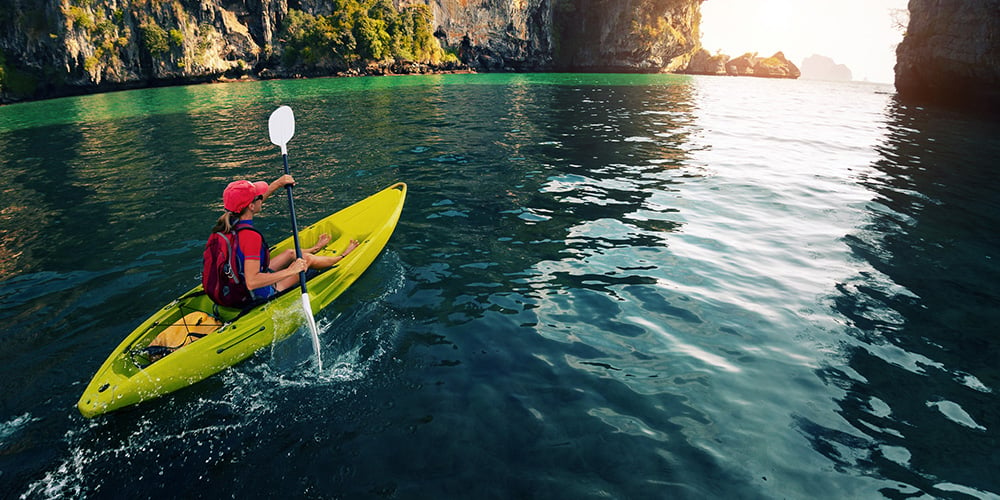
Boating opens up incredible opportunities for fun, fitness, and adventure—especially in smaller craft like kayaks, canoes, and open sailboats. Whether you’re paddling a quiet lake, surfing an ocean wave, or trimming sails in a summer breeze, safety should always come first. The U.S. Coast Guard (USCG) sets minimum requirements for safety equipment that all recreational boaters must follow. These regulations are designed to prevent accidents and save lives.
This article focuses on the smallest class of recreational vessels: canoes, kayaks, and open sailboats less than 16 feet long. We’ll walk you through the equipment you’re legally required to carry, the navigation lights you need at night or in low visibility, and a few additional items worth considering. At the end, you’ll find a quick-reference checklist you can use before launching.
Table of Contents
- Why the Rules Matter
- Where do the USCG Regulations Apply?
- Life Jackets: The First Line of Defense
- Quick-Reference Checklist
- Best Practices Beyond the Minimum
- Summary
- Meet USCG Safety Requirements with Gear from West Marine
- FAQ: USCG Safety Gear and Nav Light Requirements for Canoes, Kayaks, and Open Sailboats Under 16 Feet
- Related Articles
Why the Rules Matter
Even small boats can get into serious trouble. Sudden storms, unexpected waves, or a capsize can put paddlers and sailors at risk. Statistics from the USCG show that most fatalities on the water involve small, open boats. The leading cause of death? Drowning, and in the majority of cases, victims weren’t wearing life jackets.
The good news is that meeting the Coast Guard’s minimum equipment standards is simple and inexpensive. And carrying just a little extra gear can make a big difference when conditions turn against you.
Where do the USCG Regulations Apply?
The Coast Guard’s safety equipment rules apply on federal waters, which include the Great Lakes, U.S. territorial seas, and any connected waters at least two nautical miles wide. If you’re boating on smaller inland lakes and rivers, state laws apply instead—but if you move between the two, you’ll need to follow both sets of rules, with the stricter standard taking priority.
Life Jackets: The First Line of Defense
Federal law requires every person on board a kayak, canoe, or sailboat under 16 feet to have a U.S. Coast Guard–approved life jacket. These may be rated under the old Type system (I, II, III, or V) or the newer Level system (50, 70, 100, or 275). Both systems remain acceptable as long as the jacket is in good condition.
- One wearable PFD per person: Every passenger must have one.
- Type V (Inflatable) jackets: Only count if worn and used exactly as the label directs.
- Children under 13: Must wear a properly fitted life jacket while the vessel is underway, unless inside an enclosed cabin or below deck. Some states have stricter age requirements, so check your local laws.
Tip: Choose a life jacket designed for paddling or sailing—these offer better arm mobility and comfort for active use. Inflatable life jackets are legal for adults but not recommended for high-swim-risk activities like whitewater kayaking.
Sound-Producing Device
All vessels under 16 feet must carry a sound-producing device capable of making an efficient signal. For small craft, this usually means a whistle or a handheld horn.
- No minimum decibel level is required by law.
- The sound must be loud enough to attract attention.
- Practical tip: Choose a whistle you can clip to your life jacket so it’s always within reach if you end up in the water.
Visual Distress Signals (VDS)
Requirements for visual distress signals depend on when and where you’re boating.
Daytime (sunrise to sunset):
- Kayaks, canoes, and open sailboats under 16 feet are not required to carry VDS
Nighttime (sunset to sunrise):
- Three night-use or three combination day/night flares (pyrotechnic), OR
- One electric SOS distress light (USCG–approved).
Notes:
- Pyrotechnic flares must be less than 42 months old.
- Boats in organized events like races, regattas, or marine parades are exempt.
- State laws may impose additional requirements even for daytime use—check local regulations before you head out.
Navigation Lights for Small Craft
From sunset to sunrise or in restricted visibility (fog, heavy rain, or haze), small boats must show navigation lights so other vessels can see and avoid them. The rules vary slightly depending on whether your boat is paddled or sailed.
For Kayaks and Canoes (manually propelled vessels under oars or paddles):
- Minimum requirement: Show a white light (such as a flashlight or lantern) in time to prevent collision.
- You are not required to display full navigation lights (red/green sidelights and sternlight).
For Open Sailboats Under 16 Feet:
- Must carry navigation lights if operating at night or in restricted visibility.
- Simplified options allowed:
- Option 1: Red/green sidelights and a white sternlight.
- Option 2: A single white light (such as a lantern) that can be shown in time to avoid collision.
Tip: Many paddlers and small-boat sailors choose to carry compact LED light kits that clip onto decks, paddles, or life jackets. These provide 360° visibility and exceed the bare minimum standard.
Other Federal Rules
While canoes, kayaks, and open sailboats under 16 feet don’t have the same equipment obligations as motorboats, there are still a few additional rules worth noting:
- Emergency Cutoff Switch (ECOS): Only applies to motorized recreational boats under 26 feet with an installed ECOS. Not required for paddlecraft or sailboats without motors.
- Fire Extinguishers, Ventilation, and Flame Arrestors: Not required for non-motorized craft. If your sailboat has an outboard motor, no extinguisher is required unless you have an enclosed fuel or engine compartment.
- Marine Sanitation Devices (MSDs): Rarely found on boats this small, but if you install one, it must be USCG-compliant.
Quick-Reference Checklist
Required by the U.S. Coast Guard
One wearable USCG-approved life jacket (per person)
Life jacket must be worn by children under 13 (unless in enclosed cabin or below deck; check state laws)
Type V life jackets only count if worn per label
Whistle or handheld sound device
At night or in restricted visibility:
Three night-use flares OR one electric SOS light
White light (flashlight or lantern) to signal other vessels
For sailing at night (under 16’):
Either full navigation lights (sidelights and sternlight) OR one white light/lantern
Not Required, But Smart to Have
Extra flares or distress flag (daytime visibility)
VHF handheld radio or waterproof cell phone case
Spare paddle, bailer, or bilge pump (for canoes/kayaks)
Anchor and line for small sailboats
First aid kit and dry bag for essentials
Reflective tape or bright clothing for visibility
Best Practices Beyond the Minimum
Meeting the federal requirements is just the starting point. Experienced paddlers and sailors know that safety is about preparing for the unexpected. A few extra pieces of gear can dramatically improve your chances if something goes wrong:
- Wear your PFD: Having one onboard doesn’t help if it’s under a seat when you capsize.
- Carry communication gear: A waterproof VHF radio can make the difference between a quick rescue and a long night adrift.
- Check local rules: States often add requirements, such as mandatory lights for paddlers even during the day in busy harbors.
- Plan for conditions: Dress for immersion, not for the air temperature—especially in cold water regions.
Summary
Canoes, kayaks, and open sailboats under 16 feet may seem simple compared to larger powerboats, but they’re subject to clear USCG safety requirements. At minimum, every paddler and sailor must have a life jacket, a sound-producing device, and the right lights and signals for nighttime or restricted visibility operation. By following these rules, you’ll comply with federal law and greatly reduce your risk on the water.
The Coast Guard’s regulations represent the floor, not the ceiling. Smart boaters add extra layers of safety—communication gear, spare equipment, and good judgment. Whether you’re out for an afternoon paddle or a moonlight sail, take a few minutes before launch to run through the checklist. It’s a small effort that pays big dividends in peace of mind and safety.
Meet USCG Safety Requirements with Gear from West Marine
Whether you own a kayak, small runabout or a larger boat, West Marine offers all the gear you need to meet USCG requirements and be safe on the water.
- Life Jackets and PFDs
- Navigation Lights
- Marine Communication
- Handheld VHF Radios
- Fixed-Mount VHF Radios
- EPIRBs and PLBs
FAQ: USCG Safety Gear and Nav Light Requirements for Canoes, Kayaks, and Open Sailboats Under 16 Feet
1. Do I need a life jacket if I’m just paddling close to shore?
Yes. Federal law requires one U.S. Coast Guard–approved life jacket per person on board at all times, even if you’re staying near shore. Wearing it is strongly recommended.
2. Are inflatable life jackets legal in kayaks and canoes?
Yes, but only if they are U.S. Coast Guard–approved, properly worn, and used according to the label. They count only for adults, not for children or high-risk activities like whitewater paddling.
3. What are the rules for children wearing life jackets?
Children under 13 must wear a properly fitted life jacket while the boat is underway, unless they are in an enclosed cabin or below deck. Some states have stricter age rules, so always check local laws.
4. What sound-producing device do I need?
A whistle or handheld horn is sufficient. There’s no minimum decibel requirement, but the sound must be loud enough to attract attention. Many paddlers keep a whistle clipped to their life jacket.
5. Am I required to carry flares in a kayak or canoe?
Only at night. Between sunset and sunrise, you must carry either three night-use flares (or three combination day/night flares) or one Coast Guard–approved electric SOS light.
6. What navigation lights are required for kayaks and canoes?
At night or in restricted visibility, you must show a white light (like a flashlight or lantern) in time to prevent a collision. Full red/green sidelights and sternlight are not required.
7. What lights are required for small open sailboats under 16 feet?
At night or in low visibility, you must either display full navigation lights (red/green sidelights plus sternlight) or, at minimum, have a white light/lantern ready to signal other boats.
8. Do I need to carry safety equipment like a fire extinguisher or emergency cutoff switch?
No, not if your boat is unpowered. Fire extinguishers and ECOS are required only for motorized boats with certain features. A simple kayak, canoe, or sailboat without an engine is exempt.
9. Do the Coast Guard rules apply on all waters?
They apply on federal waters (Great Lakes, territorial seas, and connected waters at least 2 nautical miles wide). On smaller inland lakes and rivers, state laws apply—sometimes with additional requirements.
10. What extra safety gear should I carry beyond the legal minimum?
Consider a handheld VHF radio or waterproof cell phone case, extra flares, a spare paddle or bailer, a first aid kit, an anchor (for small sailboats), and reflective gear or bright clothing for visibility.
Related Articles
- A Boater's Guide to the Federal Requirements for Recreational Boats
- Navigation Light Rules
- Selecting the Right Anchor
- Get Connected—It's the Law!
- Selecting a VHF Fixed Mount Radio
- Selecting a VHF Handheld Radio
- Safe Boating Checklist
- How to Select a Life Vest
- Selecting Fire Extinguishers
- Selecting an Emergency Beacon—EPIRBs and PLBs
- Selecting a Boating Medical Kit
- Selecting Crew Overboard Equipment
- Selecting Visual Distress Signals
- Selecting a Radar Reflector for Boats