Ultimate Guide to 4-Stroke Outboard Cylinder Configurations for Boaters
When it’s time to upgrade your boat’s motor, horsepower and price tags often steal the spotlight. But savvy boaters know that the real secret to a great ride lies in the cylinder configuration of a 4-stroke outboard motor. Whether you’re trolling for bass in a quiet lake, fishing flats with a buddy, or powering through offshore swells, the number of cylinders in your engine shapes everything from torque and smoothness to fuel efficiency and long-term durability. This comprehensive guide dives deep into 1-, 2-, 3-, and 4-cylinder 4-stroke outboard motors, breaking down their strengths, weaknesses, and ideal use cases to help you choose the perfect setup for your boating adventures.
Why Cylinder Count Is a Game-Changer for 4-Stroke Outboards
At the heart of every 4-stroke outboard motor lies its cylinders, where the magic of combustion happens. Fuel and air mix, ignite, and drive pistons through four distinct stages: intake, compression, power, and exhaust. This cycle, which completes itself over two crankshaft revolutions, makes 4-stroke engines quieter, cleaner, and more fuel-efficient than their 2-stroke counterparts. Modern advancements like Electronic Fuel Injection (EFI), and optimized valve trains further enhance performance, but the number of cylinders fundamentally defines how that power is delivered.
Cylinder count influences several key factors:
- Torque Delivery: Fewer cylinders with larger bores often produce stronger low-end torque, ideal for quick acceleration or hauling heavy loads.
- Smoothness: More cylinders mean more frequent power pulses, reducing vibration and stabilizing RPMs for a refined ride.
- Weight: Fewer cylinders result in lighter, more portable motors, while additional cylinders add heft and complexity.
- Fuel Efficiency: The balance of cylinder size and count, paired with technologies like EFI, impacts how efficiently your motor burns fuel.
- Maintenance: More cylinders mean more moving parts—pistons, valves, and bearings—that require regular upkeep, potentially increasing costs.
Understanding these trade-offs is crucial for matching your motor to your boat, passengers, and typical water conditions. Let’s explore each cylinder configuration in detail, from the minimalist 1-cylinder to the powerhouse 4-cylinder, to see which one will serve you best on the water.
1-Cylinder 4-Stroke Outboards: Simplicity and Portability
Overview
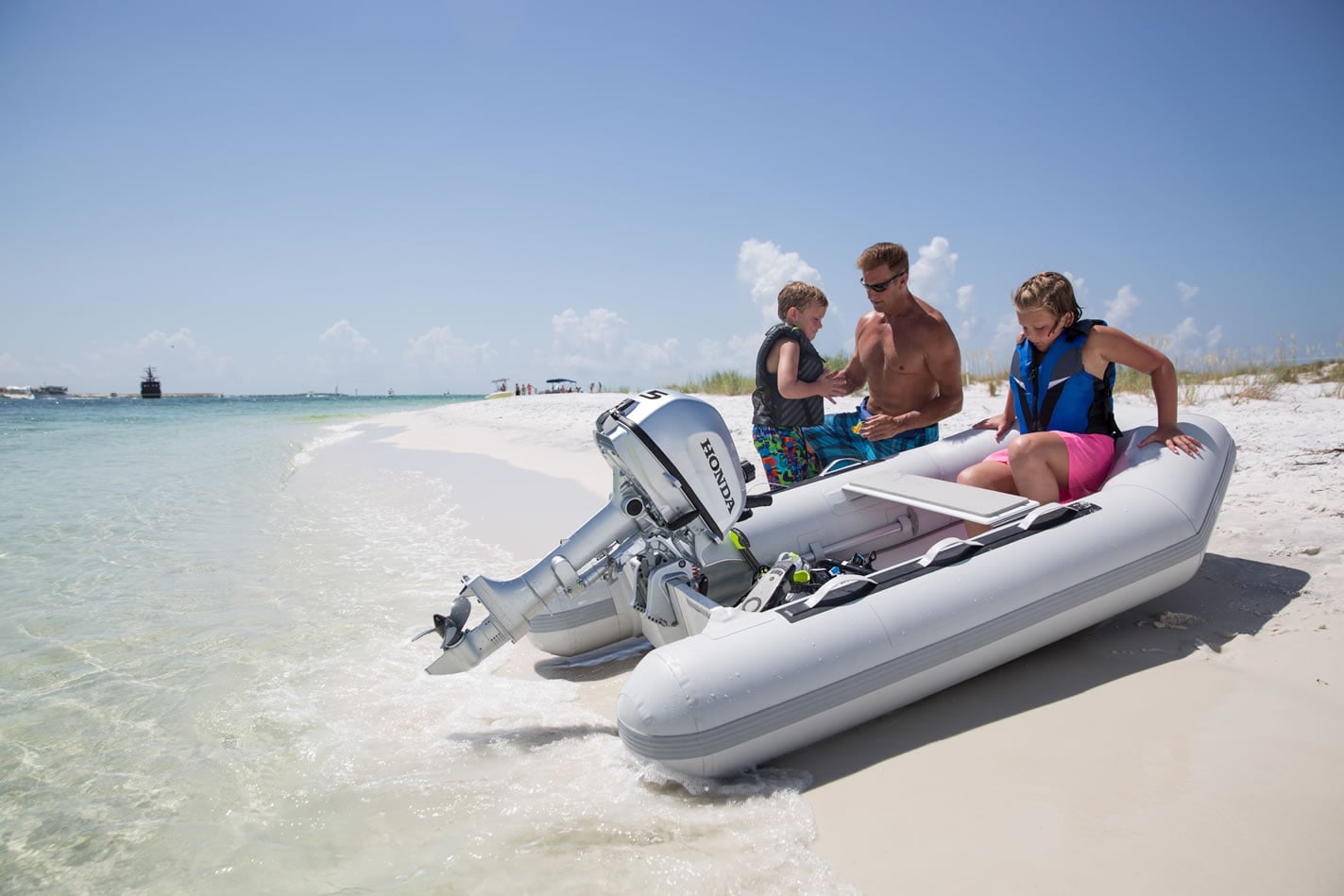
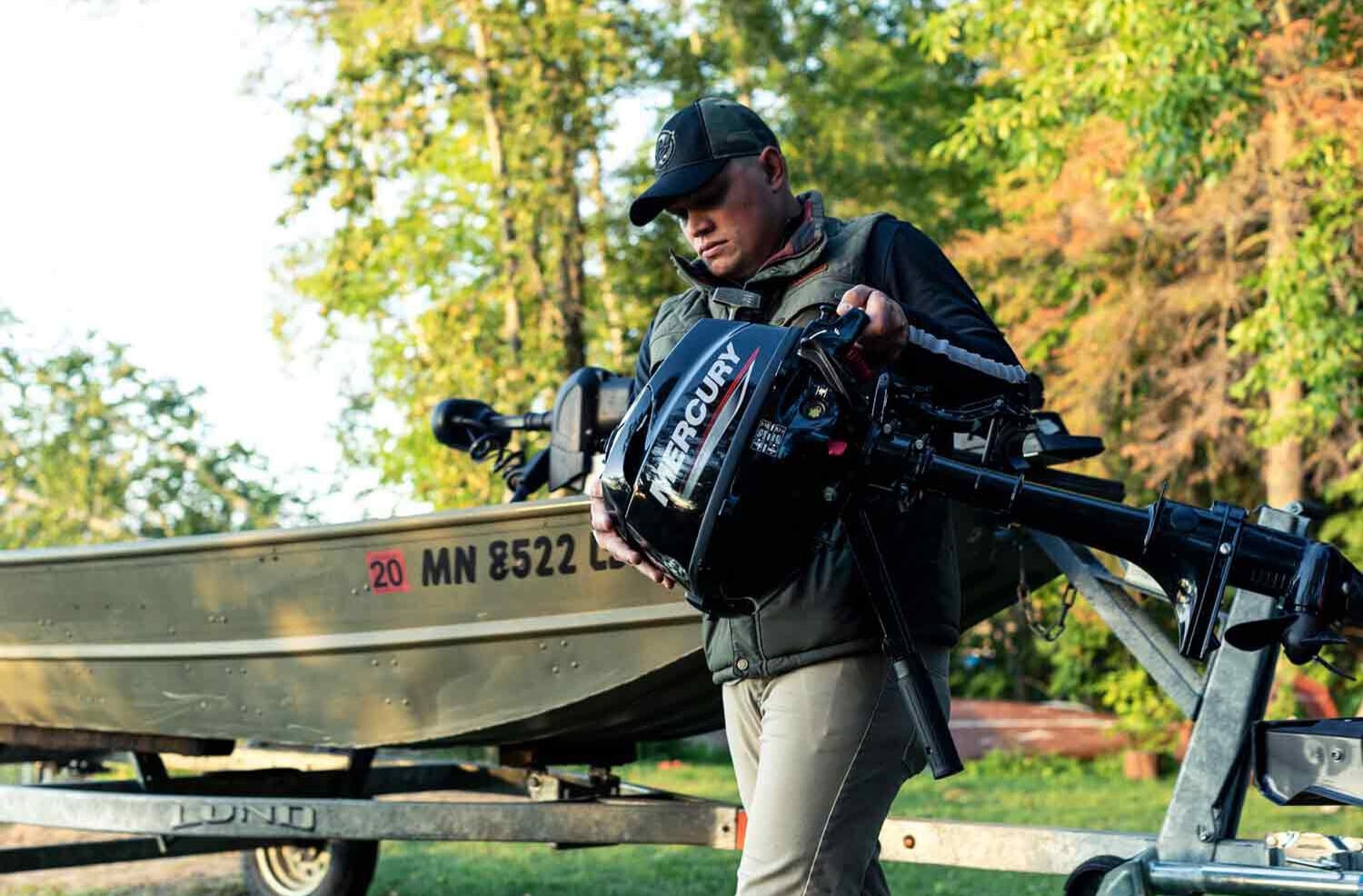
Single-cylinder 4-stroke outboard motors are the smallest and simplest option, typically ranging from 2.5 to 6 horsepower. These compact engines are designed for small boats under 12 feet, such as dinghies, inflatables, canoes, or lightweight fishing skiffs. Their featherweight design and ease of use make them a favorite among small boat owners who prioritize portability and affordability.
How They Work
In a 1-cylinder 4-stroke engine, a single piston handles the entire combustion process. Air and fuel enter the cylinder, compress, ignite to produce power, and exhaust gases exit—all in four strokes. This simplicity keeps the motor lightweight, often weighing under 50 pounds, and reduces manufacturing costs. However, with only one piston firing, the power delivery is less frequent, leading to noticeable vibration and a less refined feel compared to multi-cylinder engines.
Strengths
- Ultra-Portable: Easy to carry, mount, and store, ideal for boaters who frequently transport their motor.
- Fuel Efficiency: Burn minimal fuel, making them economical for short trips or low-speed cruising.
- Low Maintenance: Fewer moving parts mean simpler and cheaper upkeep.
- Affordable: Entry-level pricing suits budget-conscious boaters or those outfitting a small, secondary vessel.
Weaknesses
- Vibration: The single piston creates a choppy feel, especially at higher RPMs.
- Limited Power: Struggles with heavy loads, strong currents, or boats over 12 feet.
- Basic Technology: Most models rely on carburetors rather than advanced EFI systems, limiting efficiency at higher loads.
Ideal Use Cases
- Solo Fishing on Calm Waters: Perfect for small lakes, ponds, or slow rivers where minimal power is needed.
- No-Wake Zones: Efficient for low-speed cruising in restricted areas.
- Tenders for Larger Vessels: Lightweight and removable, great for dinghies serving yachts or sailboats.
- Minimalist Boating: Suits boaters who value simplicity and don’t need high performance.
Example Scenarios
Imagine you’re a solo angler with a 10-foot inflatable kayak, fishing for trout in a quiet lake. A 1-cylinder 4-stroke outboard, like a 2.5 HP model from Honda or Mercury, gets you to your spot with minimal fuss. Its light weight lets you lift it off the boat and store it in your trunk, and its fuel-sipping nature means a small tank lasts all day.
Brands to Consider
- Honda: Known for reliable, quiet 1-cylinder models.
- Mercury: Offers durable, budget-friendly options.
- Tohatsu: Popular for compact, lightweight designs.
If portability and low cost are your priorities, a 1-cylinder 4-stroke outboard is hard to beat for small-scale boating.
2-Cylinder 4-Stroke Outboards: Versatile Workhorses
Overview
Stepping up to a 2-cylinder 4-stroke outboard brings more power and smoother operation, with horsepower typically ranging from 8 to 30. These engines are a favorite for small to medium boats under 16 feet, including jon boats, aluminum skiffs, and duck boats. They strike a balance between portability and performance, making them ideal for anglers, hunters, or small crews.
How They Work
With two pistons firing alternately, 2-cylinder engines deliver more consistent power pulses than their single-cylinder counterparts. This reduces vibration and improves throttle response, especially at low to mid RPMs. The added cylinder allows for greater displacement, boosting torque for quicker planing and better handling of moderate loads. Many modern 2-cylinder outboards feature EFI or advanced carburetor systems for improved fuel economy and cleaner emissions.
Strengths
- Strong Low-End Torque: Larger cylinders provide robust power for quick starts, even with a loaded boat.
- Smoother Operation: Two pistons reduce vibration compared to 1-cylinder models, enhancing comfort.
- Reasonable Weight: Still light enough for smaller boats, often under 100 pounds.
- Technological Options: EFI in higher-end models boosts efficiency and performance.
Weaknesses
- Heavier Than 1-Cylinder: Less portable for frequent removal or transport.
- Fuel Economy Trade-Off: Less efficient at high RPMs compared to 3- or 4-cylinder engines.
- Less Refined: Not as smooth as multi-cylinder setups at higher speeds.
Ideal Use Cases
- Shallow-Water Fishing: Great for navigating rivers or flats with one or two anglers and gear.
- Duck Hunting: Powers lightweight boats through marshes or shallow lakes.
- Small Utility Boats: Reliable for chores like checking crab pots or short commutes.
- Budget Performance: Offers solid power without the cost of larger engines.
Example Scenarios
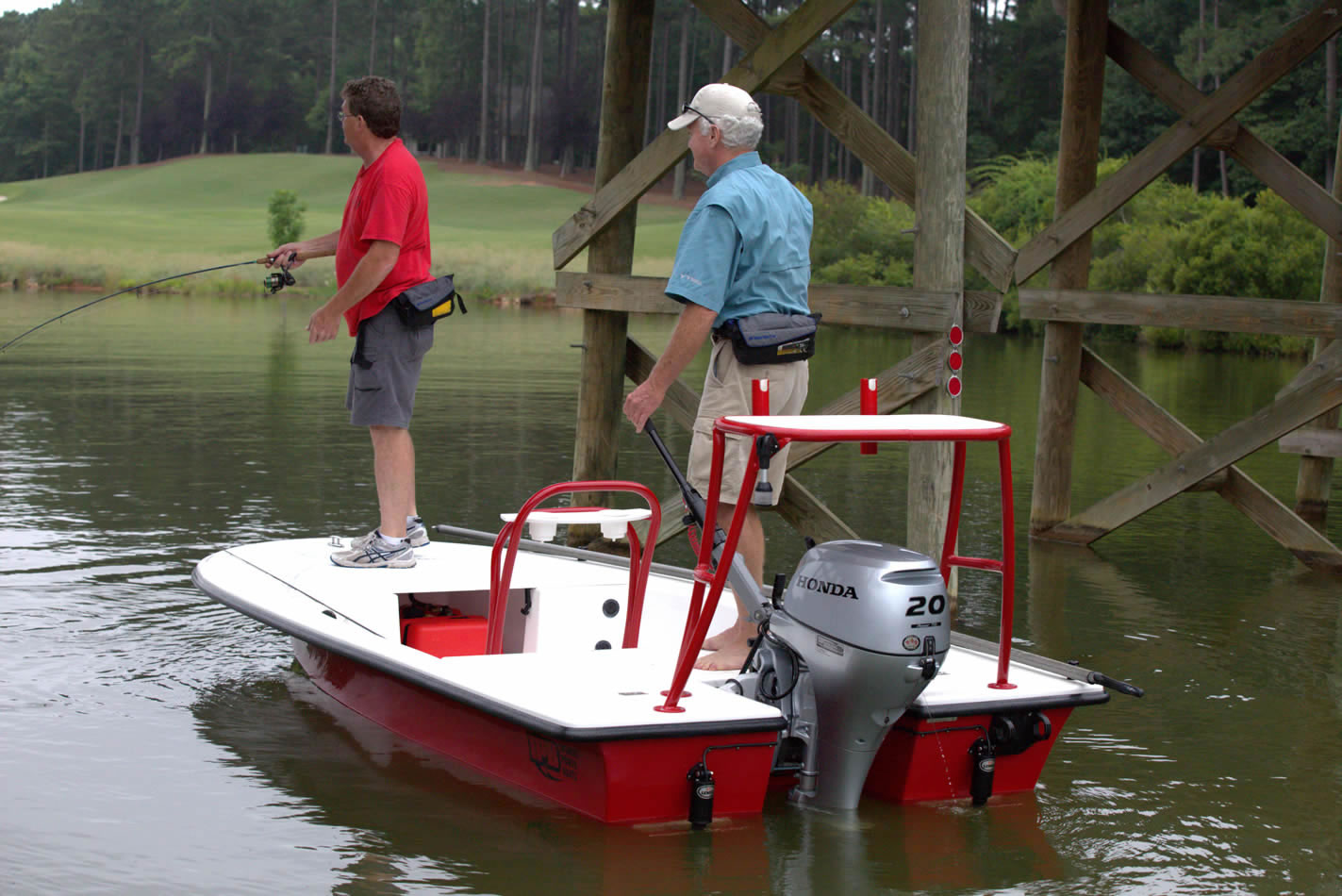
Picture a pair of duck hunters in a 14-foot jon boat, loaded with decoys and gear, heading through a marsh at dawn. A 2-cylinder 20 HP outboard, like a Suzuki or Yamaha model with EFI, provides the torque to plane quickly and the reliability to handle muddy, shallow waters. Its manageable weight makes it easy to mount, and the smoother operation keeps the ride comfortable during early-morning trips.
Brands to Consider
- Suzuki: Renowned for fuel-efficient 2-cylinder designs.
- Yamaha: Offers durable, versatile models with EFI options.
- ENJOMOR: Niche brand with compact, high-value engines.
For boaters needing more power without sacrificing too much portability, a 2-cylinder 4-stroke outboard is a fantastic choice.
3-Cylinder 4-Stroke Outboards: The Sweet Spot for Balance
Overview
Three-cylinder 4-stroke outboard motors are the go-to for boaters seeking a near-perfect blend of power, smoothness, and efficiency. With horsepower ranging from 25 to 60, these engines are ideal for medium boats between 14 and 17 feet, such as skiffs, bass boats, or flats boats. Their refined performance makes them a favorite among anglers, families, and coastal cruisers.
How They Work
Three cylinders deliver more frequent power pulses, significantly reducing vibration and stabilizing RPMs across the power band. This creates a smoother, quieter ride, especially at mid to high speeds. Advanced features like EFI, and optimized valve trains (such as KW-OHV systems) enhance fuel efficiency and durability, allowing these engines to handle extended runs or choppy conditions with ease.
Strengths
- Smooth Performance: Low vibration and steady idle for a comfortable ride.
- Versatile Power: Excellent mid-range torque and top-end speed for diverse boating needs.
- Fuel Efficiency: Modern tech like EFI minimizes fuel waste, even under load.
- Reliability: Balanced crankshafts and robust designs ensure long-term durability.
Weaknesses
- Increased Weight: Heavier than 1- or 2-cylinder motors, often 150–200 pounds.
- Higher Costs: More expensive to purchase and maintain due to complex systems.
- Not Ultra-Portable: Less suited for frequent removal or small boats.
Ideal Use Cases
- Flats Fishing: Powers skiffs with two anglers, gear, and livewells in shallow waters.
- Coastal Cruising: Handles choppy bays or inlets for family outings or sightseeing.
- Bass Fishing: Provides responsive power for tournaments or recreational trips.
- Mixed Conditions: Excels in calm or rough waters, from trolling to cruising.
Example Scenarios
Consider a family of three heading out on a 16-foot bass boat for a day of fishing and cruising on a coastal bay. A 3-cylinder 50 HP outboard, like a Mercury or Tohatsu model with EFI, offers the power to zip across choppy waters and the smoothness to troll quietly near shore. Its fuel efficiency keeps costs down, and the reliable performance ensures a worry-free day on the water.
Brands to Consider
- Mercury: Known for powerful, tech-forward 3-cylinder engines.
- Honda: Offers quiet, efficient models with proven reliability.
- Tohatsu: Budget-friendly with solid performance.
For boaters who want versatility and comfort, a 3-cylinder 4-stroke outboard is often the ideal choice.
4-Cylinder 4-Stroke Outboards: Powerhouse Performance
Overview
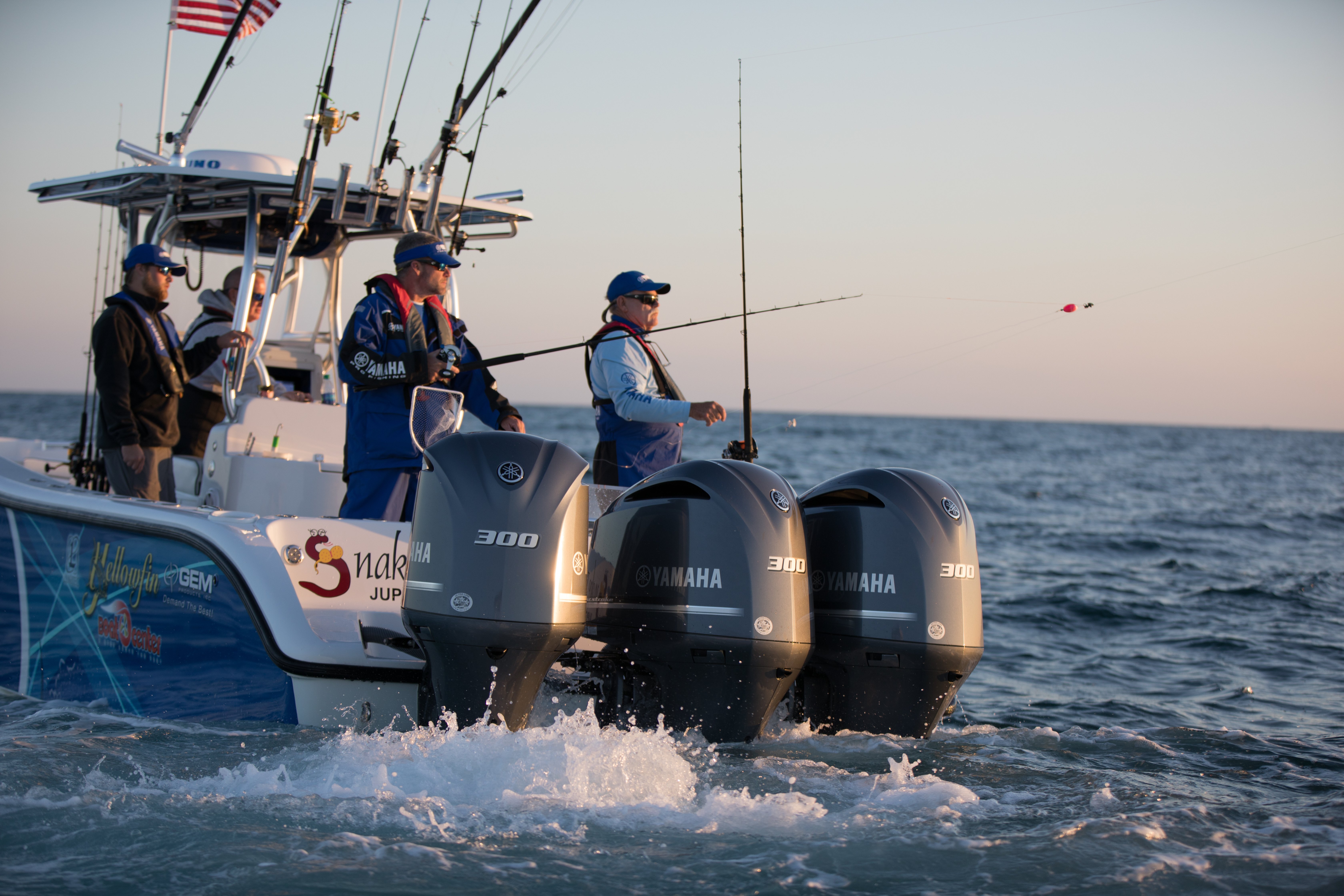
When performance is non-negotiable, 4-cylinder 4-stroke outboard motors deliver unmatched power and smoothness. Available in flat-four or V4 configurations, these engines range from 60 to over 150 horsepower and are built for larger boats, typically 17 feet and up, like bay boats, center consoles, or offshore hulls. They’re the choice for high-speed cruising, watersports, or commercial applications.
How They Work
Four cylinders distribute the combustion workload evenly, producing near-continuous power pulses for exceptional smoothness and minimal vibration. This setup allows for higher RPMs and greater displacement, delivering robust torque for quick holeshots and sustained speed. High-end models often feature double-cylinder banks, and advanced EFI, for optimal performance under heavy loads or long runs.
Strengths
- Superior Smoothness: Minimal vibration for a refined, comfortable ride.
- High Torque: Powers heavy boats, towing, or watersports with ease.
- Top-End Speed: Excels at high RPMs for fast cruising or offshore trips.
- Durability: Built to withstand demanding conditions and extended use.
Weaknesses
- Heavy: Weighs 200–400 pounds, requiring larger boats and stronger transoms.
- Expensive: Higher upfront and maintenance costs due to complex systems.
- Fuel Consumption: Uses more fuel at high speeds compared to smaller engines.
Ideal Use Cases
- Offshore Fishing: Powers large boats with multiple passengers and gear.
- Watersports: Provides the torque for wakeboarding, tubing, or skiing.
- Commercial Use: Reliable for charter boats or work vessels.
- High-Speed Cruising: Ideal for long-distance trips in open water.
Example Scenarios
Envision a group of four anglers on an 18-foot bay boat, heading 20 miles offshore for a day of deep-sea fishing. A 4-cylinder 90 HP outboard, like a Yamaha V4 or Suzuki flat-four, delivers the torque to plane quickly with a full load and the smoothness to cruise comfortably at high speeds. Its durability ensures reliability far from shore, and EFI keeps fuel use manageable.
Brands to Consider
- Yamaha: Industry leader in powerful, smooth 4-cylinder engines.
- Suzuki: Offers high-torque V4 and flat-four designs.
- TOYAN: Niche option for high-performance enthusiasts.
If you demand top-tier performance, a 4-cylinder 4-stroke outboard is the way to go.
Engine Displacement: The Hidden Factor in Cylinder Performance
Displacement—the total volume swept by pistons during a power stroke—plays a critical role in how cylinders perform. A 40 HP 2-cylinder motor with larger cylinders may produce more low-end torque than a 3-cylinder 40 HP motor with smaller cylinders, but it’ll feel rougher at high RPMs. Conversely, more cylinders with the same displacement spread the workload, delivering smoother power but slightly less low-end grunt.
Examples:
- 2-Cylinder, Large Bore: Strong torque for quick starts in shallow waters or with heavy loads.
- 3-Cylinder, Smaller Bore: Smoother mid-range and high-RPM performance for cruising.
When choosing, consider your boating style. Need quick holeshots for skinny waters? Opt for fewer cylinders with larger displacement. Prioritize long, smooth cruises? More cylinders are your friend.
Real-World Boating Scenarios: Matching Cylinders to Your Needs
To help you visualize the right cylinder configuration, here are four common boating setups:
- 12-Foot Solo Skiff for Lake Fishing
- Motor: 1-cylinder, 4–6 HP (e.g., Honda 2.5 HP)
- Why: Lightweight and fuel-efficient for solo trips. Easy to lift and store.
- Best For: Calm lakes, slow trolling, minimalist anglers.
- 14-Foot Jon Boat for Duck Hunting
- Motor: 2-cylinder, 20–30 HP (e.g., Suzuki 25 HP with EFI)
- Why: Strong torque for shallow waters and moderate loads. Manageable weight.
- Best For: Small crews, marshes, or rivers.
- 16-Foot Flats Boat for Coastal Fishing
- Motor: 3-cylinder, 40–60 HP (e.g., Mercury 50 HP)
- Why: Smooth power and efficiency for two anglers and gear in mixed conditions.
- Best For: Flats, bays, or light chop.
- 18-Foot Bay Boat for Offshore Trips
- Motor: 4-cylinder, 60–90 HP (e.g., Yamaha 90 HP V4)
- Why: High torque and smoothness for heavy loads and long runs.
- Best For: Deep-sea fishing, watersports, or cruising.
How Cylinder Count Affects Torque and Holeshot
Holeshot—the ability to get your boat on plane quickly—depends heavily on torque, which is influenced by cylinder count and displacement. Two-cylinder engines often shine in low-RPM torque, making them ideal for quick starts in shallow waters or when carrying heavy gear. Their larger cylinders deliver a strong initial push, perfect for tight rivers or loaded skiffs.
Three- and 4-cylinder engines, with more frequent power pulses, offer smoother torque curves and better sustained power. This makes them better suited for heavier boats or situations requiring consistent speed, like offshore cruising. However, modern EFI systems and optimized gear ratios can make a 3-cylinder motor nearly as responsive as a 2-cylinder for holeshot, especially in mid-range horsepower models.
Other factors also play a role:
- Propeller Pitch: Lower pitch props enhance holeshot but reduce top speed.
- Gear Ratios: Lower ratios favor acceleration over cruising.
- Engine Tuning: EFI and ignition timing optimize power delivery.
For the best holeshot, pair your cylinder configuration with the right prop and tuning for your boat’s weight and conditions.
Frequently Asked Questions About 4-Stroke Outboard Cylinders
Can a 4-stroke engine have just one cylinder?
Yes, many small outboards in the 2.5–6 HP range use a single-cylinder 4-stroke design. These are common in portable models for dinghies or tenders, offering simplicity and efficiency.
Are all 4-cylinder engines 4-stroke?
No, cylinder count and stroke type are distinct. While most modern marine 4-cylinder engines are 4-stroke for efficiency and emissions compliance, some older or specialized 4-cylinder engines may be 2-stroke.
Which is better: 2-cylinder or 3-cylinder outboard?
It depends on your needs. A 2-cylinder outboard is great for lightweight boats needing strong low-end torque and affordability. A 3-cylinder outboard offers smoother operation, better mid-range power, and efficiency for heavier boats or mixed conditions.
What’s the difference between V4 and flat-four 4-stroke engines?
V4 engines arrange cylinders in a “V” shape, providing a compact design and high torque, ideal for high-performance boats. Flat-four engines use horizontally opposed cylinders, reducing vibration for an ultra-smooth ride, often found in premium models.
Do I need to mix oil with fuel in a 4-stroke outboard?
No, 4-stroke engines have a separate oil reservoir and lubrication system, unlike 2-strokes, which require oil-fuel mixing.
Can a 1-cylinder outboard handle saltwater?
Yes, but choose a water-cooled, corrosion-resistant model and rinse it thoroughly after use to prevent damage.
Choosing the Right 4-Stroke Cylinder Configuration
Selecting the perfect 4-stroke outboard motor comes down to understanding your boat, your typical load, and the waters you navigate. Here’s a quick checklist to guide your decision:
- Boat Size and Weight: Small boats (<12 ft) pair well with 1-cylinder motors; larger boats (17+ ft) need 3- or 4-cylinder power.
- Passenger Load: Solo boaters can rely on 1- or 2-cylinder engines; groups of 3+ benefit from 4-cylinder torque.
- Water Conditions: Calm lakes suit 1- or 2-cylinder motors; choppy seas demand 3- or 4-cylinder smoothness.
- Performance Goals: Prioritize torque for quick starts or smoothness for long cruises.
- Maintenance Comfort: Fewer cylinders mean simpler upkeep, while 4-cylinder engines require more expertise.
- Budget: 1- and 2-cylinder motors are more affordable; 3- and 4-cylinder models carry premium price tags.
Top Brands to Explore
- Mercury: Offers a wide range of reliable, tech-forward outboards.
- Honda: Known for quiet, efficient engines with long lifespans.
- Suzuki: Specializes in high-torque, fuel-efficient designs.
- Yamaha: Industry leader in powerful, smooth 4-cylinder models.
- Tohatsu: Budget-friendly with solid performance across cylinder counts.
- ENJOMOR/TOYAN: Niche brands for compact, high-value engines.
Final Thoughts
Your 4-stroke outboard motor is more than just a power source—it’s the heart of your boating experience. A 1-cylinder engine might be your trusty companion for solo lake trips, while a 4-cylinder powerhouse could unlock thrilling offshore adventures. By matching the cylinder configuration to your boat’s size, your typical conditions, and your performance needs, you’ll ensure every trip is smoother, more efficient, and more enjoyable.
Take the time to test different models, consult with dealers, and consider factors like propeller choice and gear ratios. Whether you’re rigging a tender, outfitting a fishing skiff, or prepping for a high-speed coastal run, the right 4-stroke outboard will keep you cruising with confidence. So, pick your cylinder count, fire up the throttle, and make every moment on the water unforgettable.