Ultimate Guide to 4-Stroke Engine Starters: Electric, Hydraulic & Spring
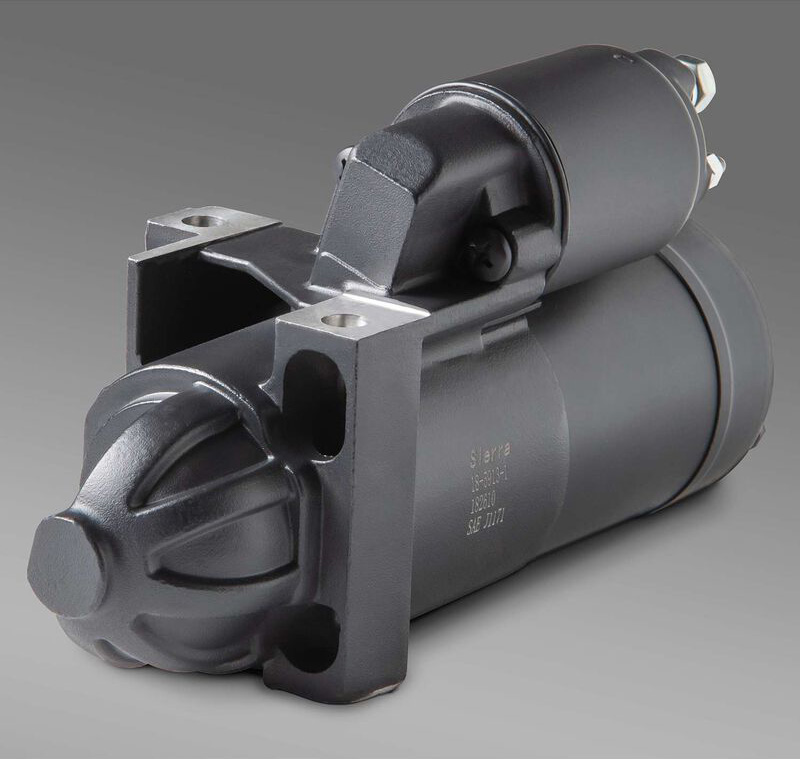
Want to ensure your 4-stroke engine fires up smoothly every time you turn the key? Whether you power your adventures with a Yamaha outboard or rely upon a commercial diesel inboard for work, the marine starter is the unsung hero that brings your engine to life. But if your starter is giving you sputtering starts or awkward moments at the dock, the time to replace it has arrived. So, let’s jump into the world of electric, hydraulic, and spring starters to find the perfect fit for your boat.
This guide covers everything from how starters work to troubleshooting tips, maintenance advice, and key factors to consider, all optimized to help you make an informed choice and keep your adventures on track.
Shop all Marine Engine Starters
Shop all Electrical Engine Parts
What Is a Marine Starter?
A marine starter is a rugged, specialized motor designed to crank your boat’s 4-stroke engine in the toughest conditions—think relentless saltwater spray, sticky humidity, and constant vibrations from waves and engine rumble. Unlike automotive starters, which falter in marine environments, marine starters are built like fortresses. They feature corrosion-resistant coatings, sealed electrical systems, and durable components to withstand the unique challenges of life on the water.
Whether you’re running a compact Evinrude outboard, a powerful MerCruiser inboard, or a Volvo Penta diesel, the right marine starter ensures your engine fires up reliably, even after weeks docked at the marina. For 4-stroke engines, known for their fuel efficiency and smooth operation, choosing the right starter is critical to maintaining performance and avoiding costly breakdowns.
Why Marine Starters Matter for 4-Stroke Engines
4-stroke engines, whether outboard or inboard, are the backbone of modern boating. They’re quieter, more fuel-efficient, and produce fewer emissions than their 2-stroke counterparts, making them a favorite for recreational and commercial boaters alike. However, their higher displacement and complex ignition systems demand starters that can deliver consistent torque and withstand intermittent use in harsh conditions.
A failing or mismatched starter can leave you stranded, damage your engine, or rack up expensive repair bills. By understanding the different types of marine starters—electric, hydraulic, and spring—you can choose one that matches your engine’s specs, your boating style, and your budget.
Types of Marine Starters for 4-Stroke Engines
Let’s explore the three main types of marine starters, their strengths, and where they shine.
Electric Starters: The Reliable Workhorse
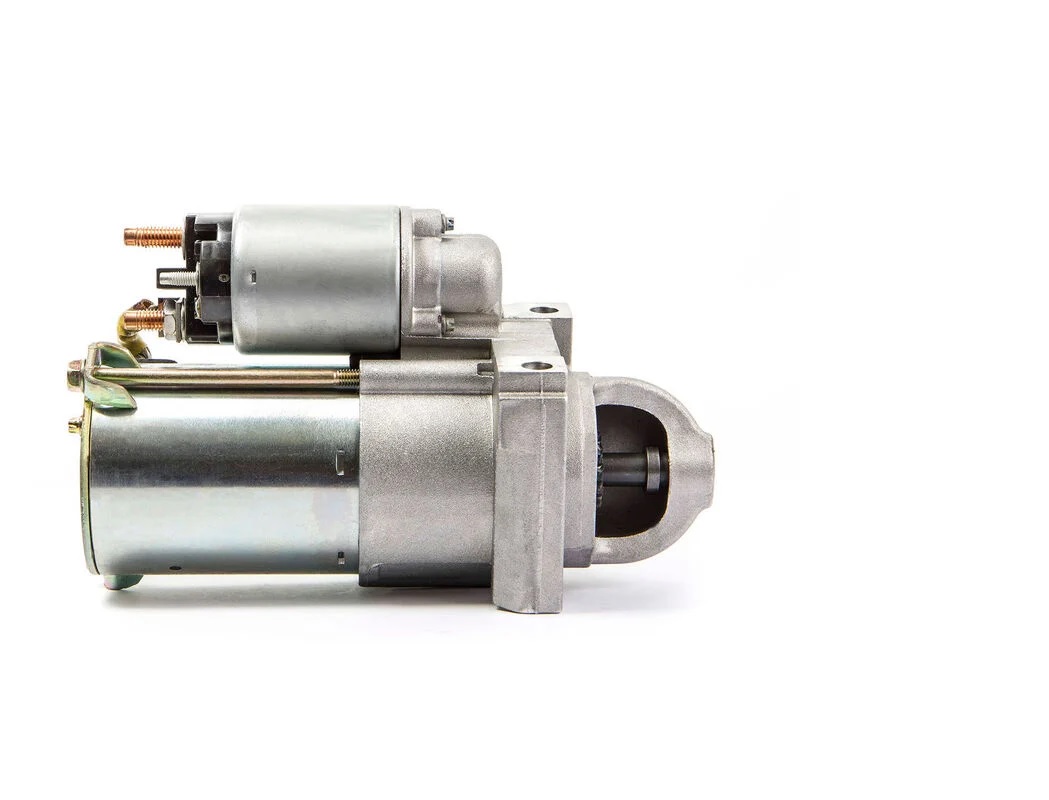
Electric starters are the most common choice for 4-stroke outboard engines, powering brands like Yamaha, Tohatsu, and Evinrude. Think of them as the dependable friend who’s always ready to help. They draw power from your boat’s battery to spin the starter motor, which engages the pinion gear to crank the flywheel and start the engine.
Best For: Recreational boaters, weekend warriors, and small to mid-sized outboards (e.g., Yamaha 90HP or Mercruiser 3.0L).
Pros:
- User-Friendly: Just turn the key or press a button to start.
- Affordable: Prices range from $200 to $500 for a complete kit.
- Widely Compatible: Available for most 4-stroke outboards and inboards.
- Easy Installation: Bolt-on designs simplify replacements.
Cons:
- Battery Dependent: A weak or dead battery means no start.
- Less Robust in Extremes: Extreme cold or prolonged exposure to moisture can challenge performance.
Top Brands: Yamaha, MerCruiser, Sierra Marine, DB Electrical.
Cost: $200–$500, depending on engine size and brand.
Electric starters are ideal for casual boaters who value simplicity and don’t need to start their engine in extreme conditions. Regular battery maintenance is key to keeping them reliable.
Hydraulic Starters: The Torque Titans
Hydraulic starters are the heavyweights of the marine starter world, designed for larger 4-stroke inboard engines, especially diesel-powered setups like Westerbeke, OMC, or Volvo Penta. These systems use pressurized fluid stored in an accumulator to drive a piston, delivering massive torque to crank even the most stubborn engines.
Best For: Commercial vessels, emergency starts, and high-power diesel engines (e.g., Caterpillar or Yanmar diesels).
Pros:
- Battery-Free: No reliance on electrical systems, perfect for emergencies.
- Immense Torque: Easily cranks large, high-displacement engines.
- Ultra-Reliable: Built to perform in harsh marine environments, from freezing waters to tropical heat.
- Long Lifespan: Durable components withstand years of heavy use.
Cons:
- Expensive: Costs range from $800 to $2,500.
- Complex Installation: Requires pumps, valves, and accumulators, increasing setup time.
- Maintenance Needs: Periodic fluid checks and valve inspections are necessary.
Top Brands: Kocsis, Bosch, Hydraulic Starting Systems.
Cost: $800–$2,500, depending on engine size and system complexity.
Hydraulic starters are the go-to for professional mariners or anyone operating large diesel engines where reliability is non-negotiable. They’re also a favorite for vessels that need to start in power-loss scenarios.
Spring Starters: The Simple, Self-Reliant Option
Spring starters are entirely mechanical, relying on a hand-wound spring to store energy that’s released to crank the engine. They’re a niche but valuable option for smaller 4-stroke engines or as a backup system on critical vessels.
Best For: Emergency starts, small utility boats, or low-power 4-stroke engines (e.g., dinghies or lifeboats).
Pros:
- No Electricity Needed: Completely independent of batteries or electrical systems.
- Low Maintenance: Minimal moving parts mean less upkeep.
- Compact Design: Ideal for tight engine compartments.
- Dependable Backup: Perfect for “dead ship” scenarios.
Cons:
- Manual Effort: Winding the spring requires physical strength.
- Limited Torque: Not suitable for large or high-compression engines.
- Slower Starts: Less immediate than electric or hydraulic systems.
Top Brands: Cqstart, Spring Starter, Gali.
Cost: $300–$800, depending on engine compatibility.
Spring starters are a great choice for smaller boats or as a fail-safe on vessels where electrical failures are a risk. They’re simple, reliable, and require minimal maintenance.
Comparing Marine Starter Options
Electric Starters
When deciding which marine starter is right for your 4-stroke engine, consider how each type fits your needs. Electric starters are the go-to for recreational boaters due to their ease of use, affordability, and compatibility with most outboards and smaller inboards. They’re perfect for quick starts and casual outings, but they rely on a healthy battery, which requires regular maintenance.
Hydraulic Starters
Hydraulic starters, on the other hand, are built for heavy-duty applications. Their ability to deliver massive torque without a battery makes them ideal for commercial vessels, large diesel engines, or situations where power loss is a risk. However, their higher cost and complex installation make them overkill for smaller boats.
Spring Starters
Spring starters offer a unique, battery-free solution for smaller engines or as a backup system. Their mechanical simplicity ensures reliability, but the manual winding process and limited torque make them less practical for larger engines or frequent use.
Ultimately, your choice depends on your engine size, boating style, and budget. Electric starters suit most recreational boaters, hydraulic starters excel in demanding commercial settings, and spring starters provide a reliable fallback for emergencies.
Shop all Marine Engine Starters
Shop all Electrical Engine Parts
How Does a Marine Starter Work?
Starters follow a four-step process to fire up your engine. Here’s how they work:
1. Activation: You turn the key, press the start button, or (for spring starters) release the wound spring.
2. Power Delivery:
- Electric: The battery sends voltage to the solenoid, which engages the pinion gear with the flywheel’s ring gear.
- Hydraulic: Pressurized fluid from the accumulator moves a piston to rotate the crankshaft.
- Spring: Stored mechanical energy is released to spin the starter gear.
3. Cranking: The starter motor spins the flywheel, turning the crankshaft until the engine’s combustion process begins.
4. Disengagement: Once the engine starts, the pinion gear retracts to prevent damage to the starter or flywheel.
This process must be fast, reliable, and resilient to wet, salty, or freezing conditions. A well-matched starter ensures seamless ignition, while a poor fit can lead to sluggish starts or mechanical failures.
Troubleshooting Marine Starter Problems
Is your 4-stroke engine struggling to start? Don’t let a faulty starter ruin your day on the water. Here are common signs of trouble and how to diagnose them:
Signs of a Faulty Marine Starter
- Clicking Noise: The solenoid engages but the motor doesn’t spin.
- Slow or No Cranking: The engine turns sluggishly or not at all.
- Burning Smell or Smoke: Electrical components may be overheating.
- Corrosion on Terminals: Rust or saltwater damage disrupts connections.
- Starter Spins but Doesn’t Engage: The pinion gear isn’t catching the flywheel.
- No Response: Turning the key does nothing.
How to Test Your Marine Starter
- Check Battery Voltage: Use a multimeter to confirm the battery reads at least 12.6V when fully charged.
- Inspect Wiring: Look for loose, corroded, or damaged connections causing voltage drops.
- Test the Solenoid: Safely bypass the solenoid to see if the starter motor spins directly.
- Manually Spin the Flywheel: Ensure the engine isn’t seized or mechanically blocked.
- Check for Water Intrusion: Look for signs of moisture in the starter housing or terminals.
If testing confirms a faulty starter, replace it with a high-quality unit matched to your engine’s displacement, gearcase, and mounting pattern. Always consult your engine’s manual or a marine mechanic for precise compatibility.
Common Fixes
- Clean Terminals: Remove corrosion with a wire brush and apply dielectric grease.
- Charge or Replace Battery: A weak battery can mimic starter failure.
- Tighten Connections: Loose bolts or wiring can disrupt power flow.
- Replace Solenoid: A faulty solenoid is often cheaper to fix than the entire starter.
- Upgrade Starter: If your current starter is underpowered, consider a higher-torque model.
Why Are Marine Starters So Expensive?
Marine starters cost more than automotive ones due to their specialized design:
- Corrosion Resistance: Materials like beryllium bushings and stainless steel fight saltwater damage.
- Sealed Systems: Waterproof enclosures protect electrical components from spray and bilge gases.
- Vibration Tolerance: Robust construction handles engine and wave-induced shaking.
- Marine Certifications: Brands like Yamaha, Volvo Penta, and OMC meet strict safety and performance standards.
- Durability: Built to last in harsh conditions, reducing replacement frequency.
Expect to pay $200–$500 for electric starters, $800–$2,500 for hydraulic systems, and $300–$800 for spring starters. While the upfront cost is higher, the reliability and longevity justify the investment.
Choosing the Best Marine Starter for Your 4-Stroke Engine
Selecting the right marine starter involves balancing your engine’s needs with your boating habits. For recreational boaters with small to mid-sized outboards, electric starters offer the best mix of affordability, ease of use, and compatibility. They’re perfect for quick, hassle-free starts on weekend trips, but you’ll need to keep your battery in top shape to avoid issues.
For commercial operators or those with large diesel inboards, hydraulic starters are the gold standard. Their battery-free operation and immense torque make them ideal for high-stakes environments where failure isn’t an option. The higher cost and maintenance requirements are worth it for their unmatched reliability.
Spring starters are a niche choice, best suited for small vessels or as a backup system. Their mechanical simplicity makes them a lifesaver in emergencies, but they’re not practical for large engines or frequent use due to the manual winding process.
Key Factors to Consider
- Engine Size: Larger engines (e.g., diesel inboards) need high-torque hydraulic starters, while smaller outboards thrive with electric models.
- Boating Style: Recreational boaters prioritize ease of use (electric), while commercial operators value reliability (hydraulic).
- Budget: Electric starters are the most cost-effective upfront; hydraulic systems offer long-term durability.
- Maintenance: Electric starters require battery care; hydraulic systems need fluid checks; spring starters are low-maintenance.
- Environment: If you boat in extreme conditions (e.g., cold climates or high seas), hydraulic or spring starters may be more reliable.
- Backup Needs: Spring starters are ideal as a fail-safe for vessels at risk of electrical failure.
Pro Tip: Match Your Starter to Your Engine
Always check your engine’s specifications—displacement, gearcase, mounting pattern, and torque requirements—before buying a starter. A mismatched starter can lead to poor performance, premature wear, or even engine damage. Consult your engine manual or a marine mechanic to ensure compatibility.
Maintenance Tips for Marine Starters
To keep your starter in top shape and extend its lifespan:
- Inspect Regularly: Check for corrosion, loose connections, or water intrusion before every trip.
- Clean Terminals: Use a wire brush and dielectric grease to prevent corrosion buildup.
- Test Battery Health: Charge or replace batteries annually to avoid power issues.
- Lubricate Moving Parts: Apply marine-grade lubricant to the pinion gear and other components.
- Store Properly: When not in use, keep your boat in a dry, covered area to minimize moisture exposure.
- Flush Hydraulic Systems: For hydraulic starters, check fluid levels and flush the system per manufacturer guidelines.
- Test Spring Starters: Periodically wind and release spring starters to ensure smooth operation.
Regular maintenance can prevent 90% of starter failures, saving you time and money on the water.
FAQs About Marine Starters
What is a hydraulic starting system for diesel engines?
Ideal for commercial vessels or emergency starts in harsh conditions, hydraulic starters use pressurized fluid stored in an accumulator to drive a high-torque motor, cranking large diesel engines without relying on a battery.
Why won’t my 4-stroke outboard start?
Common causes include a dead battery, faulty solenoid, stuck pinion gear, corrosion, or water intrusion. Test the battery, wiring, and starter motor to diagnose the issue.
How do I know if my marine starter is failing?
Look for slow cranking, clicking noises, no response when turning the key, or visible corrosion. A multimeter test can confirm if the starter is receiving power.
What’s the difference between marine and automotive starters?
Marine starters are sealed, corrosion-resistant, and built to withstand saltwater, humidity, and vibration. Automotive starters lack this durability and fail quickly in marine environments.
How much does it cost to replace a marine starter?
Electric starters cost $200–$500, hydraulic systems range from $800–$2,500, and spring starters are $300–$800, depending on the engine and application.
Are 4-stroke outboards worth it?
Yes! 4-stroke outboards are quieter, more fuel-efficient, and produce fewer emissions than 2-stroke models. They also integrate seamlessly with modern electric or hydraulic starters.
How long do marine starters last?
With proper maintenance, electric starters last 5–10 years, hydraulic starters can exceed 15 years, and spring starters often last decades due to their simplicity.
Can I use an automotive starter on my boat?
No. Automotive starters aren’t designed for marine environments and will corrode or fail quickly. Always use a marine-grade starter for safety and reliability.
Conclusion: Start Your 4-Stroke Engine with Confidence
Whether you’re powering a Yamaha 90HP outboard for a leisurely cruise, a Westerbeke diesel for commercial work, or a compact Evinrude for fishing trips, the right marine starter ensures your
4-stroke engine starts reliably every time. Electric starters offer simplicity for recreational boaters, hydraulic starters deliver unmatched power for demanding applications, and spring starters provide a dependable backup for emergencies.
To choose the best starter, match it to your engine’s specs, consider your boating style, and prioritize regular maintenance. With the right starter and a little TLC, you’ll enjoy worry-free starts and countless adventures on the water. Got questions about your engine or starter options? Drop your engine details in the comments, and we’ll help you find the perfect marine starter for your boat!
Happy boating, and may your engine always roar to life!
Shop all Marine Engine Starters