A Complete Horsepower Guide to 4-Stroke Outboard Motors
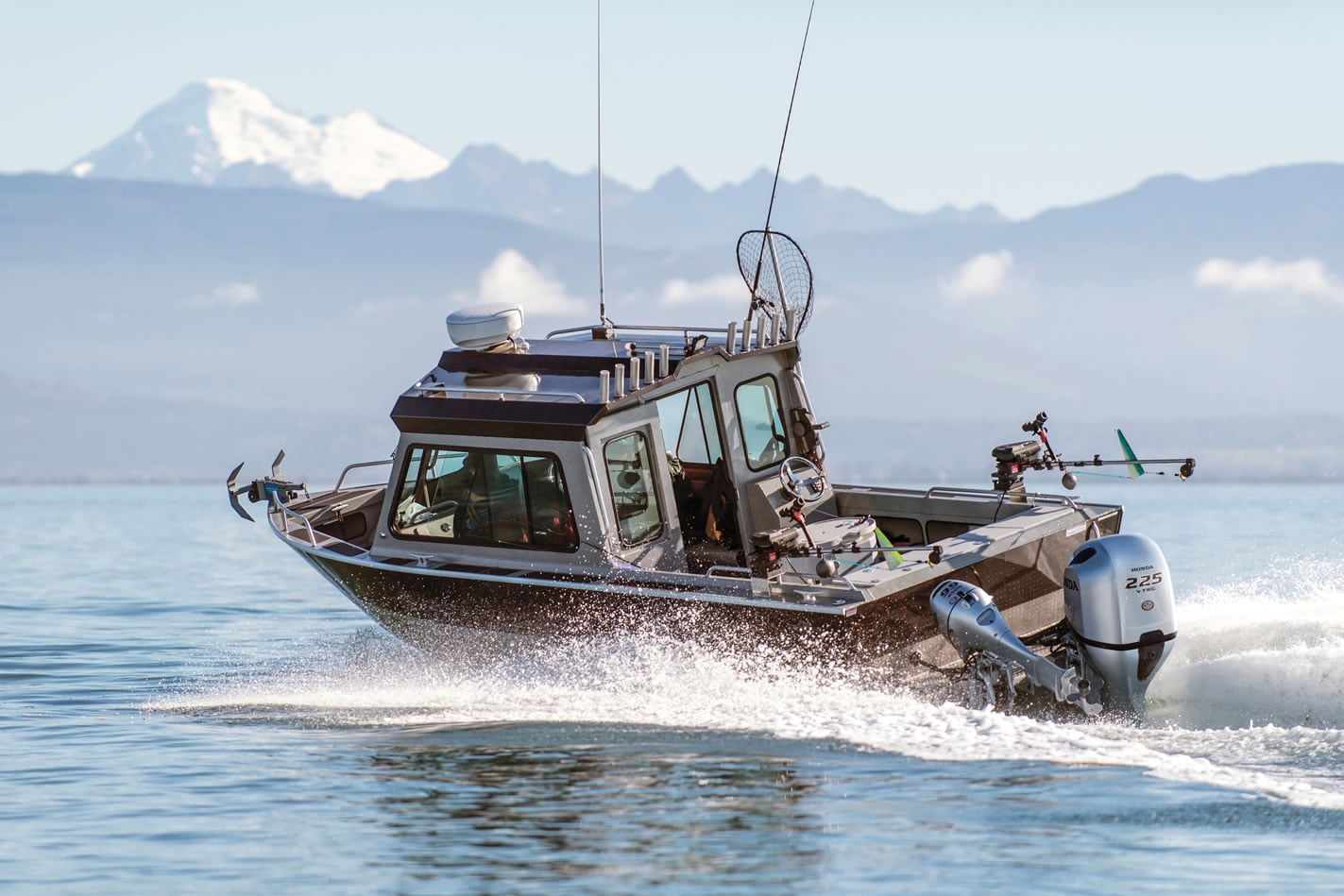
Imagine the hum of a smooth, fuel-efficient engine as you cruise across your favorite bay. That reliable force at the back of your boat? It’s more than just machinery—it’s your ride’s heartbeat. Whether you need a small 2.5 HP unit for a tender or a serious 300 HP setup for offshore exploration, four-stroke propulsion systems from Yamaha, Mercury, Honda, and Suzuki cover every boating lifestyle.
This guide explores how different outboard horsepower levels translate to real-world use, helping you match your hull with the right setup—whether you're trailering a jon boat or outfitting a twin-rig center console. We’ll break down power classes, use cases, features to expect, and performance tips across the entire four-stroke horsepower spectrum.
Pocket-Sized Power: 2.5–6 HP 4-Stroke Outboard Motors
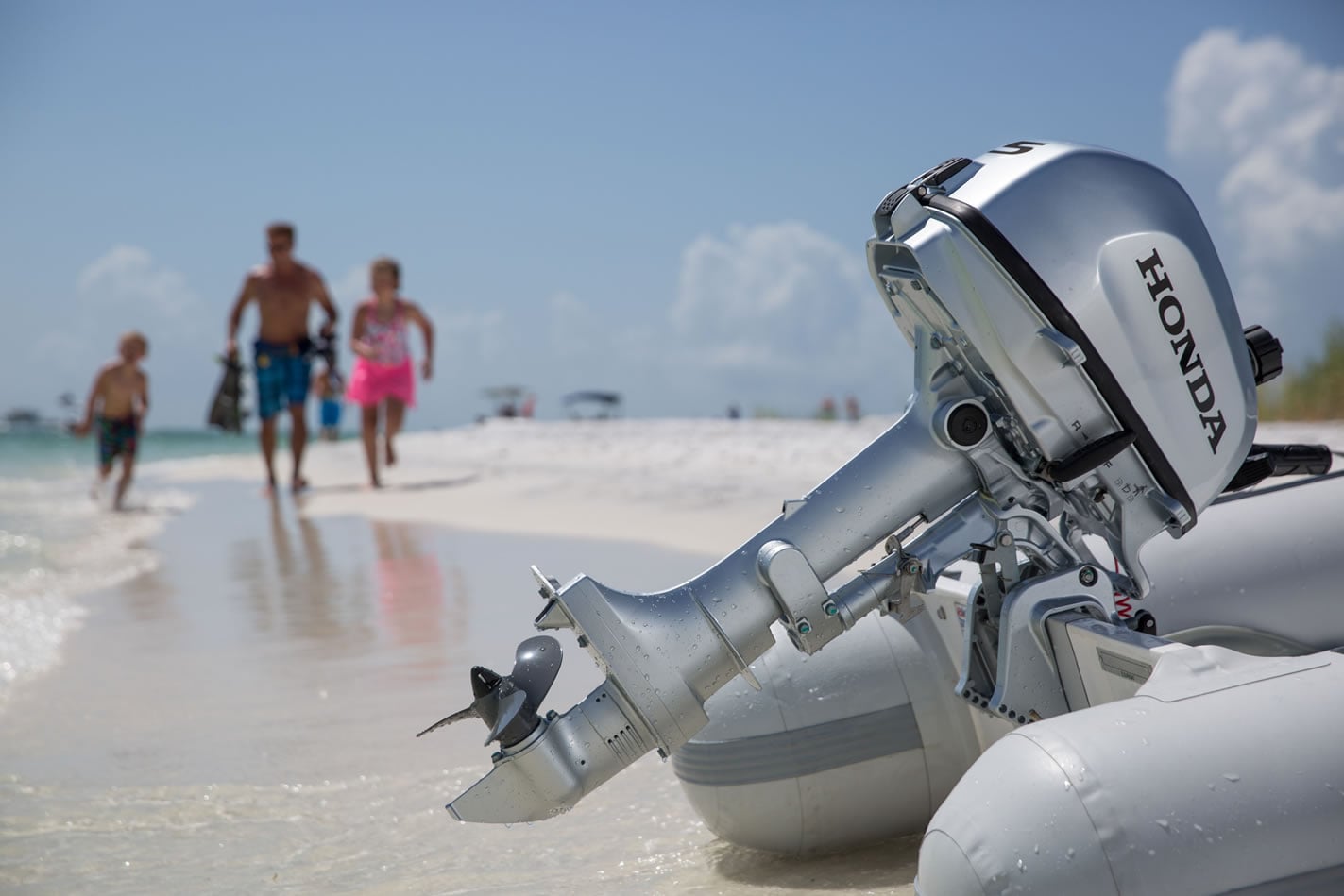
Need a portable outboard that stows easily? A 2.5 HP four-stroke is ultra-light and ideal for inflatable boats or canoes. Weighing in at around 40 lbs, it’s easy to carry and gets the job done on flat water.
With excellent throttle response, efficient the 4 HP and 6 HP models are a great choice for:
- Dinghies under 10 feet
- Auxiliary power for sailing vessels
- Small fishing skiffs
Notable features include:
- Air-cooled or water-cooled configurations
- Built-in integral fuel tanks (typically ~1L capacity)
- Simple 3-position gear shifts (forward, neutral, reverse)
- Long shaft options for deeper hulls
Caribbean cruisers often rely on 2.5–6 HP models as their go-to dinghy engines, using them for daily beach runs, provisioning trips, or reaching remote anchorages. They're easy to maintain and don’t require complicated servicing.
Shop 2.5 - 6 HP 4 Stroke Outboard Motors
8–15 HP 4-Stroke Outboard Motors
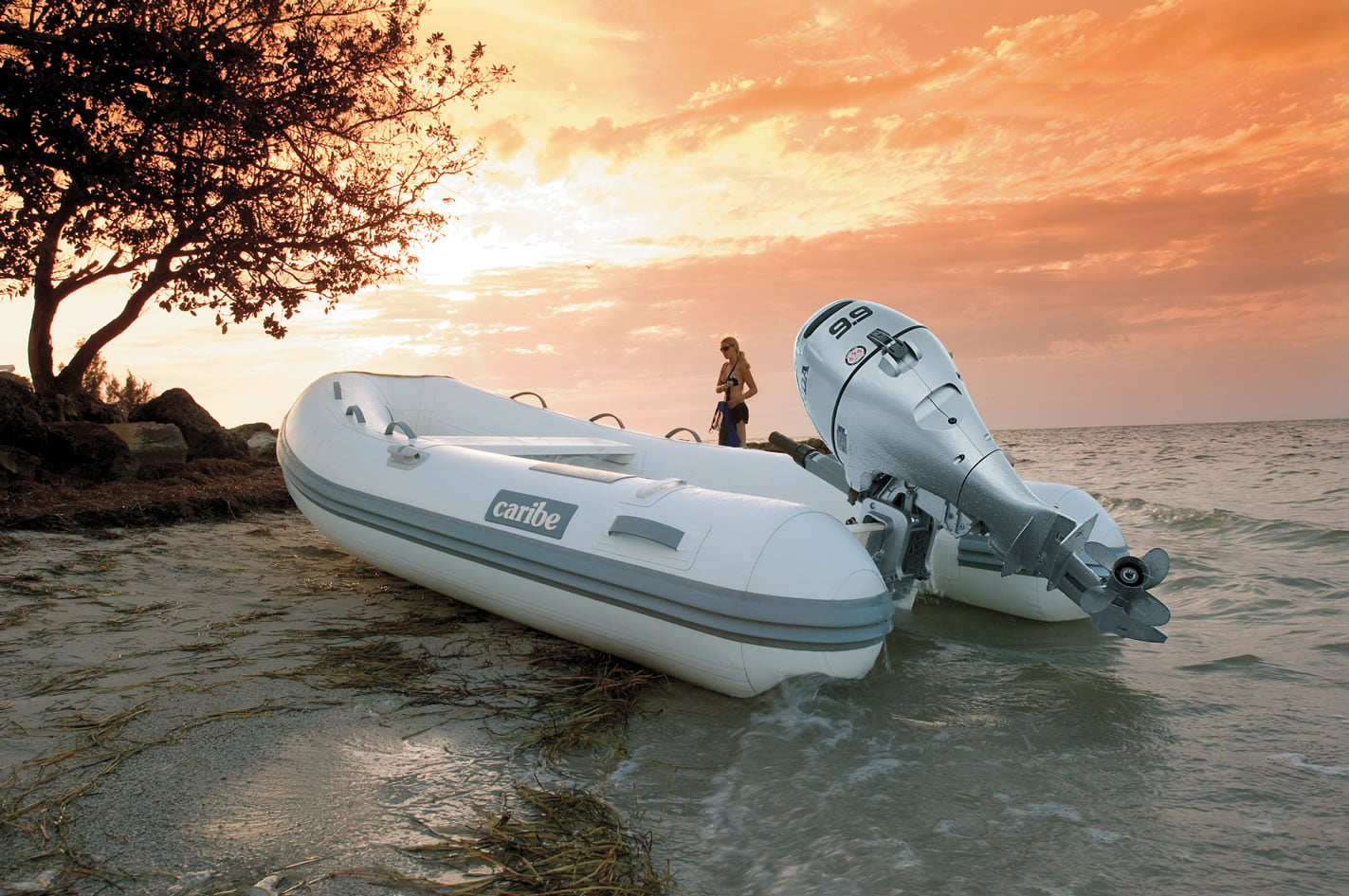
If you're trailering boats for weekend angling, duck hunting, or freshwater exploring, 8–15 HP four-stroke motors hit the sweet spot between power and portability.
Popular on:
- 12–14 ft jon boats
- Flat-bottom skiffs for river fishing
- Small pontoons on calm lakes
- Utility boats used for marina transport or lake management
Performance features:
- Electronic ignition and automatic decompression systems
- External fuel tanks for longer range (3–6 gallons)
- Optional remote steering for semi-permanent installations
These motors offer enough thrust to plane a light boat while remaining compact. Many state park fleets and rental operators use 9.9 or 15 HP models because they’re easy to maintain and capable of pushing two or three adults with gear safely and efficiently.
Shop 8–15 HP 4-Stroke Outboard Motors
20–60 HP 4-Stroke Outboard Motors
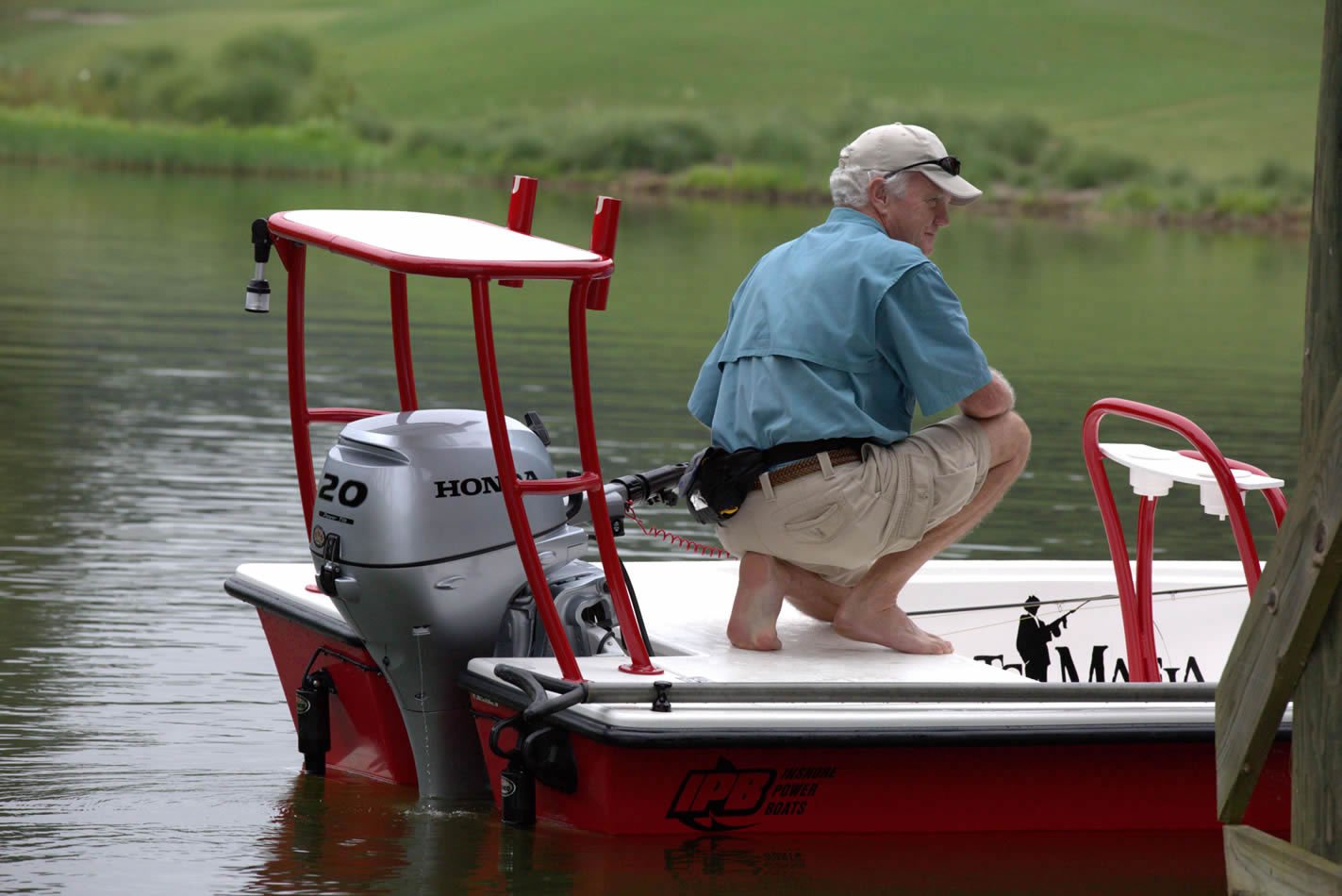
Planning longer runs or carrying more weight? A 25 HP engine offers great economy for utility boats, while 30 HP systems strike a good power-to-weight balance.
- 40 HP motors are powerful enough for heavier duck boats or transporting gear on remote hunting trips.
- A 50 HP setup often includes power trim and tilt for easier handling.
- Go for a 60 HP model if you’re hauling family and supplies on a runabout or pontoon boat.
Perfect for:
- Skiffs used in shallow inshore waters
- Family pontoon boats (18–20 ft)
- Duck boats or utility hulls with gear and decoys
- Government survey boats or rescue craft
This class includes Command Thrust options for more torque at lower speeds, perfect for slow-trolling and heavier loads. Tiller and remote options are available across many models. These engines support steering upgrades, digital gauge integration, and fuel injection for smoother cruising.
A 60 HP four-stroke can push a 17 ft center console at 28–34 MPH depending on load. If you're upgrading from a 2-stroke 40, expect quieter operation, lower emissions, and up to 30% better fuel economy.
Shop 20 - 30 Horsepower 4-Stroke Outboard Motors
70–115 HP 4-Stroke Outboard Motors
Boats in the 16–20 ft category often pair beautifully with a 75 HP, 90 HP, or 115 HP four-stroke.
These setups work well for:
- Day cruising with a group
- Watersports like tubing and skiing
- Inshore and coastal angling
- Deep-V aluminum multispecies boats
- Fiberglass bay boats
- Tri-toon pontoons
- Flats boats with poling platforms
These motors support trolling speed control, hydraulic steering, NMEA 2000 connectivity, and run whisper-quiet. They are ideal for deep-V hulls, tri-toons, and mid-size fiberglass bay boats. The 115 HP 4-stroke frequently rivals the torque of older 2-stroke 150s.
A modern 115 HP four-stroke rivals the performance of older 2-stroke 130–140s without the smoke, noise, or fuel slosh. Top speed on an 18 ft hull with two people typically hits 40–45 MPH depending on prop pitch and hull shape.
Shop All Outboard Motors at West Marine
150–200 HP 4-Stroke Outboard Motors
These are the real workhorses of the recreational boating world. The 150 HP outboard is arguably the most versatile engine on the market, perfect for bay boats, deck boats, and nearshore rigs.
Popular on:
- Center consoles (18–22 ft)
- Dual-console family sport boats
- Heavily outfitted aluminum deep-Vs
- Cabin cruisers with single-engine mounts
Expect features like:
- Digital Throttle and Shift (DTS) controls
- Hydraulic steering or power-assist steering
- Cruise-assist or eco-mode fuel mapping
- Lean burn systems to minimize fuel use during long cruises
A 175 HP or 200 HP engine provides the boost needed for heavier fiberglass setups or boats with added passenger capacity. Look for lean burn control, torque-boosting features, and digital throttle setups for performance and comfort.
225–300 HP 4-Stroke Outboard Motors
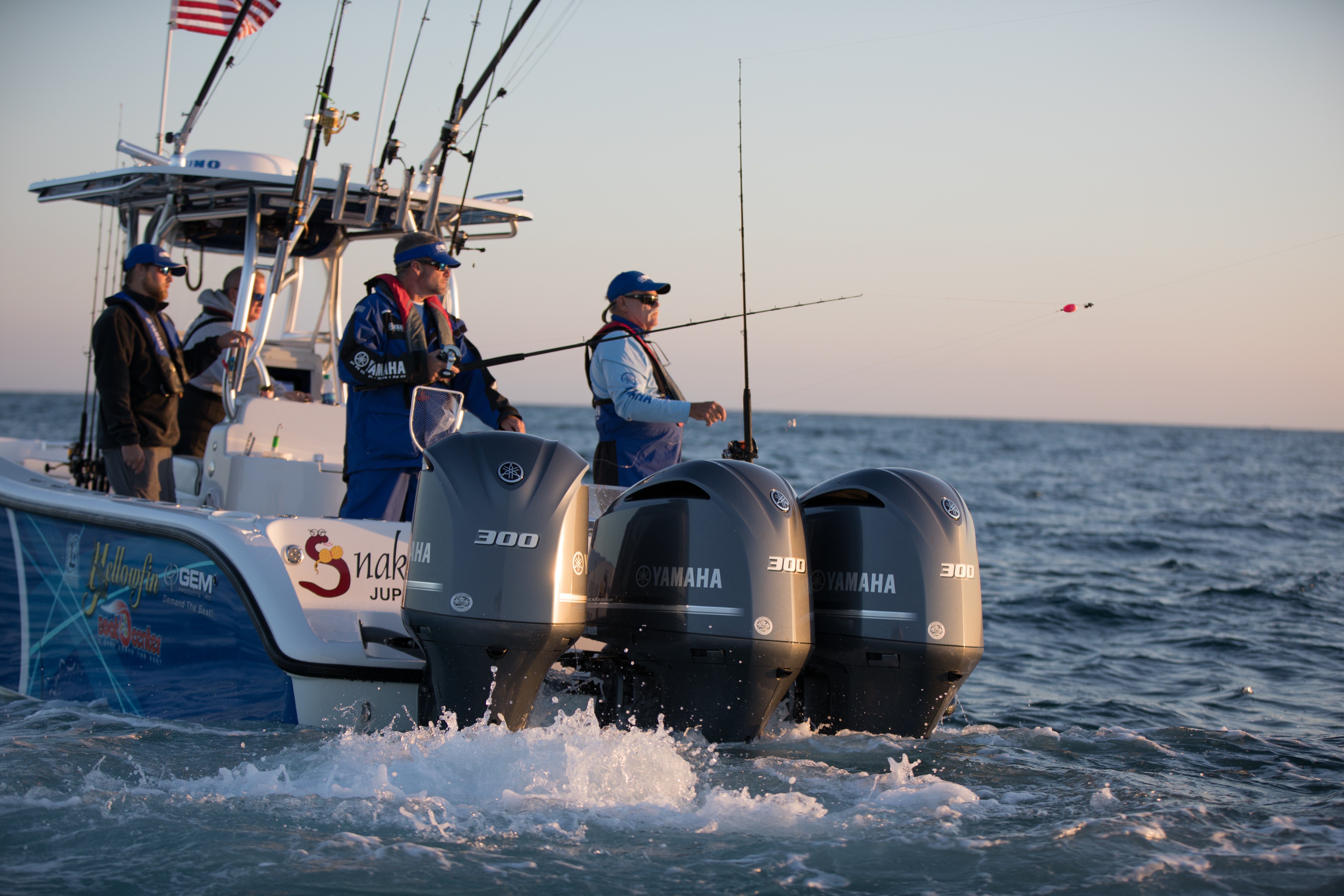
If your adventures take you 20+ miles offshore or you regularly run a larger boat with a hardtop, bait tanks, and full electronics, this is your class.
- 225 HP for bay or nearshore vessels
- 250 HP for twin-rigged cruisers or sportfishers
- 300 HP for triple-engine offshore beasts
Best used on:
- 26–32 ft offshore center consoles
- Dual console luxury boats (Sea Hunt, Grady-White, etc.)
- Triple-engine tournament setups
- Pilot boats or coastal patrol vessels
These models offer electro-hydraulic steering, refined torque curves, adaptive RPM control, and serious corrosion protection for saltwater use. Twin 250 HP setups can plane a 29 ft offshore hull in seconds, hold cruise at 32–35 knots, and idle quietly for bait fishing. 300 HP engines are often used in triples on high-speed hulls like Contenders, Invincibles, and SeaVees.
Click here to learn how to winterize your Outboard Motor
Picking The Right Boat Motor For Your Boat
Always check your boat’s capacity plate before upgrading or repowering. Most manufacturers list max horsepower—and max weight—for a reason. Underpowering will lead to poor performance, especially in current or wind. Overpowering may void your insurance.
General guidelines:
- 14–16 ft aluminum hull: 25–40 HP
- 17–19 ft center console: 90–115 HP
- 20–22 ft bay boat: 150 HP
- 23–26 ft offshore hull: 200–300 HP (twin or single)
- 26–30 ft bluewater rig: twin 250s or triple 300s
Pro tip: Choose a horsepower level that allows your boat to plane comfortably at 60–70% throttle. This gives you room for load changes and improves engine life.
Check out our Boat Engine 101 Buyers Guide
Boat Motor OEM Parts: Why They Matter
Whether you're running a 6 HP portable engine or a 300 HP offshore system, you want components made to spec.
OEM parts make engine repair easy by giving you these benefits:
- Proper fit for your brand and model
- Continued warranty coverage
- Ideal performance from ignition to cooling
Trusted brands like Suzuki, Yamaha, Mercury, and Honda offer part lookup tools to keep your system running right—especially in critical systems like fuel, cooling, and ignition.
Click here for our Engine Parts Buying Guide
FAQs: 4-Stroke Outboard Boat Motor Horsepower & Performance
How do I know when it's time to replace my 4-stroke outboard motor?
If your 4-stroke outboard is showing signs like frequent repairs, hard starts, poor fuel economy, or trouble staying on plane—even after regular maintenance—it may be time for a replacement. Motors over 15 years old or those that can’t integrate with modern electronics like NMEA 2000 or digital throttle systems are often better replaced than repaired. Newer 4-stroke engines offer better performance, lower emissions, and greater reliability for today's boating needs.
What is the most fuel-efficient 4 stroke outboard motor?
If you're looking for maximum fuel savings without sacrificing capability, the 25–60 horsepower 4 stroke outboard motor range is ideal. Models like the Yamaha F25, Mercury 40 EFI, and Honda 50 HP 4-stroke offer exceptional miles per gallon at cruising speeds. They use electronic fuel injection (EFI) to optimize fuel-air mixture and reduce waste. These motors are ideal for anglers and family cruisers who want to stretch their range on a single tank. Their lightweight design also means less drag on smaller hulls, which boosts overall fuel efficiency in 4 stroke marine engines.
Is a 150 horsepower 4 stroke outboard motor enough for bay boats?
Absolutely. The 150 HP 4 stroke outboard motor is one of the most recommended setups for 19–22 ft bay boats and hybrid fishing rigs. It provides the perfect blend of low-end torque, cruising power, and top-end speed—all while remaining fuel-efficient. Whether you're drifting the flats or running across open bays, 150 HP gives you the flexibility to cover water quickly and comfortably. Many models in this class support digital throttle systems, smart trim, and vessel diagnostics, making them great for both beginners and seasoned captains.
Can I upgrade from a 90 HP to a 115 HP 4 stroke outboard motor?
Yes, many boats rated for 90 horsepower are also rated for a 115 horsepower 4 stroke outboard motor—but always check your capacity plate. This upgrade provides roughly a 25–30% boost in performance, especially in acceleration (hole shot) and the ability to stay on plane at lower RPMs. If you carry passengers or gear, the jump to 115 HP helps maintain speed under load. Keep in mind: the engine weight, mounting configuration, and steering system compatibility may also need adjustment. Most users find the 115 HP 4 stroke motor a sweet spot before jumping to midrange power classes.
How do 250 and 300 horsepower 4 stroke outboards compare?
The main differences between a 250 HP and a 300 HP 4 stroke outboard motor lie in torque curve tuning, gear ratio, and advanced performance tech. While the top speed difference might seem small, 300 HP motors often come with premium digital controls, joystick steering options, and enhanced corrosion resistance for bluewater use. If you frequently carry passengers offshore or run heavier boats, that extra 50 HP can be the difference between efficiency and overworking the engine. For most offshore rigs (26–30 ft), twin 300s are standard—offering maximum speed, balance, and range.
Why do 4 stroke outboard motors last longer than 2 strokes?
4 stroke marine engines operate with separate oil and fuel systems, meaning they burn cleaner and generate less internal carbon buildup. They also tend to run at lower RPMs, reducing wear on pistons, rings, and bearings over time. A well-maintained 4 stroke outboard motor—whether 25 HP or 250 HP—can last 1,500 to 3,000 hours. Compared to 2 strokes, they also idle more smoothly, create less vibration, and are far more fuel-efficient. Their longevity is one of the top reasons boaters choose them for both weekend use and commercial applications.
When Is It Time To Replace or Buy A New 4-Stroke Boat Motor?
There comes a time in every boater’s journey when you start asking, "is my outboard motor still pulling its weight"? If your 4-stroke engine is clocking over a decade of use or pushing past the 1,500-hour mark, you might start noticing little red flags—maybe it’s sluggish getting on plane, or you’re pouring more into repairs than you'd like to admit. Even if you've kept it well-maintained, older carbureted models can fall behind in today’s world of smart tech, fuel-efficient EFI systems, and cleaner emissions standards.
Telltale signs that it might be time to shop for a new 4-stroke outboard motor:
-
You're spending too much on repairs: If annual maintenance is creeping close to 50% of a new engine's cost.
- It’s just not running right: Hard starts, rough idling, or unpredictable surges despite regular servicing.
- You’re burning more fuel than your buddies: Outdated motors can guzzle gas, especially when towing or cruising.
- Rust is creeping in: Corrosion that affects engine mounts, steering arms, or internal components.
- It won’t play nice with your tech: No NMEA 2000 support? No digital throttle? That limits what your boat can do.
- It’s 15+ years old: And OEM parts are getting harder (and pricier) to track down.
- Your boating needs have changed: Maybe you're running heavier gear, towing more often, or exploring farther offshore.
Whether you need something light enough for a dinghy or strong enough to tame the Gulf Stream, four-stroke marine engines are versatile, efficient, and made to last. If you’re ready to replace your current 2-stroke or 4-stroke outboard motor, shop our inventory online by brand or horsepower and get back out on the water today!