Short, Long, and Extra-Long Shaft 4-Stroke Outboards: Your Guide to the Perfect Fit

Picture this: your boat glides effortlessly across the water, handling like a dream, with every turn and throttle response feeling just right. The secret behind that smooth ride? It often comes down to something as simple—and critical—as the shaft length of your 4-stroke outboard motor. Choosing the right shaft length isn’t just a technical checkbox; it’s the foundation of your boat’s performance, fuel efficiency, and safety.
Shaft length determines how deeply your propeller sits in the water, directly affecting how your boat moves. Too short, and you risk cavitation and poor control. Too long, and you’re dragging, wasting fuel, and slowing down. With three main options—short shaft (15 inches), long shaft (20 inches), and extra-long shaft (25 inches and up)—this guide will help you find the ideal match for your boat, whether it’s a compact dinghy, a versatile fishing rig, or an offshore cruiser.
We’ll cover how to measure your transom, choose the right shaft length, and avoid common pitfalls, answering questions like “How do I measure outboard shaft length?” and “What’s the difference between 15, 20, and 25-inch shafts?” Let’s dive in.
Why Shaft Length Is a Big Deal
The shaft length of an outboard motor is the distance from the mounting clamp to the cavitation plate, the flat piece just above the propeller. This measurement determines how deep the propeller sits in the water, which has a huge impact on performance:
- Too short: The propeller sits too high, pulling in air (cavitation), which reduces thrust, overheats the engine, and makes handling sloppy.
- Too long: The propeller sits too deep, creating drag, burning extra fuel, and reducing speed.
The right shaft length ensures your boat moves efficiently, handles predictably, and keeps your engine running smoothly.
How to Measure for the Right Shaft Length
To pick the perfect shaft length, you need to know your boat’s transom height—the vertical distance from the top of the transom (where the motor mounts) to the bottom of the hull. Here’s how to do it:
- Grab a tape measure.
- Measure straight down from the top edge of the transom to the hull’s lowest point.
- Match your measurement to these standard shaft lengths:
- 15 inches: Short Shaft
- 20 inches: Long Shaft
- 25 inches or more: Extra-Long Shaft
Precision is key. Even a slight mismatch can lead to performance issues or engine strain. This step answers common questions like “How do you measure outboard shaft length?” and sets you up for success.
Choosing the Right Shaft for Your Boat
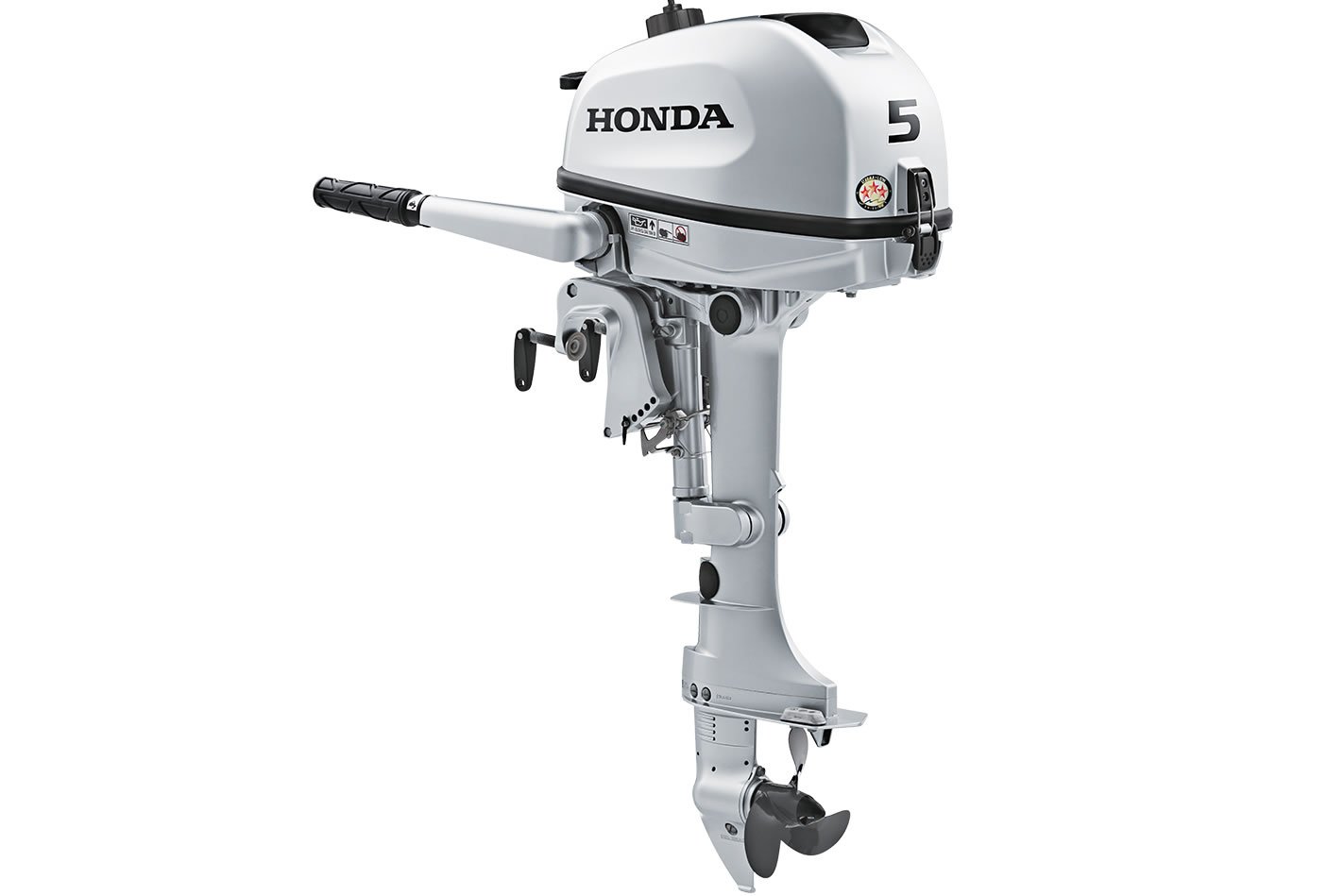
Each shaft length is tailored to specific boat types and conditions. Here’s a breakdown to help you decide:
Short Shaft (15 inches): Ideal for Small, Shallow-Water Boats
- Best for: Inflatables, Jon boats, dinghies, and flat-bottom skiffs with transoms under 16 inches.
- Why it works: Keeps the propeller at the right depth for shallow rivers, calm lakes, or coastal flats without dragging.
- Use case: Perfect for a tender shuttling between shore and a larger vessel or a small boat navigating marshy waters.
Long Shaft (20 inches): The All-Purpose Choice
- Best for: Mid-size aluminum boats, sailboats under 25 feet, skiffs, and center consoles with transoms around 20 inches.
- Why it works: Ensures the propeller stays submerged in moderate chop, reducing ventilation (air bubbles around the prop) for reliable thrust.
- Use case: A great fit for recreational fishing or cruising on inland lakes and nearshore waters.
Extra-Long Shaft (25 inches and up): Built for Big Boats and Open Water
- Best for: Offshore fishing boats, catamarans, and sailboats with high transoms.
- Why it works: Keeps the propeller deep enough to handle heavy swells and tall transoms, maintaining consistent power in rough conditions.
- Use case: Essential for bluewater adventures where waves and deep hulls demand extra reach.
Key Tips for Getting It Right
Before you buy a new outboard, keep these points in mind:
- Measure carefully: Double-check your transom height to avoid costly mismatches.
- Horsepower doesn’t dictate shaft length: Even low-HP motors (like 6 or 9.9 HP) come in multiple shaft sizes.
- Check brand specs: Manufacturers like Yamaha, Honda, Mercury, and Suzuki may use labels like “S” (short), “L” (long), or “XL” (extra-long) with slight variations (e.g., 20, 25, or 30 inches).
- Performance matters: A mismatched shaft can reduce speed, increase fuel consumption, or even damage your engine.
Modern Features for Better Fitment
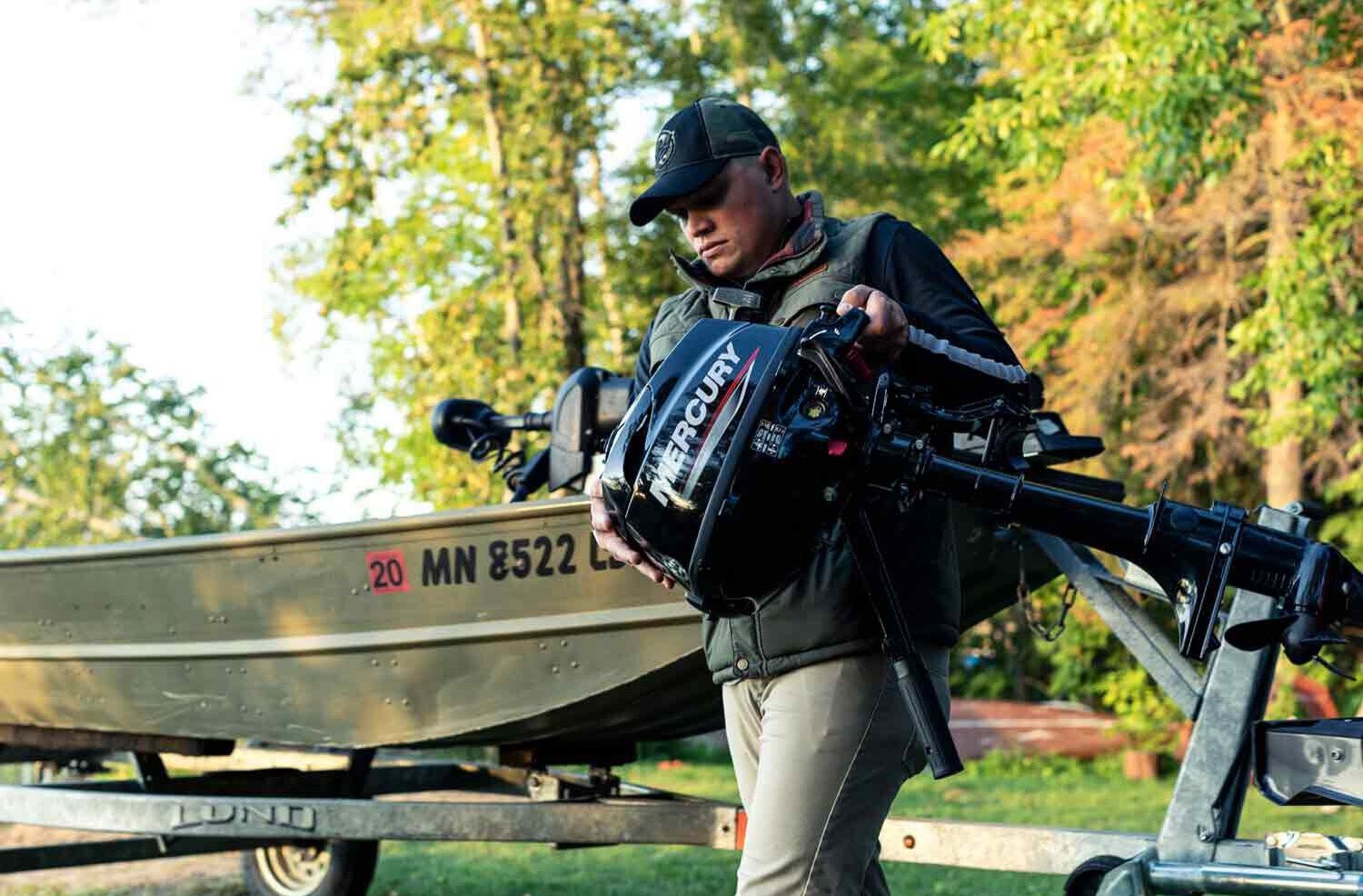
Today’s 4-stroke outboards are designed with features that make shaft length fitment more flexible:
- Power trim and tilt: Adjusts the motor’s angle to optimize thrust across different conditions.
- Adjustable mounting brackets: Allow minor tweaks to accommodate transom variations.
- High-thrust models: Pair longer shafts with lower gear ratios for heavy boats like sailboats.
- Tiller versatility: Many smaller motors offer both short and long shaft options.
These advancements help fine-tune performance, but they work best when you start with the correct shaft length.
Why Choose OEM Parts
When it comes to outboard motors, OEM (Original Equipment Manufacturer) components from brands like Yamaha, Mercury, Honda, or Suzuki ensure a precise fit:
- Perfect alignment: Clamps and brackets are designed for your specific motor model.
- Proven reliability: Factory-tested parts guarantee smooth operation.
- Seamless compatibility: OEM parts are built to work with your exact motor.
Opting for OEM minimizes installation issues and maximizes performance.
Frequently Asked Questions
How do I measure outboard shaft length?
Measure from the top of the transom to the bottom of the hull. Match the result: 15 inches for short shaft, 20 inches for long shaft, 25 inches or more for extra-long shaft.
Can I use a long shaft motor on a short transom?
It’s not advised. A long shaft on a short transom creates drag, reduces efficiency, and may misalign the motor, risking damage or water intrusion.
What’s the difference between 15, 20, and 25-inch shafts?
The difference lies in transom height and boat type. Short shafts suit shallow hulls, long shafts fit mid-size boats, and extra-long shafts are for deep or offshore vessels.
Does a longer shaft improve speed or fuel economy?
Not if it’s mismatched. A shaft that’s too long for your transom increases drag and wastes fuel. The right fit is what drives efficiency.
Can I change the shaft length on my motor?
Some motors allow conversions with OEM kits, but it involves replacing components like driveshafts. It’s a complex task best handled by professionals.
Find the Perfect Shaft for Your Boat
Choosing the right shaft length for your 4-stroke outboard is one of the smartest moves you can make. It ensures your boat handles like a dream, sips fuel efficiently, and stays reliable trip after trip. Whether you need a short shaft for a nimble dinghy, a long shaft for a versatile skiff, or an extra-long shaft for offshore adventures, precision makes all the difference.
Measure your transom, match it to the right shaft, and set sail with confidence. Your boat—and your next adventure—will thank you.