Hydraulic Steering Systems & Outboard Steering Kits for 4-Stroke Motors
Hey there, boaters! Ever found yourself wrestling with your boat’s steering, especially when the waves get choppy or you’re out for a long day on the water?
Upgrading your steering system is like giving your boat a superpower—it’s one of the smartest ways to boost control, make your rides more comfortable, and prioritize safety. Whether you’re cruising in a lightweight skiff or commanding a high-powered offshore rig with a 4-stroke outboard motor, the right steering system can transform your experience.
This guide is your go-to resource for navigating the world of outboard steering systems. We’ll break down the three main options—tiller, mechanical, and hydraulic. This includes practical upgrade tips, clear comparisons, and real-world insights from boaters and technicians.
We’ll help you find the perfect steering solution for your 4-stroke outboard. Let’s dive in and get you steering with confidence!
What Is a Marine Steering System?
A marine steering system includes all the components that let you control your boat’s direction, such as:
- Steering wheel or tiller handle.
- Helm assembly or tiller arm.
- Connection cables, hoses, or cylinders.
- Linkage to the outboard motor and throttle control.
Outboard steering systems differ from inboard or jet boat setups, but their goal is the same: provide responsive, reliable control. For 4-stroke outboard motors, compatibility with tiller, mechanical, or hydraulic systems depends on the motor’s horsepower and design.
Why Your Outboard Steering System Matters
A great steering system does more than just point your boat in the right direction—it elevates your entire boating experience. Here’s why choosing the right one is a big deal:
- Pinpoint Control: A responsive steering system lets you nail tight turns, dodge obstacles, and dock like a pro, even in tricky conditions.
- Less Fatigue: Upgrading from a tiller to a mechanical or hydraulic system takes the strain off, making long trips more enjoyable.
- Safety First: Predictable handling keeps you in control, reducing risks in crowded waterways or rough seas.
- Better Performance: The right steering kit complements your 4-stroke outboard’s power, improving acceleration, maneuverability, and overall handling.
Whether you’re upgrading an older setup or outfitting a new boat, understanding tiller, mechanical, and hydraulic steering systems will help you pick the one that fits your needs.
Outboard Steering Systems for 4-Stroke Motors
Most 4-stroke outboard motors work with three primary steering systems: tiller, mechanical, and hydraulic. Each has its own strengths, components, and ideal use cases based on your boat’s size, horsepower, and how you like to boat.
Tiller Steering
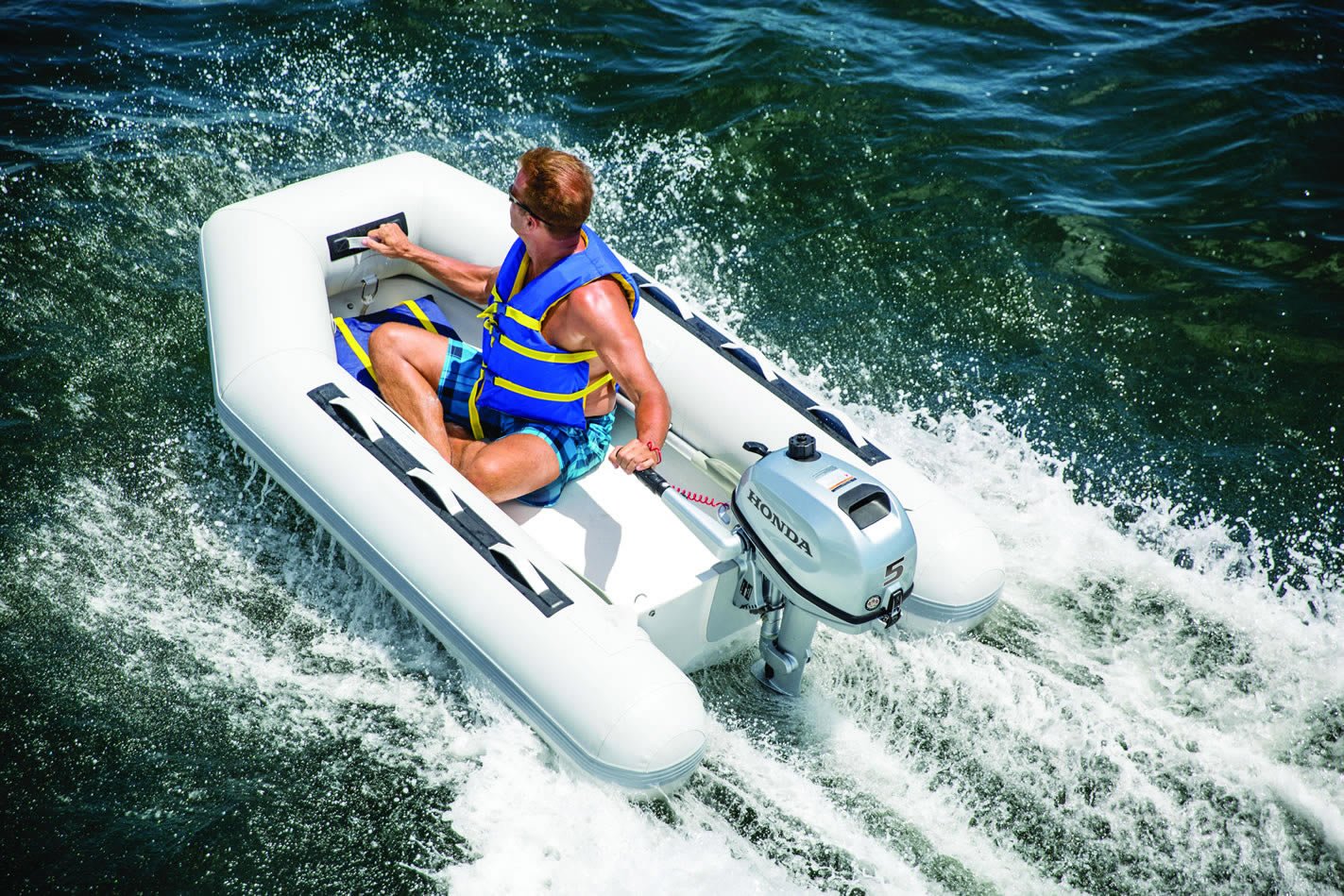
Tiller steering is as straightforward as it gets—a handle attached directly to your outboard motor controls both direction and throttle. It’s the go-to choice for small boats with 4-stroke motors under 20 HP.
Key Features:
- Comes standard on most portable 4-stroke outboards.
- Combines steering and throttle in one intuitive handle.
- Lightweight with no extra components needed.
Best For:
- Small vessels like dinghies, inflatables, or skiffs.
- Boaters who value simplicity and portability.
Pros:
- Affordable and easy to install.
- Direct, responsive control for small boats.
- Minimal maintenance with no cables or hoses.
Cons:
- Tiring to use for long periods or at higher speeds.
- Limited precision for larger boats or heavy loads.
- Not suited for high-performance boating.
Example Use Case: A 15 HP Suzuki 4-stroke on a small fishing skiff, where the boater wants simple, hands-on control.
Mechanical Steering
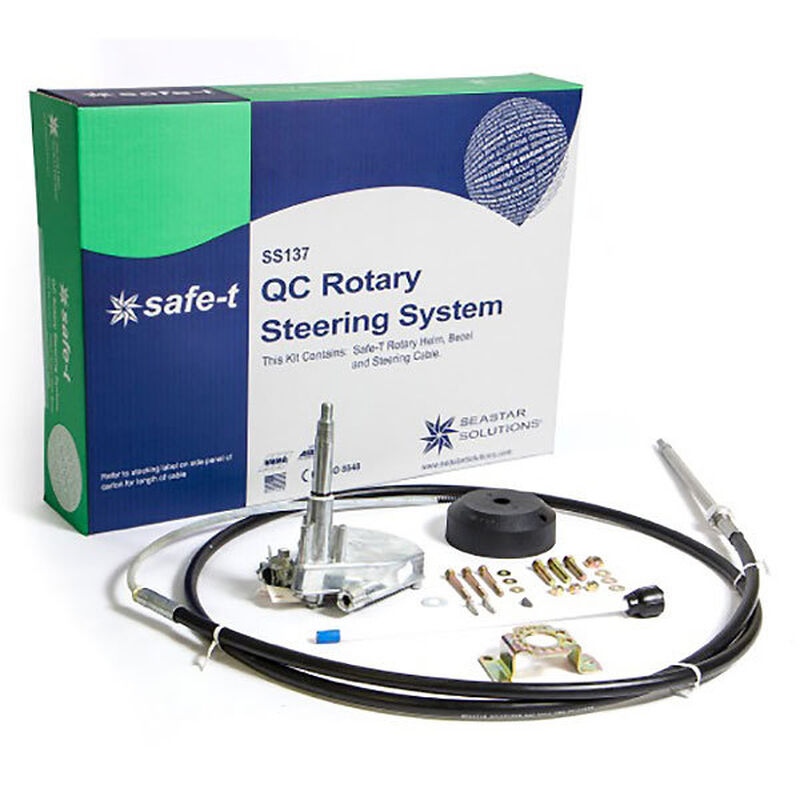
Mechanical steering, often called cable steering, uses a helm wheel connected to a push-pull cable that pivots the outboard motor. It’s a popular pick for bass boats, pontoons, and mid-sized boats with 4-stroke motors between 20 HP and 150 HP.
Key Components:
- Helm assembly (rotary or rack-and-pinion).
- Steering cable.
- Link arm to connect the cable to the motor.
- Mounting hardware.
Best For:
- Mid-sized boats with moderate horsepower.
- Boaters looking for wheel-based control without breaking the bank.
Pros:
- Smoother and more precise than tiller steering.
- Compatible with a wide range of 4-stroke outboard motors.
- Familiar and comfortable for most boaters.
Cons:
- Cables can wear out or corrode over time.
- May transmit torque feedback with higher HP motors.
- Requires regular checks to prevent binding or failure.
Example Use Case: A 90 HP Yamaha 4-stroke on a bass boat, where the boater wants reliable wheel steering for fishing tournaments.
Hydraulic Steering
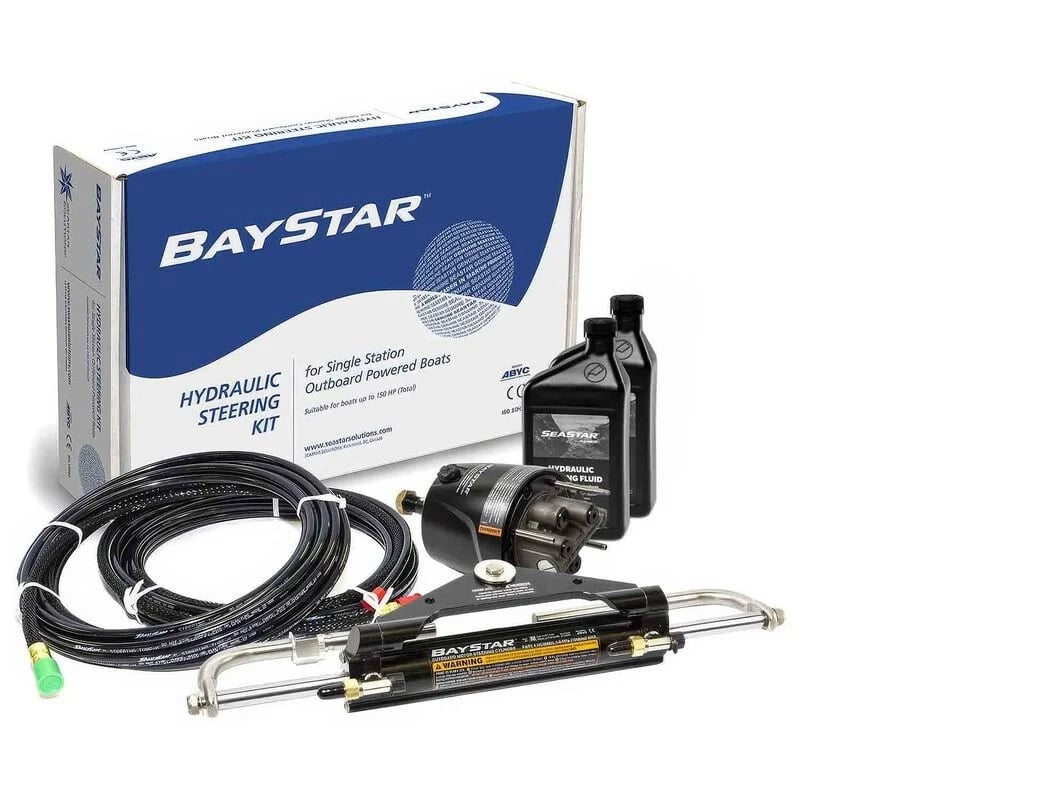
Hydraulic steering is the premium choice for high-performance boats or 4-stroke motors above 150 HP. It uses a helm pump, fluid-filled hoses, and a steering cylinder to deliver effortless control, even under heavy torque.
Key Components:
- Helm pump and steering wheel.
- Hydraulic hoses.
- Steering cylinder mounted to the outboard.
- Hydraulic fluid reservoir and fittings.
Best For:
- Large boats, offshore vessels, or twin outboard setups.
- Boaters prioritizing smooth, high-torque handling.
Pros:
- Handles powerful outboards with ease.
- Silky-smooth steering with minimal effort.
- Low maintenance, typically just occasional fluid bleeding.
Cons:
- Higher cost than tiller or mechanical systems.
- More complex installation, often requiring a pro.
- Overkill for smaller boats under 10 meters.
Example Use Case: A 225 HP Mercury 4-stroke on a center console, where the boater needs precise control for offshore fishing.
Shop Hydraulic Steering Parts & Kits
Hydraulic vs. Mechanical Steering: Which Is Right for You?
Choosing between mechanical and hydraulic steering depends on your boat’s horsepower, how you use it, and your budget. Mechanical steering is ideal for 4-stroke motors up to 150 HP, offering moderate torque handling, medium comfort, and regular cable maintenance at a lower cost. Hydraulic steering shines with motors over 150 HP, providing high torque handling, effortless control, minimal fluid maintenance, and a higher price tag.
Technician Recommendations:
“For bass boats or bay boats with 4-stroke motors under 150 HP, a mechanical steering kit like Uflex Rotech or Teleflex Safe-T is a solid, budget-friendly choice. But if you’re running twin outboards or engines over 200 HP, hydraulic steering is non-negotiable for safety and ease.” — James R., Certified Marine Technician
Upgrading Your Outboard Steering System
Many boaters start with tiller steering on smaller 4-stroke outboards and upgrade to wheel-based systems as their boating style evolves. Moving from tiller to mechanical or from mechanical to hydraulic can make a world of difference, especially for longer trips or tougher conditions.
Tiller to Mechanical Steering Upgrade
Switching to mechanical steering adds a helm wheel for easier, more comfortable control, perfect for mid-sized boats or extended outings.
Required Components:
- Rotary helm and steering wheel.
- Steering cable and mounting kit.
- Link arm for outboard linkage.
Estimated Cost: $600–$1,000 (depending on brand, cable length, and installation).
DIY Difficulty: Moderate – Basic mechanical skills needed, plus careful cable routing.
Installation Tips:
- Measure cable length accurately to avoid kinks or binding.
- Mount the helm securely to your console for stability.
- Confirm compatibility with your 4-stroke outboard’s steering arm.
Example: Upgrading a 20 HP Honda 4-stroke on a jon boat to a Teleflex mechanical steering kit for better control during family outings.
Mechanical to Hydraulic Steering Upgrade
Upgrading to hydraulic steering is a major leap for high-horsepower 4-stroke motors or larger boats, offering unmatched smoothness and torque handling.
Required Components:
- Hydraulic helm pump.
- Hydraulic hoses and fittings.
- Outboard steering cylinder.
- Hydraulic fluid (sold by the quart).
Estimated Cost: $1,500–$2,500 (plus installation, depending on boat size and complexity).
DIY Difficulty: Advanced – Professional installation recommended due to hydraulic fluid handling and precise fittings.
Installation Tips:
- Bleed the system thoroughly to remove air from hydraulic lines.
- Use high-quality hoses to prevent leaks or wear over time.
- Ensure the cylinder is compatible with your 4-stroke outboard model.
Example: Upgrading a 200 HP Suzuki 4-stroke on an offshore fishing boat to a SeaStar hydraulic steering system for effortless handling.
Troubleshooting Common Steering Issues
If your steering feels stiff, spongy, or unresponsive, the problem often ties to your system type. Here’s how to diagnose and fix common issues:
Tiller Steering
- Problem: Loose or sloppy handle.
- Cause: Worn pivot component or bent tiller arm.
- Solution: Tighten pivot fittings or replace the tiller arm.
Mechanical Steering
- Problem: Stiff or jerky wheel.
- Cause: Seized cable, improper routing, or corroded fittings.
- Solution: Lubricate or replace the cable, check routing, and clean or replace fittings.
Hydraulic Steering
- Problem: Spongy or delayed steering.
- Cause: Air in hydraulic lines, leaking hoses, or worn pump/cylinder.
- Solution: Bleed the system, inspect for leaks, or replace faulty components.
Pro Tip: Regular maintenance—like checking cables, hoses, and fluid levels—can prevent most steering problems and extend your system’s lifespan.
4-Stroke Outboard Motor Steering Systems FAQs
Do all 4-stroke outboards have power steering?
No, power steering typically refers to hydraulic steering systems, which are standard on high-horsepower motors or available as upgrades. Smaller 4-stroke outboards use tiller or mechanical steering.
Why is it called an outboard motor?
Outboard motors are mounted on the transom, outside the hull, unlike inboard engines housed inside the boat.
Why is my boat’s steering not working?
Possible causes include air in hydraulic lines, a seized mechanical cable, low hydraulic fluid, or a worn pump/cylinder. Inspect components and consult a technician if needed.
What’s the best steering system for bass boats?
Bass boats with 4-stroke motors under 150 HP often use mechanical steering kits from brands like Uflex or SeaStar for reliable, cost-effective performance.
Is hydraulic steering worth the investment?
Absolutely, for large boats, high-horsepower 4-stroke motors, or twin outboard setups. The smooth, effortless control and improved safety make it a worthwhile upgrade.
Conclusion: Steer Your Way to Better Boating
Choosing the right steering system for your 4-stroke outboard motor is about unlocking the full potential of your boat. Whether you’re sticking with a simple tiller for a small skiff or upgrading to a hydraulic system for a high-powered offshore adventure, the right setup delivers sharper handling, less fatigue, and greater safety.
With top brands like SeaStar, Uflex, and OEM steering kits, there’s a solution for every boater—whether you’re a weekend cruiser or a seasoned offshore angler. Take the time to match your steering system to your boat’s size, horsepower, and how you love to boat, and you’ll enjoy smoother turns, easier docking, and more fun on the water.
Ready to take control? Check out our full range of outboard steering kits, hydraulic steering systems, and marine steering components to find the perfect match for your 4-stroke outboard motor. Shop now and make every trip a smooth ride!