Outboard Motor Expert Buyer's Guide: Types, Brands, Horsepower & More
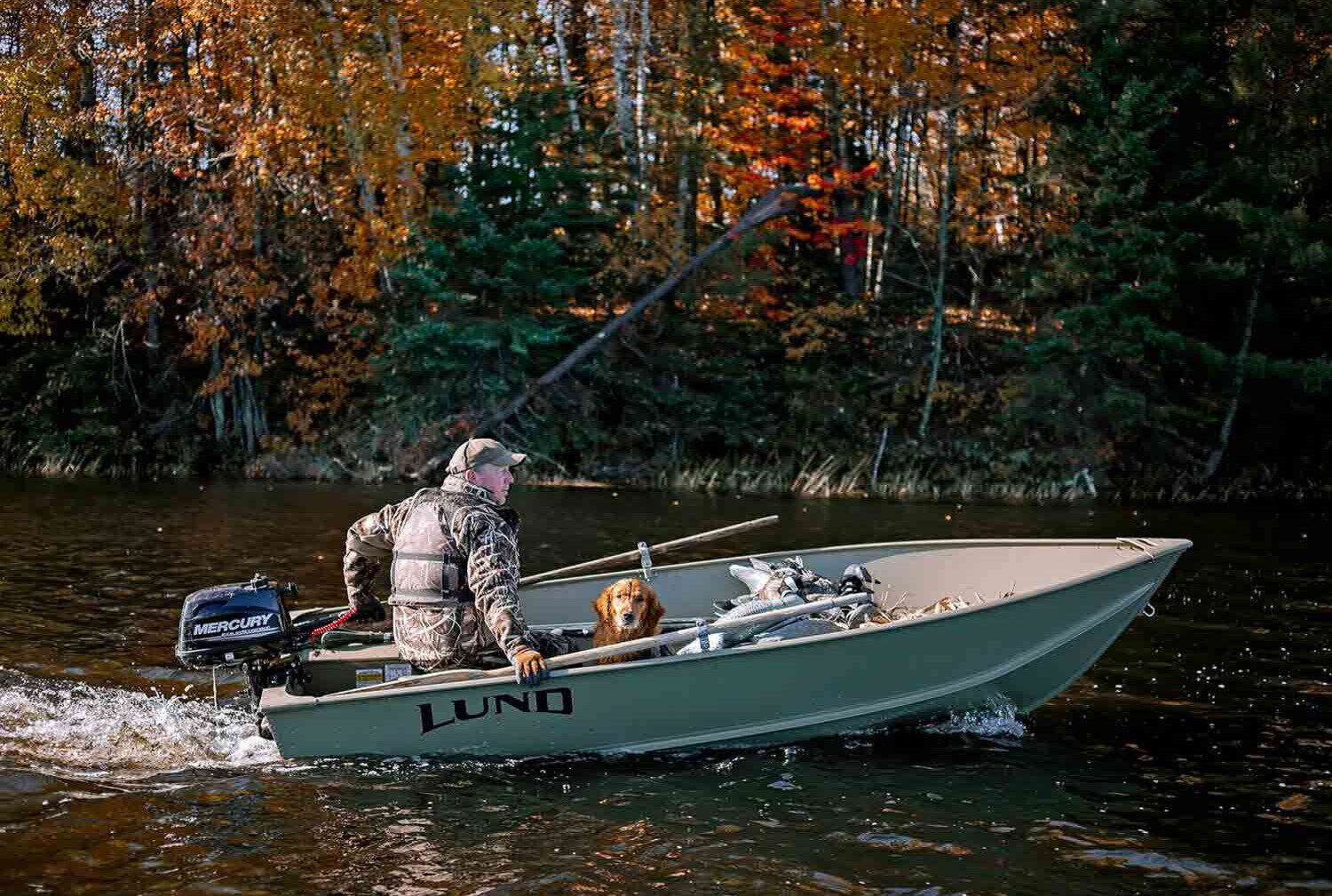
Outboard motors are the heart of most recreational boats — the single piece of equipment that determines how fast, how far, how quietly, and how economically you travel on the water. Whether you're replacing an aging motor, repowering a boat, or buying your first outboard, the right choice depends on far more than horsepower alone. Engine type, shaft length, weight, fuel system, brand reliability, and your specific boating environment all play decisive roles.
This guide covers everything you need to make an informed decision: the core differences between 2-stroke, 4-stroke, and electric outboard motors; what the leading brands bring to the table; how to choose the right horsepower and shaft length for your vessel; and how to keep your motor running strong for years. Use the links below to jump straight to the topics most relevant to your setup.
Explore Our Complete Outboard Motor Guide Series
This guide is the top-level resource in our outboard motor educational series. Use the links below to go deeper on any specific topic.
-
4-Stroke Outboard Motor Complete Buyer's Guide – Everything you need to know about 4-stroke outboards: how they work, horsepower selection, fuel efficiency, maintenance, and more.
-
4-Stroke Outboard Horsepower Guide – Match horsepower to your boat size and intended use — from portables to offshore rigs.
-
Choosing the Right Shaft Length – Short, long, extra-long — match your transom height to the correct shaft for optimal performance.
-
EFI vs. Carburetor Fuel Systems – Compare fuel delivery technologies and understand how EFI improves efficiency and reliability.
-
Trim and Tilt for Outboard Motors – Learn how adjusting motor angle improves fuel economy, planing, and ride quality.
-
Outboard Steering Systems Explained – Tiller, mechanical, and hydraulic steering compared for different boat sizes and uses.
-
Outboard Motor Weight by Horsepower – How engine weight affects transom loading, hull balance, and performance.
-
1, 2, 3 & 4 Cylinder Outboard Comparison – Understand how cylinder count affects torque, smoothness, weight, and fuel economy.
-
Electric Outboard Motor Complete Guide – Battery systems, voltage tiers, range planning, and everything else about going electric.
-
Boat Motor Buyer's Guide: Outboard, Inboard & Trolling – A full comparison of all three motor types to help you choose the right propulsion for your vessel.
Types of Outboard Motors: 2-Stroke, 4-Stroke, and Electric
Outboard motors fall into three broad categories defined by how they generate power. Understanding the practical differences between these engine types is the single most important step in selecting the right motor for your boating lifestyle, waterway, and budget.
Shop all outboard motors at West Marine
2-Stroke Outboard Motors
A 2-stroke outboard motor completes its power cycle in two piston strokes — one revolution of the crankshaft — giving it a higher power-to-weight ratio than a 4-stroke of equal displacement. Two-stroke outboards are mechanically simpler, inherently lighter, and deliver fast, aggressive throttle response that anglers and racers have relied on for decades. They run on a mixture of oil and gasoline (either pre-mixed or through an oil injection system) and fire on every downstroke, producing strong low-end torque.
The trade-off: 2-stroke outboards burn significantly more fuel and produce considerably more emissions than modern 4-strokes. Many older 2-stroke designs no longer meet EPA and CARB emissions standards and are prohibited on certain lakes, rivers, and coastal zones. Modern direct-injection 2-stroke designs (such as Evinrude's E-TEC and older Mercury OptiMax) addressed many of these concerns with dramatically cleaner combustion, though these product lines have largely been discontinued in favor of 4-stroke technology.
2-Stroke Outboard Advantages
- Higher power-to-weight ratio — more punch per pound than a comparable 4-stroke
- Simpler mechanical design with fewer moving parts
- Fast, responsive throttle and strong low-RPM torque
- Lighter engine weight — beneficial for small, weight-sensitive hulls
- Lower initial purchase price on older and used models
2-Stroke Outboard Limitations
- Requires oil mixed with fuel — either pre-mixed or via injection system
- Louder operation and rougher idle than 4-stroke alternatives
- Significantly higher fuel consumption and exhaust emissions
- Many older models do not meet current EPA/CARB emissions standards
- Banned or restricted on many protected lakes, rivers, and coastal waterways
4-Stroke Outboard Motors: The Modern Standard
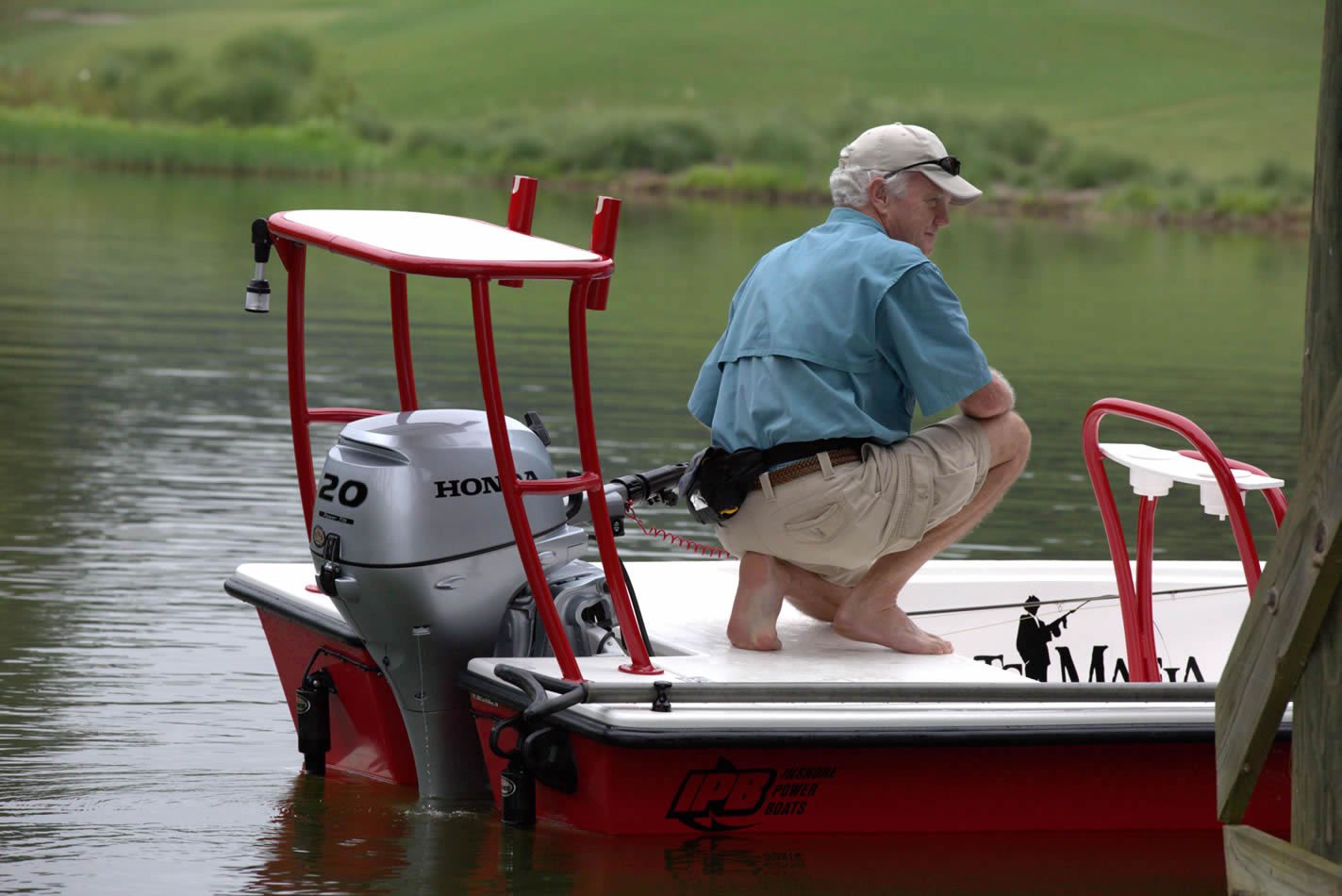
4-stroke outboard motors have become the overwhelming choice for recreational boating for good reason. They complete the power cycle in four piston strokes — intake, compression, combustion, and exhaust — using a dedicated lubrication system that keeps oil fully separate from fuel. This design delivers cleaner combustion, substantially better fuel economy, quieter operation, and significantly lower emissions than 2-stroke technology.
Modern 4-stroke outboards with electronic fuel injection (EFI) are efficient across all throttle ranges, easy to start in any weather, and feature long service intervals that reduce the maintenance burden for recreational owners. They're heavier than comparable 2-strokes, but advances in aluminum alloy engineering have significantly narrowed the weight gap over the past decade. For most boaters on most vessels, a 4-stroke outboard is the right choice. See our full 4-Stroke Outboard Motor Buyer's Guide for a complete deep-dive.
4-Stroke Outboard Advantages
- Runs on straight unleaded gasoline — no oil mixing required
- Quieter, smoother operation with significantly less vibration
- Up to 30% better fuel economy than equivalent 2-stroke motors
- Meets current EPA and CARB emissions standards
- Longer, more predictable maintenance intervals
- Accepted on all waterways, including emission-regulated lakes and coastal zones
- Excellent resale value driven by strong brand reliability reputations
4-Stroke Outboard Limitations
- Heavier than comparable 2-stroke motors — a consideration for very small or weight-sensitive boats
- Slightly higher initial purchase price than older 2-stroke models
- More complex maintenance requiring oil changes, valve inspection, and filter service
Shop 4-Stroke Outboard Motors at West Marine
Read the Full 4-Stroke Outboard Buyer's Guide
Electric Outboard Motors: Clean, Quiet, and Low-Maintenance
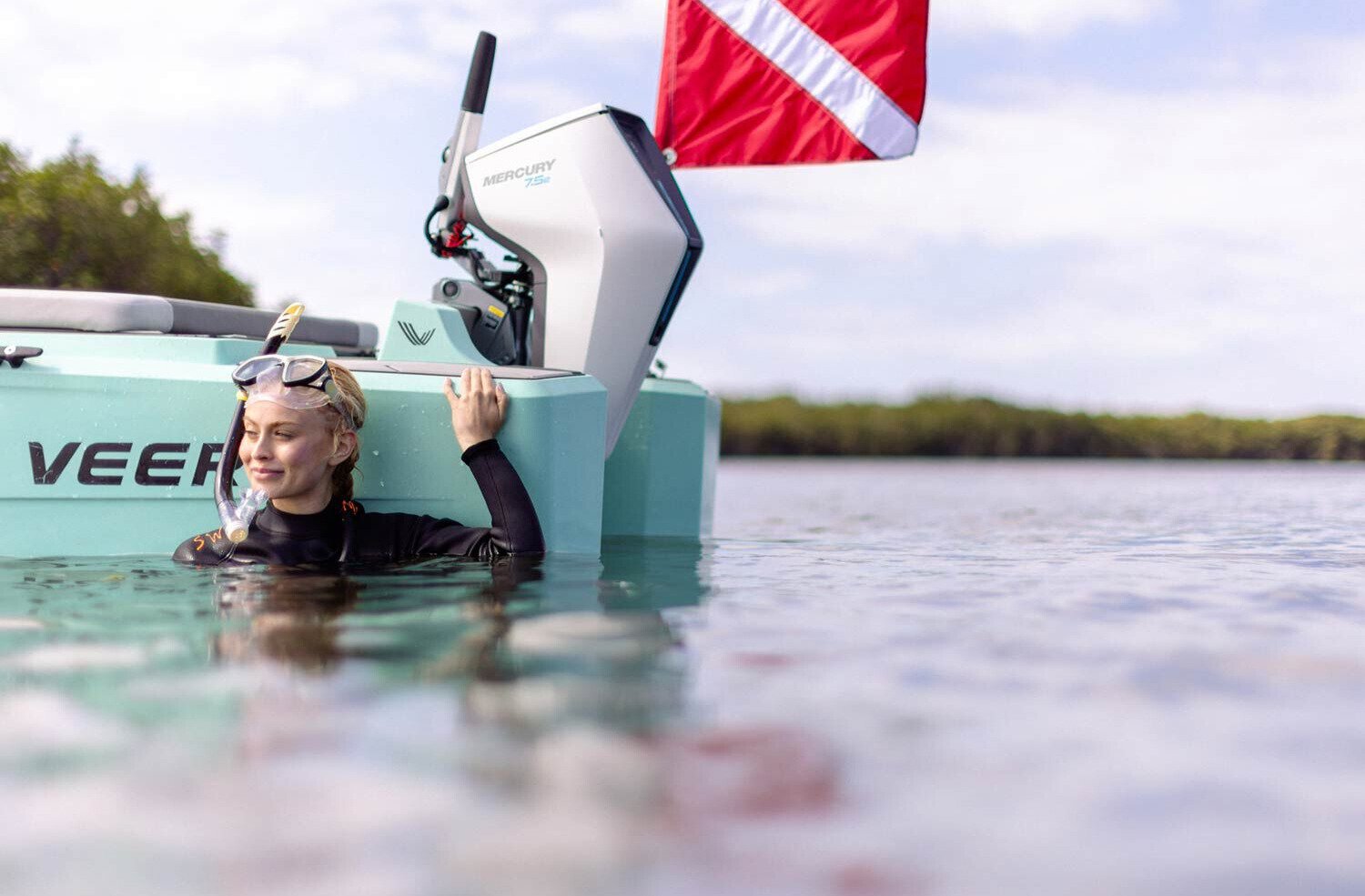
Electric outboard motors use rechargeable battery banks to power a brushless DC motor and propeller — with zero fuel, zero oil changes, zero exhaust, and near-silent operation. They're ideal for fishing in quiet lakes, navigating electrically restricted waterways, and boaters who prioritize environmental impact and low running costs over outright speed and long range. The technology is advancing rapidly, and modern electric outboards from brands like Torqeedo, Newport Vessels, and the Mercury Avator line are more capable than ever.
Electric Outboard Advantages
- Zero emissions and near-silent operation at all throttle levels
- Instant, smooth torque from zero RPM — superior low-speed control
- No oil changes, spark plugs, fuel system, or combustion-related service
- Operating costs of pennies per hour versus dollars per hour for gasoline
- Legal on all waterways including electric-only restricted lakes and preserves
- Ideal for fishing, wildlife observation, tenders, kayaks, and short-range day use
Electric Outboard Limitations
- Range is limited by battery capacity — requires careful planning for longer trips
- Lower top speeds than equivalent-sized gasoline motors
- Recharge time and access to shore power can limit use in remote locations
- Higher upfront cost than small gasoline outboards at equivalent power levels
Shop Electric Outboard Motors at West Marine
Read the Full Electric Outboard Motor Guide
2-Stroke vs. 4-Stroke Outboard: Which Is Better for Recreational Boating?
The 2-stroke vs. 4-stroke outboard debate has been largely settled for most recreational boaters — but the right answer still depends on your specific situation. Here's a direct comparison across the factors that matter most:
| Factor | 2-Stroke Outboard | 4-Stroke Outboard |
|---|---|---|
| Fuel Economy | Lower — burns 15–30% more fuel | Better — up to 30% more efficient |
| Weight | Lighter for equivalent displacement | Heavier due to added components |
| Noise & Vibration | Louder, rougher idle | Quieter, smoother operation |
| Emissions | Higher — may not meet current EPA/CARB | Meets all current standards |
| Throttle Response | Faster, more aggressive | Slightly smoother, linear delivery |
| Maintenance | Simpler but more frequent | More complex but longer intervals |
| Fuel Mixing | Required (oil + gas) | Not required — straight gasoline |
| Waterway Access | Restricted in many areas | Accepted everywhere |
| Best For | Racing, ultralight boats, niche uses | Most recreational boats and all general use |
For the overwhelming majority of recreational boaters — fishing, cruising, pontoons, bay boats, center consoles — a modern 4-stroke outboard motor is the smarter choice in every practical dimension except raw weight. If weight is a critical constraint on your specific vessel, consult our Outboard Motor Weight by Horsepower Guide to find the lightest 4-stroke options in your target HP range.
Leading Outboard Motor Brands: What Sets Them Apart
Choosing a reputable outboard motor brand matters for reliability, long-term parts availability, dealer service networks, and resale value. West Marine carries the four most trusted brands in recreational outboard motors — each with a distinct engineering philosophy and product strength. Here's what you need to know about each.
Yamaha Outboard Motors
Yamaha consistently ranks as one of the most reliable and most popular outboard brands in the world. Their F-series 4-stroke lineup spans from 2.5 HP portable motors to the 450 HP XTO Offshore V8 — covering every use case from yacht tenders to sport fishing boats. Yamaha is widely recognized for build quality, parts availability, and long engine lifespans. Their V MAX SHO series delivers class-leading power-to-weight performance for high-speed applications. Browse Yamaha outboard motors at West Marine.
Yamaha is best for: Anglers, pontoon boaters, bay boat operators, offshore fishing — virtually any recreational application where reliability over a long ownership period is the top priority.
Mercury Outboard Motors
Mercury Marine is one of the most recognized names in outboard motors worldwide, offering an exceptionally wide range from their FourStroke 2.5 HP portables all the way to the 450R Racing outboard. Mercury's Verado series — featuring supercharged inline-6 engines with electro-hydraulic power steering — set new benchmarks for smooth, high-horsepower performance. The newer Mercury Avator line brings their engineering pedigree to electric propulsion. Mercury boasts one of the largest dealer and service networks in the industry. Browse Mercury outboard motors at West Marine.
Mercury is best for: High-performance boating, offshore applications, watersports, and boaters who value a large dealer network and wide technology range from electric to 450 HP.
Suzuki Outboard Motors
Suzuki outboards are respected for their engineering innovation, exceptional fuel efficiency, and quieter-than-average operation. Their Lean Burn Control technology continuously optimizes the air-fuel mixture to deliver industry-leading fuel economy at cruising speeds. Suzuki's Dual Louver System and offset driveshaft design reduce vibration and noise at the helm. The lineup runs from 2.5 HP through 350 HP, all 4-stroke, with particularly strong offerings in the 40–150 HP mid-range. Browse Suzuki outboard motors at West Marine.
Suzuki is best for: Fuel-conscious boaters, cruising applications, mid-range family and fishing boats where efficiency and refined operation are more important than outright top speed.
Honda Marine Outboard Motors
Honda applies the same engineering discipline that defines their automotive engines to their marine outboard lineup — and the result is a range of exceptionally smooth, quiet, and fuel-efficient 4-stroke motors. Honda's BLAST (Boosted Low Speed Torque) technology delivers sharp hole-shot performance, while their proprietary water detection system in the fuel injection provides protection against the ethanol phase separation common in stored marine fuel. Honda covers 2–250 HP across their BF series lineup, all 4-stroke, all designed with ease of ownership in mind. Browse Honda outboard motors at West Marine.
Honda is best for: Boaters who want automotive-grade reliability and refinement, quiet operation, and strong low-speed torque for fishing or slow cruising.
How to Choose the Right Outboard Motor for Your Boat
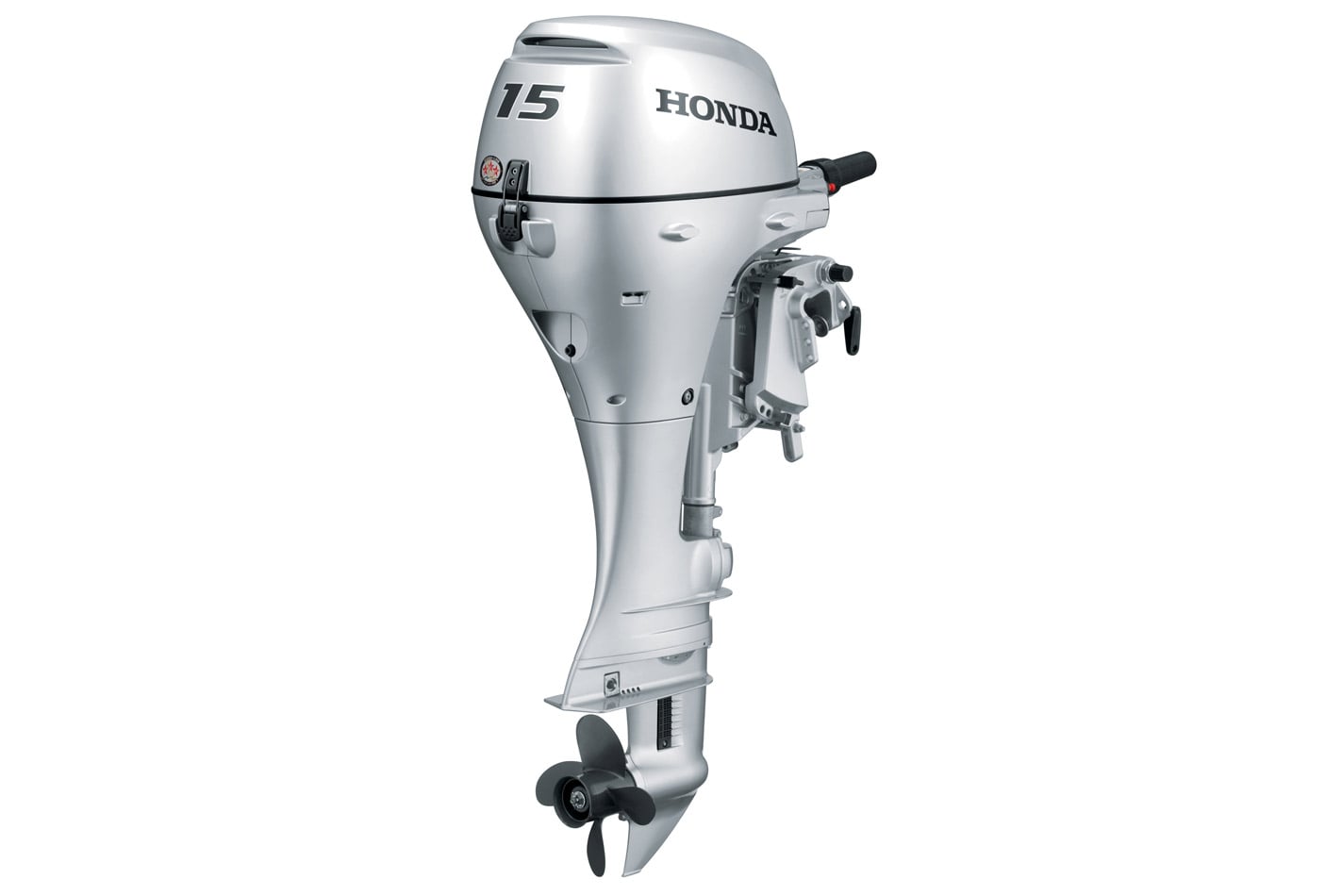
Selecting the right outboard motor requires evaluating several interconnected factors. Getting any one of these wrong — horsepower, shaft length, weight, or fuel system — can compromise performance, safety, or long-term reliability. Here's what to evaluate systematically:
1. Horsepower: Match the Motor to the Boat's Rated Capacity
Always start with your boat's capacity plate — it lists the maximum HP rating that must never be exceeded. Exceeding this limit is illegal, unsafe, and voids your hull warranty. From there, consider your use case and select within the rated range:
- 12–16 ft aluminum boats: 15–30 HP is typically appropriate for fishing and casual cruising
- 16–18 ft fiberglass runabouts: 60–90 HP for planing performance and watersports capability
- 18–22 ft bay boats and center consoles: 90–150+ HP for capable offshore and nearshore performance
- 22+ ft offshore boats and large pontoons: 150–350+ HP depending on hull weight and use case
For a detailed breakdown of how to match horsepower to boat type, hull weight, and intended use, see our 4-Stroke Outboard Horsepower Guide.
2. Shaft Length: Matching Transom Height
Shaft length must match your boat's transom height precisely. An incorrect shaft length causes ventilation (propeller pulls air), overheating (inadequate water intake depth), or reduced thrust. Standard shaft length options are:
- Short shaft (15") — small aluminum boats, jon boats, and shallow-transom inflatables
- Long shaft (20") — the standard for most mid-sized recreational boats
- Extra-long shaft (25") — sailboats, offshore hulls, and higher-freeboard vessels
- Ultra-long shaft (30") — large offshore boats and vessels with very high transoms
Read our detailed Outboard Shaft Length Guide for how to measure your transom and select the right length.
3. Engine Weight and Hull Balance
Heavier motors require a transom and hull capable of supporting the additional weight. Always verify the motor's dry weight against your boat's rated engine weight capacity. Excessive transom weight leads to poor trim, handling instability, and accelerated transom wear. See our Outboard Motor Weight Guide for weight data across the full horsepower range.
4. Fuel System: EFI vs. Carbureted
Electronic fuel injection (EFI) is now standard on most mid- to high-HP 4-stroke outboards above 25 HP. EFI improves fuel economy across all throttle ranges, delivers more consistent cold-weather starting, and provides better throttle response than carbureted systems. Carbureted motors are still found on smaller portables and are generally simpler and less expensive to service but less efficient. See our full EFI vs. Carburetor Fuel Systems Guide.
5. Steering System
Small outboards (generally under 25 HP) typically use tiller steering — the operator guides the motor directly by hand. Mid- and high-HP outboards use remote steering via mechanical cable or hydraulic systems. Hydraulic steering is strongly recommended on motors above 115 HP for dramatically improved helm feel, reduced steering effort, and safer high-speed operation. Browse hydraulic steering systems at West Marine and read our Outboard Steering Systems Guide.
6. Saltwater vs. Freshwater Use
Saltwater boating demands specific corrosion-protection measures. All four major brands offer saltwater-specification models with chrome-plated cylinder bores, stainless steel components, and anodized aluminum housings. Regardless of motor spec, saltwater use requires flushing the motor with fresh water after every outing, regular zinc anode replacement, and more frequent inspection of exposed metal components.
7. Budget: Upfront Cost vs. Total Cost of Ownership
A higher-quality 4-stroke from a reputable brand typically carries a premium over cheaper alternatives — but that premium is usually recovered through better fuel economy, lower maintenance costs, stronger resale value, and fewer unexpected repairs over a 5–10 year ownership period. Factor in annual service costs (engine oil, spark plugs, water pump impeller), fuel consumption at your typical usage patterns, and the cost of any professional installation when comparing total ownership cost across models.
Outboard Motor Maintenance: What Every Boater Needs to Do
Consistent maintenance is the single most important factor in your outboard motor's reliability and longevity. Skipping service intervals — even once — can lead to costly failures that a small investment in routine care would have prevented. Here's what needs to happen and when:
Every 100 Hours or Annually (Whichever Comes First)
- Engine oil and oil filter change: Use only manufacturer-specified marine-grade 4-stroke oil. Shop 4-stroke marine engine oil at West Marine. See our DIY Oil Change Guide.
- Gearcase lubricant replacement: Protects lower unit gears and shaft seals. Check for milky color indicating water intrusion. Shop gearcase lube at West Marine.
- Spark plug inspection and replacement: Worn plugs reduce power and fuel economy. Shop marine spark plugs at West Marine.
- Water pump impeller replacement: This is one of the most overlooked and most critical service items. A failed impeller causes rapid overheating and engine damage. Shop water pump kits at West Marine.
- Fuel filter replacement: Protects injectors and carburetors from contaminants. Shop outboard fuel filters at West Marine.
After Every Outing (Saltwater)
- Flush the cooling system with fresh water: Use a motor flusher attachment — 5–10 minutes removes salt and debris from water passages.
- Inspect and rinse the propeller: Check for fishing line, dings, and blade damage. Minor damage should be addressed before the next outing. Shop replacement propellers at West Marine.
- Check zinc anodes: Replace when 50% consumed. Shop outboard zinc anodes at West Marine.
Seasonal (Before Off-Season Storage)
- Winterize the motor: Add fuel stabilizer, run to circulate, change oil and gear lube, fog cylinders if recommended, and flush with fresh water. Full instructions in our Outboard Motor Winterization Guide.
- Battery storage: Disconnect and store on a trickle charger in a cool, dry location.
- Cover the motor: Use a fitted outboard motor cover to protect from UV, moisture, and debris during storage.
Read the Complete DIY Outboard Motor Maintenance Guide
Outboard Motor Winterization Step-by-Step Guide
Outboard Motor Technology: What's New and Why It Matters
Modern outboard motors are dramatically more sophisticated than the motors of 10 or 20 years ago. Here are the key technology advances shaping today's market and what they mean for your on-water experience:
- Electronic Fuel Injection (EFI): Replaced carburetors on virtually all mid- and high-HP motors. EFI precisely meters fuel delivery based on real-time throttle position, engine load, temperature, and altitude — dramatically improving efficiency and cold-weather reliability. See our EFI vs. Carburetor Guide.
- Digital Controls (Drive-by-Wire / Fly-by-Wire): Electronically controlled throttle and shift replace traditional mechanical cables. Provides smoother, more consistent shifting, improved fuel management, and enables multi-engine synchronization for twin or quad-engine setups.
- Integrated Helm Systems: Modern high-HP outboards can integrate directly with chartplotters, autopilots, and boat management systems — enabling joystick docking, GPS-assisted station keeping, and comprehensive engine monitoring from a single helm display.
- Advanced Noise and Vibration Reduction: Counter-rotating internal components, active noise cancellation, and improved exhaust routing in premium motors deliver noticeably quieter helm environments — reducing fatigue on long days offshore.
- Smartphone Diagnostics and Monitoring: Most current-generation outboards from all four major brands support app-based engine monitoring that tracks real-time data: fuel consumption, RPM, hours, temperature, trim angle, and fault codes — without needing to visit a dealer for a diagnostic scan.
- High-Efficiency Propeller Technology: New propeller designs — including contra-rotating and innovative blade geometries — squeeze significantly more thrust from the same power output, improving both top-end speed and mid-range fuel economy simultaneously. Browse outboard propellers at West Marine.
Environmental Progress in Outboard Motor Design
Today's outboard motors are dramatically cleaner than their predecessors and continue to evolve in response to tightening environmental standards:
- All current 4-stroke outboards from major brands meet or exceed EPA and CARB emissions standards
- Direct injection and lean-burn technologies have reduced hydrocarbon and NOx emissions by more than 90% versus older 2-stroke designs
- Electric outboards eliminate combustion emissions entirely — and are increasingly viable as primary propulsion for day-use and short-range applications
- Hybrid propulsion systems — combining a gasoline motor with electric drive assist — are in active development by multiple manufacturers
- Optimized propeller designs and hull-motor matching reduce fuel burn per mile, lowering the carbon footprint of every trip
Shop all outboard motors at West Marine
Outboard Motor Expert Buyer's Guide: Key Takeaways
- 4-stroke outboards are the right choice for most recreational boaters — cleaner, quieter, and more efficient than 2-stroke motors, and accepted everywhere including emission-regulated waterways. Shop 4-strokes at West Marine.
- 2-stroke outboards still have a role in racing, ultralight boats, and applications where power-to-weight ratio is critical and emissions regulations permit their use.
- Electric outboards are the fastest-growing segment in recreational boating — ideal for fishing, restricted waterways, and boaters who value silence and low operating costs. Shop electric outboards at West Marine.
- Yamaha, Mercury, Suzuki, and Honda lead the market in reliability, parts availability, dealer coverage, and long-term value. All four brands are carried at West Marine.
- Never exceed your boat's maximum HP rating — consult the capacity plate before purchasing any motor, new or replacement.
- Shaft length must match your transom height exactly — an incorrect shaft length causes ventilation, overheating, and poor performance. See our Shaft Length Guide.
- Routine maintenance prevents expensive failures — oil changes, impeller replacement, zinc anodes, and annual flush are the non-negotiable foundation of long motor life.
Outboard Motor Frequently Asked Questions
Q: What size outboard motor do I need for my boat?
Start with your boat's capacity plate, which lists the maximum HP rating. As a general guide: 12–16 ft aluminum boats typically use 15–30 HP; 16–18 ft fiberglass runabouts use 60–90 HP; 18–22 ft bay boats and center consoles use 90–150+ HP. Always match the engine to your boating activity — fishing and cruising require different torque profiles than watersports or offshore use. Read our full Outboard Horsepower Guide.
Q: How often should I service my outboard motor?
Most manufacturers recommend annual service or every 100 operating hours, whichever comes first. This should include engine oil and filter change, gearcase lubricant replacement, spark plug inspection or replacement, water pump impeller check, fuel filter service, and full cooling system flush. See our DIY Outboard Maintenance Guide and our DIY Oil Change Guide.
Q: Are electric outboard motors worth it for recreational boating?
For short-range recreational use — particularly fishing on calm water, boating on electrically restricted lakes, or using a tender or dinghy — electric outboards offer compelling advantages: near-silent operation, zero emissions, essentially no maintenance, and very low running costs. They're not yet well suited for offshore runs, long passages, or high-speed applications. Read our Electric Outboard Motor Guide for a full assessment.
Q: What's the difference between short shaft and long shaft outboards?
Shaft length must match your boat's transom height. Short shaft (15") suits small aluminum boats and shallow-transom inflatables. Long shaft (20") is the standard for most mid-sized recreational boats. Extra-long (25") is required for sailboats and higher-freeboard offshore hulls. Using the wrong shaft causes cavitation, overheating, or poor thrust. See our Shaft Length Guide for measuring instructions.
Q: Can I upgrade my boat's outboard motor to a higher horsepower?
Yes — but only within your boat's rated maximum HP. Exceeding that rating is illegal and unsafe, as the hull and transom are engineered to specific load and stress limits. Confirm both the boat's maximum HP capacity and maximum engine weight rating before purchasing a replacement or upgrade motor. Significant HP increases may require transom reinforcement. Consult a qualified marine technician before making major changes to your engine setup.
Q: Which outboard motor brand is the most reliable?
Yamaha, Mercury, Suzuki, and Honda all have strong long-term reliability records based on industry surveys and owner feedback. Yamaha and Honda consistently rank at the top of owner satisfaction surveys for longevity and durability. Mercury leads in performance applications and breadth of HP range. Suzuki leads in fuel economy. The "best" brand is the one that best matches your specific use case, HP requirements, and the available dealer service network in your area.
Q: What is the best outboard motor for saltwater fishing?
For saltwater fishing, look for a motor with corrosion-resistant components, a solid dealer network for service in coastal areas, and sufficient horsepower for your hull and fishing patterns. All four major brands offer saltwater-specific builds. In terms of reputation, Yamaha and Mercury are particularly popular for inshore and offshore saltwater fishing boats. Pair any saltwater outboard with regular flushing, zinc anode maintenance, and quality marine engine oil for maximum longevity.
Ready to Buy Your Next Outboard Motor?
The right outboard motor transforms your time on the water — making every outing more efficient, more enjoyable, and more reliable. Whether you're fishing inshore, cruising coastal bays, pulling tubers on a pontoon, or running offshore, there's a modern 4-stroke outboard that's the perfect fit for your boat and boating lifestyle.
Today's motors offer more than just horsepower — they deliver quiet operation, superior fuel economy, sophisticated digital controls, and dramatically lower emissions than any previous generation of marine engines. And for short-range and fishing applications, electric outboards are growing into a genuinely compelling alternative that eliminates fuel costs and maintenance complexity entirely.
Browse West Marine's complete selection below — and if you have questions about compatibility, horsepower selection, or installation, our expert associates are available in-store and online to help you make the right call.
More Outboard Motor Resources from West Marine
- 4-Stroke Outboard Motor Complete Buyer's Guide
- Electric Outboard Motor Complete Guide
- Boat Motor Buyer's Guide: Outboard, Inboard & Trolling
- 4-Stroke Outboard Horsepower Guide
- Outboard Shaft Length Guide
- EFI vs. Carburetor Fuel Systems Guide
- Trim and Tilt Guide
- Outboard Steering Systems Guide
- Outboard Motor Weight by Horsepower
- 1, 2, 3 & 4 Cylinder Outboard Comparison
- Shop Outboard Motor Parts
- Shop Marine Engine Oils & Lubricants
- Shop Outboard Propellers
- Shop Hydraulic Steering Systems
- Shop Outboard Zinc Anodes
- West Advisor: DIY Outboard Motor Maintenance
- West Advisor: Winterizing Your Outboard Motor
- West Advisor: DIY Outboard Oil Change Guide