




Boat Paints for Any Project
Each type of marine paint serves a specific function. Colorful topside paint, in addition to its aesthetic appeal, protects surfaces against damage due to UV light, salt and spray. Bottom paint, also called antifouling paint, prevents the growth of hard and soft fouling organisms—which makes a boat’s hull faster and more fuel efficient. Boat engine paint protects metal surfaces against rust and corrosion. Non-skid deck paint, apart from protecting the underlying surface, helps to prevent crew from taking an unwanted slide into the drink. Most topside paints and some bottom paints require a marine primer to ensure proper adhesion. Along with choosing a specific primer, many paints require a thinner or solvent—either for cleaning up, or to modify its properties when brushed, sprayed or rolled.
Getting Ready to Paint
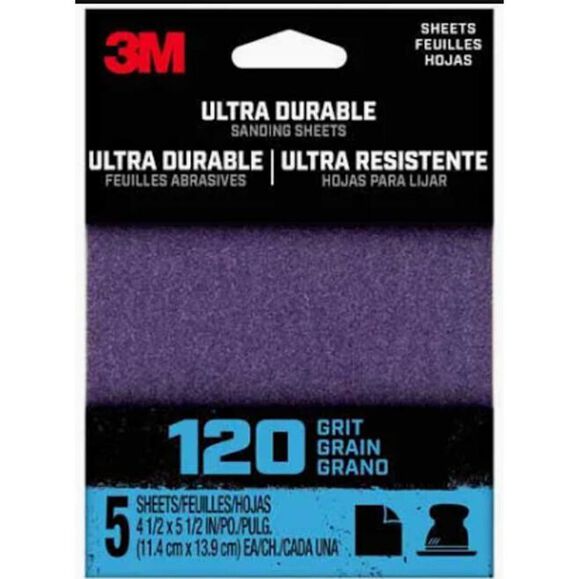
Today’s paint formulations have become more sophisticated compared to the past when they were not much more than ground up pigment mixed with oil and thinner. Marine paints are now brighter, tougher and more durable than ever before. To get the most out of the paint you select, follow the manufacturer’s instructions for surface preparation, which you will find on the paint can’s label. To ensure that your project goes off without a hitch, make sure you have everything you need to complete the job. This includes the correct thinners and/or solvents, sandpaper sheets or discs, a supply of rags and protective apparel. Caution: Beware of boatyard “know-it-alls” who will tell you to take shortcuts, like substituting materials or painting when it is colder or hotter than recommended. Our advice is to stick to the manufacturer’s recommendations.
Additional Resources
West Advisor articles have been a trusted source for technical boating information since 1987. For an overview of the entire bottom painting process that includes a helpful video, see our DIY Bottom Painting Guide and for topcoat application, see our guide on DIY Topside Painting.
Boat Paints FAQ
Each type of marine paint serves a specific function:
- Topside Paint: Provides UV protection and a durable finish for above-water surfaces.
- Bottom Paint (Antifouling Paint): Prevents the growth of barnacles and marine organisms on the hull.
- Engine Paint: Protects metal surfaces from rust and corrosion.
- Non-Skid Deck Paint: Adds traction and safety while preserving the deck’s surface.
- Primers and Thinners: Improve paint adhesion and application, ensuring a long-lasting finish.
West Marine offers a variety of high-quality boat paints from leading marine brands.
Proper preparation is key to a long-lasting paint job:
- Surface Cleaning: Remove dirt, grease, and old paint residue with a marine cleaner or solvent.
- Sanding: Smooth out imperfections and ensure good paint adhesion.
- Priming: Use a compatible marine primer for best results.
- Weather Conditions: Avoid painting in extreme heat, cold, or humidity.
Always follow the manufacturer’s guidelines for proper surface preparation.
The best antifouling paint depends on water conditions and hull type:
- Hard Bottom Paint: Ideal for high-speed boats, providing long-term protection.
- Ablative Paint: Gradually wears away, offering consistent antifouling performance.
- Copper-Free Paint: Eco-friendly options for sensitive waters.
Popular brands like Sea Hawk, Pettit Paint, and Interlux offer industry-leading antifouling paints.
Many paints require a primer for proper adhesion:
- Metal Surfaces: Use a high-performance marine primer to prevent corrosion.
- Fiberglass Hulls: Primers help create a solid base for topcoat adhesion.
- Wood: Seals the surface to prevent moisture absorption.
Brands like AWLgrip and Alexseal offer high-quality primers for all boat surfaces.
Choosing a topcoat depends on durability and aesthetics:
- High-Gloss Finishes: Provide a sleek, professional look with UV resistance.
- Satin or Matte Finishes: Offer a more subtle, modern appearance.
- Polyurethane Paint: Long-lasting and highly durable.
Leading brands like Epifanes, Bluewater, and Kiwigrip offer excellent topcoat solutions.
Proper storage ensures your paint lasts for future applications:
- Seal Tightly: Prevents air exposure and drying.
- Store in a Cool, Dry Place: Avoid extreme temperatures.
- Use Correct Thinners: Follow manufacturer instructions for thinning and application.
For the best results, choose paint from trusted brands like Moeller and Pettit Paint.