





Boat Painting Supplies — Complete Marine Coating Systems
Boat painting projects require specialized materials designed to withstand harsh marine environments, including UV radiation, saltwater exposure, abrasion, and biological growth. Using purpose-built marine coatings and compatible application tools helps ensure long-term durability, corrosion protection, and professional-quality appearance.
Unlike general-purpose paints, marine systems are engineered to bond to fiberglass, aluminum, steel, and wood substrates while resisting blistering, peeling, and fading under continuous environmental stress.
Shop by Project Type
Topside Painting
Topside coatings provide high-gloss finishes for visible areas above the waterline. These paints emphasize UV resistance, color retention, and smooth appearance.
Bottom Painting
Antifouling coatings help prevent marine growth on hull surfaces exposed to water for extended periods. Selection depends on water type, boat speed, and usage patterns.
Deck & Non-Skid Coatings
Deck paints prioritize traction and durability, improving safety while resisting wear from foot traffic and equipment.
Engine & Component Paint
Heat-resistant coatings protect engines and metal components from corrosion while maintaining a clean appearance.
Epoxy & Structural Coatings
Epoxy systems are used for sealing, barrier protection, and structural repairs prior to finishing.
Tools & Supplies for Painting Projects
Successful painting depends heavily on preparation and application equipment.
Key supplies typically include:
-
Primers for adhesion and corrosion protection
-
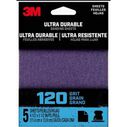
Sandpaper and abrasive tools for surface preparation
-
Solvents and cleaners to remove contaminants
-
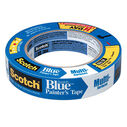
Masking materials for clean edges
-
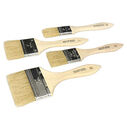
Rollers, brushes, and spray equipment
-
Protective gear for safety
Proper preparation often determines the durability of the finished coating.
Choosing the Right Marine Paint System
Different boats require different approaches.
Key considerations:
-
Hull material (fiberglass, aluminum, wood, steel)
-
Operating environment (saltwater vs freshwater)
-
Desired finish (gloss, matte, non-skid)
-
Maintenance schedule
-
Compatibility with existing coatings
Selecting compatible products helps prevent peeling, blistering, or premature wear.
Freshwater vs Saltwater Requirements
Environmental exposure affects coating performance.
Saltwater Use
-
Higher corrosion risk
-
Requires more robust coatings
-
Antifouling protection often necessary
Freshwater Use
-
Reduced corrosion risk
-
Still susceptible to algae and staining
Boat Type Recommendations
Different vessels face different stresses and maintenance demands.
Runabouts & Trailered Boats
Focus on cosmetic restoration and UV protection for topside surfaces.
Fishing Boats
Durable coatings and non-skid treatments handle heavy use and equipment wear.
Pontoon Boats
Aluminum-safe primers and coatings are essential for corrosion protection.
Offshore Boats & Cruisers
Require heavy-duty systems to withstand continuous salt exposure and long voyages.
Why Marine-Specific Products Matter
Marine coatings must withstand:
-
Continuous UV exposure
-
Saltwater corrosion
-
Temperature swings
-
Mechanical abrasion
-
Chemical exposure
Standard paints typically fail quickly in these conditions.
Common Painting Systems & Compatibility
Marine coatings often function as layered systems:
-
Surface preparation
-
Primer or barrier coat
-
Build coats if required
-
Finish coating
Using incompatible products can lead to peeling, blistering, or uneven curing. Following manufacturer guidance helps ensure long-term performance.
Safety & Environmental Considerations
Marine painting involves chemicals that require proper handling.
Best practices include:
-
Working in well-ventilated areas
-
Using respirators or protective equipment when recommended
-
Following disposal regulations for solvents and materials
-
Protecting surrounding water and surfaces from overspray
Responsible practices help protect both users and the marine environment.
Why Marine-Specific Painting Supplies Matter
Boats operate under conditions far more demanding than typical structures on land.
Marine coatings must withstand:
-
Continuous UV exposure
-
Saltwater corrosion
-
Temperature fluctuations
-
Mechanical abrasion
-
Chemical exposure
Specialized products help ensure long-term protection and appearance.