Marine Fuel Systems & Components for Gas and Diesel Boats
Marine fuel systems are engineered to safely store, filter, pressurize, and deliver fuel to your engine under constant vibration, motion, and marine exposure. Unlike automotive systems, marine fuel components must withstand saltwater corrosion, ethanol-blended fuels, vapor buildup, and sustained load changes while maintaining stable fuel pressure and clean delivery.
West Marine carries complete marine fuel system solutions — from tanks and hoses to pumps, filters, fittings, and fuel management components — designed for outboard, inboard, sterndrive, gasoline, and diesel applications.
How a Marine Fuel System Works
A marine fuel system operates as a controlled delivery network. Each stage plays a critical role in safe and reliable engine performance.
1. Fuel Storage
Marine fuel tanks store gasoline or diesel while managing expansion, venting, and anti-siphon protection. Proper tank design prevents vapor lock and minimizes contamination risk.
2. Fuel Pickup & Flow Control
Pickup tubes, anti-siphon valves, and shut-off valves regulate fuel leaving the tank. A restricted pickup or failing anti-siphon valve often causes engine hesitation under throttle.
3. Filtration & Water Separation
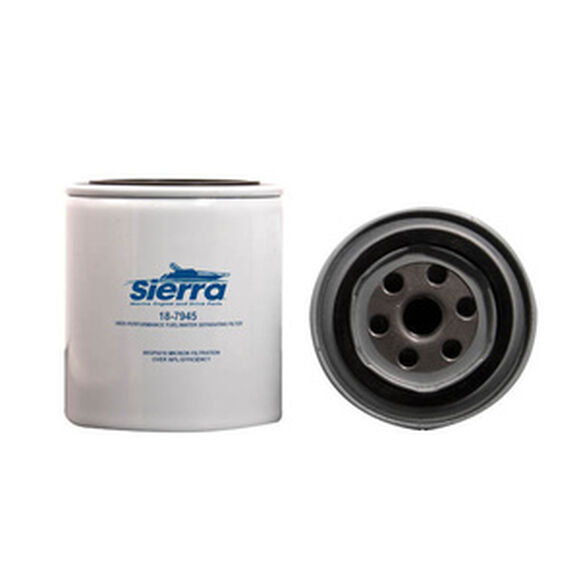
Marine-rated filters remove debris and separate water before fuel reaches sensitive components. Water contamination is one of the leading causes of injector and carburetor failure.
4. Fuel Pump & Pressure Regulation
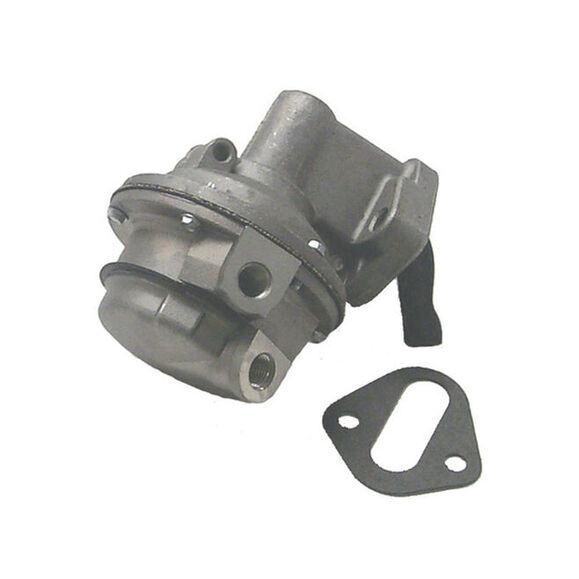
Mechanical and electric fuel pumps maintain consistent pressure required by carbureted or EFI engines. Stable pressure ensures smooth acceleration and efficient combustion.
5. Final Delivery to Engine
Fuel enters the carburetor, throttle body, or direct injection system for controlled combustion.
Every component must function properly to prevent stalling, rough idle, power loss, or unsafe operating conditions.
Marine Fuel System Categories
Fuel Tanks & Fuel Storage
-
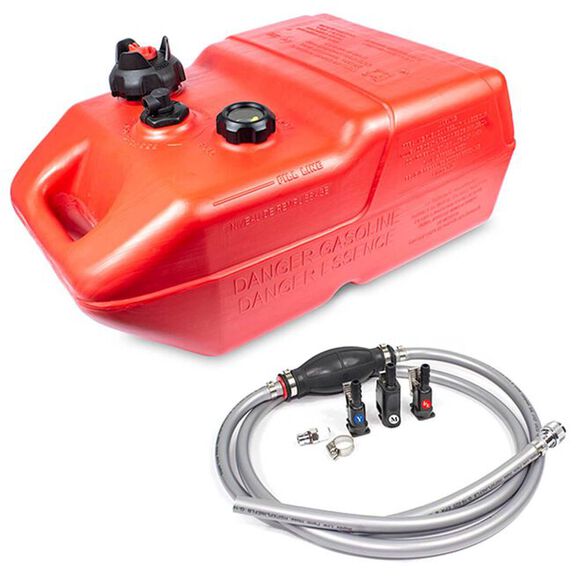
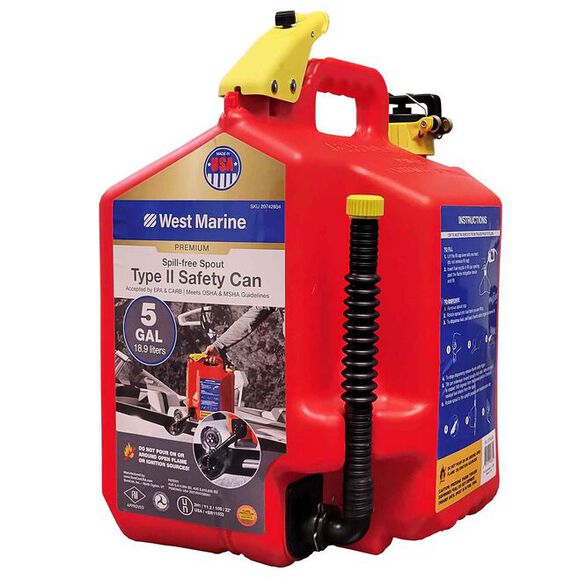
Portable marine fuel tanks
-
Permanent below-deck tanks
-
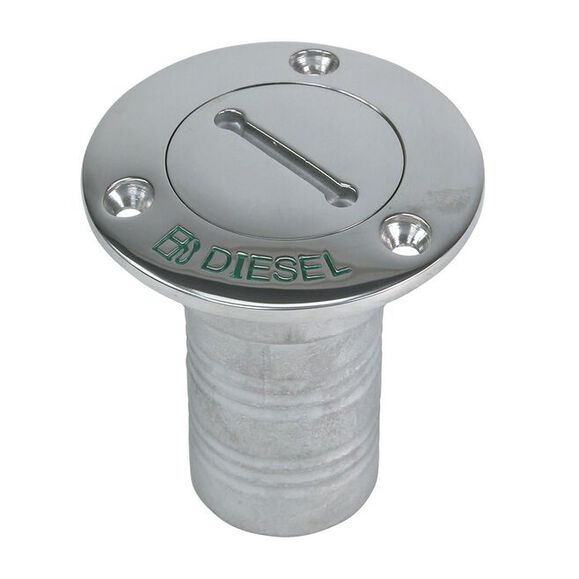
Fuel tank fittings and deck fills
-
Vent systems and anti-siphon valves
Marine tanks are designed to handle expansion, slosh, and corrosion in both freshwater and saltwater environments.
Marine Fuel Pumps
Correct pump sizing ensures consistent PSI across idle and high-RPM operation.
Fuel Lines & Hoses
-
SAE J1527 marine fuel hoses
-
Ethanol-resistant fuel line
-
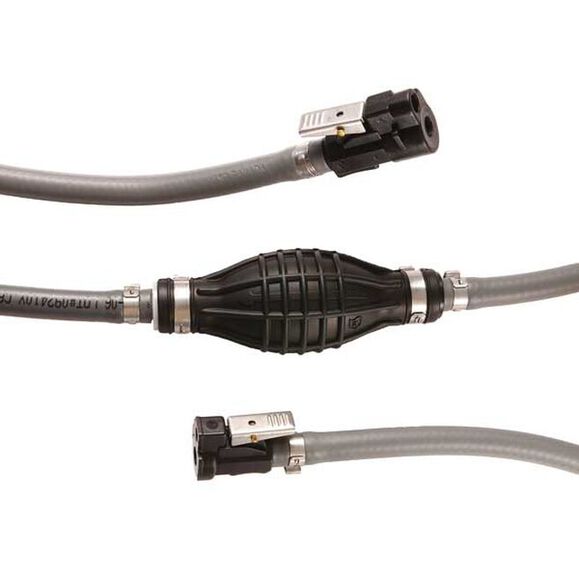
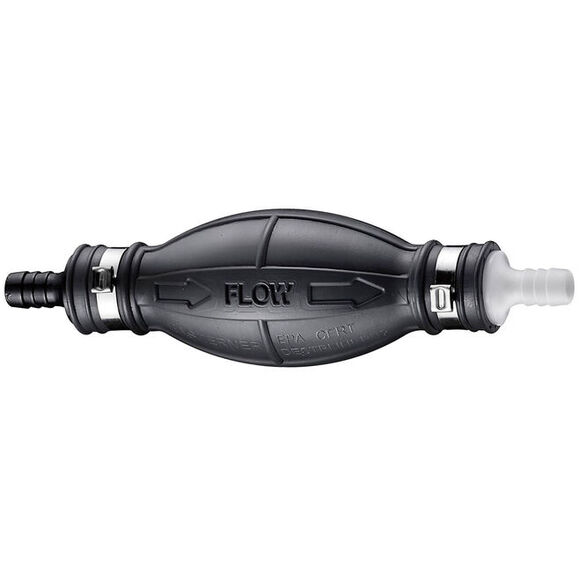
Primer bulb assemblies
-
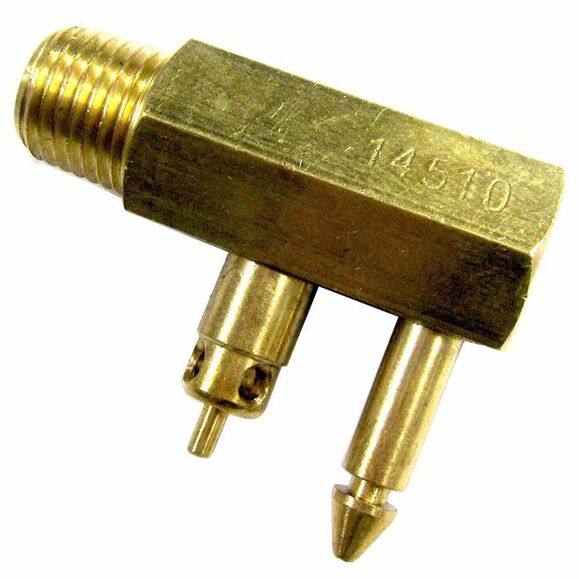
Fuel connectors and quick-disconnect fittings
Marine hoses are engineered to resist internal breakdown from ethanol blends and UV exposure.
Fuel System Fittings & Accessories
-
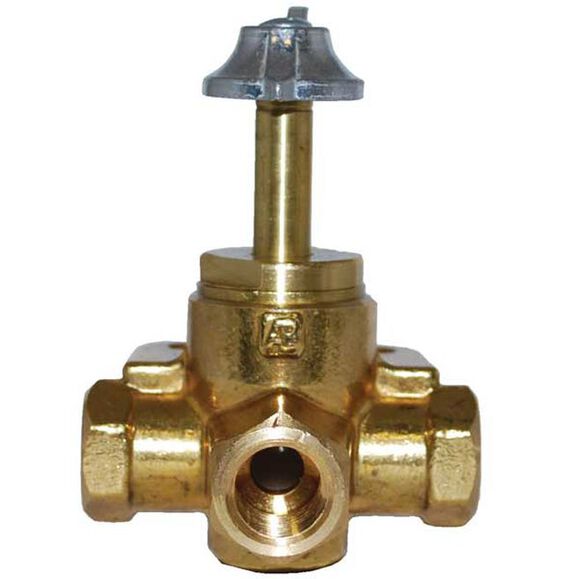
Fuel shut-off valves
-
Anti-siphon valves
-
Hose clamps
-
Fuel senders and gauges
-
Fuel line adapters
Marine-grade fittings prevent vapor leaks and fuel seepage in confined bilge spaces.
Gasoline vs Diesel Marine Fuel Systems
Gasoline Fuel Systems
-
Require vapor-safe components
-
Typically use electric fuel pumps
-
Often include primer bulbs (outboards)
-
Highly sensitive to water contamination
Gasoline systems must meet strict ignition-protection standards.
Diesel Fuel Systems
-
Use lift pumps and injection feed systems
-
Require multi-stage filtration
-
More tolerant to vapor but highly sensitive to water
-
Often include return lines
Diesel engines depend on clean, water-free fuel to protect injectors and injection pumps.
Common Marine Fuel System Problems
Recognizing early warning signs prevents major repairs.
-
Engine hesitation under throttle
-
Hard starting or no-start condition
-
Loss of top-end power
-
Surging at cruising speed
-
Fuel odor in bilge
-
Water visible in separator bowl
-
Collapsing primer bulb
-
Rough idle
Most fuel-related engine problems originate in hoses, filters, vent lines, or tank fittings rather than the engine itself.
Ethanol & Modern Fuel Challenges
Today’s ethanol-blended fuels introduce additional risks:
-
Hose delamination
-
Fuel phase separation
-
Increased moisture absorption
-
Varnish buildup in carburetors
-
Degraded seals and gaskets
Upgrading to ethanol-rated marine fuel components improves long-term reliability and reduces clogging issues.
Marine Fuel System Maintenance Checklist
Routine inspection reduces breakdown risk.
-
Replace water-separating filters annually
-
Inspect hoses for stiffness, cracking, or swelling
-
Verify vent lines are unobstructed
-
Drain water separators regularly
-
Check primer bulb firmness
-
Inspect tank fittings for corrosion
-
Confirm secure hose clamp connections
Seasonal inspection is especially important before offshore or long-range boating.
Marine vs Automotive Fuel Components
Marine fuel systems differ from automotive systems in critical ways:
-
Ignition-protected electrical components
-
Corrosion-resistant fittings and clamps
-
Ethanol-compatible hoses
-
USCG-compliant venting systems
-
Vapor containment safety requirements
Using non-marine components increases fire risk and premature failure.
Choosing the Right Marine Fuel System Parts
When selecting fuel system components, consider:
-
Engine horsepower and fuel demand
-
Carbureted vs EFI vs diesel injection systems
-
Boat size and operating range
-
Freshwater vs saltwater use
-
Ethanol exposure
-
Single vs twin engine configuration
Matching system components to your specific engine and vessel layout ensures dependable fuel delivery and consistent performance.
System Upgrades for Improved Performance
Upgrading key components can enhance reliability:
-
Install dual-stage water separators
-
Replace aging hoses with ethanol-rated fuel line
-
Upgrade to high-flow EFI-compatible fuel pumps
-
Improve vent routing to prevent vapor lock
-
Add visible bowl separators for easy water detection
Fuel system upgrades improve throttle response, idle stability, and long-term engine protection.
Safety Considerations
Marine fuel systems operate in enclosed spaces where vapor accumulation can be dangerous.
-
Always shut off fuel supply before servicing
-
Ventilate bilge before engine startup
-
Use ignition-protected components only
-
Check for leaks after installation
-
Replace damaged hoses immediately
Fuel system integrity is critical for onboard safety.
Reliable Marine Fuel Systems Start Here
From portable tanks to full diesel filtration assemblies, a properly configured marine fuel system ensures smooth starts, consistent power delivery, and safe operation in all water conditions. West Marine provides marine-grade fuel system components designed for durability, compliance, and dependable performance — whether you’re maintaining a small outboard skiff or a twin-engine offshore vessel.
A reliable engine begins with a properly built fuel system.
Fuel Tank FAQ
It depends on your engine size, boat range, and available space. Smaller boats often use 3–12 gallon portable tanks, while larger boats benefit from permanently mounted tanks with capacities from 20 gallons up to 100+ gallons.
Polyethylene tanks are corrosion-resistant, lighter, and easier to install. Aluminum tanks are more durable for custom installs and are often used below deck. Both are approved for marine use—choose based on your space, fuel type, and tank location.
Portable tanks are easy to install. Permanent tank installation requires careful planning for ventilation, secure mounting, and compliance with safety codes. It’s recommended to consult a professional for complex installations.
Yes. All West Marine fuel tanks meet current EPA and ABYC standards. Portable tanks feature low-permeation construction and secure fittings to minimize fuel vapor emissions and ensure safe transport.
Our tanks support both gasoline and diesel. Always verify the fuel type compatibility in the product description, especially for flexible or below-deck tanks. Never mix fuel types in the same tank.
Yes. Through our partner RDS Manufacturing, West Marine offers custom aluminum fuel tanks built to your boat’s specs. Contact your local store to begin a custom order with exact dimensions and fittings.
Yes. Flexible fuel tanks are made from rugged, marine-grade materials and are safe for temporary or auxiliary fuel storage. They’re a great option for extended-range cruisers or emergency diesel backup.
Marine fuel tanks are designed for boats but can be used in other off-grid or mobile fuel applications. Always check with local safety regulations and confirm that your use case is compatible with the tank’s design.
With proper maintenance, polyethylene tanks can last 10+ years, and aluminum tanks may last even longer. Inspect annually for cracks, corrosion, or fitting leaks, especially if installed below deck or exposed to sun.
Yes. West Marine carries fuel lines, connectors, deck fills, vent fittings, filters, and gauges to complete your fuel system. Visit us in-store or online to shop everything you need to install or service your tank.