






Marine Communication Systems for Boats
Marine communication systems allow boaters to stay connected with other vessels, marinas, and emergency services while operating on the water. These systems are essential for navigation safety, coordinating boat operations, and requesting assistance during emergencies.
Modern boats rely on several communication technologies including marine VHF radios, satellite communication devices, AIS tracking systems, and emergency locator beacons. Each system plays a different role in keeping vessels connected and improving safety on the water.
Together, these communication tools help boaters maintain awareness of surrounding vessels, receive weather updates, and quickly contact rescue services when needed.
VHF Marine Radios
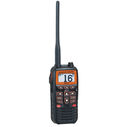
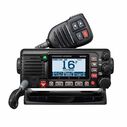
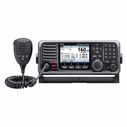
Very High Frequency (VHF) radios are the most widely used communication devices on recreational and commercial boats. They allow boaters to communicate directly with nearby vessels, marinas, bridges, and emergency responders.
VHF radios operate over relatively short distances but provide reliable communication in coastal and inland waterways. Typical communication range is about 5 to 10 miles between vessels, although signals can sometimes reach farther depending on antenna height and conditions.
Channel 16 on the VHF marine radio band is internationally designated for distress and safety calls and is monitored continuously by many coast guard authorities.
Because of their reliability and simplicity, VHF radios remain the primary communication method for boaters.
AIS Vessel Tracking Systems
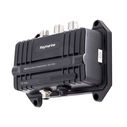
Automatic Identification System (AIS) devices transmit a vessel’s identity, position, course, and speed to nearby ships and shore stations. These systems help boaters see nearby marine traffic and allow other vessels to see them as well.
AIS improves situational awareness and helps reduce collision risk in busy waterways. AIS data can be displayed on chartplotters or multifunction displays, allowing boaters to monitor nearby vessel movement in real time.
Many offshore boats install AIS transponders alongside radar and chartplotters to create a comprehensive navigation and communication system.
Satellite Communication Devices
Satellite communication devices provide connectivity when boats travel beyond the range of VHF radio or cellular coverage. Satellite phones and satellite messaging devices allow boaters to communicate with shore contacts or emergency services anywhere in the world.
These systems are commonly used for offshore passages, long-distance cruising, and remote boating environments where other communication methods are unavailable.
Satellite communication provides a critical backup communication option for extended offshore travel.
Emergency Beacons and Distress Signaling
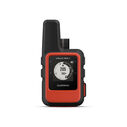
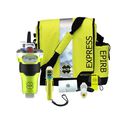
Emergency locator beacons are designed to send distress signals when a vessel or crew is in danger. The most common devices include EPIRBs (Emergency Position Indicating Radio Beacons) and PLBs (Personal Locator Beacons).
EPIRBs transmit a distress signal via satellites that alert international search and rescue services and provide the location of the distressed vessel.
These beacons can dramatically reduce rescue response times and are considered one of the most important emergency safety devices for offshore boating.
Types of Marine Communication Equipment
| Device | Purpose | Typical Range |
|---|---|---|
| VHF marine radio | Boat-to-boat and boat-to-shore communication | 5–20 miles |
| AIS transponder | Vessel tracking and collision awareness | 10–20 miles |
| Satellite phone | Long-distance communication | Global |
| EPIRB | Emergency distress signaling | Global satellite network |
Each system supports a different aspect of communication and safety while boating.
Choosing the Right Marine Communication Equipment
The best communication equipment for a boat depends on the vessel’s operating environment and distance from shore.
Boaters operating primarily on inland lakes or coastal waters typically rely on VHF radios for communication with nearby vessels and marinas. Offshore cruisers and long-distance sailors often add AIS systems and satellite communication devices to maintain connectivity when far from land.
Emergency locator beacons provide an additional safety layer by allowing boaters to transmit distress signals even if other communication systems fail.
Selecting the right combination of communication tools ensures that boaters can stay connected and respond effectively to unexpected situations.
Why Marine Communication Systems Are Critical for Boating Safety
Reliable communication is a fundamental part of safe boating. Marine communication systems allow boat operators to coordinate with nearby vessels, request assistance, receive weather updates, and alert rescue services during emergencies.
By combining multiple communication technologies such as VHF radios, AIS tracking systems, satellite devices, and emergency locator beacons, boaters can maintain connectivity and situational awareness across a wide range of marine environments.
Proper communication equipment not only improves safety but also enhances confidence when navigating coastal waters, offshore passages, and busy boating areas.
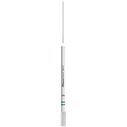
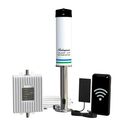
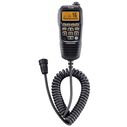
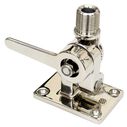
Sometimes boating safety is as simple as staying in contact with the boats and rescue services around you. Fixed-mount VHF radios and handheld VHF radios allow you to communicate verbally with other boaters. We carry brands like ICOM and Standard Horizon. Install a Shakespeare VHF antenna with your VHF radio to determine its range. AIS transponders and antennas allow boaters and rescue services to see the location and travel direction of registered boats passively and actively when necessary. Satellite communication devices allow the user to text friends and family or contact rescue services in case of an emergency. Marine satellite and TV antennas are a fun way to take advantage of satellite communication technology. Be sure to select the right antenna mounts and accessory cables and connectors to get your marine communication network up and running. West Marine has everything you need to communicate on the water.