How to Choose a Life Jacket: Complete Buyer's Guide for Boaters
By Nicholas Macrino | Reviewed against U.S. Coast Guard PFD requirements
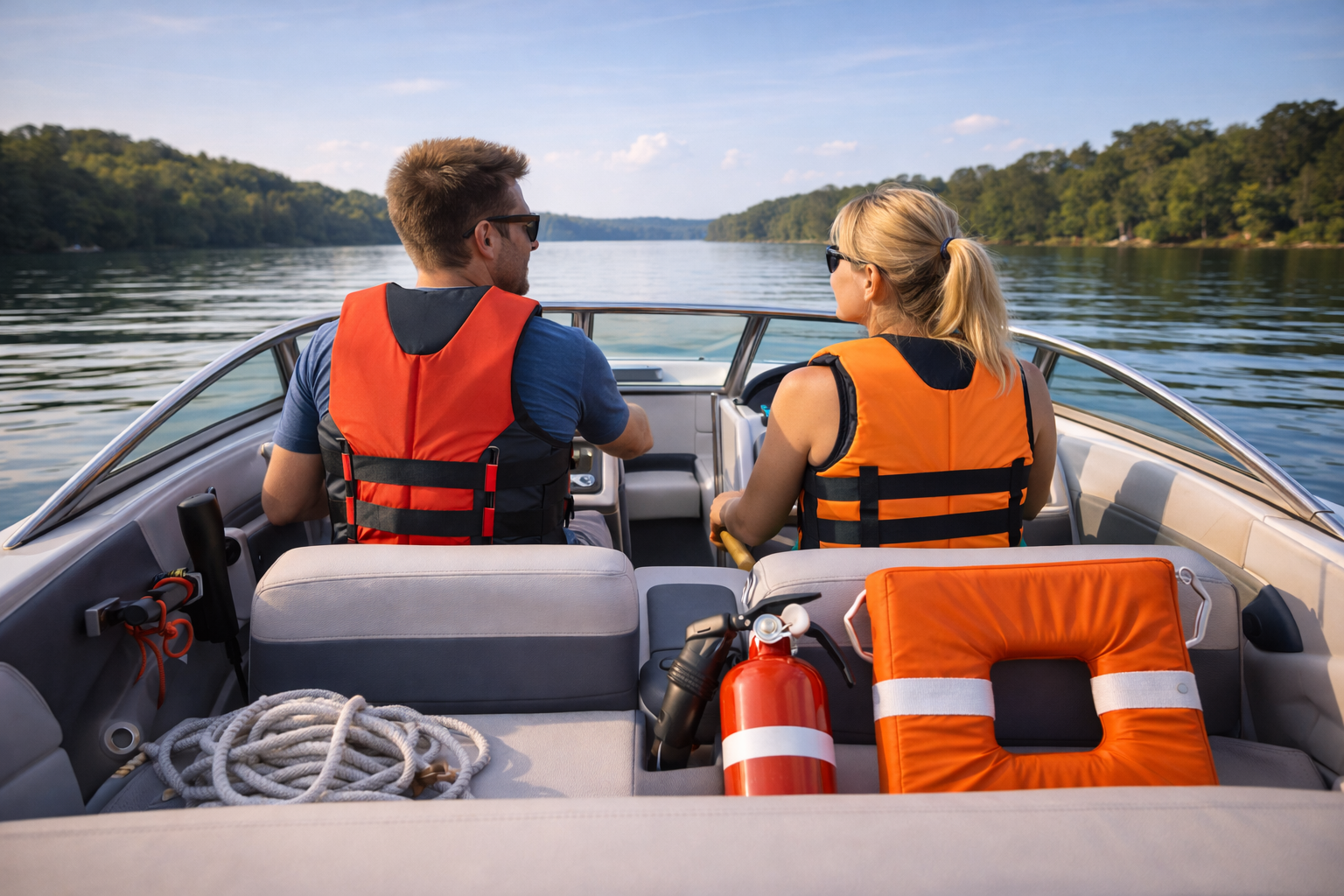
Choosing the right life jacket is one of the most important safety decisions anyone can make before heading onto the water. A properly fitted personal flotation device can keep a person afloat, improve survival during boating accidents, and significantly reduce the risk of drowning.
According to the United States Coast Guard, every recreational vessel must carry at least one approved life jacket for each passenger onboard. However, simply having a life jacket on board is not enough. The life jacket must also be the correct size, designed for the activity, and comfortable enough to wear when needed.
Because boating activities vary widely — from fishing and kayaking to offshore cruising and watersports — different types of life jackets may be better suited for different situations. Understanding how to choose a life jacket helps boaters select the safest and most comfortable option for their time on the water.
Shop life jackets and PFDs at West Marine
Quick answer: how to choose the right life jacket
The best life jacket depends on the wearer’s size, boating activity, and water conditions. A good life jacket should fit securely, provide enough buoyancy to keep the wearer afloat, and be approved by the United States Coast Guard.
When choosing a life jacket, boaters should consider:
- proper sizing based on weight and chest measurement
- the type of boating activity
- comfort and mobility while wearing the device
- buoyancy and flotation performance
- whether the life jacket is USCG approved
A life jacket that fits well and is comfortable enough to wear consistently provides the greatest protection on the water.
| If you are… | Choose |
|---|---|
| Fishing | Lightweight or inflatable life jacket |
| Kayaking | Paddling-specific life jacket |
| Watersports | High-impact foam vest |
| Offshore boating | High buoyancy offshore jacket |
| Boating with children | Foam life jacket with safety collar |
Step-by-step guide to choosing a life jacket
Selecting the right life jacket is easier when the decision is broken down into a few key steps.
Step 1: Confirm U.S. Coast Guard approval
The most important requirement for any life jacket is approval by the United States Coast Guard. Approved personal flotation devices meet strict safety standards for buoyancy, durability, and performance.
Every approved life jacket includes a label that identifies:
- USCG approval status
- recommended weight or chest size range
- type of flotation device
- intended boating activities
Boaters should always check this label before purchasing or using a life jacket.
Step 2: Choose the correct size
A life jacket that does not fit properly may not perform correctly in the water. Proper sizing ensures the life jacket stays in place and provides effective flotation.
Life jackets are generally sized based on chest measurement for adults, body weight for children, and age category such as adult, youth, or child.
| Category | Typical weight range |
|---|---|
| Infant | Under 30 lbs |
| Child | 30–50 lbs |
| Youth | 50–90 lbs |
| Adult | Over 90 lbs |
A properly fitted life jacket should feel snug without restricting breathing or movement. Boaters who want more detailed guidance can review life jacket sizing charts for men, women, children, and infants.
Step 3: Match the life jacket to the boating activity
Different boating activities require different types of life jackets. The right design should provide both safety and mobility for the intended use. Comfort is especially important during long days on the water, which is why many activity-specific life jackets are designed to be worn continuously.
Best life jacket for fishing
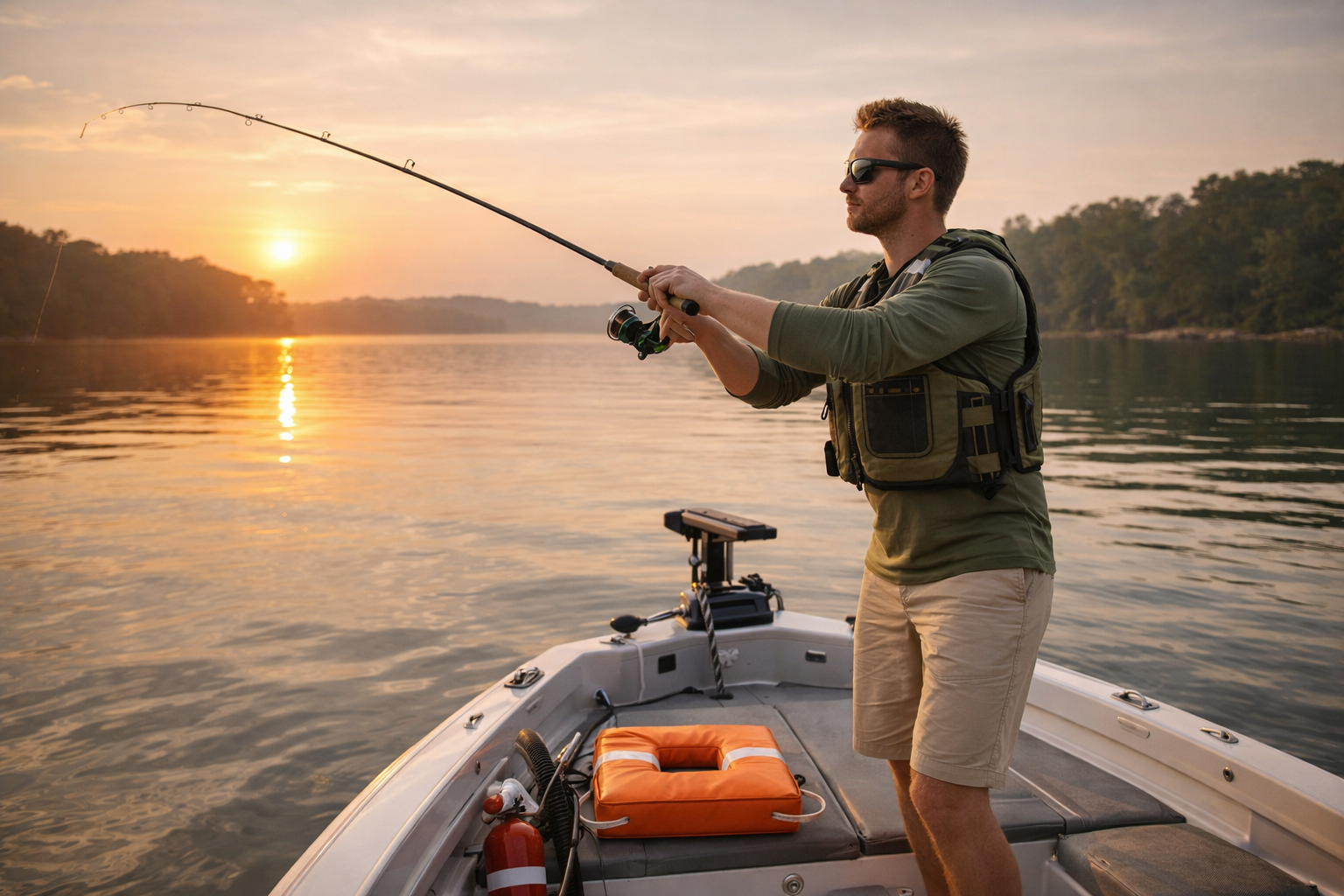
Fishing life jackets are typically designed for comfort during long hours on the water. Many anglers prefer lightweight designs that allow unrestricted movement when casting, reeling, or handling equipment.
Fishing life jackets often include practical features such as gear pockets, attachment points for tools, and breathable mesh panels. A life jacket comfortable enough to wear all day significantly improves overall boating safety.
Shop fishing life jackets at West Marine
Best life jacket for kayaking
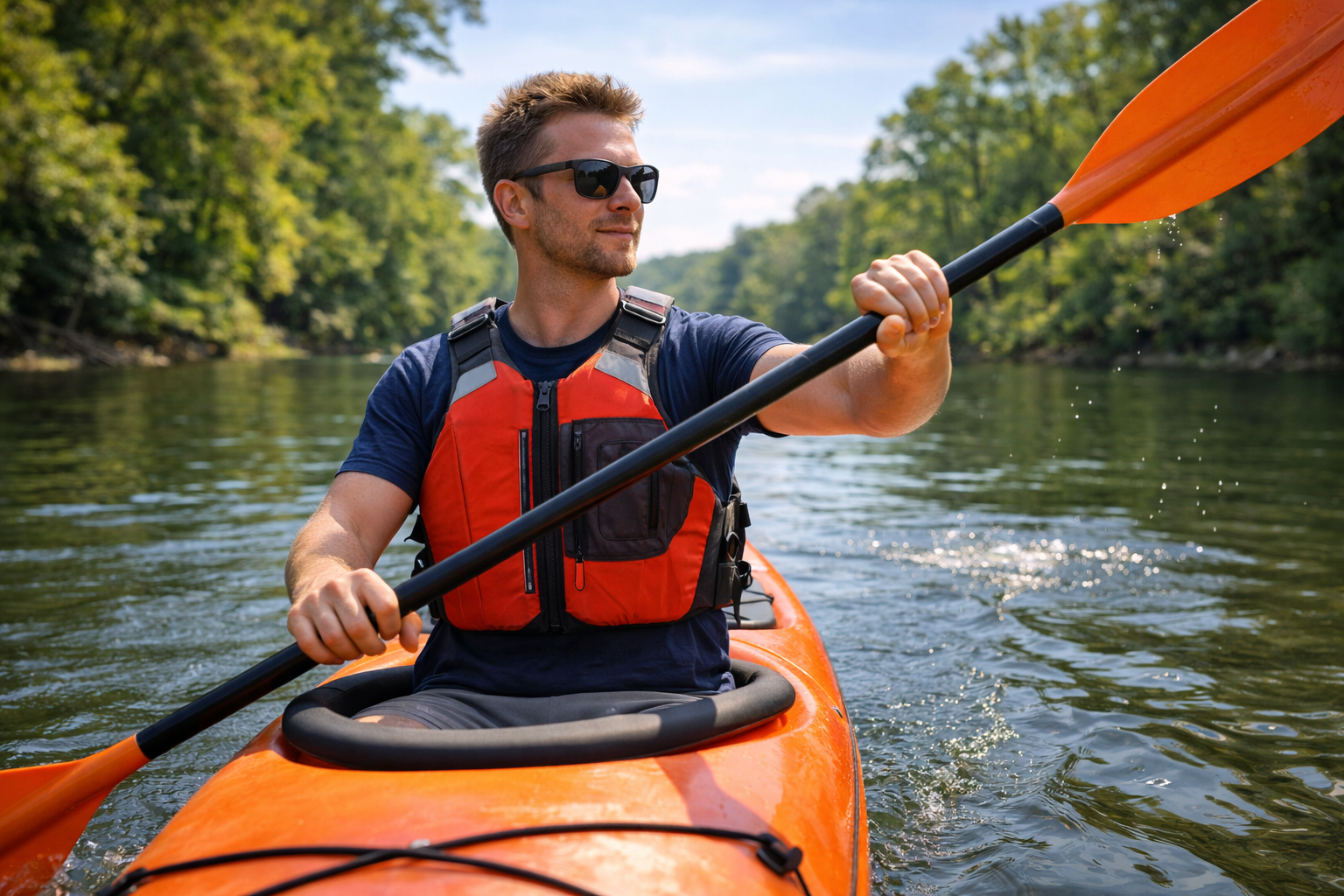
Kayaking life jackets are designed specifically for paddlers. These life jackets prioritize mobility and typically include large arm openings that allow full range of motion while paddling.
Paddling life jackets often include low-profile foam panels, adjustable side straps, and lightweight construction — allowing kayakers to paddle comfortably without restricting movement.
Shop kayaking life jackets at West Marine
Best life jacket for watersports
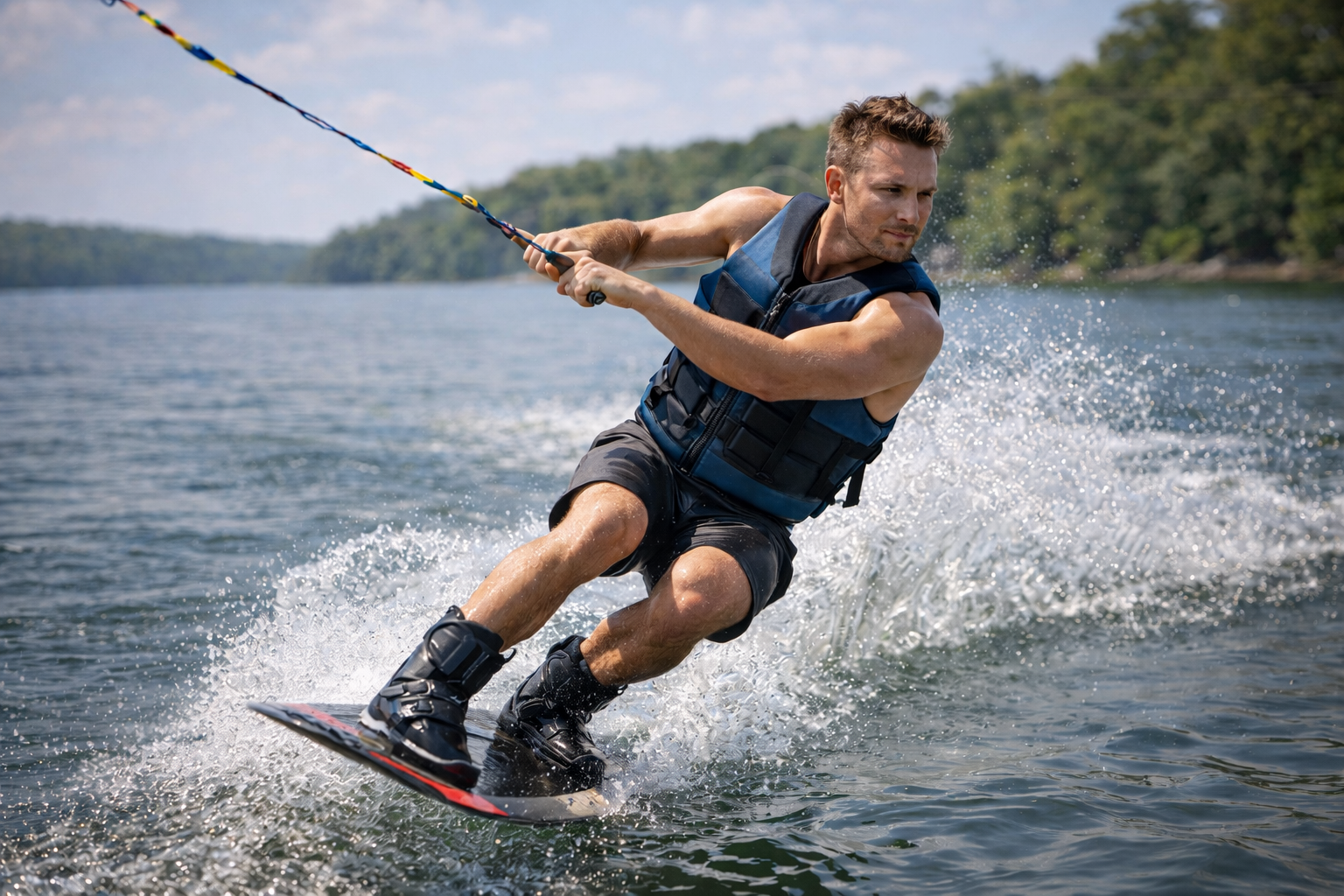
Watersports life jackets are designed for activities that involve high speeds and repeated water impact. These life jackets are typically made with durable foam flotation and are designed to remain secure during waterskiing, wakeboarding, and tubing.
Because these activities involve frequent water entry, foam life jackets are often preferred since they provide constant buoyancy without requiring activation.
Shop watersports life jackets at West Marine
Best life jackets for offshore boating
Offshore boaters often choose life jackets that provide higher buoyancy and improved visibility. These life jackets may include additional safety features such as reflective material, emergency whistles, and bright colors for visibility — all of which help improve rescue visibility in open water environments.
Shop offshore life jackets at West Marine
Step 4: Evaluate key features
Beyond size and activity fit, several design features determine how safe and comfortable a life jacket will be in real-world use.
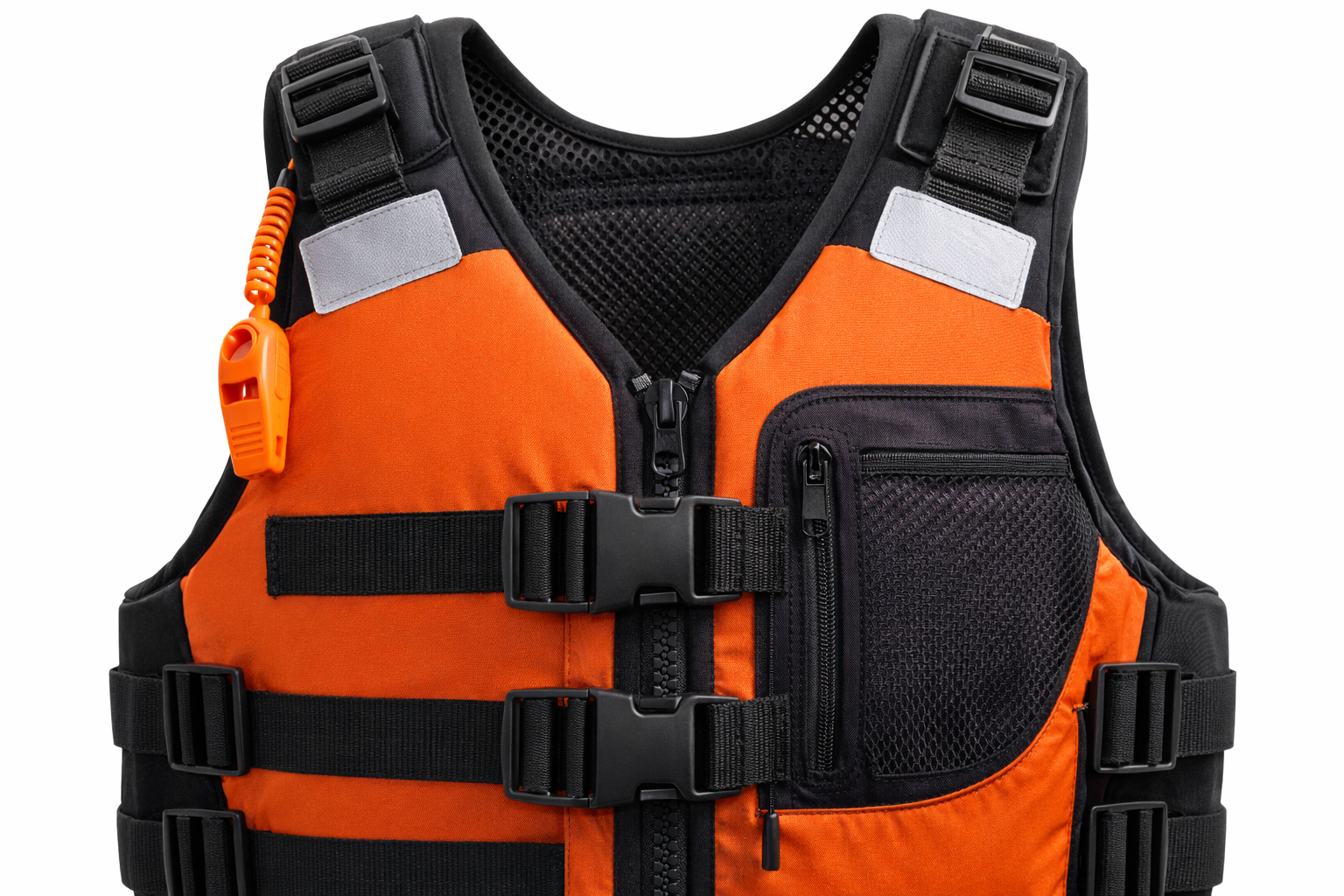
Fit and adjustability
A life jacket should include adjustable straps that allow the wearer to create a secure and comfortable fit. Multiple adjustment points help ensure the life jacket remains in place if the wearer enters the water unexpectedly. Look for durable buckles or quick-release clips that allow easy adjustment while still maintaining a firm hold.
Some life jackets also include side adjustment straps or waist belts, which help distribute flotation evenly across the torso for greater comfort and stability.
Bright colors and reflective material
Visibility is a critical safety factor when someone is in the water. Life jackets with bright colors such as orange, yellow, or red make it easier for rescuers or nearby boaters to quickly spot someone in the water — especially in areas with waves, heavy traffic, or limited visibility.
Many modern life jackets also include reflective patches or strips that improve visibility in low-light environments such as dawn, dusk, or nighttime. Reflective materials help reflect light from flashlights, boat spotlights, or search-and-rescue equipment.
Ventilation panels
Breathable mesh panels and ventilated foam designs improve airflow and reduce heat buildup when wearing a life jacket for extended periods. Ventilation is especially useful during warm weather or physical activities such as paddling or fishing, and encourages boaters to wear their PFDs more consistently.
Safety accessories
Some life jackets include built-in pockets or attachment points for small safety tools. Common accessories include emergency whistles, signal mirrors, waterproof lights, and small gear pockets. Some advanced models also include attachment loops for safety knives or communication devices.
Quick-release buckles and zippers
Heavy-duty zippers or quick-release buckles make life jackets easier to put on and remove quickly. High-quality, corrosion-resistant hardware is especially important for saltwater environments where metal components are exposed to moisture and salt.
Grab handles for children
Youth and infant life jackets often include grab handles at the top of the flotation collar. These handles allow adults to quickly lift a child from the water and provide a secure point to assist children during boarding or emergencies.
Step 5: Test the fit before getting on the water
After choosing a life jacket, always test the fit before heading out.
- Put the life jacket on and fasten all straps and buckles.
- Tighten the straps until the jacket feels snug.
- Have someone lift the shoulders of the life jacket.
If the jacket rides up above the wearer’s chin or ears, it is too large. A properly fitted life jacket should remain secure and comfortable when lifted.
Understanding life jacket buoyancy
Buoyancy refers to the upward force that keeps a person afloat in the water. Different life jackets provide different buoyancy levels depending on their design and intended use. Higher buoyancy is especially helpful in rough water or when the wearer may be unconscious.
| Life jacket style | Typical buoyancy |
|---|---|
| Standard foam life jackets | ~15.5 pounds |
| Inflatable life jackets | 22–35 pounds |
| Offshore life jackets | 22+ pounds |
Higher buoyancy can help keep the wearer higher in the water, which may improve safety in rough conditions.
What matters most when buying a life jacket
When purchasing a life jacket, boaters should consider several important factors beyond basic safety requirements. A life jacket that fits properly and matches the intended boating activity will provide the best performance on the water. Key factors to evaluate include fit and adjustability, comfort and mobility, visibility, and durability.
Life jackets should be made from durable materials that can withstand exposure to water, sun, and repeated use. Reinforced stitching and abrasion-resistant fabrics help extend the lifespan of the device. Choosing a life jacket that balances safety, comfort, and durability ensures that it will be worn consistently when boating.
Common mistakes when choosing a life jacket
Many boaters make mistakes when selecting life jackets that can reduce safety. Common mistakes include:
- choosing a life jacket that is too large
- selecting a life jacket not designed for the intended activity
- ignoring comfort and mobility
- failing to check USCG approval labels
- buying a life jacket that will rarely be worn
Avoiding these mistakes helps ensure the life jacket will provide reliable flotation when needed.
When should you replace a life jacket?
Life jackets should be inspected regularly to ensure they remain in good working condition. Over time, exposure to sunlight, saltwater, and repeated use can cause flotation materials and straps to deteriorate.
A life jacket should be replaced if it shows signs of torn fabric or damaged straps, compressed or waterlogged foam, or malfunctioning inflation mechanisms. Routine inspection helps ensure the life jacket will function properly in an emergency.
Life jacket laws boaters should know
Boating safety regulations from the United States Coast Guard require every recreational vessel to carry a wearable life jacket for each passenger onboard. These life jackets must be approved by the USCG, properly sized for the wearer, and readily accessible.
Many states also require children to wear life jackets while a vessel is underway. Boaters should review their state regulations before heading onto the water.
Do adults have to wear life jackets?
Federal boating regulations require vessels to carry a life jacket for every passenger onboard, but adults are not always required to wear them. However, certain situations require life jackets to be worn regardless of age, including operating personal watercraft, participating in watersports, and boating in hazardous conditions.
Even when not legally required, boating safety organizations strongly recommend wearing life jackets whenever possible.
FAQs about choosing a life jacket
What type of life jacket is best for recreational boating?
Many recreational boaters choose life jackets designed for comfort and mobility. These life jackets provide adequate buoyancy while allowing freedom of movement for activities such as fishing or sailing. Offshore boaters may prefer life jackets with higher buoyancy levels for open water conditions. The best life jacket ultimately depends on the activity and environment.
How do I know if a life jacket fits properly?
A properly fitted life jacket should feel snug but comfortable when worn. After tightening all straps, the life jacket should remain secure and should not ride up above the wearer’s chin when lifted by the shoulders. If the jacket shifts easily or feels loose, it may be too large. Correct sizing based on chest measurement or body weight is important for safety.
Are inflatable life jackets safe?
Inflatable life jackets can provide excellent flotation when properly maintained and used according to manufacturer instructions. These devices inflate using a CO₂ cartridge and often provide higher buoyancy than standard foam life jackets. They are typically recommended for adults and experienced boaters. Regular inspection is necessary to ensure the inflation system functions properly.
Do children need special life jackets?
Yes. Children should wear life jackets designed specifically for their weight and size. Youth and child life jackets often include additional features such as flotation collars, grab handles, and leg straps. These features help keep children positioned safely in the water. Properly sized life jackets improve flotation and overall safety.
Are life jackets required by law?
Yes. Federal boating regulations require every vessel to carry at least one approved life jacket for each passenger onboard. These life jackets must meet safety standards established by the United States Coast Guard. Many states also require children to wear life jackets while the vessel is underway.
How long do life jackets last?
Life jackets should be inspected regularly for signs of damage or wear. Foam life jackets may lose buoyancy if the foam becomes compressed or deteriorates over time. Inflatable life jackets require routine inspection of the CO₂ cartridge and inflation system. If a life jacket shows signs of damage or reduced flotation, it should be replaced.
Can one life jacket be used for every boating activity?
Not always. Different boating activities require life jackets designed for specific conditions. Watersports life jackets are built to withstand impact, while paddling life jackets focus on mobility. Offshore boating may require higher buoyancy levels. Choosing a life jacket suited to the activity improves safety and comfort.
What features should a good life jacket include?
A good life jacket should include adjustable straps for a secure fit, bright colors for visibility, and reflective material for low-light conditions. Some life jackets also include pockets for safety gear such as whistles or lights. Breathable panels can improve comfort during extended wear. These features encourage consistent use.
Why is wearing a life jacket important?
Wearing a life jacket significantly reduces the risk of drowning during boating accidents. Even strong swimmers may struggle in cold water, rough waves, or unexpected emergencies. A life jacket provides buoyancy that keeps the wearer afloat until help arrives. Boating safety experts strongly recommend wearing life jackets whenever possible.
Find the right life jacket for your boat
Choosing the right life jacket involves more than simply grabbing the first flotation device available. The safest life jacket is one that fits properly, matches the boating activity, is USCG approved, and is comfortable enough to wear consistently.
Explore a wide selection of life jackets and personal flotation devices at West Marine, including options designed for boating, fishing, sailing, and watersports. Wearing a properly fitted life jacket is one of the most effective ways to improve boating safety and protect everyone onboard.