Inflatable vs Foam Life Jackets: Differences, Safety, and Which Is Best
By Nicholas Macrino | Reviewed against U.S. Coast Guard PFD requirements
Choosing the right life jacket is one of the most important safety decisions you can make before heading out on the water. Two of the most common types of personal flotation devices (PFDs) are foam life jackets and inflatable life jackets. While both are designed to keep you afloat, they differ significantly in comfort, buoyancy, maintenance, and how they function during an emergency.
The main difference between inflatable and foam life jackets is how they provide buoyancy. Foam life jackets contain built-in flotation that works immediately, while inflatable life jackets use air chambers that inflate with a CO₂ cartridge when activated. Inflatable PFDs are lighter and more comfortable, while foam life jackets provide constant buoyancy with no maintenance required.
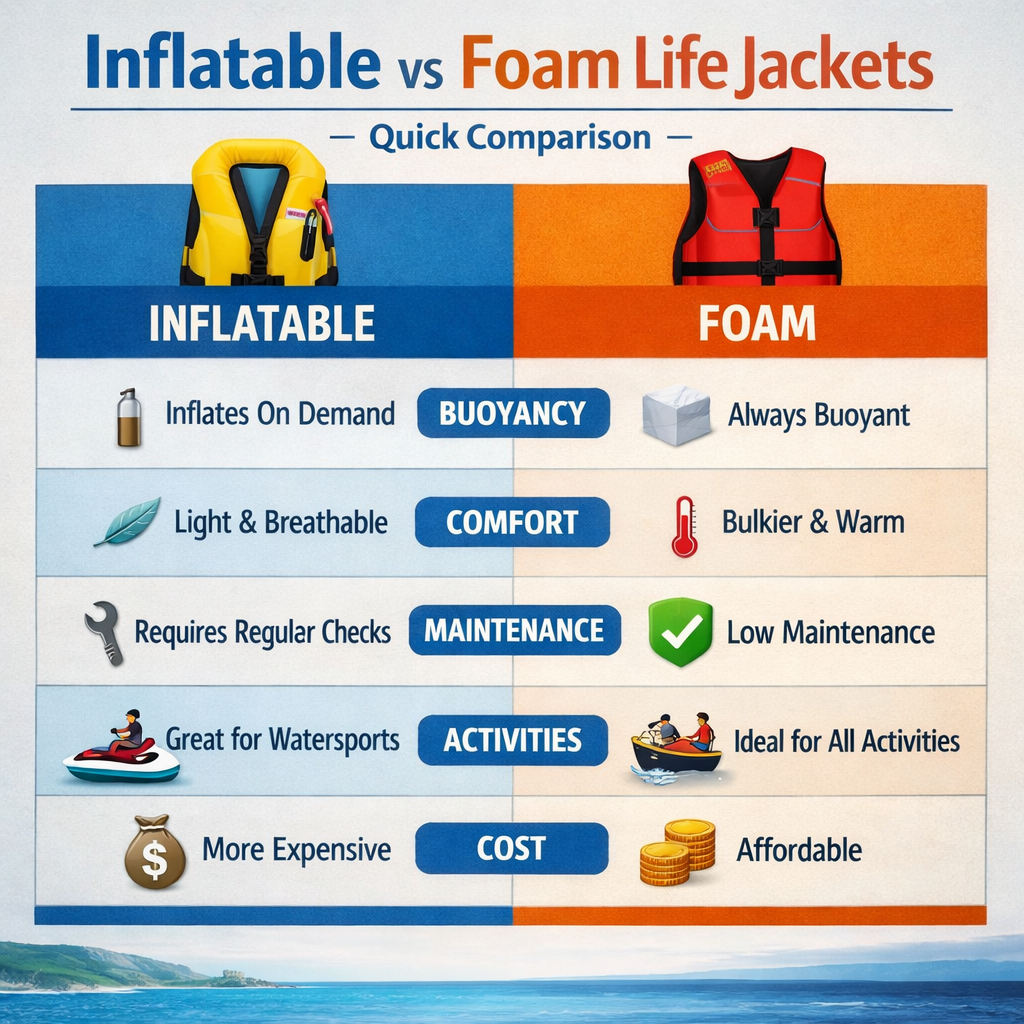
The Difference Between Inflatable and Foam Life Jackets
Foam life jackets contain built-in flotation material that keeps the wearer afloat immediately when they enter the water. Inflatable life jackets rely on air chambers that inflate using a CO₂ cartridge when activated.
Because foam life jackets provide constant flotation, they begin working instantly and require no action from the wearer. Inflatable life jackets remain compact and lightweight until deployed, which makes them significantly more comfortable for extended wear.
Both types of personal flotation devices are designed to improve boating safety, but they serve different purposes depending on the activity, experience level of the wearer, and how the life jacket will be used on the water.
Inflatable vs Foam Life Jackets: Quick Comparison
The biggest differences between foam and inflatable life jackets come down to buoyancy, comfort, and maintenance requirements.
| Feature | Foam Life Jackets | Inflatable Life Jackets |
|---|---|---|
| Buoyancy | Built-in foam (~15.5 lbs) | Inflates to 22–35 lbs |
| Activation | Always buoyant | Manual or automatic |
| Comfort | Bulkier | Lightweight and slim |
| Maintenance | Minimal | Requires cartridge checks |
| Best For | Beginners, kids, watersports | Fishing, sailing, offshore |
| USCG Types | Type I, II, III | Type III or Type V |
| Price Range | Lower cost | Higher cost |
Both styles can be U.S. Coast Guard approved, but they are designed for different boating situations.
Foam vs Inflatable Life Jackets for Different Boating Activities
The best type of life jacket often depends on the boating activity. Different water sports and boating environments require different levels of mobility, buoyancy, and durability.
Fishing
Inflatable life jackets are especially popular among anglers because they are lightweight and comfortable enough to wear for long periods. Their slim design allows greater freedom of movement when casting, handling gear, and moving around the boat.
Shop fishing life jackets at West Marine
Watersports
Foam life jackets are typically better for watersports such as waterskiing, wakeboarding, and tubing. Because they provide constant buoyancy, they remain effective even during repeated water entry and high-speed activities.
Shop watersports life jackets at West Marine
Offshore boating
Inflatable life jackets are commonly used for offshore boating and sailing because they provide higher buoyancy when inflated. Many offshore inflatable PFDs are designed to keep the wearer afloat even in rough water conditions.
Shop offshore life jackets at West Marine
Kayaking and paddle sports
Foam life jackets are often preferred for kayaking, paddleboarding, and canoeing because they offer dependable flotation during frequent immersion. Their durable construction also holds up well against repeated water exposure.
Shop paddlesport life jackets at West Marine
What Is a Foam Life Jacket?
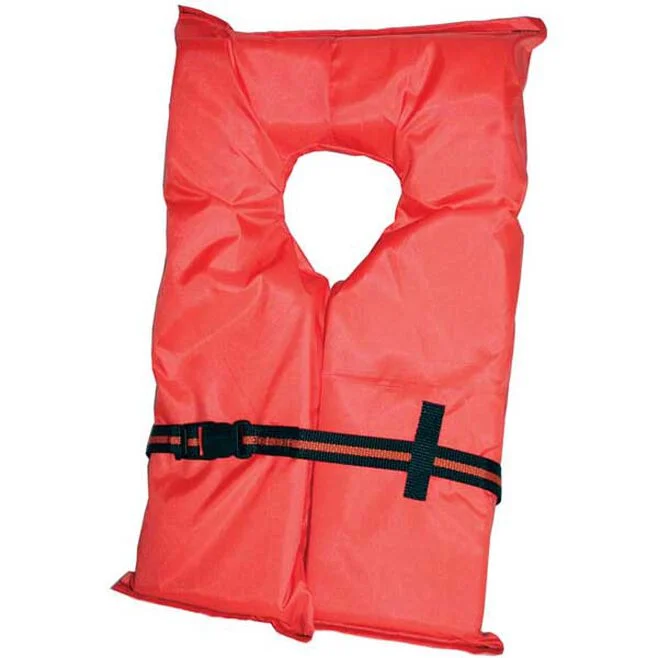
Foam life jackets are the traditional life jackets most boaters are familiar with. These PFDs contain built-in foam flotation panels that provide constant buoyancy without requiring activation.
Because the flotation is always active, foam life jackets begin working immediately when the wearer enters the water.
Advantages of foam life jackets
Foam PFDs are widely used because they offer several safety advantages:
- always buoyant with no activation required
- minimal maintenance
- durable and reliable
- suitable for swimmers of all experience levels
These jackets are commonly used for recreational boating, kayaking and paddle sports, waterskiing, and youth life jackets.
Foam life jackets are often recommended for children and inexperienced swimmers because they provide instant flotation.
What Is an Inflatable Life Jacket?
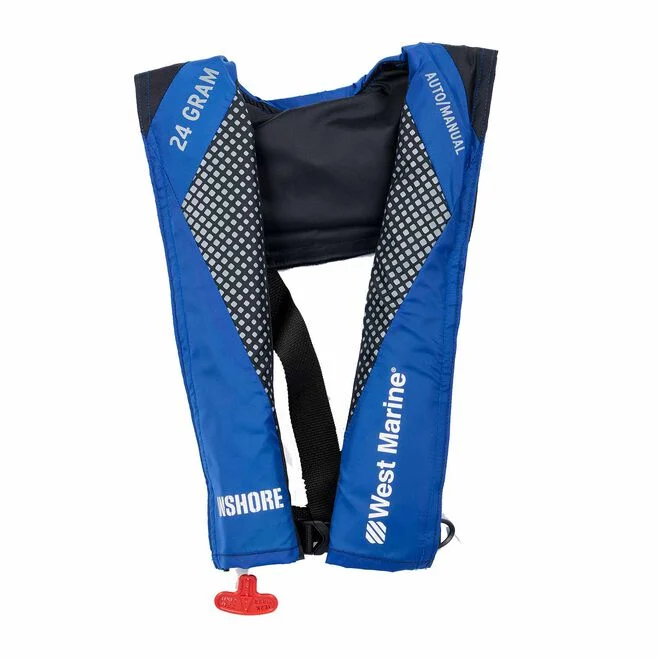
Inflatable life jackets, sometimes called inflatable life vests or inflatable PFDs, rely on air chambers that inflate when activated using a CO₂ cartridge. Inflatable PFDs are designed to be lightweight and low-profile, which makes them comfortable for extended wear.
Types of inflatable life jackets
There are two main types of inflatable PFDs:
Automatic inflatable life jackets
These devices inflate automatically when submerged in water using a water-sensitive mechanism.
Manual inflatable life jackets
These PFDs inflate when the wearer pulls a cord attached to the CO₂ cartridge.
Many inflatable PFDs can also be inflated orally as a backup option.
Foam Life Jackets: Pros and Cons
Foam life jackets provide consistent flotation and require little maintenance, but they may feel bulky during extended wear.
Pros
- always provides buoyancy
- simple design with no inflation mechanism
- minimal maintenance required
- suitable for children and non-swimmers
Cons
- bulkier than inflatable models
- may restrict mobility for some activities
- less comfortable for all-day wear
Despite these drawbacks, foam PFDs remain one of the most reliable flotation options available.
Inflatable Life Jackets: Pros and Cons
Inflatable life jackets are designed for comfort and mobility but require additional care and maintenance.
Pros
- lightweight and comfortable
- slim design allows greater mobility
- higher buoyancy when inflated
- ideal for long periods of wear
Cons
- requires CO₂ cartridge maintenance
- must be serviced periodically
- not recommended for non-swimmers or children
- some models must be worn to count toward USCG requirements
Inflatable PFDs are especially popular among anglers, sailors, and offshore boaters who prioritize comfort.
Who Should Choose a Foam Life Jacket?
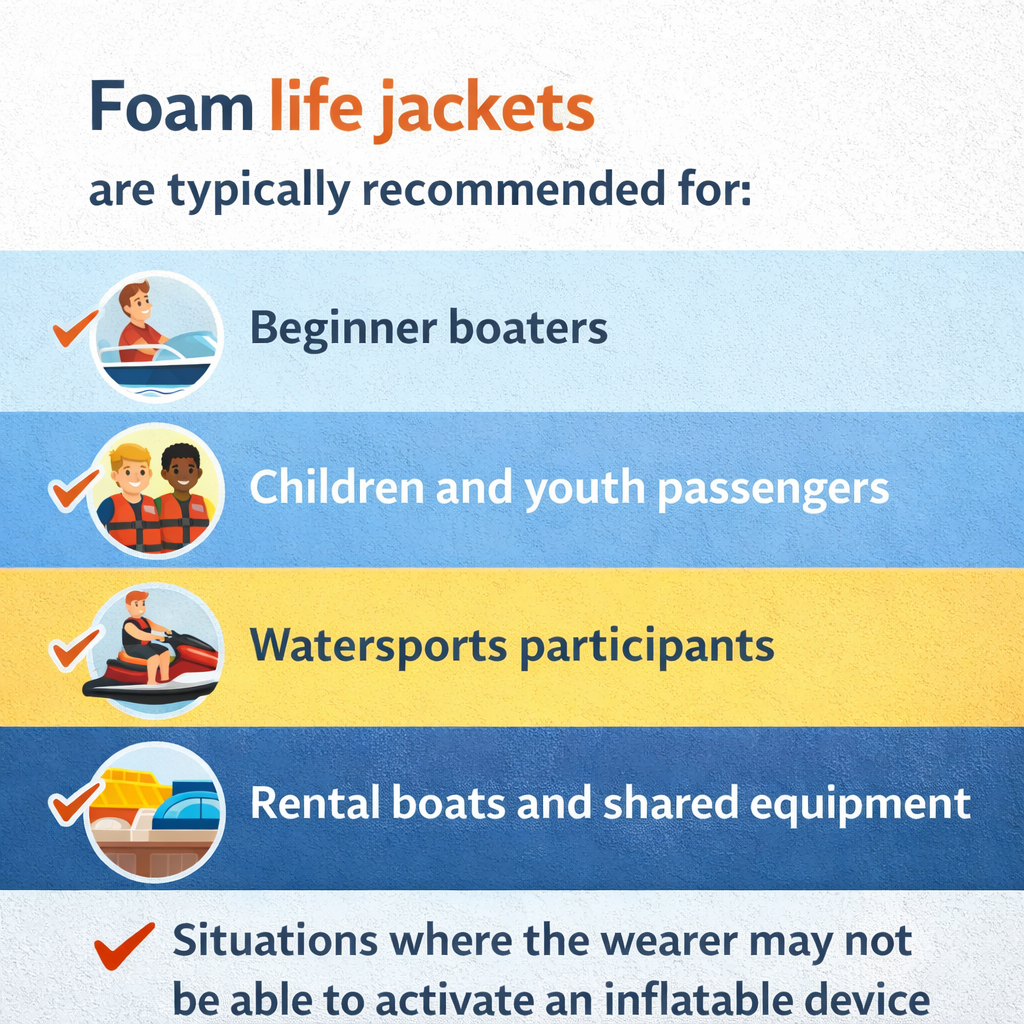
Foam life jackets are often the best option for boaters who prioritize simplicity, reliability, and immediate flotation. Because foam PFDs provide constant buoyancy without any activation mechanism, they are well suited for environments where safety needs to be automatic and dependable.
Foam life jackets are typically recommended for:
- beginner boaters
- children and youth passengers
- watersports participants
- rental boats and shared equipment
- situations where the wearer may not be able to activate an inflatable device
These life jackets are also ideal for activities such as water skiing, tubing, kayaking, and paddleboarding, where frequent water entry is expected.
Because foam life jackets require little maintenance and function immediately upon water entry, they remain the preferred option for families, youth boaters, and casual recreational users.
Who Should Choose an Inflatable Life Jacket?
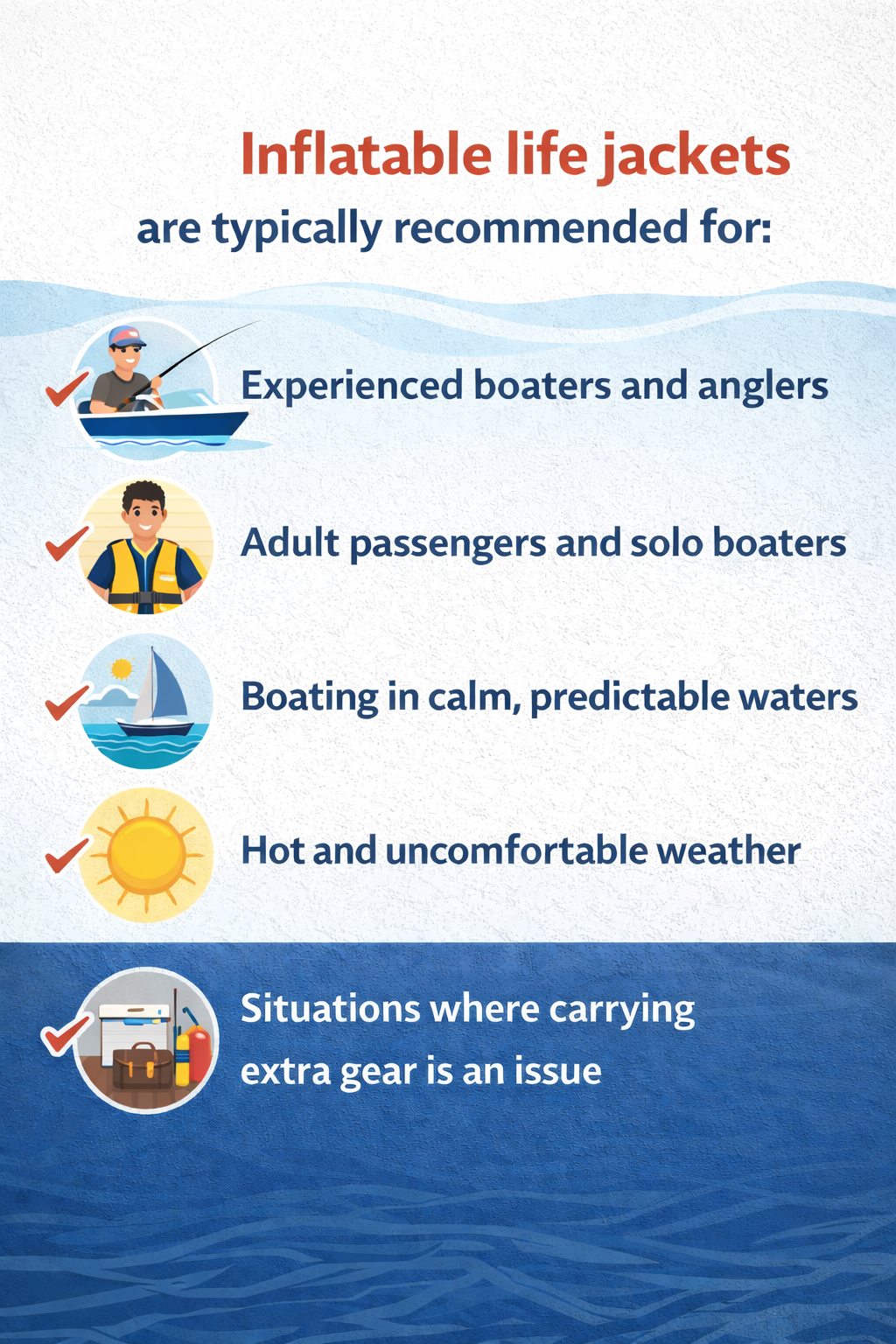
Inflatable life jackets are often the preferred option for experienced boaters who want a lightweight and comfortable PFD that can be worn all day.
Because inflatable PFDs remain slim until activated, they allow for greater mobility and are less restrictive than traditional foam life jackets. This makes them especially popular among anglers, sailors, and offshore boaters.
Inflatable life jackets are commonly used for:
- fishing trips
- offshore boating
- sailing and cruising
- long days on the water
- boating where comfort encourages consistent wear
Many experienced boaters prefer inflatable life jackets because they are more likely to wear them continuously, which significantly improves overall safety.
However, inflatable life jackets require regular inspection and maintenance, so they are best suited for users who are familiar with how the inflation system works.
Which Life Jacket Is Safer?
Both foam and inflatable life jackets can be safe when properly worn and maintained. However, the safest option often depends on the boating environment and the experience level of the wearer.
Foam life jackets are often considered safer for beginners because they provide immediate buoyancy without requiring activation. If a person unexpectedly falls into the water, the life jacket begins working instantly.
Inflatable life jackets provide significantly higher buoyancy once inflated, which can help keep the wearer higher in the water. However, they rely on:
- a functioning CO₂ cartridge
- proper maintenance
- correct inflation mechanism operation
Because of this, inflatable life jackets are typically recommended for experienced boaters who will consistently wear their PFDs and maintain the inflation system properly.
Comfort and mobility differences
One of the biggest reasons many boaters choose inflatable PFDs is comfort. Traditional foam life jackets use thick flotation panels that can feel bulky, especially when worn for long periods. Inflatable life jackets remain slim until inflated, allowing greater freedom of movement.
This makes them popular for fishing, sailing, offshore boating, and long cruising trips. Many boaters are more likely to wear inflatable life jackets consistently, which can improve overall safety.
Inflatable life jacket maintenance
Inflatable life jackets require regular inspection to ensure the inflation system functions properly. Routine maintenance should include:
- checking the CO₂ cartridge for corrosion
- confirming the cartridge is properly installed
- inspecting the inflator status indicator
- checking the oral inflation tube
Many manufacturers recommend inspecting inflatable PFDs at least once per boating season and replacing the CO₂ cartridge after any inflation event. Proper maintenance helps ensure the life jacket deploys correctly in an emergency.
Understanding life jacket buoyancy
Buoyancy refers to the upward force that keeps a person afloat in the water. Different life jacket designs provide different buoyancy levels.
| Life Jacket Type | Typical Buoyancy |
|---|---|
| Foam life jackets | ~15.5 lbs |
| Inflatable life jackets | 22–35 lbs |
| Offshore life jackets | 22+ lbs |
Because inflatable life jackets rely on air chambers, they often provide greater buoyancy when inflated.
Foam vs Inflatable Life Jackets: Which Should You Choose?
Choosing between an inflatable and foam life jacket depends on your boating experience, the activity you plan to do, and how often you will wear the device.
Choose a foam life jacket if:
- you boat with children or inexperienced swimmers
- you participate in watersports such as tubing or waterskiing
- you want a life jacket that requires minimal maintenance
- you prefer flotation that works immediately without activation
Choose an inflatable life jacket if:
- you want a lightweight life jacket that is comfortable for all-day wear
- you spend long hours fishing or sailing
- you prefer a slim design that allows greater mobility
- you are experienced with maintaining inflatable PFD systems
For many experienced boaters, comfort is one of the biggest reasons inflatable life jackets are chosen. A life jacket that is comfortable enough to wear consistently can significantly improve overall safety on the water.
FAQs About Inflatable vs Foam Life Jackets
Are inflatable life jackets better than foam life jackets?
Inflatable life jackets are often more comfortable and lightweight than foam life jackets, which makes them easier to wear for long periods. However, foam life jackets provide immediate buoyancy without requiring activation. The best option depends on the wearer’s experience level, boating activity, and willingness to maintain inflatable PFD systems.
Are inflatable life jackets safe?
Yes. Inflatable life jackets can be very safe when properly maintained and worn correctly. Many models provide higher buoyancy than traditional foam PFDs once inflated. However, they rely on a functioning CO₂ cartridge and inflation mechanism, so regular inspection is important.
Can inflatable life jackets inflate automatically?
Some inflatable life jackets use automatic inflation mechanisms that activate when the device is submerged in water. Others require manual activation using a pull cord. Many models also include an oral inflation tube as a backup method.
Are foam life jackets better for children?
Foam life jackets are typically recommended for children because they provide constant flotation without requiring activation. Many youth PFDs also include safety features such as grab handles, flotation collars, and leg straps. The U.S. Coast Guard does not approve most inflatable PFDs for use by children under 16.
Do inflatable life jackets require maintenance?
Yes. Inflatable life jackets should be inspected regularly to ensure the CO₂ cartridge, inflator mechanism, and status indicators are functioning correctly. Most manufacturers recommend checking inflatable PFDs before each boating season.
Which life jacket is more comfortable?
Inflatable life jackets are generally more comfortable because they are lightweight and slim when not inflated. Foam life jackets provide constant buoyancy but may feel bulkier during extended wear.
Do inflatable life jackets work if you are unconscious?
Some inflatable life jackets include automatic inflation systems that deploy when submerged in water. These devices can inflate even if the wearer is unconscious. However, manual inflatable life jackets require the wearer to pull a cord to activate the inflation system.
Are inflatable life jackets USCG approved?
Yes. Many inflatable life jackets are U.S. Coast Guard approved and classified as Type III or Type V personal flotation devices. Some Type V inflatable PFDs must be worn to count toward legal carriage requirements, so boaters should always check the label.
Are inflatable life jackets allowed for children?
Most inflatable life jackets are designed for adults and are not recommended for children under 16 years old. Youth life jackets typically use foam flotation because it provides constant buoyancy without requiring activation.
Which life jacket is best for fishing?
Inflatable life jackets are often preferred by anglers because they are lightweight and comfortable enough to wear for long periods. Their slim design allows greater mobility when casting, handling gear, and moving around the boat.
Find the Right Life Jacket for Your Boat
Whether you choose a foam life jacket or an inflatable PFD, wearing a properly fitted flotation device is one of the most effective ways to improve boating safety.
Explore a wide selection of life jackets and personal flotation devices at West Marine, including options designed for boating, fishing, sailing, and watersports.
The right life jacket can make all the difference in an emergency, helping keep every passenger safe and secure on the water.