Life Jacket Laws by State: U.S. Boating Life Jacket Requirements Guide
By Nicholas Macrino | Reviewed against U.S. Coast Guard Boating Safety regulations
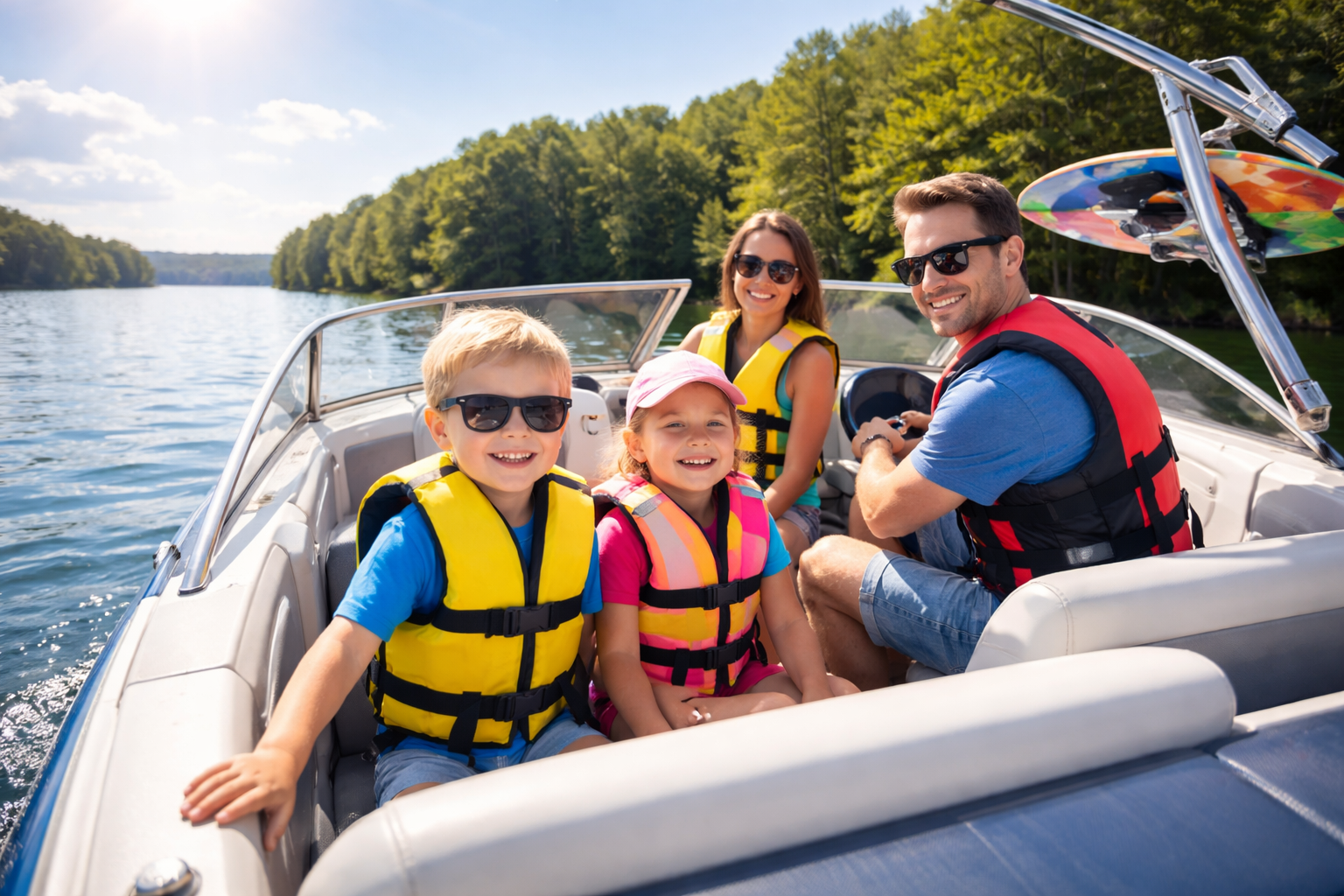
Life jacket laws in the United States vary by state, but all recreational vessels must follow federal safety regulations established by the United States Coast Guard.
Federal boating rules require boats to carry a U.S. Coast Guard–approved personal flotation device (PFD) for every person onboard. In addition to federal requirements, many states have their own life jacket laws that determine when passengers — especially children — must wear a life jacket while a boat is underway.
Understanding life jacket requirements by state helps boat owners, anglers, paddlers, and recreational boaters stay compliant with boating safety laws while reducing the risk of accidents on the water.
This guide explains life jacket laws across major U.S. boating states, including rules for children, federal boating requirements, and key differences in state regulations.
Smart tip: Boating safety organizations recommend wearing life jackets at all times, even when not legally required.
Shop life jackets and PFDs at West Marine
Quick Answer: Life Jacket Laws by State
Life jacket laws in the United States are regulated by both federal boating safety regulations and individual state laws. Federal rules from the United States Coast Guard require every recreational vessel to carry at least one U.S. Coast Guard–approved life jacket for each passenger onboard.
However, many states require children to wear life jackets while a vessel is underway. Typical life jacket requirements include:
- one wearable life jacket per passenger
- life jackets must be U.S. Coast Guard approved
- children between 10 and 16 years old must wear life jackets in many states
- boats longer than 16 feet must carry a throwable flotation device
Because boating laws vary across the country, boaters should always review life jacket laws by state before operating a vessel.
Typical Life Jacket Age Requirements by State
Although life jacket laws vary across the United States, many states follow similar age requirements for children. These regulations are designed to improve boating safety and reduce drowning risks among young passengers.
| Age Requirement | Example States |
|---|---|
| Under 10 | Ohio, Maine |
| Under 12 | New York, Massachusetts, South Carolina |
| Under 13 | California, Texas, New Jersey, Maryland, Virginia, North Carolina, Connecticut, Washington |
| Under 16 | Louisiana, Michigan |
Because regulations can vary depending on vessel size and boating activity, boaters should always review their specific life jacket requirements by state before operating a vessel.
Jump to Life Jacket Laws by State
Use the links below to jump directly to life jacket laws in major boating states.
- Florida Life Jacket Laws
- California Life Jacket Laws
- Texas Life Jacket Laws
- Washington Life Jacket Laws
- New York Life Jacket Laws
- Michigan Life Jacket Laws
- Maryland Life Jacket Laws
- Virginia Life Jacket Laws
- North Carolina Life Jacket Laws
- South Carolina Life Jacket Laws
- New Jersey Life Jacket Laws
- Massachusetts Life Jacket Laws
- Connecticut Life Jacket Laws
- Louisiana Life Jacket Laws
- Ohio Life Jacket Laws
Federal Life Jacket Requirements for Boats
Federal boating regulations require every recreational vessel to carry at least one wearable life jacket for each passenger onboard. These life jackets must be approved by the United States Coast Guard and must be properly sized for the intended wearer.
In addition, vessels 16 feet or longer must carry a throwable flotation device such as a:
- Type IV ring buoy
- throwable flotation cushion
Federal law also requires life jackets to be:
- readily accessible
- in good working condition
- appropriate for the wearer’s size
Although adults are not always required to wear life jackets under federal law, many states require children to wear personal flotation devices while the vessel is underway. Recreational boaters should also understand the different types of life jackets and personal flotation devices, including offshore, near-shore, and inflatable PFDs designed for specific boating environments.
Types of Life Jackets Recognized by Boating Laws
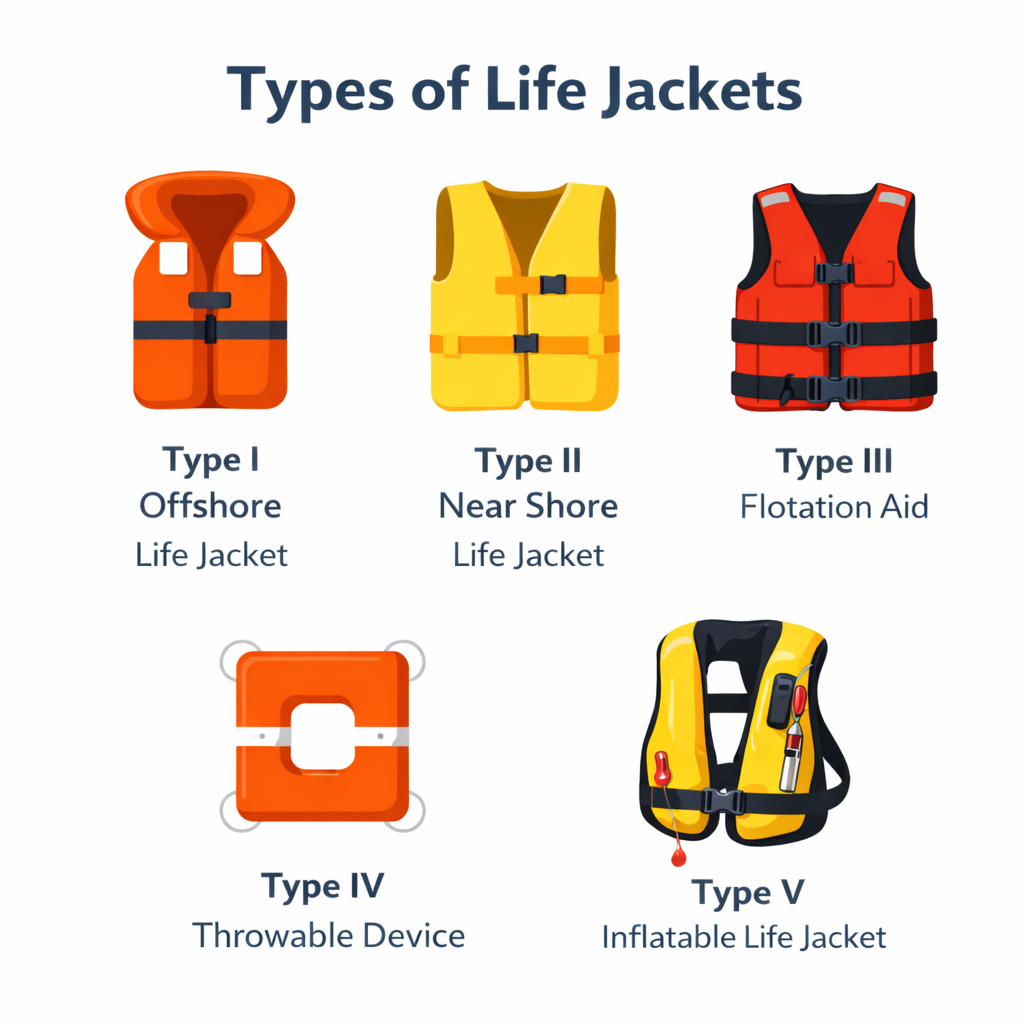
Boating safety regulations classify life jackets into several categories based on how they provide flotation and where they are intended to be used.
Shop USCG-approved life jackets at West Marine
Type I life jackets
Type I life jackets are designed for offshore use and provide the highest level of buoyancy. They are capable of turning most unconscious wearers face-up in the water and are commonly used on commercial vessels or offshore boats.
Type II life jackets
Type II life jackets are near-shore buoyant vests typically used for calm inland waters. They provide flotation but may not turn an unconscious wearer face-up as reliably as Type I jackets.
Type III life jackets
Type III life jackets are commonly used for recreational boating activities such as fishing, kayaking, and sailing. They are designed for comfort and mobility, making them one of the most popular life jacket types.
Type IV throwable devices
Type IV flotation devices include ring buoys and throwable cushions. These devices are not worn but can be thrown to someone who has fallen overboard.
Type V special-use life jackets
Type V life jackets include specialized devices such as inflatable life jackets and hybrid flotation devices. Many Type V PFDs must be worn to count toward legal carriage requirements.
Compare inflatable vs. foam life jackets at West Marine
Life Jacket Laws by State (Quick Comparison)
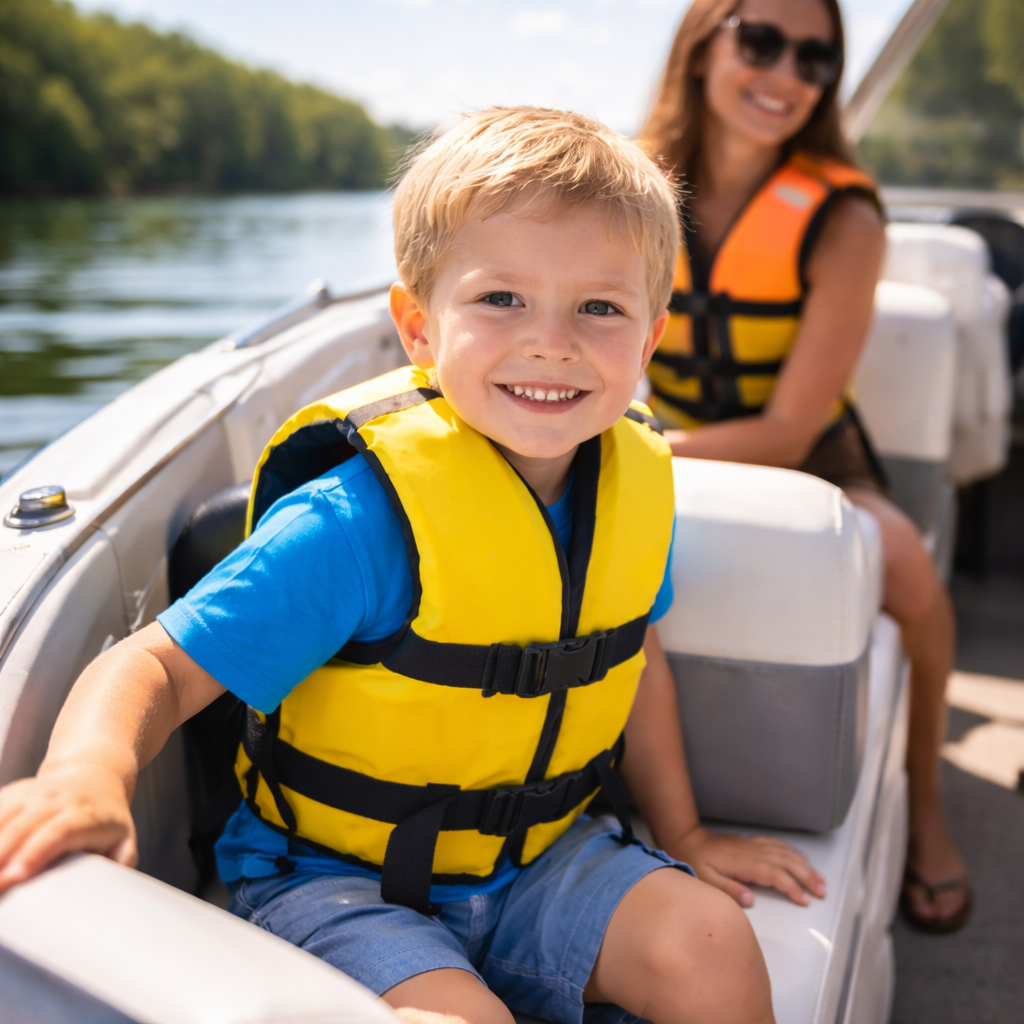
Although most states follow similar safety guidelines, age requirements for wearing life jackets vary widely. Some states require life jackets for children under 10, while others require them up to age 16 depending on vessel size and boating activity.
| State | Children Required to Wear | Key Rule |
|---|---|---|
| Florida | Under 6 | Must wear on vessels under 26 ft |
| California | Under 13 | Must wear while underway |
| Texas | Under 13 | Required while vessel underway |
| Washington | Under 13 | Must wear on boats under 19 ft |
| New York | Under 12 | Must wear on vessels under 21 ft |
| Michigan | Under 16 | Must wear on vessels under 26 ft |
| Maryland | Under 13 | Must wear underway |
| Virginia | Under 13 | Must wear underway |
| North Carolina | Under 13 | Must wear underway |
| South Carolina | Under 12 | Required on boats under 16 ft |
| New Jersey | Under 13 | Must wear underway |
| Massachusetts | Under 12 | Must wear underway |
| Connecticut | Under 13 | Must wear underway |
| Louisiana | Under 16 | Must wear underway on vessels under 26 ft |
| Ohio | Under 10 | Must wear on vessels under 18 ft |
Florida Life Jacket Laws
Florida requires every vessel to carry at least one wearable life jacket for each passenger onboard.
Children under 6 years old must wear a life jacket while on a recreational vessel less than 26 feet in length that is underway.
Life jackets must also be worn when:
- operating a personal watercraft
- participating in watersports such as waterskiing or tubing
All life jackets must be approved by the United States Coast Guard.
California Life Jacket Laws
California requires every recreational vessel to carry a wearable life jacket for each passenger onboard.
Children under 13 years old must wear a life jacket while the vessel is underway.
Life jackets must be U.S. Coast Guard approved, properly sized, and in serviceable condition.
Texas Life Jacket Laws
Texas law requires vessels to carry at least one wearable personal flotation device for every passenger onboard.
Children under 13 years old must wear a life jacket while the vessel is underway unless they are inside an enclosed cabin.
Boats 16 feet or longer must also carry a throwable flotation device.
Washington Life Jacket Laws
Washington boating law requires vessels to carry a wearable life jacket for each passenger onboard.
Children 12 years old and younger must wear a life jacket while aboard vessels under 19 feet in length that are underway.
Life jackets must be approved by the United States Coast Guard, properly sized for the wearer, and readily accessible in case of emergency.
New York Life Jacket Laws
New York requires vessels to carry a wearable life jacket for each passenger onboard.
Children under 12 years old must wear life jackets while aboard vessels less than 21 feet in length that are underway.
New York also requires life jackets during the cold weather boating season for paddlers on small vessels such as kayaks and canoes.
Michigan Life Jacket Laws
Michigan requires every vessel to carry a wearable life jacket for each passenger onboard.
Children under 16 years old must wear a life jacket while on vessels under 26 feet in length that are underway.
Maryland Life Jacket Laws
Maryland law requires every vessel to carry a wearable life jacket for each passenger.
Children under 13 years old must wear a life jacket while the vessel is underway.
Virginia Life Jacket Laws
Virginia requires vessels to carry one wearable life jacket for each passenger onboard.
Children 13 years old and younger must wear a life jacket while on the open deck of a vessel underway.
North Carolina Life Jacket Laws
North Carolina requires vessels to carry a wearable life jacket for every passenger onboard.
Children under 13 years old must wear a life jacket while the vessel is underway.
South Carolina Life Jacket Laws
South Carolina boating law requires vessels to carry a wearable life jacket for each passenger onboard.
Children under 12 years old must wear a life jacket while aboard vessels less than 16 feet in length that are underway.
Life jackets must also be worn when operating or riding on a personal watercraft.
New Jersey Life Jacket Laws
New Jersey requires vessels to carry a wearable life jacket for each passenger onboard.
Children under 13 years old must wear a life jacket while the vessel is underway.
Massachusetts Life Jacket Laws
Massachusetts requires vessels to carry one wearable life jacket for each passenger.
Children under 12 years old must wear life jackets while aboard vessels underway.
Connecticut Life Jacket Laws
Connecticut requires vessels to carry a wearable life jacket for every passenger onboard.
Children under 13 years old must wear life jackets while aboard vessels underway.
Louisiana Life Jacket Laws
Louisiana requires vessels to carry a wearable life jacket for each passenger onboard.
Children 16 years old and younger must wear life jackets while aboard vessels less than 26 feet in length that are underway.
Life jackets must be approved by the United States Coast Guard and properly sized for the intended wearer.
Ohio Life Jacket Laws
Ohio requires vessels to carry one wearable life jacket for each passenger onboard.
Children under 10 years old must wear life jackets while aboard vessels less than 18 feet long.
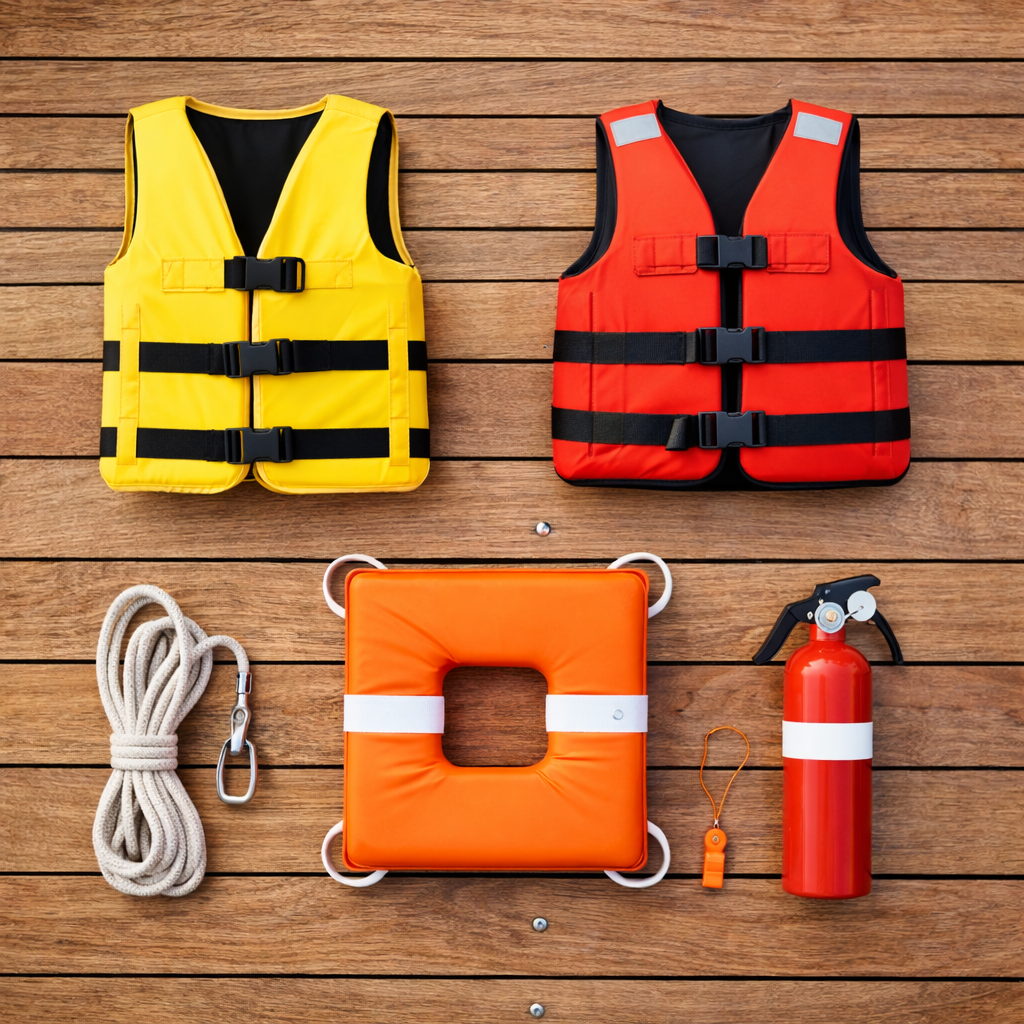
When Must Life Jackets Be Worn?
Life jacket laws vary by state, but many situations require passengers to wear personal flotation devices. Life jackets are often required when:
- children are onboard a vessel underway
- operating a personal watercraft
- participating in watersports
- boating in hazardous water conditions
Even when not legally required, safety experts strongly recommend wearing life jackets at all times while boating.
Do Adults Have to Wear Life Jackets?
In most states, adults are not required to wear life jackets while boating. However, federal boating safety regulations require that a properly sized life jacket be available for every passenger on the vessel.
Some boating situations require life jackets to be worn regardless of age, including operating personal watercraft, participating in watersports such as waterskiing or tubing, or boating in hazardous water conditions.
Even when not legally required, boating safety organizations strongly recommend wearing life jackets at all times while on the water.
Penalties for Violating Life Jacket Laws
Failing to comply with life jacket laws can result in boating citations, fines, or other penalties depending on the state.
Boating law enforcement officers may stop vessels to inspect safety equipment and ensure that enough approved life jackets are onboard. Violations may occur if passengers do not have properly sized life jackets available or if children who are required to wear life jackets are not doing so.
Penalties vary by state but may include monetary fines or boating safety violations. More importantly, failing to follow life jacket laws increases the risk of serious injury or drowning during boating accidents.
Summary of U.S. Life Jacket Laws
In the United States, boating safety regulations require vessels to carry U.S. Coast Guard–approved life jackets for every passenger onboard. Although adults are not always required to wear life jackets, most states require children to wear a personal flotation device while the vessel is underway.
State life jacket laws often vary depending on the age of the passenger, vessel length, whether the vessel is underway, and participation in watersports. These laws are designed to reduce drowning risks and improve boating safety across the country.
Because boating regulations can change over time, boaters should always review current USCG boating safety requirements and their state’s boating agency before heading out on the water.
In addition to carrying life jackets, boat owners should also review a boating safety equipment checklist to ensure their vessel meets all required safety standards.
Shop life jackets and PFDs at West Marine
FAQs About Life Jacket Laws
Are life jackets required by law on boats in the United States?
Yes. Federal boating regulations require every recreational vessel to carry at least one wearable life jacket for each passenger onboard. These life jackets must be approved by the United States Coast Guard and must be the correct size for the intended wearer. While adults are not always required to wear life jackets, most states enforce additional rules that require children to wear personal flotation devices while the vessel is underway.
Do adults have to wear life jackets while boating?
In most states, adults are not legally required to wear life jackets while on recreational boats. However, federal law requires that a properly sized life jacket be available for every passenger on the vessel. Many boating safety experts strongly recommend wearing a life jacket at all times, especially in rough water conditions or when boating offshore. Wearing a life jacket significantly reduces the risk of drowning during boating accidents.
What age requires a life jacket on a boat?
Life jacket age requirements vary by state, but most states require children between 10 and 13 years old to wear a life jacket while a boat is underway. Some states have stricter rules that apply to younger children or to certain vessel sizes. These regulations are designed to improve boating safety for young passengers who may not be strong swimmers. Boaters should always check their state’s boating laws before heading onto the water.
Are inflatable life jackets legal?
Yes, inflatable life jackets are legal in many boating situations as long as they are approved by the United States Coast Guard. Inflatable personal flotation devices must be worn to count toward legal carriage requirements on some vessels. They also require proper maintenance, including inspecting the CO₂ cartridge and inflation system. Inflatable life jackets are typically recommended for adults and experienced boaters.
Do kayakers and paddleboarders need life jackets?
Yes. In most states, kayaks, canoes, and paddleboards are considered recreational vessels under boating laws. This means they must carry at least one U.S. Coast Guard–approved life jacket for each person onboard. Some states also require life jackets to be worn during certain seasons, such as cold weather months when water temperatures are lower. Wearing a life jacket while paddling is strongly recommended for safety.
Are life jackets required on jet skis and personal watercraft?
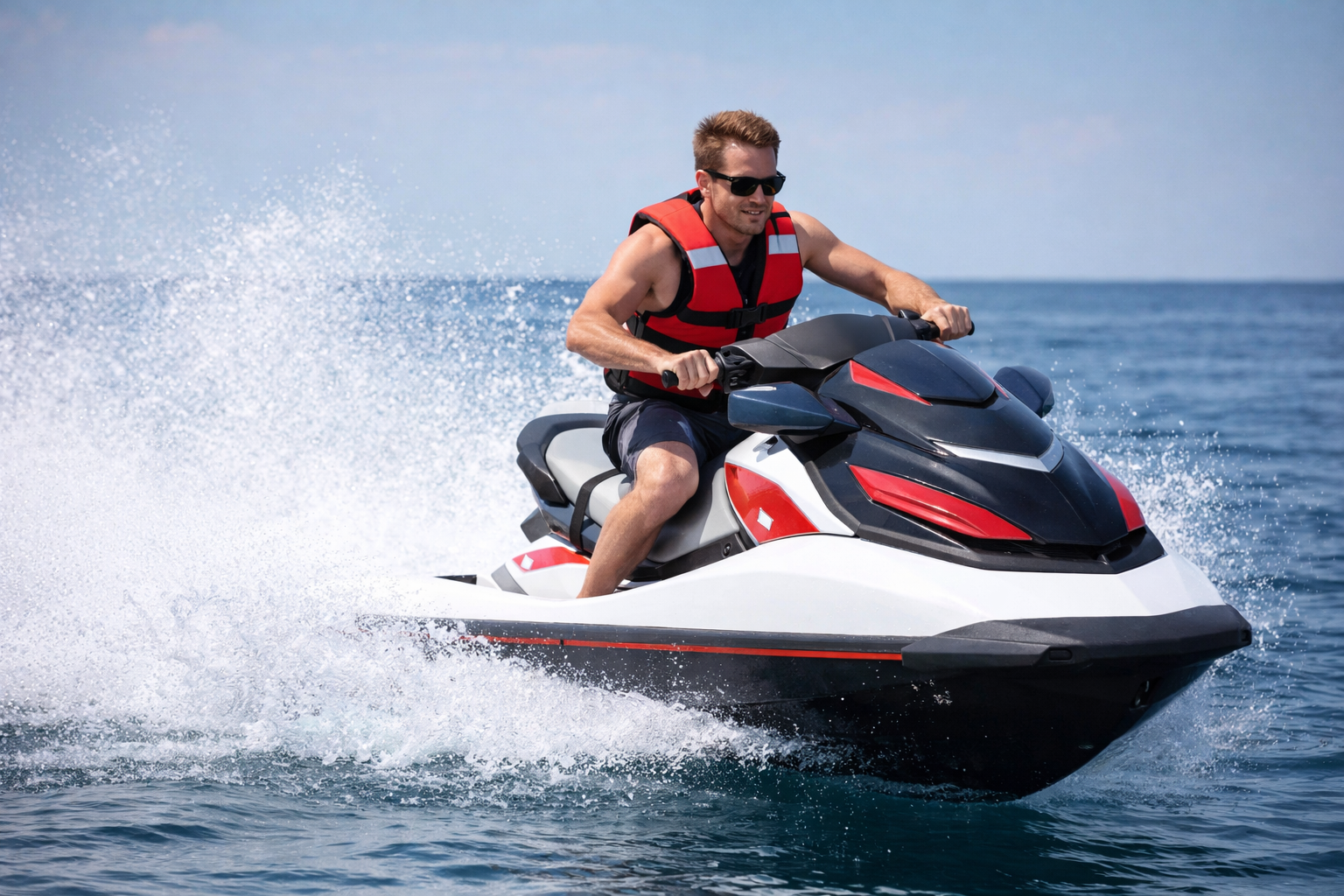
Yes. Most states require anyone operating or riding on a personal watercraft to wear a life jacket at all times. Personal watercraft can reach high speeds and are often used in open water conditions where falling overboard is possible. Because of this risk, life jackets are typically mandatory for both operators and passengers. The life jacket must also be approved by the U.S. Coast Guard.
What happens if you don’t follow life jacket laws?
Failing to comply with life jacket laws can result in boating citations or fines depending on the state. Law enforcement officers may stop vessels to inspect safety equipment and verify that enough approved life jackets are onboard. Penalties may increase if children who are legally required to wear life jackets are not properly equipped. More importantly, not following these laws increases the risk of serious injury or drowning during boating accidents.
How many life jackets are required on a boat?
Boating safety regulations require vessels to carry one wearable life jacket for each passenger onboard. These life jackets must be easily accessible and properly sized for each person on the boat. Vessels that are 16 feet or longer must also carry a throwable flotation device such as a ring buoy or flotation cushion. Keeping the correct number of life jackets onboard is one of the most important boating safety requirements.
Where can boaters check official life jacket laws?
Boaters can review official boating regulations through their state boating agency or through national boating safety organizations. The United States Coast Guard provides federal safety requirements, while individual states enforce additional rules for life jacket use. Because boating regulations can change over time, it is important to verify current requirements before heading out on the water.