
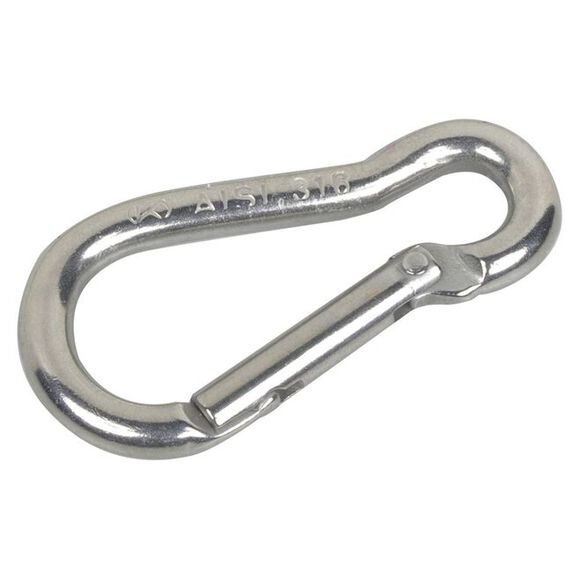
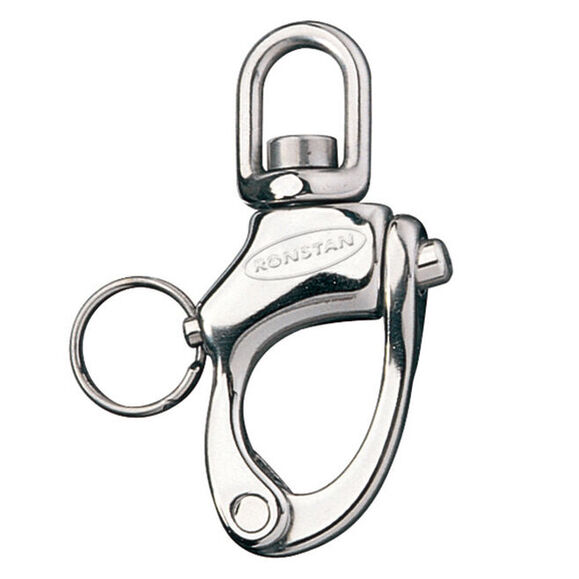
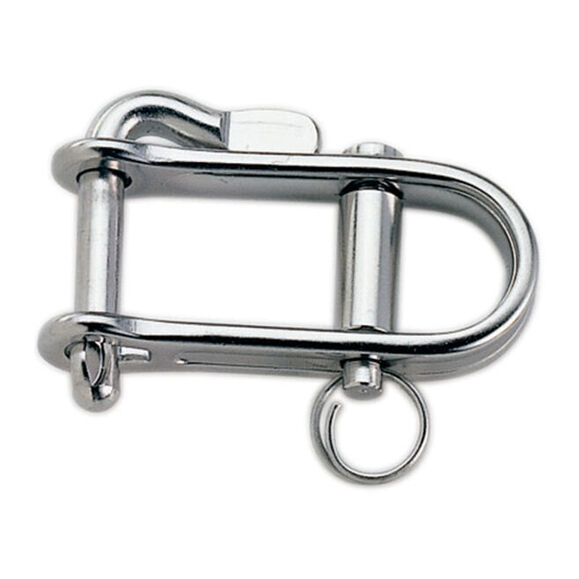
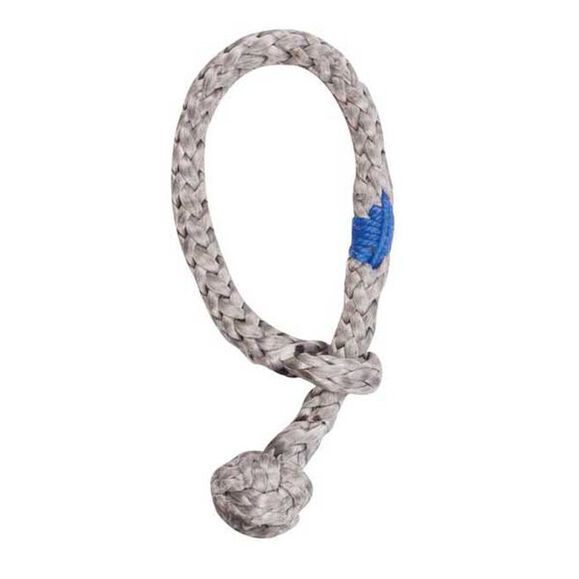
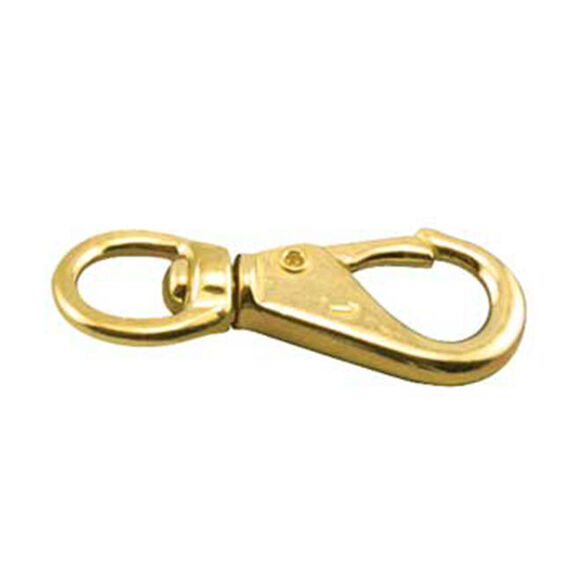
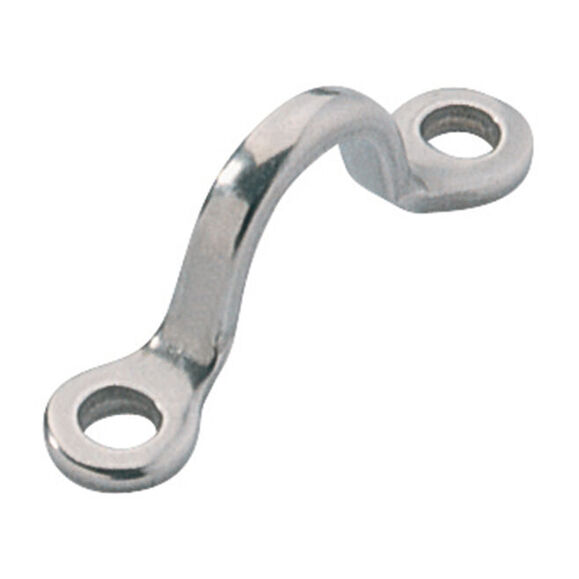
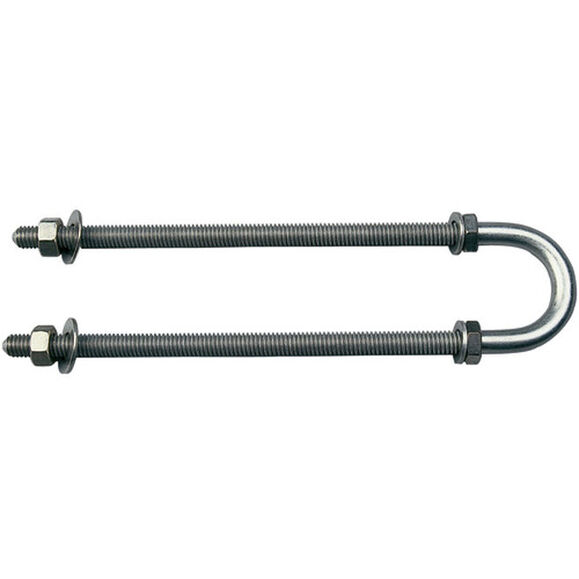
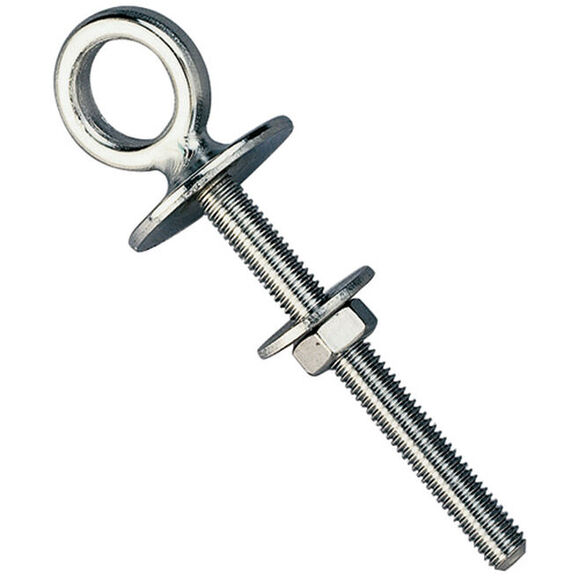


Online and in West Marine stores, you will find a broad selection of sailboat hardware, including a large selection of shackles, snap hooks and carabiners. Shackles are used on sailboats for a wide variety of purposes, including securement of topping lifts, halyards, blocks and many other applications. Examples of sailboat shackles include snap shackles, headboard shackles, D shackles, long D shackles, bow shackles, twisted shackles and soft shackles. Carabiners and snap hooks serve a variety of purposes including attachment of topping lifts, jack lines, tethers and lifting harnesses. As your best source for sailboat hardware, West Marine offers sailing’s most respected brands, including Harken, Ronstan, Suncor, Schaefer, Wichard, Forespar and more. When selecting a shackle, snap hook or carabiner, be sure not to exceed its SWL—short for safe working load.
Sailing Shackles, Snaps, and Fittings FAQ
Sailing shackles come in several types, including bow, D-shackles, and snap shackles, each designed for specific load capacities and rigging needs. Choose based on load requirements and whether quick-release options are necessary for your application.
Look for shackles and fittings made from high-quality stainless steel or other corrosion-resistant materials. These materials withstand harsh marine environments, ensuring safety and longevity for your equipment.
Snap shackles allow for quick release and are invaluable in emergency situations or quick maneuvers. High-quality snap shackles provide reliability and ease of use, making them ideal for mainsheet systems, halyards, and more.
It’s best to inspect shackles, snaps, and fittings before every major outing, looking for signs of rust, bending, or other damage. Regular checks help prevent equipment failure and maintain safety.
A bow shackle has a rounded shape that accommodates multiple lines, ideal for heavy loads or multidirectional pull. D-shackles have a narrower profile, best for straight-line loads and restricted space.
Yes, stainless steel propellers can typically be repaired, though the extent depends on the damage. Professional repair services can often restore the propeller, saving costs compared to full replacement.