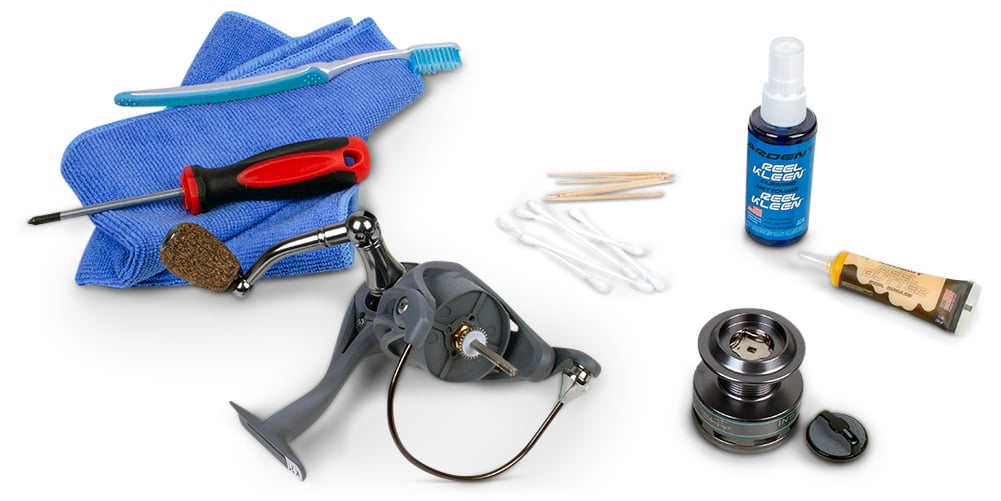
The last thing any angler wants is to lose a fish because their spinning reel seized up, became rough under load or failed during a critical moment. Fortunately, most spinning reel problems can be prevented with regular cleaning, proper lubrication and basic preventative maintenance. A well-maintained spinning reel casts farther, retrieves smoother, protects line better and lasts significantly longer than a neglected reel exposed to salt, sand and moisture.
Modern spinning reels are designed with tighter tolerances, advanced bearings and lightweight corrosion-resistant materials, but even the best reels still require routine care. Saltwater exposure, fine sand, dried fish slime, old grease and corrosion buildup can slowly reduce performance over time if maintenance is ignored.
Fortunately, basic reel maintenance is straightforward and does not require advanced mechanical experience. With a few simple tools, proper reel lubricants and a clean work area, anglers can keep their spinning reels operating smoothly season after season.
Here is our expanded step-by-step guide to cleaning, lubricating and protecting your spinning reels so they continue performing like new. :contentReference[oaicite:0]{index=0}
- Materials Needed
- Why Reel Maintenance Matters
- Step-by-Step Reel Cleaning Guide
- Tips
- Common Spinning Reel Problems
- How Often Should You Clean a Spinning Reel?
- Conclusion
- We're here to help!
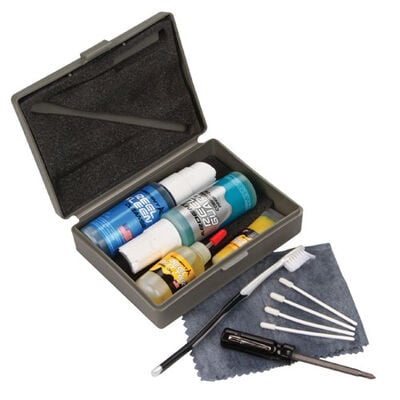
Ardent's Reel Kleen® Reel Cleaning Kit contains everything required for easy, regular cleaning of any make or model fishing reel. All contained in a convenient, easy-to-store, durable plastic case.
Materials Needed
- Warm water
- Microfiber towels
- Toothbrush or other small brush
- Several toothpicks
- Pieces of clean cotton T-shirt or cotton swabs
- Reel degreaser
- Reel oil and reel grease
- Screwdriver (flathead or Phillips)
- Cellophane tape or masking tape
- Protective reel cover or storage bag
Using lubricants specifically designed for fishing reels is important because automotive or household lubricants may damage plastics, attract excessive dirt or break down too quickly in marine environments.
Why Reel Maintenance Matters
Spinning reels contain gears, bearings, drag washers and moving assemblies that operate under pressure while exposed to water, salt and debris. Over time, contamination builds up and lubrication breaks down, increasing friction and wear.
Regular cleaning removes corrosive salt deposits, grit and old lubricant before they damage internal components. Proper lubrication reduces friction, protects against corrosion and maintains smooth operation under load.
Routine maintenance also helps anglers detect loose screws, worn line rollers, damaged bail springs and drag issues before they become major failures on the water.
Saltwater vs. Freshwater Reel Maintenance
Saltwater reels require significantly more frequent cleaning because salt accelerates corrosion and traps moisture inside moving components. Even reels labeled as “saltwater resistant” still need routine maintenance after use.
Freshwater reels typically require less aggressive cleaning schedules, but dirt, sand and moisture can still cause wear over time if neglected.
Step-by-Step Reel Cleaning Guide
Step 1—Get ready: Lay out your cleaning supplies and tools in a clean, dry, well-lit area. Organizing parts carefully helps prevent losing small screws, washers or drag components during the process.
Step 2—Secure the line to the spool: Wrap a piece of cellophane tape or masking tape around the spool to keep the line in place while you work on your reel.
Step 3—Remove surface dirt and debris: Wipe down the entire exterior of the reel with a soft cotton rag or microfiber towel moistened with warm water.
Do not blast the reel directly with a high-pressure hose. High-pressure water can force salt and contaminants deeper into bearings and internal components.
Step 4—Remove the drag knob: Remove the drag adjustment knob by turning it counterclockwise. After it comes loose, remove it and set it aside carefully.
Step 5—Remove the spool: Slide the spool off the main shaft and set it aside.
Step 6—Clean the drag adjustment knob and spool: Moisten a soft cotton rag with reel degreaser, then wipe the underside of the drag adjustment knob and both sides of the spool. Use cotton swabs for tight areas and crevices.
Step 7—Degrease the inside of the rotor: With the same rag moistened with degreaser, wipe the inside of the rotor and use cotton swabs to reach smaller areas.

Penn's Precision Grease and Synthetic Oil are compatible with all metals and plastics and will not harm fishing line.
Step 8—Oil the drag adjustment knob, line spool and shaft: Add a single drop of oil to the underside of the spool, one drop to the shaft and one drop to the underside of the drag adjustment knob.
Step 9—Grease the shaft gear: Apply a small amount of reel grease to the shaft main gear and use a toothpick to spread grease evenly around the gear teeth.
Using too much grease is one of the most common reel maintenance mistakes. Excess grease attracts dirt, traps contaminants and can reduce reel performance.
Step 10—Replace the spool onto the shaft: Slide the spool back onto the shaft, then screw the drag adjustment knob back onto the shaft to secure the spool.
Step 11—Oil the line roller: Inspect the line roller for dirt and debris and clean it if necessary using a cotton swab or small brush. Apply a single drop of oil.
The line roller is one of the most overlooked reel maintenance points, yet it experiences constant friction during retrieves and fights.
Step 12—Clean and oil the bail connection points: Inspect the bail hinges and connection points for debris and corrosion. Clean thoroughly and apply one drop of oil to each connection point.
Step 13—Oil the handle: Apply a drop of oil where the handle knob meets the handle and where the handle connects to the reel body.
Step 14—Final inspection: Turn the handle and verify the reel operates smoothly with consistent rotation and proper bail function.
Step 15—Tighten down: Using a screwdriver, carefully verify all visible screws remain snug. Avoid over-tightening.
Step 16—Wipe down and store: Give the reel one final wipe with a clean microfiber cloth to remove excess oil or grease. Store the reel in a cool, dry location inside a reel cover or protective bag.
How to Protect Reels During Storage
Long-term storage conditions matter almost as much as cleaning itself. Avoid storing reels in damp compartments, exposed garages or sealed areas where moisture becomes trapped.
Loosening the drag during storage also helps reduce pressure on drag washers and prolongs drag performance over time.
Tips
- Clean reels regularly: Saltwater reels should be cleaned after every trip whenever possible.
- Use reel-specific lubricants: Proper reel grease and oil are formulated for fishing environments.
- Use lubrication sparingly: Excess grease and oil attract dirt and grit.
- Protect your reel during transport: Reel covers help reduce scratches and contamination.
- Inspect line rollers frequently: Worn or seized line rollers can damage fishing line quickly.
- Loosen drag before storage: This reduces stress on drag washers.
- Do not submerge reels: Even sealed reels are not designed for prolonged submersion.
Common Spinning Reel Problems
Rough Retrieve
Roughness during retrieve is often caused by contaminated bearings, dried grease, corrosion or worn gears.
Bail Won’t Trip Properly
A sticky or weak bail usually indicates dirt buildup, corrosion or worn springs at the bail connection points.
Line Twist
Improper spooling, damaged line rollers or excessive spinning lure use can contribute to line twist problems.
Drag Hesitation
Jerky drag performance is often caused by contaminated or worn drag washers that require cleaning or replacement.
How Often Should You Clean a Spinning Reel?
For saltwater anglers, basic exterior cleaning after every trip is ideal. More thorough lubrication and internal inspection should occur periodically depending on usage frequency.
Freshwater anglers can usually perform deep maintenance less often, although heavily used reels still benefit from regular lubrication and inspection.
Any reel exposed to surf, sand, rain or accidental submersion should be cleaned immediately.
Conclusion
Proper spinning reel maintenance improves casting performance, smoothness, drag consistency and long-term durability. By cleaning and lubricating your reels regularly, you can reduce corrosion, prevent expensive repairs and keep your gear ready for the next trip.
Even basic preventative maintenance dramatically extends reel life and helps avoid frustrating equipment failures on the water.
We’re Here to Help!
West Marine is the perfect place to get ready for your next fishing trip. From the latest in fishing reels, to free line spooling and locally assorted tackle in most of our stores, we have the expertise you need to get ready. Use our store locator to find a store near you.
Related: