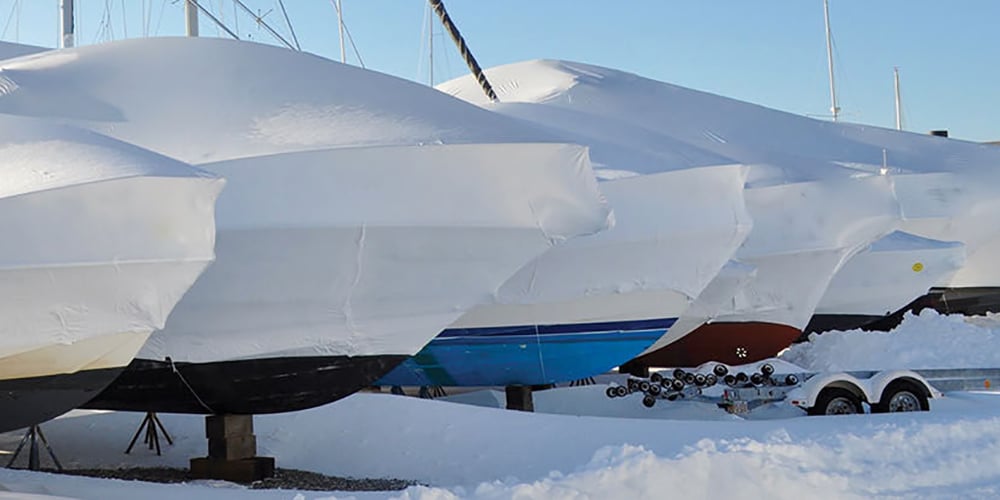
Winter is coming, and if you live in a region where temperatures drop, it’s time to winterize your boat. Even if you’re lucky enough to boat year-round in places like South Florida, where winter is more of a rumor than a reality, proper storage is essential to keep your boat in prime condition. If you keep your boat in a hard freeze zone like Chicago or New Jersey, the need to winterize your boat is a given. And for those in regions with unpredictable cold snaps — such as the Carolinas, Chesapeake Bay, or Northern California — winterizing is the best way to avoid costly damage and ensure a hassle-free return to the water in the spring.
This article is a general introduction to the products used and the practices employed in the winterization process.
- The Risks of Not Winterizing
- Antifreeze: Your Ally Against Jack Frost
- Virgin Antifreeze is Best
- Selecting Antifreeze Based on Value
- Typical Winterizing Tasks
- Winterizing FAQs
- Related Articles
The Risks of Not Winterizing
Left unprotected, cold temperatures can cause water in the engine, the freshwater tank, sanitation, or other systems to freeze, which can cause expensive damage to system components and connections. In addition, prolonged inactivity can allow fuel to degrade and can contribute to corrosion and other problems. In addition, inactivity can cause the engine’s internal surfaces to rust.
Here are some of the maladies that can befall an unprotected boat during storage:
- Corrosion can occur on internal engine surfaces during storage when protective oil films are absent and moisture is present. Fogging oils help prevent corrosion by forming a protective shield on internal engine components such as pistons, rings, and cylinder walls. These additives are applied to the engine according to the manufacturer's storage procedure. Fresh engine oil helps protect internal engine components during storage, while fogging oil may provide additional corrosion protection to internal surfaces. Follow the engine manufacturer's storage recommendations for the appropriate procedure and products.
- Varnish and gum can form in fuel when it is left in fuel systems for long periods of time. Fuel stabilizers can help keep gum and varnish from forming. These additives are poured into the fuel tank prior to storage.
- Freeze damage can occur anywhere in the engine cooling system or potable water system. Because it is difficult to make each system completely clean and dry, antifreeze may be used to protect against freezing water that remains in the system. Depending on the system, it may be drained, treated with antifreeze, or both. By pumping antifreeze through a water system in the fall, boaters can keep the hoses, pumps, tanks, and other plumbing from freezing in the winter.
Antifreeze: Your Ally Against Jack Frost
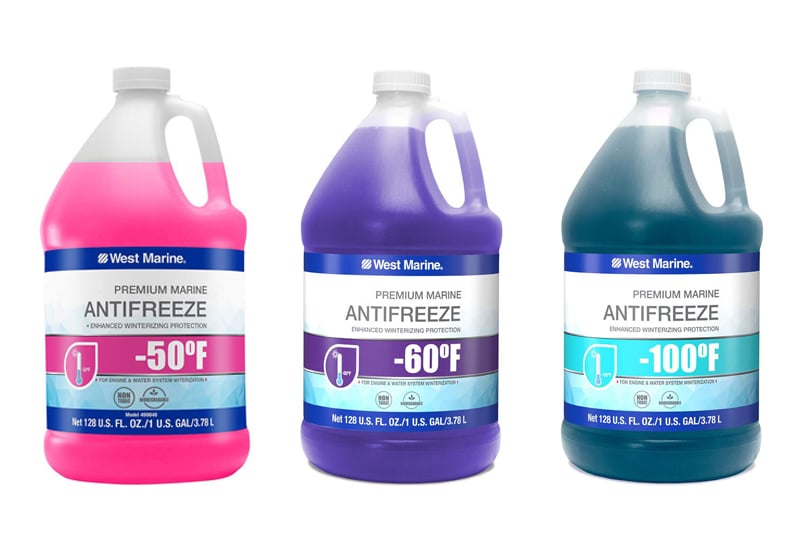
Antifreeze is an additive which, when added to water, lowers the freezing point of the water molecules. Marine antifreeze products commonly use propylene glycol (PG), while engine coolants may use ethylene glycol or other specified formulations. Ethylene glycol makes a good antifreeze/coolant but is highly toxic, which makes it dangerous to pets and wildlife and makes disposal problematic. Propylene glycol has relatively low toxicity and is biodegradable, which makes it the preferred base for many marine antifreeze products, including products formulated for potable-water systems. PG can provide effective freeze protection when used at the proper concentration and according to the product's instructions.
Marine antifreeze products are formulated for different applications, including potable-water systems, engine raw-water systems, and engine cooling systems. The formulations and additives vary according to the intended application.
Engine system antifreeze/coolant should never be used in potable water systems, due to the potential presence of toxic ingredients.
Virgin Antifreeze is Best
Propylene glycol used in antifreeze products may be virgin or recycled. For potable-water systems, use a product specifically formulated and labeled for that application and follow the manufacturer's recommendations. While virgin PG products cost more, they are worth it — especially if they are to be used to winterize drinking water systems.
Selecting Antifreeze Based on Value
The concentration of PG is an important factor in the cost and performance of marine antifreeze, but products can differ in formulation, intended application, and temperature ratings. PG levels vary among products, so compare products based on their recommended dilution and stated freeze- or burst-protection rating. Products with the same advertised temperature rating may have different concentrations and application instructions. Some products are ready to use, while others are designed to be diluted. Always follow the manufacturer's recommended dilution and use the stated freeze- or burst-protection rating when selecting an antifreeze. In other words, you need to know the recommended dilution of the product to reach a desired level of protection, as well as the price, to make a value comparison.
Typical Winterizing Tasks
The following tasks are typical to what boat owners do to winterize a boat. The actual tasks required will vary according to how your boat is equipped. We suggest you create a winterization checklist based on your boat’s owner’s manual. For specific step-by-step procedures, see the related articles at the end of this page.
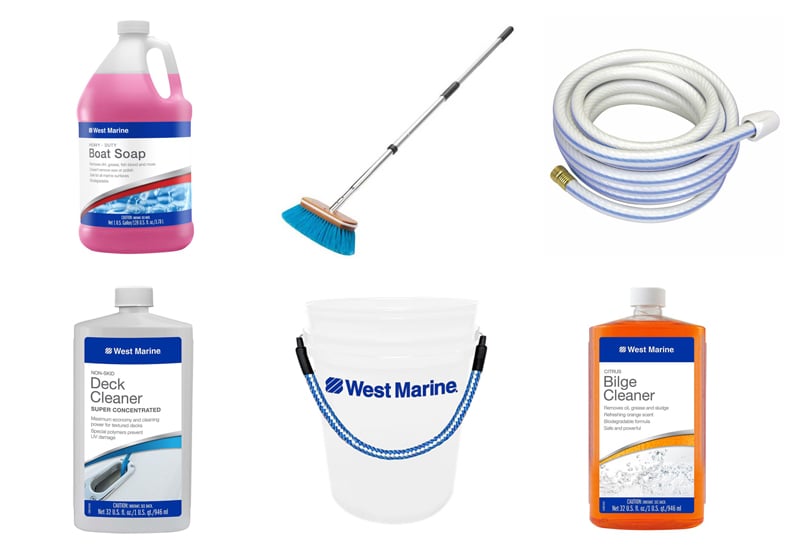
Start with a Clean Boat: A clean boat will fare better during periods of inactivity and reduce the prep work required when it’s time to use it again. Thoroughly clean and wax the hull, deck, and all hardware and trim. Check fiberglass and gelcoat for damage and make necessary repairs. Clean windshields and any fabrics such as canvas covers, Isinglass, and Bimini tops. Dry canvas completely before storing it neatly, preferably indoors.
Flush Your Engine’s Cooling System: Flush and winterize your engine's cooling system according to the manufacturer's instructions. Depending on the engine and cooling-system design, winterization may involve draining the system, circulating antifreeze through the raw-water side, or both. West Marine offers a number of Antifreeze Winterization Kits to make this process easy, including our Engine Winterizing Kit and Camco’s Inboard/Outboard Winterizing Kit.
Protect Potable Water, Sanitation, and AC Systems: If left unprotected, all of these systems can suffer freeze damage. Drain these systems and protect them with PG antifreeze as specified by the manufacturer.
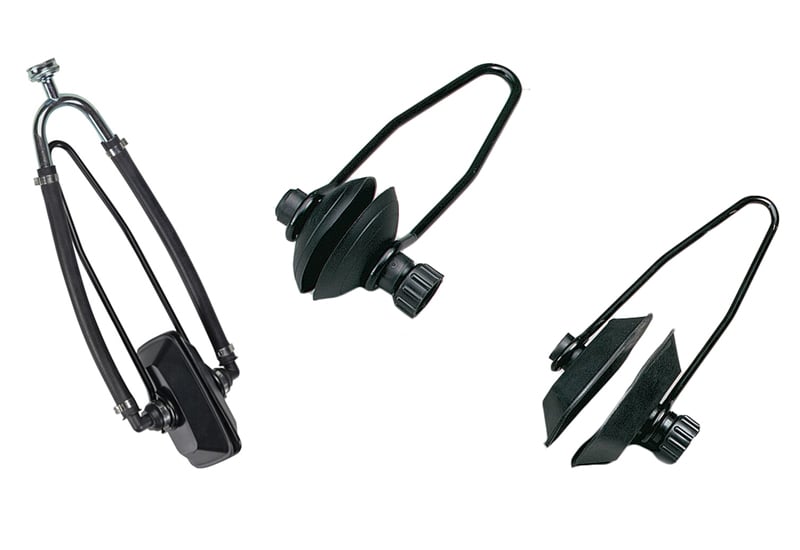
Install a Water Heater Bypass Kit: If your boat has a water heater, installing a water heater bypass kit gives you the ability to isolate the water heater from the rest of the freshwater system so it can be drained separately, reducing the amount of antifreeze needed to winterize the system.
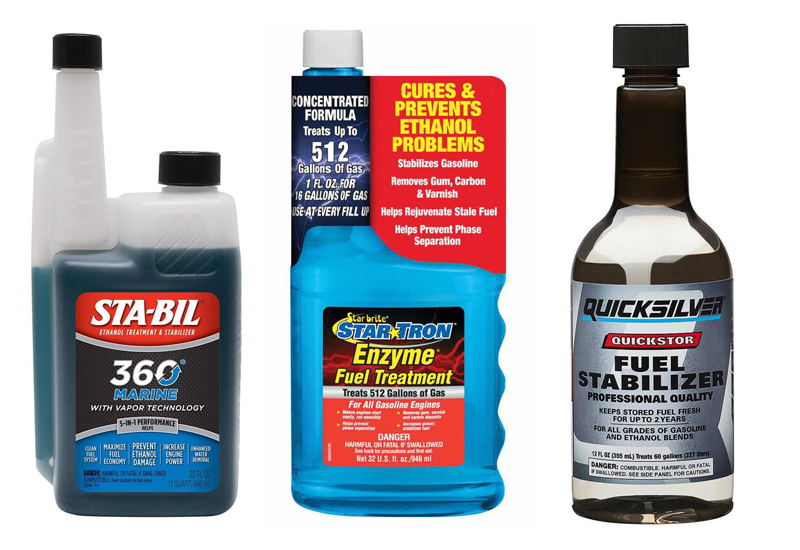
Treat the Fuel System: Fill the fuel tank with fresh fuel, leaving appropriate room for expansion, and treat the fuel with a marine fuel stabilizer according to the manufacturer's instructions. Inspect the fuel filter and replace it if required by the manufacturer or if it shows signs of contamination. After adding the stabilizer, run the engine for a few minutes to circulate the treated fuel through the system.
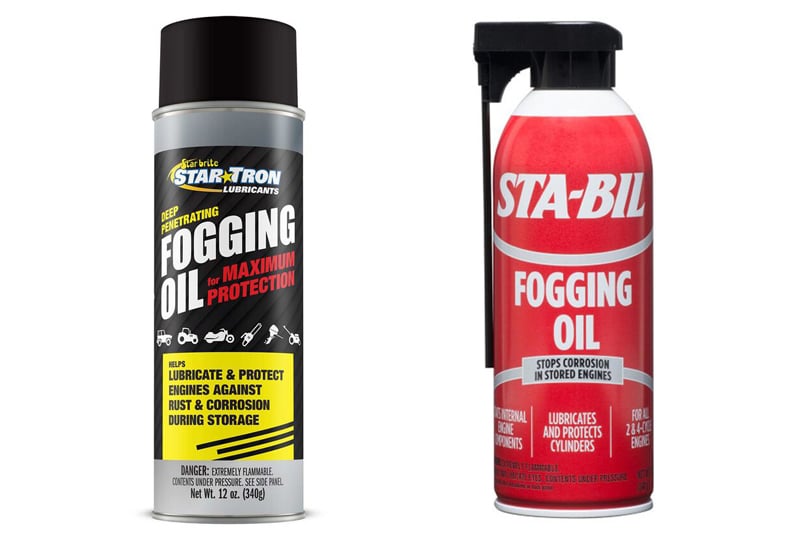
Fog Your Engine: To help prevent rust and corrosion during storage, follow your engine manufacturer's procedure for protecting internal components. Depending on the engine, this may involve applying fogging oil through the intake or directly into the cylinders, or using another manufacturer-specified storage procedure. Fogging oil forms a protective barrier that helps protect internal engine surfaces from corrosion.
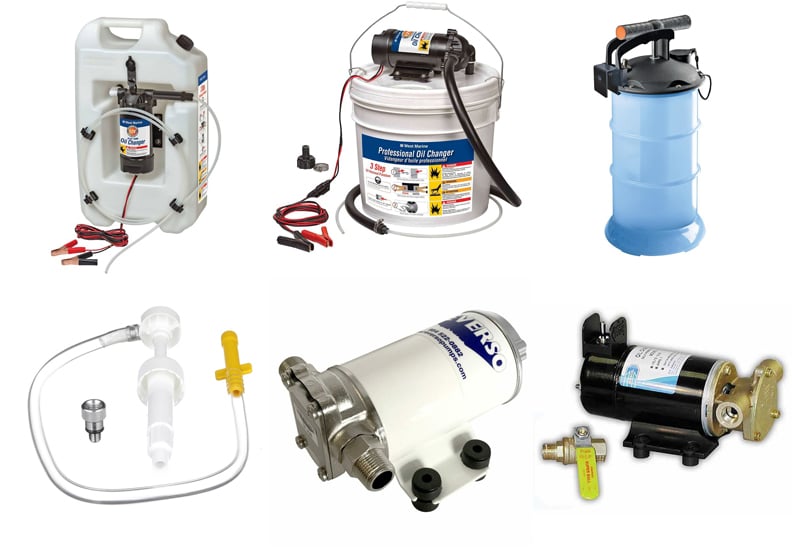
Change the Engine Oil and Gear Lube: Change the oil and filter in inboard engines and four-stroke outboards. Run your engine up to normal operating temperature first, since warm oil drains more completely. Drain and refill the outdrive gear case or outboard lower unit according to the manufacturer's recommended service interval. Water contamination in the gear lubricant can freeze and expand during storage, potentially damaging the gearcase. Look for signs of water intrusion in the gear oil — a milky appearance indicates water contamination that should be investigated and corrected before spring.
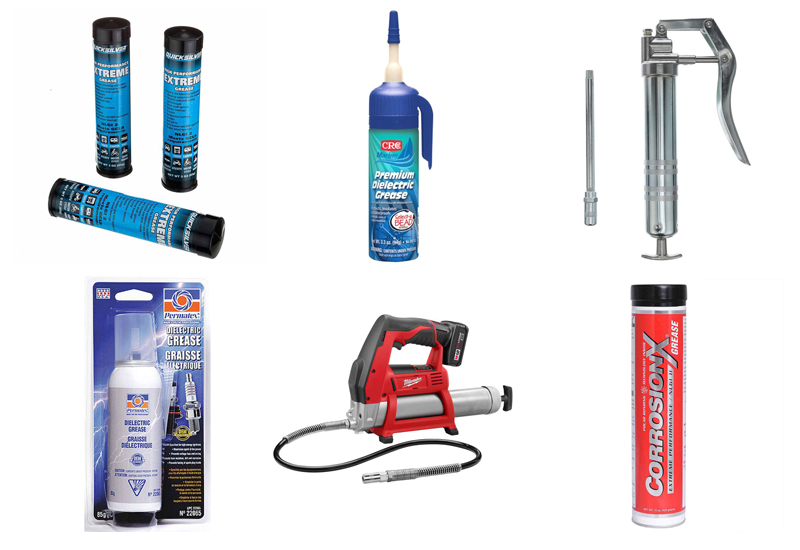
Lubricate Bearings, Fittings, and Hardware: Lubricate all fittings on the sterndrive, steering system, and engine trim mechanism. Use a moisture-displacing lubricant on hinges, latches, and appropriate metal parts. Inspect and grease wheel bearings on trailer boats. Lubricate the propeller shaft or propeller-shaft splines as specified by the engine or drive manufacturer's maintenance instructions.
Thoroughly Inspect Your Boat: Take the opportunity to inspect potential problem areas. Look for signs of corrosion, wear, and rough operation in steering and control systems. Inspect fuel lines, hoses, and wiring for any damage or leaks. Tighten hose clamps and check engine belts for wear. Replace parts showing excessive wear or corrosion. Inspect sacrificial zinc anodes and replace them when they are sufficiently deteriorated.
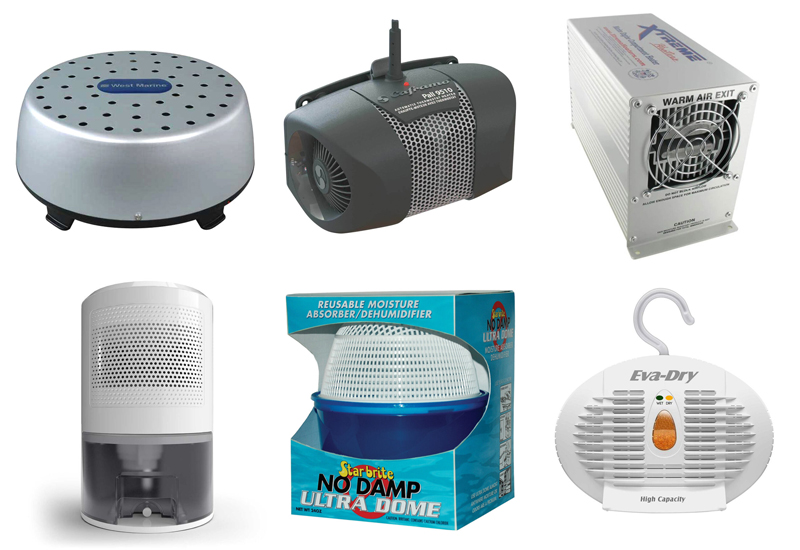
Prevent Moisture Damage: Remove any standing water and debris from bilge compartments, lockers, and storage areas. Clean these thoroughly and use moisture absorbers to prevent mold and mildew. Clean and dry cushions and store them upright to promote air circulation.
Remove Unnecessary Gear: Take off any gear that doesn’t need to remain on the boat during winter — life jackets, ropes, and electronics. Store these items indoors to avoid dirt, moisture damage, and theft. Follow the battery manufacturer's storage and charging recommendations. For lead-acid batteries, this generally includes fully charging the battery, cleaning the terminals, and storing it in a cool, dry location. A properly selected battery maintainer can help keep a stored battery charged.
Cover Your Boat and Check it Often: For the best protection, store your boat in a climate-controlled space. If that’s not possible, use a high-quality cover. In harsh climates, professional shrink-wrapping can provide effective protection, but a custom-fitted cover can work well too. Make sure the cover is secure and check it regularly for snow, debris, and water buildup.
Winterizing FAQs
Why is winterizing my boat important?
If you keep your boat in an area subject to a hard freeze or even an occasional cold snap, winterizing helps protect your boat’s engine, plumbing, and other systems from damage caused by freezing temperatures, corrosion, and inactivity. It helps ensure your boat is in top shape when you bring it back to life in the spring.
Do I need to winterize my boat if I live in a warm climate?
If you live in a mild climate like South Florida, where freezing temperatures are rare, full winterization may not be necessary. However, it’s still important to protect your boat against humidity, mold, and general wear during periods of inactivity.
What can happen if I don’t winterize my boat?
Skipping winterization can lead to expensive repairs. Water left in your engine or plumbing can freeze and expand, causing cracks and leaks. Fuel can degrade, forming varnish and gum that clog the system, and internal parts can corrode due to condensation.
How do I prevent my engine from freezing?
Follow the engine manufacturer’s winterization procedure. Depending on the engine and cooling-system design, this may involve draining the cooling system, circulating antifreeze through the raw-water side, or both. Some engines may also require a manufacturer-specified procedure to protect internal components from corrosion during storage.
What kind of antifreeze should I use?
For potable water systems, use propylene glycol (PG)-based antifreeze specifically formulated and rated for drinking-water systems. Never use ethylene glycol antifreeze in potable water systems. For engine cooling systems, use the type of antifreeze/coolant specified by the engine manufacturer. Follow the product label and manufacturer’s instructions for proper use and dilution.
Can I use recycled antifreeze?
Recycled antifreeze is available but may contain contaminants from prior use. Virgin antifreeze costs more but provides peace of mind, especially for potable water systems where safety is a top concern.
What is fogging oil, and why do I need it?
Fogging oil is used to help protect internal engine surfaces from rust and corrosion during storage. Depending on the engine, it may be applied through the intake or directly into the cylinders. Follow the engine manufacturer’s storage procedure.
Should I cover my boat during winter storage?
Yes. Covering your boat protects it from moisture, dirt, and debris. Shrink-wrap can provide effective protection against rain and snow. Canvas covers or tarps can also work well, provided you monitor them closely for snow and water accumulation.
How can I prevent mold and mildew during storage?
Controlling moisture is essential. Make sure your boat’s bilge is completely dry before storage. Use dehumidifier crystals to absorb excess moisture. If you shrink-wrap your boat, ensure the cover has adequate ventilation to promote airflow. Low-wattage air dryers placed in enclosed areas help control moisture in larger cabins.
What are de-icers, and do I need one?
De-icers are small motors that circulate water to prevent ice formation around your boat. If you store your boat in the water during winter, a de-icer helps avoid hull and dock damage caused by ice forming around the hull.
Conclusion
When the geese fly south, it’s your cue to winterize your boat. By following manufacturer-recommended procedures for protecting the engine and other systems, treating your fuel system, and controlling moisture, you’ll help ensure your boat is ready for a hassle-free start to boating season in the spring.
We’re Here to Help
Whether you’re getting your boat ready for winter or gearing up for spring adventures, West Marine is here to support you. Find your nearest store for expert advice, winterization products, and hands-on help.