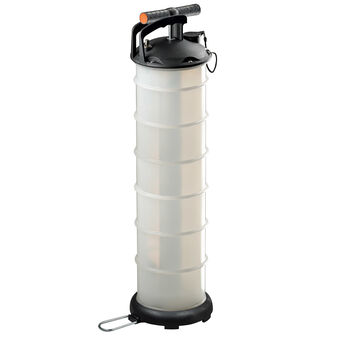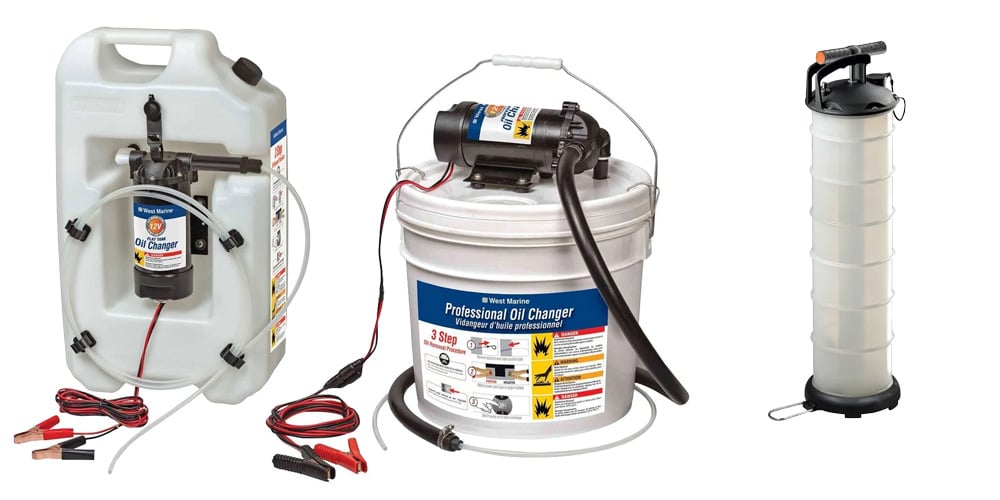
Changing the oil on your boat is slightly more complicated than changing it on a car. When working on a car, it's easy to unscrew the drain plug and catch the oil in a pan, but boat engines don't have an easy way to dump the oil, meaning you'll need to extract it with an oil change pump before you can refill it with new oil
Having the right pump can save you a ton of time and make changing your engine oil easier. We'll walk you through some common considerations and help you get the right one for your DIY arsenal.
Understanding the Different Types of Oil Change Pumps
Oil pumps are available with either manual or electric operation. Which one will work best for you depends on the size of your engine and your budget.
Manual Hand Pumps
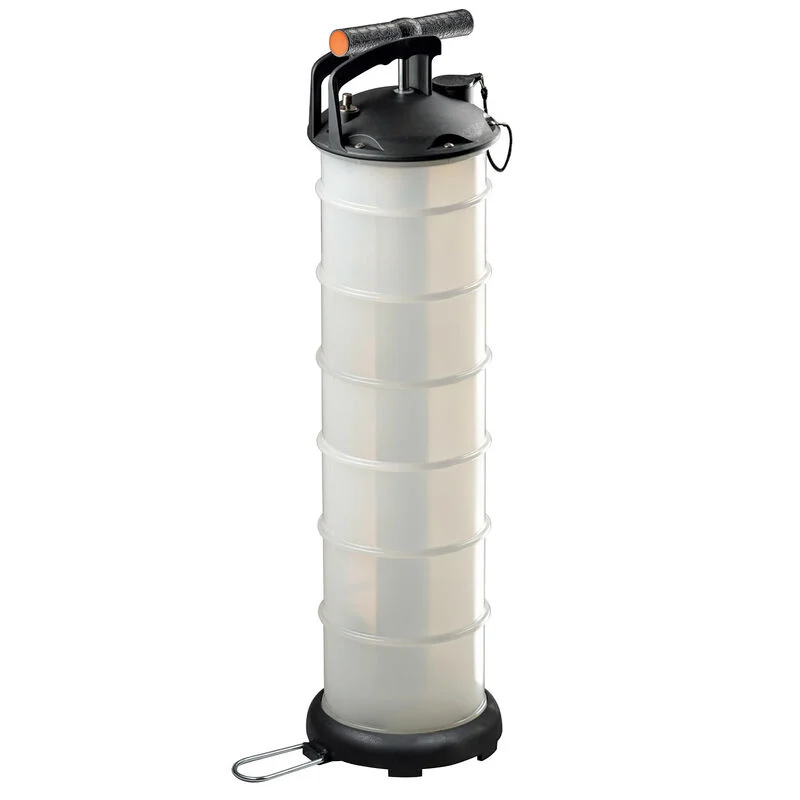
These are the most basic and affordable oil change pumps. They operate using a hand-operated lever or piston mechanism to draw oil out of the engine. Manual hand pumps are lightweight, portable, and require no external power source, making them a convenient option for smaller boats or if you won't have easy acccess to electricity when you're working on your boat..
Electric Pumps
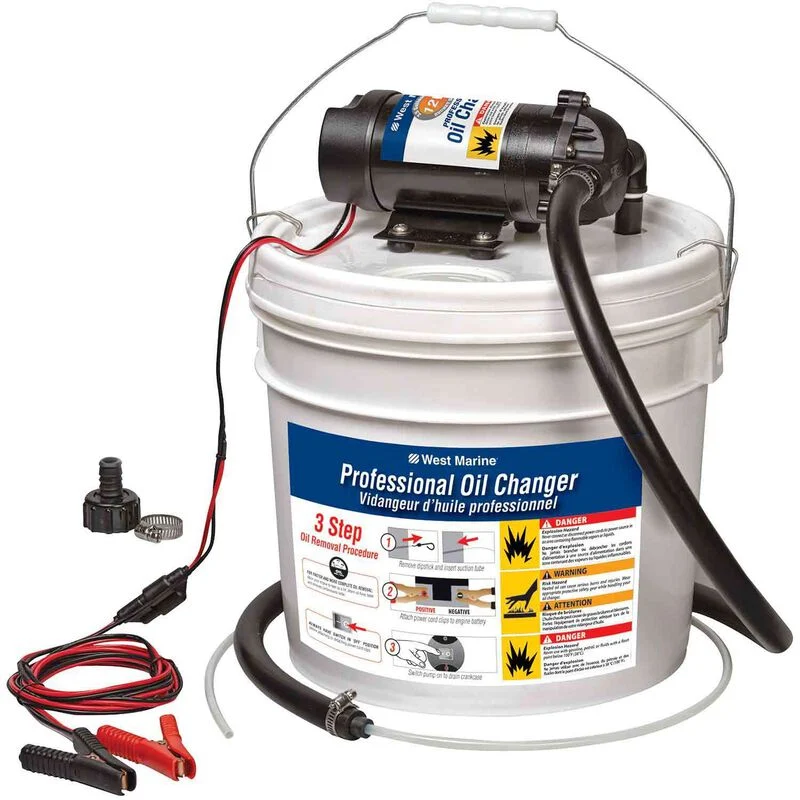
Electric oil change pumps are powered by a motor and make changing the oil in your boat much more efficient. They typically have higher flow rates and can extract oil faster than manual pumps. Some electric pumps even come with automatic shut-off features to prevent overfilling the waste container.
While most oil change pumps are designed to be portable, there are permanently installed options as well that can change the oil in even large V-8 engines in minutes. These pumps are generally installed near the boat's engine and are plumbed in to the engine's oil pan making it easy to run the pump when it's time for an oil change and remove all oil from the engine. Most of the pumps can be run in reverse as well to refill the oil pan with fresh oil.
Factors to Consider when Choosing an Oil Change Pump for your Boat
When selecting an oil change pump for your boat, there are a few important factors to consider to make sure you get the right one:
Engine Size and Oil Capacity: The size of your boat's engine and its oil capacity will determine the type and capacity of the oil change pump you need. Larger engines with higher oil capacities will need a larger catch tank and a more powerful pump can be helpful in getting all of the oil out.
Portability: Having a lightweight, portable changer can go a long way to making your oil change easier, even if that means you need to dump it into another container halfway through your oil change. In general, manual pumps are lighter and easier to transport, but most electric pumps are designed to by easy to carry as well.
Power Source: All of the portable electric oil change pumps we sell come equipped with alligator clips to make it easy to clip to the battery on your boat. Just make sure that your battery has enough juice to run the pump for the full length of the oil change and still be able to start your boat afterwards.
Flow Rate: The flow rate of the pump determines how quickly it can extract oil from the engine. Higher flow rates can save you time and effort, especially if you have a larger engine or need to change the oil frequently.
Hose Length: Make sure the pump comes with long enough to reach all the corners of your boat's oil pan. The last thing you want is old oil remaining in a corner of the pan that will contaminate your fresh oil when you refill.
The Benefits of Using an Electric Oil Change Pump
While manual hand pumps have been a staple in the boating industry for years, boaters that switch to an electric oil change pump seldom go back to the old way. Electric pumps offer several advantages over their manual counterparts, making them an increasingly popular choice among boaters.
Increased Efficiency: One of the most significant benefits of using an electric oil change pump is its ability to extract oil faster and more efficiently than manual pumps. With their powerful motors and higher flow rates, electric pumps can drain the oil from your boat's engine in a fraction of the time it would take with a manual pump, saving you time and effort.
Reduced Physical Effort: Changing the oil in your boat's engine can be a physically demanding task, especially if you have a larger engine or need to work in tight spaces. Electric pumps eliminate the need for manual pumping, reducing the strain on your body and making the process much more comfortable and convenient.
Portability: While electric pumps may be slightly heavier than manual pumps, many models are designed with portability in mind. They often come with compact designs, ergonomic handles, and built-in storage compartments for hoses and accessories, making them easy to transport and store when not in use.
Overall, investing in a high-quality electric oil change pump can significantly improve the convenience, efficiency, and safety of your boat's oil change process, making it a worthwhile investment for any boat owner.
Manual Vs. Electric Oil Change Pumps: Which is Right for You?
When it comes to choosing between a manual or electric oil change pump for your boat, the decision ultimately depends on your specific needs, preferences, and budget. Both options have their advantages and drawbacks, so it's essential to weigh the pros and cons carefully before making a purchase.
Manual Oil Change Pumps:
Pros:
- Affordable and cost-effective
- Lightweight and portable
- No external power source required
- Simple to operate and maintain
Cons:
- Requires physical effort and can be tiring
- Slower oil extraction compared to electric pumps
- May not be suitable for larger engines or high-viscosity oils
- Potential for spills and mess during operation
Electric Oil Change Pumps:
Pros:
- Faster and more efficient oil extraction
- Minimal physical effort required
- Often come with additional features like automatic shut-off and adjustable flow rates
- Suitable for larger engines and high oil capacities
- Cleaner and less messy operation
Cons:
- More expensive than manual pumps
- Require a power source (battery or AC)
- Heavier and less portable than manual pumps
- May require more maintenance and replacement parts over time
If you have a smaller boat with a lower oil capacity and don't mind putting in some physical effort, a manual oil change pump could be a cost-effective and straightforward solution. Manual pumps are also a good choice if you value portability and don't need to change your oil frequently.
On the other hand, if you have a larger boat with a higher oil capacity, or if you prioritize convenience and efficiency, an electric oil change pump may be the better option. Electric pumps are particularly useful for those who want to minimize physical strain, save time, and ensure a cleaner oil change process.
Ultimately, the choice between a manual or electric oil change pump will depend on your specific needs, budget, and personal preferences. Consider factors such as engine size, oil capacity, frequency of oil changes, and your physical abilities to make an informed decision that best suits your boating lifestyle.
Top Oil Change Pump Brands
When it comes to choosing an oil change pump for your boat, there are numerous brands and models available on the market. To help you narrow down your options, here are some of the top brands and models that are widely recognized for their quality, performance, and reliability:
Jabsco: Jabsco is a trusted name in the marine industry, offering a range of oil change pumps suitable for different boat sizes and engine types. Jabsco's 12V permanently installed pump can change the oil in a large V-8 in minutes making it a great investment.
West Marine: Our oil change pumps are cost-effective and built based on years of boating industry experience. We offer manual and electric pumps for any budget and any boat.
Reverso: Their top-of-the-line oil change system is a favorite among owners of large boats and their permanent install pumps can move up to 1.5 gallons of oil per minute.
Sierra: A long standing name in the boating industry, their oil change pumps are a great investment for any DIYer
When selecting a brand and model, consider factors such as the pump's flow rate, capacity and power source. Additionally, read reviews and seek recommendations from fellow boaters to ensure you're making an informed decision.
Remember, investing in a high-quality oil change pump from a reputable brand can save you time, effort, and money in the long run, while also ensuring the proper maintenance and longevity of your boat's engine.
Now It's Time to Get It Done
With that you should have all the info you need to find the right oil change pump for your boat. Now it's time to change your oil, hit the water and enjoy the peace of mind that your engine is good to go. Not sure how to change your oil? Check out our Changing Boat Engine Oil West Advisor Article.
Need More Help?
Our in-store teams have you covered. With plenty of life long boaters on our crew, we have the know-how you need for any project. Find your store here.