Boat Propellers and Motors: Outboard, Inboard, Sterndrive, and Electric Systems
Selecting the appropriate propeller for your boat is just as critical as choosing the right motor, directly influencing performance, efficiency, and enjoyment on the water. This guide explores the relationship between various types of boat motors—outboard, inboard, sterndrive, and electric—and the propellers best suited to each. Whether you’re a recreational boater, angler, sailor, or marine professional, understanding how propellers interact with each motor type will help you optimize your boating experience.
Outboard Motors and Propellers
Outboard motors are a favorite among many boaters thanks to their versatility and straightforward design. The performance of an outboard is highly dependent on the propeller attached to it, which affects speed, acceleration, and handling.
How Propellers Work with Outboard Motors
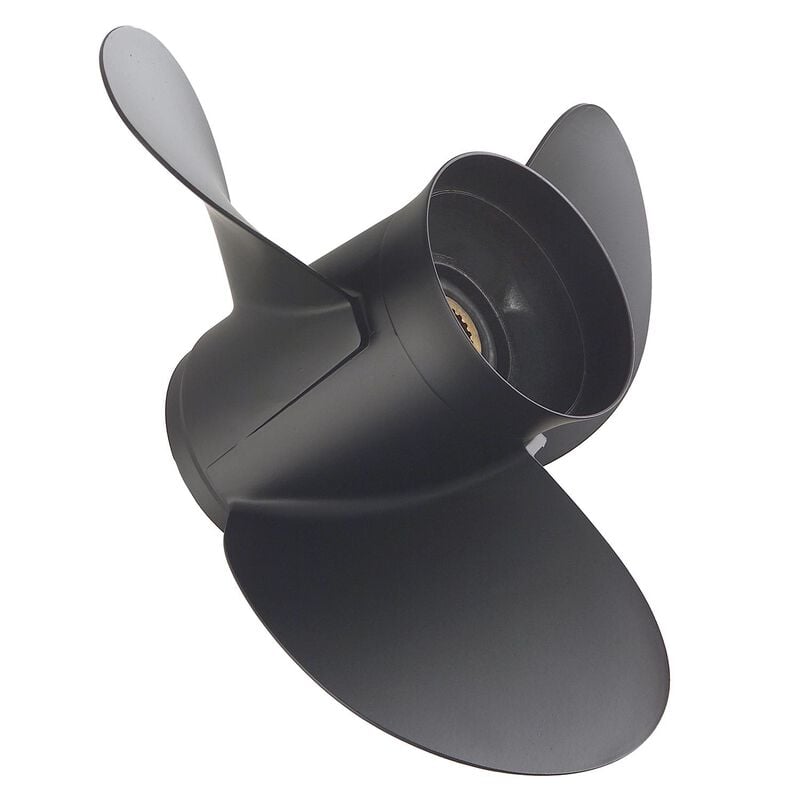
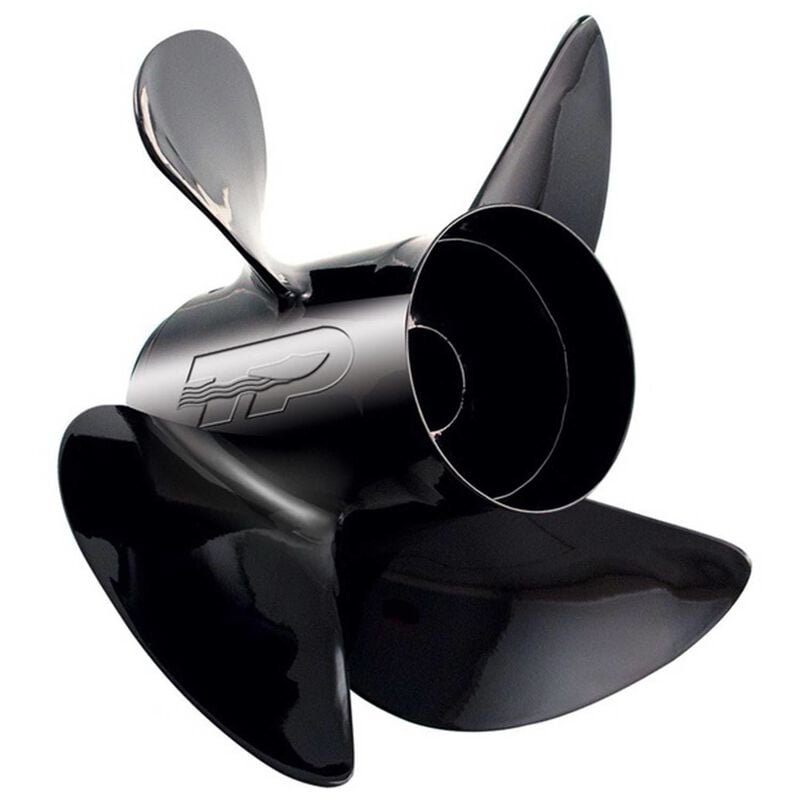
- Propeller Material: Aluminum propellers are popular for general use, offering a light and cost-effective option, while stainless steel propellers provide enhanced precision and durability for higher performance applications.
- Blade Count: Three-blade propellers deliver a good balance of speed and efficiency, while four-blade designs offer improved acceleration and grip in rough water.
- Pitch and Diameter: The pitch (or angle) and diameter of the propeller impact how quickly the boat accelerates (lower pitch) versus top-end speed (higher pitch).
Adjusting or upgrading your outboard propeller can tailor the boat’s performance for specific activities—whether you want explosive acceleration for water sports or greater fuel efficiency for long trips.
Click Here To Learn More About Outboard Boat Motors
Inboard Motors and Propellers
Inboard motors, installed within the hull, rely on propellers attached to a shaft passing through the boat's bottom. The interaction between inboard motors and their propellers is crucial for safe, efficient movement.
Propeller Dynamics for Inboard Motors
- Number of Blades: Three-blade propellers often strike a balance between speed and fuel economy, while four-blade propellers provide smoother operation, reduced vibration, and better performance under heavy loads or in choppy conditions.
- Material and Design: Most inboard propellers are made from bronze or nickel-aluminum-bronze alloys, selected for corrosion resistance and reliability in larger boats. Stainless steel inboard props are less common but used in some performance applications.
- Sizing and Pitch: Propeller size and pitch must be matched to the engine’s power and the hull’s resistance characteristics to ensure optimal thrust and prevent overloading the engine.
Precision in propeller selection for inboard motors ensures that cruisers and yachts enjoy strong acceleration, comfortable cruising speeds, and smooth handling.
Click Here To Learn More About Inboard Boat Motor Propellers
Sterndrive Motors and Propellers
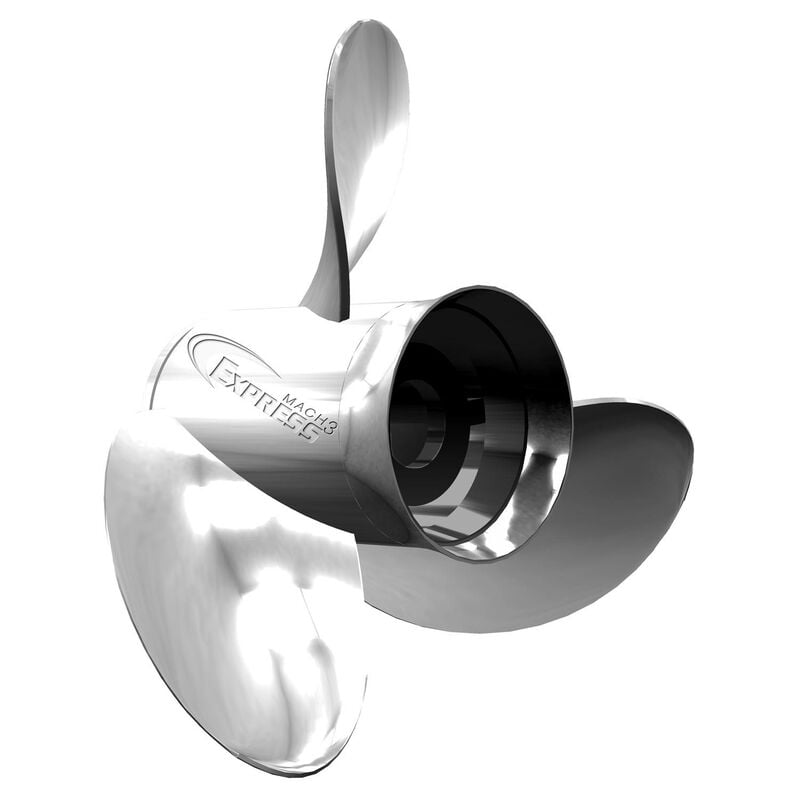
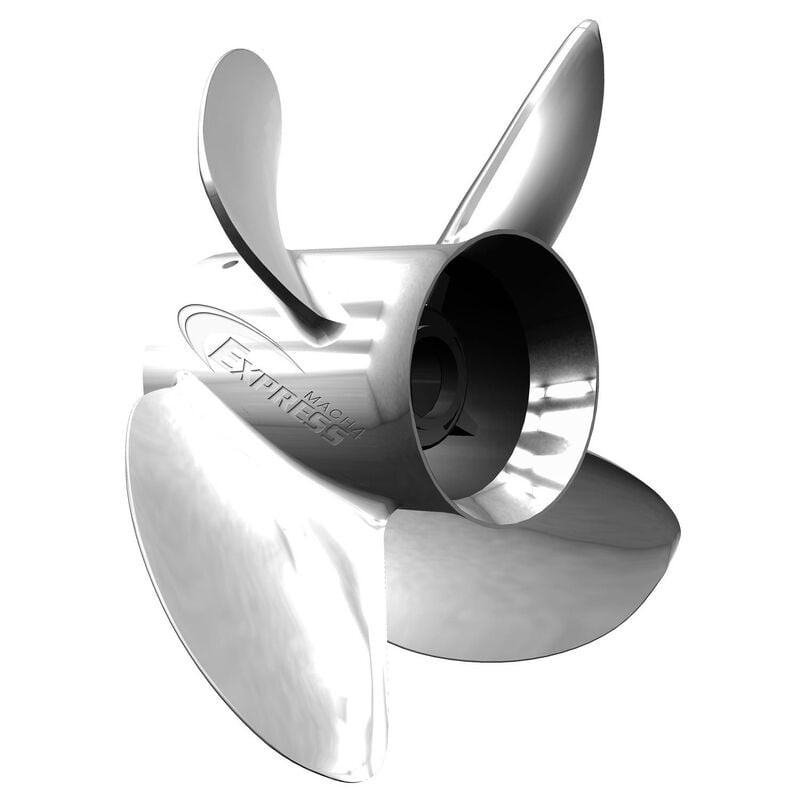
Sterndrive (inboard/outboard) systems blend traits of both inboards and outboards. The external drive unit, powered by an internal engine, offers unique propeller options and flexibility.
Propeller Features for Sterndrive Systems
- Dual Propeller Systems: Some sterndrives feature counter-rotating twin propellers (duoprop) for increased bite in the water, resulting in better acceleration, improved handling, and stability at speed.
- Trim Functionality: The ability to trim the drive unit can change the propeller’s interaction with the water, altering boat attitude and optimizing performance for varying loads or water conditions.
- Specialized Propeller Shapes: Sterndrives benefit from advanced blade shapes and materials, including high-performance stainless steel for speed or multi-blade setups for towing sports.
Choosing the correct sterndrive propeller enhances everything from towing skiers to recreational cruising, adapting to the unique demands of each activity.
Click Here To Learn More About Sterndrive Motors
Electric Motors and Propellers
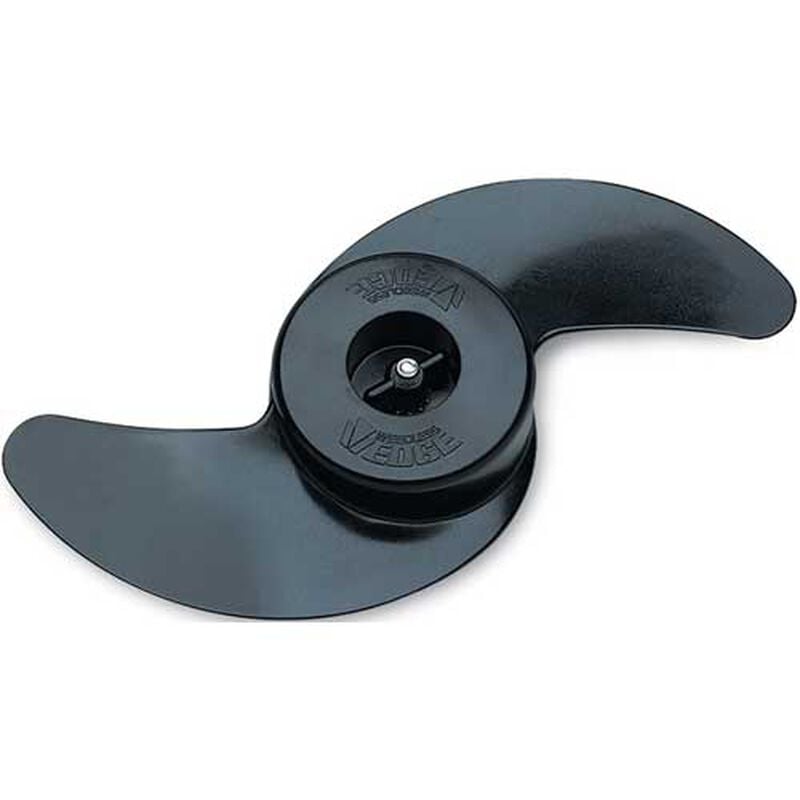
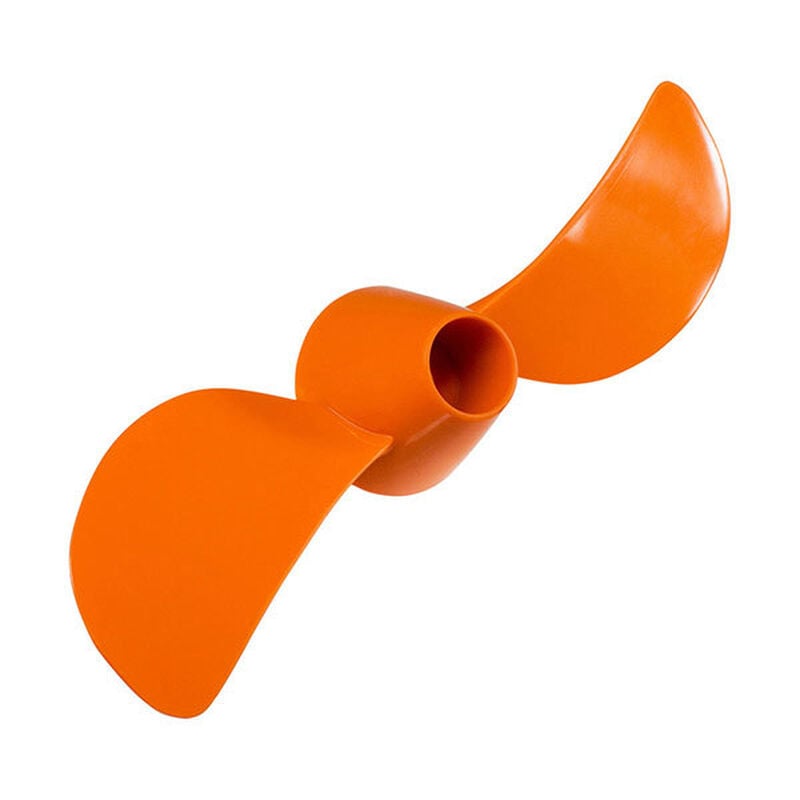
Electric motors represent a growing segment in boating, prized for their silence and environmental benefits. The propeller’s efficiency is especially important in electric propulsion, as it directly impacts battery life and operating range.
Propeller Considerations for Electric Motors
- Lightweight, Efficient Designs: Composite propellers are common for electric motors, minimizing drag while maximizing thrust at displacement speeds.
- Weedless Propellers: Specialized blade designs prevent entanglement by cutting through aquatic vegetation, ideal for fishing or areas with dense plant growth.
- Optimized for Low Power: Most electric motor propellers have lower pitch, maximizing thrust without overtaxing limited battery reserves.
For electric motor users, selecting the right propeller ensures quiet, extended cruising and maneuverability in delicate or shallow habitats.
Motor Types And Propeller Comparisons
Outboard Motors
- Mounted as a complete unit on the transom with the prop on the lower unit
- Prop is aft and fully submerged; depth is affected by engine mounting height and trim/tilt
- Offers full trim and tilt for easy attitude control
- Propellers typically aluminum (value) or stainless steel (performance)
- Usually 3 blades for speed/efficiency, 4 for grip and holeshot
- Wide pitch/diameter options; easy to swap props to match WOT RPM
- Strengths: serviceability, shallow-water access, redundancy with multi-engine setups
- Common uses: fishing boats, pontoons, offshore center consoles, runabouts
Inboard Motors
- Engine housed inside the hull, with prop connected via a shaft through the bottom
- Propeller fixed under the hull; no trim adjustment
- Typically uses bronze or nickel-aluminum-bronze (durability, corrosion resistance); stainless less common but sometimes used for performance
- 3-blade props for balance, 4-blade for smoother operation and heavy loads
- Prop size and pitch must match engine torque curve and hull resistance
- Strengths: smooth tracking, lower center of gravity, strong push for heavy boats
- Common uses: cruisers, ski/wake boats, larger displacement vessels
Sterndrive (I/O) Motors
- Engine in hull with external steerable drive unit carrying the prop
- Prop location aft on drive; depth and angle trimmable
- Full trim functionality improves lift, fuel economy, and ride comfort
- Prop options in aluminum and stainless; advanced performance designs available
- Blade setups range from 3–4, with duoprop counter-rotating sets for grip and stability
- Wide pitch catalog; duoprop balances speed and holeshot capability
- Strengths: versatility, trim control, stability with duoprops
- Common uses: family cruisers, recreational boats, towing sports
Electric Motors
- Motor often mounted on the transom, torque tube, or integrated pod with close prop placement
- Prop location aft or under hull, typically smaller diameter
- Usually fixed, though some allow shallow-water or preset depth adjustments
- Propellers often composite for lightweight efficiency; some aluminum variants
- Blade counts typically 2–3, with weedless designs to prevent tangling
- Lower pitch props maximize thrust at low speeds while preserving battery power
- Strengths: silent operation, efficiency, precise low-speed maneuvering
- Common uses: eco-friendly cruising, fishing in vegetation-rich waters, lake or no-wake zones
Click Here To Learn More About Electric Boat Motors
Takeaway:
- Chasing precision/speed → Stainless (outboard/sterndrive) or Stainless/Bronze (inboard).
- Prioritizing budget/easy replacement → Aluminum (outboard/sterndrive).
- Maximizing efficiency/weedless/quiet → Composite (electric).
Blade count & handling—side-by-side
- 3-blade (all systems): Lowest drag → higher top speed and solid efficiency.
- 4-blade (all systems): More blade area → quicker planing, better grip in chop, steadier tracking, less ventilation; minor top-speed tradeoff.
- Duoprop (Sterndrive): Counter-rotating sets dramatically improve bite, straight-line stability, and holeshot; great for towing/heavier loads.
Quick picks:
- Speed bias: 3-blade outboard/sterndrive.
- Rough water/heavy loads: 4-blade outboard/inboard, or sterndrive duoprop.
- Low-speed thrust/weed: Electric with 2–3-blade weedless composite.
Pitch & diameter tuning across propulsion types
- Outboard: Use prop swaps to keep WOT RPM in spec. Lower pitch for heavier crews/sports (better holeshot). Higher pitch for light loads/long runs (more top-end). Diameter scales with gearcase and load.
- Inboard: Prop must match engine torque curve + hull resistance. Too much pitch → engine lugging; too little → over-rev. Diameter often larger to move heavy hulls at modest RPM.
- Sterndrive: Similar to outboard tuning but with trim to optimize lift and fuel burn. Duoprop allows higher pitch while maintaining holeshot due to increased blade area.
- Electric: Emphasize lower pitch & efficient blade profiles to maximize thrust per watt at displacement speeds; diameter limited by packaging—aim for smooth, low-RPM thrust.
Feature advantages that change the prop conversation
- Trim/tilt (Outboard & Sterndrive): Real-time control over running angle → faster planing, better economy, and comfort in chop.
- Fixed geometry (Inboard): Fewer adjustments; success hinges on getting pitch/diameter/right-hand vs left-hand correct up front.
- Weedless (Electric & small outboards): Blade shape and hub design resist fouling—critical for vegetation-heavy lakes.
- Counter-rotation:
- Sterndrive duoprop: Built-in on one drive.
- Outboards: Achieved with twin engines using opposite rotations for neutral steering torque.
Choose-by-scenario (all four compared)
- Watersports (fast holeshot, stable wake): Sterndrive duoprop or 4-blade outboard; inboard ski/wake setups excel with properly pitched 4-blade bronze/stainless.
- Offshore chop & heavy loads: 4-blade stainless outboard or inboard 4-blade stainless/bronze; sterndrive duoprop also strong.
- Long cruise fuel economy: 3-blade stainless (outboard/sterndrive) tuned to WOT RPM; inboard prop precisely pitched for cruise RPM; electric optimized for low-drag profiles and steady displacement speed.
- Shallow/vegetation: Outboard (trim high) with aluminum/composite, or electric weedless. Inboards are least forgiving in shallows.
- Quiet/no-wake zones: Electric wins; next best is a modern 4-stroke outboard with efficient 3-blade prop at low RPM.
Common upgrade levers (what to change on each)
- Outboard: Switch aluminum → stainless; try 4-blade for grip; fine-tune pitch 1–2” to hit WOT range; consider anti-ventilation plate height with trim.
- Inboard: Prop scan/balance; adjust pitch/diameter to eliminate lugging; consider 4-blade for smoothness/heavy crews.
- Sterndrive: Move to duoprop for acceleration/stability; refine pitch with trim testing; stainless for precision.
- Electric: Choose weedless composite, low-pitch profiles; keep edges clean for maximum range.
What Materials Are These Engines Made From?
-
Aluminum (Outboard/Sterndrive): Value, light, easy to replace; best for general use, but can deform under heavy load and is less efficient at higher horsepower.
- Stainless Steel (Outboard/Inboard/Sterndrive): Rigid, precise, durable; best for performance, heavy seas, or high HP.
- Bronze (Inboard): Corrosion-resistant, tough under continuous duty; common on cruisers/yachts.
- Composite (Electric, some small outboards): Very light and resistant to corrosion; often used where weedless designs and cost-effectiveness matter, but efficiency depends more on blade shape than material.
Boat Motor & Propeller Frequently Asked Questions
How does a boat propeller affect performance?
The size, pitch, material, and blade count of a propeller determines your boat’s acceleration, top speed, fuel efficiency, and ability to handle different loads or water conditions.
Can I upgrade my boat motor’s propeller?
Yes, upgrading to a different style or material of propeller can yield better speed, efficiency, or specialist performance tailored to your boating activities.
What is the difference between three-blade and four-blade propellers?
Three-blade propellers balance speed and efficiency, while four-blade designs provide better acceleration, smoother handling, and are often preferred for heavier boats or challenging water.
Which propeller material is best?
Aluminum propellers are affordable and durable for general use. Stainless steel is recommended for maximum durability and high-performance applications. Bronze is common in inboard setups for longevity.
Do electric motors need special propellers?
Yes, electric motors often use lightweight, efficiently shaped propellers with low pitch to maximize thrust while conserving battery power.
How can I tell if my boat is under-propped or over-propped?
If your engine struggles to reach maximum RPM, your boat may be over-propped (the pitch is too high). If the engine exceeds recommended RPM, it might be under-propped (pitch is too low), both of which can affect performance and engine longevity.
How often should I inspect or replace my boat propeller?
Propellers should be checked regularly for dings, cracks, or warping. Even minor damage can impact performance, so prompt repair or replacement is recommended.
Can a damaged propeller harm my boat engine?
Yes, a bent, chipped, or unbalanced propeller can cause excessive vibration and put strain on the engine, potentially leading to costly repairs if not addressed.
Are there propellers designed for specific boating activities?
Propellers can be specialized for activities such as skiing, wakeboarding, fishing, or cruising. For example, four-blade or multi-blade props provide better pull for tow sports, while higher-pitch props are preferred for maximizing speed.
Is it possible to change the pitch or diameter of an existing propeller?
While minor adjustments can be made by a professional propeller repair service, significant changes usually require replacing the propeller with a new one that matches the desired specifications.
How do I choose the correct propeller for my boat?
Consider your engine manufacturer’s recommendations, the type of hull, typical load, and intended usage. Testing different props may be needed to find the optimal balance of speed, acceleration, and efficiency.
What is cavitation, and how does it affect propellers?
Cavitation refers to the formation of vapor bubbles on the propeller blades when water pressure around them drops too low. This can be caused by several factors, including blade design, surface damage, excessive trim, or sharp turns. Incorrect pitch can also contribute—too much pitch can overload the prop and too little pitch can cause excessive RPM—both situations increase the risk of cavitation. Cavitation reduces efficiency, creates vibration, and over time can pit or damage the propeller.
Do stainless steel propellers really improve performance?
Stainless steel propellers are stiffer and more durable than aluminum ones, offering improved acceleration, responsiveness, and longevity, particularly in demanding or high-speed applications.
Can I use the same propeller in salt and fresh water?
Many propellers are suitable for both environments, but stainless steel and bronze options offer better resistance to corrosion from saltwater.
What is a ‘weedless’ propeller?
A weedless propeller has blades designed to minimize snags from vegetation, making them ideal for fishing and boating in areas with significant plant growth.
How does propeller rake and cup affect performance?
Rake is the angle of the blades relative to the hub; a higher rake can increase bow lift and efficiency. Cup refers to a slight bend at the blade tip, improving grip and reducing cavitation, especially during sharp turns or under heavy loads.
Understanding how propellers interact with different boat motor types lets you fine-tune your vessel’s performance, efficiency, and enjoyment on the water. With the right propeller, every motor type delivers its best, whether your priority is power, smooth cruising, efficient travel, or low-noise exploration.