Understanding Inboard Motors and Boat Propellers
Boating is a pastime and a passion enjoyed by countless people around the world. Whether you are drawn to the tranquility of peaceful lakes or the adventure of open seas, understanding the complete mechanics of your vessel is an essential part of maximizing your time on the water. Two of the most integral elements that determine how your boat performs, handles, and endures the challenges of the marine environment are the inboard motor and the boat propeller. Mastery of these components not only enhances the safety and reliability of your vessel, but it also ensures that every moment on the water is as enjoyable, efficient, and memorable as possible.
This comprehensive guide will take an in-depth look at both inboard motors and boat propellers, focusing on their design, operation, various types, advantages and disadvantages, maintenance considerations, and how to choose the right combination for your boating needs. By exploring each aspect in detail, you'll gain the confidence and knowledge to make informed decisions about your boat and to handle common issues that may arise during your time on the water.
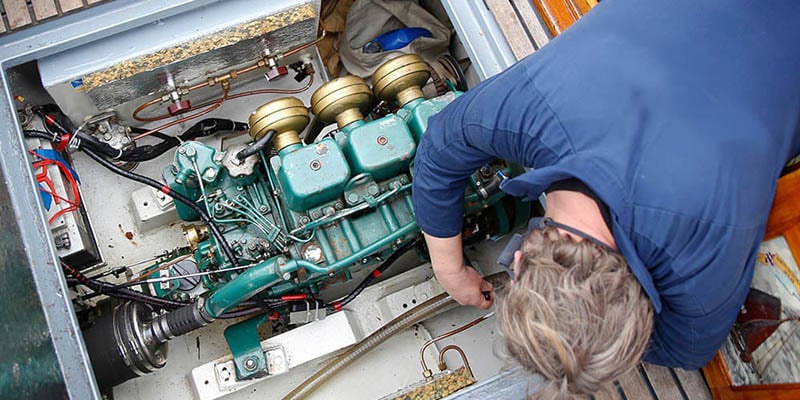
What is an Inboard Motor?
An inboard motor is a specialized engine system designed to be installed within the hull of a boat, as opposed to being attached externally on the transom. These engines are often utilized in larger recreational boats, cruisers, ski boats, and yachts due to the unique advantages they provide. The inboard motor connects to a driveshaft that runs straight through the bottom of the hull, ultimately turning the propeller located beneath the boat. This configuration results in both functional and aesthetic differences compared to external motor alternatives, such as outboard motors or sterndrives.
Inboard motors come in gasoline or diesel configurations and vary in terms of displacement, horsepower, and technical sophistication. A major distinction between inboard and outboard systems is that, with the inboard motor, the greater portion of the engine's bulk is located deep within the hull, shielded from saltwater exposure and theft, but also requiring a different approach when it comes to inspection and service.
The History and Evolution of Inboard Motors
The early days of recreational boating saw a reliance on simple, steam-powered or manually driven boats, but with the development of reliable combustion engines in the late nineteenth and early twentieth centuries, modern inboard engines became possible. As technology advanced and both engine and hull designs were refined, inboard motors gained popularity for larger vessels requiring increased torque and durability. Today, manufacturers produce a wide range of inboard engines, each tailored to the needs of various types of boats and their respective uses—whether that be leisurely cruising, watersports, commercial tasks, or long-distance passage-making.
Advantages of Inboard Motors
Inboard motors offer numerous advantages over alternate propulsion systems, making them a preferred option for many boat owners:
- Stability and Balance: The placement of the engine within the hull lowers the center of gravity, which helps enhance stability and reduce the risk of listing. This is particularly beneficial when carrying multiple passengers or heavy loads.
- Power and Performance: Inboard engines often provide more horsepower and torque, giving them the ability to move larger, heavier vessels and perform demanding tasks such as wakeboarding or towing.
- Longevity and Durability: Because an inboard motor is protected by the hull and not constantly exposed to the elements, it generally has a longer lifespan. Many are designed with robust components to handle long hours of operation.
- Reduced Noise and Vibration: Being placed within an insulated compartment, inboard motors can be significantly quieter and generate less vibration, offering a smoother and more pleasant ride for passengers.
- Improved Aesthetics and Deck Space: With the engine concealed inside, there’s a cleaner, more streamlined look on the transom, freeing up space for platforms or seating.
Disadvantages of Inboard Motors
Despite their many positive features, inboard motors also present certain challenges that should be considered before deciding on this propulsion type:
- Complex Installation and Maintenance: Accessing the engine within the hull can complicate routine maintenance and repairs. Servicing components may require more labor and specialized tools.
- Higher Initial Cost: Inboard motors are generally more expensive to purchase and install compared to alternatives. The professional installation needed can further increase costs.
- Loss of Interior Space: Since the engine occupies space within the hull, it reduces available room for storage or comfort features below deck.
- Reduced Maneuverability at Low Speed: Steering a boat with an inboard engine using a traditional rudder at slow speeds can be harder than with outboard or sterndrive systems, especially when docking.
- Potential for Water Ingress: As the driveshaft must penetrate the hull, there is a risk of water leaks if seals fail, although modern engineering has minimized this concern.
Types of Inboard Engines
Inboard engines can be broadly categorized into two main types: direct drive and V-drive. The key difference is in the alignment of the engine with the driveshaft and the way power is transmitted to the propeller. Direct drive places the engine facing forward with the shaft running straight back, allowing for a simple, efficient layout. V-drive, on the other hand, places the transmission at the rear of the engine, forming a “V” with the driveshaft, enabling more flexible placement of engine and weight distribution for different boat designs. Each configuration has its pros and cons when it comes to balance, performance, and space usage.
The Role of Boat Propellers
While the inboard motor is responsible for generating mechanical power, the boat propeller is tasked with transferring that energy to the water in the form of thrust. Propellers are thus critical to the overall efficiency, handling, and speed of a vessel. The design, material, pitch, and number of blades of a propeller can greatly influence performance characteristics, including acceleration, fuel economy, and top speed. Understanding how a propeller operates and how to select the appropriate type for your boat is just as important as understanding the engine that drives it.
Basic Principles of Propeller Operation
A propeller works by converting rotational energy from the engine into forward motion. This is achieved as each blade, shaped like a twisted airfoil, generates lift in the water as it spins. The angle at which the blade strikes the water is known as the pitch, and this, along with the diameter, number of blades, and material, determines how effectively the propeller can move the boat. Too much or too little pitch for your engine’s capabilities will affect speed and fuel efficiency.
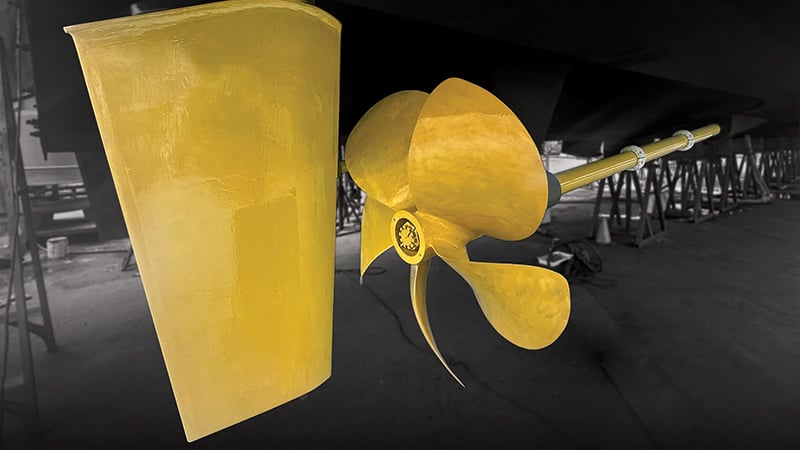
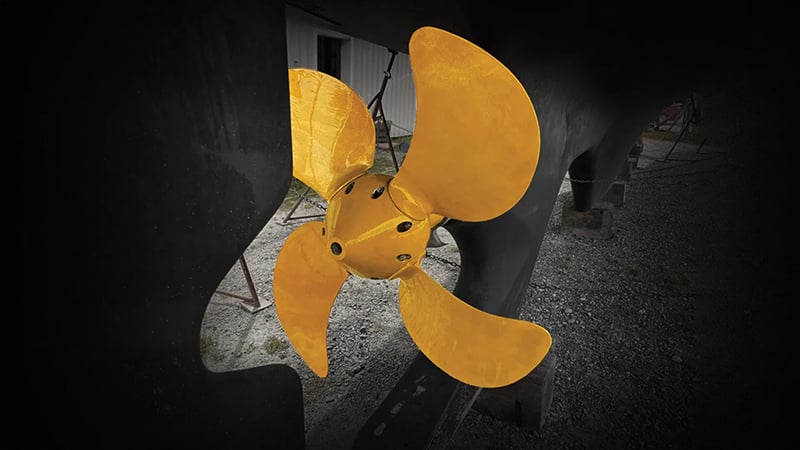
Types of Boat Propellers
Boat propellers are manufactured in a variety of configurations to match different boating activities and vessel types. The most common include:
- Three-Blade Propellers: The industry standard and most widely chosen configuration, three-blade propellers offer an outstanding balance between speed, efficiency, and smooth operation. They are generally suitable for most recreational applications.
- Four-Blade Propellers: These provide improved acceleration, better handling in rough conditions, and superior load-carrying capacity. The additional blade generates more thrust at lower speeds, making them popular among boaters who tow skiers or operate in choppy waters.
- Stainless Steel Propellers: Renowned for their superior strength and resilience, stainless steel props are ideal for high-performance applications. Their rigid construction maintains precise blade shape, ensuring consistent performance at higher speeds and under heavy loads.
- Aluminum Propellers: Lightweight and affordable, aluminum propellers are a solid choice for entry-level or casual boating use. While not as durable as stainless steel, they provide reliable performance and are easier to repair if damaged by submerged objects.
- Composite Propellers: Constructed from advanced synthetic materials, these props combine reduced weight with corrosion resistance. They may serve as good alternatives in low-impact environments or for boaters looking for easy maintenance and cost-efficiency.
- Variable Pitch Propellers: Designed for those who require versatility over maximum speed, variable pitch props can be adjusted to optimize performance for a range of conditions.
Factors Determining Propeller Choice
When selecting a propeller, there is no universal solution. Key considerations include:
- Boat Size and Weight: Heavier and larger boats require more surface area on the blades and higher diameter props to generate sufficient thrust for smooth operation and efficient planing.
- Engine Power and RPM Range: The propeller must match your engine’s horsepower and torque output, as well as its optimal revolutions per minute, to avoid overloading or under-utilizing the engine.
- Hull Design and Intended Use: Boats designed for speed require different props than those used for casual cruising or commercial work. The hull’s interaction with the water and how quickly the boat can get onto plane are both influenced by the right propeller selection.
- Performance Goals: Are you interested in top speed, acceleration, towing power, or fuel efficiency? Each goal may suggest a different propeller configuration in terms of pitch, diameter, and blade count.
Care and Maintenance of Boat Propellers
Just as with the motor, regular inspection and upkeep of your propeller are crucial. Damage like dents, bends, or nicks can severely affect efficiency and may even cause vibration that damages the driveshaft or other components. It is advisable to check for fishing line wrapped around the prop, corrosion, or wear after every outing, especially when boating in shallow or debris-filled waters. If you notice a change in performance or hear unusual noises, inspecting and possibly replacing or repairing the propeller may resolve many common issues.
How Inboard Motors and Propellers Work Together
The relationship between inboard motors and propellers is fundamental to understanding your boat’s operational dynamics. The engine generates mechanical energy, which is transmitted through the driveshaft and translated by the propeller into motion. The degree to which the engine’s power and torque can be efficiently harnessed depends on how well the propeller is matched with it and how smoothly energy transfer occurs through the drivetrain.
As power leaves the engine, it travels through the transmission and along the driveshaft. At the end of the driveshaft sits the propeller, submerged beneath the water. As the propeller turns, pressure differences created along the blades generate lift, which thrusts the vessel forward or in reverse. This synchronized relationship requires that each component is in optimal condition and properly paired; a powerful engine is of little use if inefficiently matched to a propeller that cannot harness its output.
Performance Factors to Consider
Several key factors interplay to influence the performance of your inboard motor and propeller setup:
- Propeller Pitch: This refers to the distance the prop would move in one rotation if there were no slippage. A prop with a higher pitch moves the boat faster at lower RPM but may strain the engine; a lower pitch prop provides quick acceleration but lower top speed.
- Diameter: The size of the circle made by the blade tips. Larger diameter props move more water, which is beneficial for heavier boats, while smaller diameters suit lighter, speed-focused vessels.
- Engine Torque and Power Curve: Matching the propeller’s design to the engine’s power delivery ensures optimal handling and acceleration, and prevents destructive over-revving or loading.
- Hull Design: Flat-bottomed, deep-V, and other hull shapes interact differently with the water. Prop selection should complement the hull’s hydrodynamics to ensure smooth and efficient movement.
- Load and Passenger Count: The more weight the boat carries, the more thrust is needed, affecting the choice of propeller for consistent performance across varied loads.
Choosing the Best Combination for Your Boat
To achieve the best results, it is recommended to consult manufacturer guidelines for both your engine and hull type, as well as to conduct performance tests under realistic load conditions. Many boat owners find value in keeping a spare propeller on board for emergencies and in testing different props over time to fine-tune wavelength, pitch, and blade materials. A certified marine mechanic can provide diagnostics and help you gauge whether a change in setup might bring tangible improvements to your boating experience.
Troubleshooting Common Performance Issues
If your boat isn’t performing as expected—such as planing slowly, running at high RPMs without gaining speed, or experiencing vibration—consider checking the following:
- Inspect for visible damage to the propeller, such as dents, bends, or missing metal.
- Examine the prop for fishing line or debris wrapped around the shaft.
- Check for cavitation or ventilation, which can result from mismatched propeller size or hull and engine configurations.
- Ensure your engine mounting and alignment are within specifications to avoid drive and propeller wear.
- Review maintenance logs for overdue servicing, especially oil, coolant, and shaft seals for inboard motors.
Inboard Motor Propellers Frequently Asked Questions
What is an inboard motor?
An inboard motor is an engine installed within the hull of a boat, linked via a driveshaft to the propeller under the water. This configuration provides enhanced stability, quieter operation, and a more streamlined look compared to external motors.
What are the disadvantages of inboard motors?
Inboard motors may be harder to access for repairs, generally cost more upfront, and take up valuable interior space, potentially reducing cabin or storage capacity.
Which is better, inboard or outboard engines?
There’s no universal answer; the best choice depends on your boating activities and priorities. Inboards deliver power and stability for large boats and watersports, while outboards excel in accessibility, flexibility, and easier maintenance, especially for smaller boats.
How much does a new inboard boat motor cost?
The price of an inboard motor can range significantly, influenced by factors such as brand, horsepower, and additional technological features. As a reference, a new inboard motor can cost from a few thousand to tens of thousands, not including installation and supporting components.
What is the propeller on a boat called?
The common term for a boat’s propeller is “prop,” though mariners occasionally refer to it as a screw or marine propeller.
Which is faster, a 3 or 4 blade prop?
Three-blade propellers generally yield higher top speeds due to lower drag, while four-blade versions offer faster acceleration, greater holding power in turns, and increased grip in rough conditions or when towing.
What are the three types of propellers?
Three principal types found on most boats include three-blade, four-blade, and variable pitch propellers, each suited for specific performance goals and vessel styles.
What size prop makes a boat go faster?
A propeller with a greater pitch can increase maximum speed, but it may sacrifice low-speed performance or overload the engine. Ideally, prop size and pitch should be selected to match the hull, engine output, and intended usage for efficient overall performance.
Are inboard motors 4 stroke?
Most modern inboard engines are four-stroke, prized for their efficiency, smoother power delivery, and reduced environmental impact compared to older two-stroke designs. However, vintage inboard setups can sometimes be two-stroke.
How long will an inboard motor last?
With diligent maintenance, an inboard motor can remain reliable for thousands of operating hours—often translating to several decades of use. Lifespan is greatly influenced by factors like service intervals, operating conditions, and the quality of the fuel and lubrication systems.
What is a marine propeller?
A marine propeller is a rotational device attached to an engine or driveshaft, designed to convert power into thrust, thereby moving the vessel in the desired direction through the water. They come in various designs, materials, and sizes to suit a range of marine environments and boat types.
How can I maintain my inboard motor and propeller for longevity?
Routine inspection and timely maintenance are essential. Regularly check fluids, belts, and hoses on the engine, as well as seals and mounts. Also, inspect the propeller for physical damage, clean it after each trip, and replace worn components as needed. Adhering to the manufacturer’s maintenance schedule can help maximize both engine and propeller lifespan.
What performance signs indicate propeller issues?
Common symptoms of propeller problems include increased vibration, poor acceleration, reduced top speed, abnormal noise, or visible damage upon inspection. Addressing these issues promptly can save on repair costs and preserve your boat’s performance.
Is professional assistance required to replace or select a propeller?
While some boat owners handle basic propeller swaps themselves, professional advice is recommended for matching the propeller to your engine and boat’s needs. An expert can help interpret diagnostics and performance data to fine-tune your setup.
What should I do if water leaks around the driveshaft?
Leaks around the driveshaft may indicate worn or damaged seals, which can quickly lead to more significant issues if left unaddressed. Professional inspection and timely replacement of seals are critical to prevent flooding and potential mechanical damage.
How does the number of propeller blades impact cruising comfort?
Addition of more blades can reduce vibration and noise, providing a smoother, quieter ride. This is particularly valuable for those who regularly boat with family or guests or spend extended hours on the water.
Do fuel type and quality affect inboard engine performance?
Absolutely—the type and quality of fuel and lubricants used can impact everything from the engine’s longevity to its daily performance. Always follow the engine manufacturer’s guidelines for fuel type, avoid contaminated or old fuel, and use marine-grade lubricants for best results.
Ready To Buy A New Propeller For Your Inboard Motor?
Becoming familiar with inboard motors and boat propellers is a vital step for both aspiring and experienced boaters alike. These components are the heart and muscle of your boat, determining how effectively—and enjoyably—you can use your vessel on the water. From learning the detailed mechanics behind your inboard motor’s operation, understanding the nuances of different propeller types, to picking the perfect pair for your desired performance goals, knowledge truly empowers every boater.
Taking time to maintain and inspect your inboard engine and propeller can prevent common faults, boost efficiency, and lead to longer service life for both components. Whether you prefer relaxed cruises, high-adrenaline watersports, or ocean passages, your overall boating experience will be vastly enriched by your understanding of these fundamental systems. Rely on the experst at West Marine our expert advice, and resources are here to help.