Electric Boat Motors and Propellers: A Comprehensive Guide
Understanding Electric Boat Motors
Electric boat motors have dramatically shifted the landscape of marine propulsion, providing an efficient and environmentally responsible alternative to traditional gas engines. Whether you prioritize sustainability, quiet operation, or ease of use, electric motors present an exciting avenue for today’s boaters. This comprehensive guide unpacks the essential types, features, advantages, limitations, and the nuances of selecting and maintaining an electric boat motor, setting the stage for better choices and a more enjoyable journey on the water.
Main Types of Electric Boat Motors
There are two principal categories of electric boat motors: electric outboard motors and electric inboard motors. Each has its strengths, weaknesses, and recommended use cases, ensuring that every boat owner can find a solution tailored to their situation.
Electric Outboard Motors
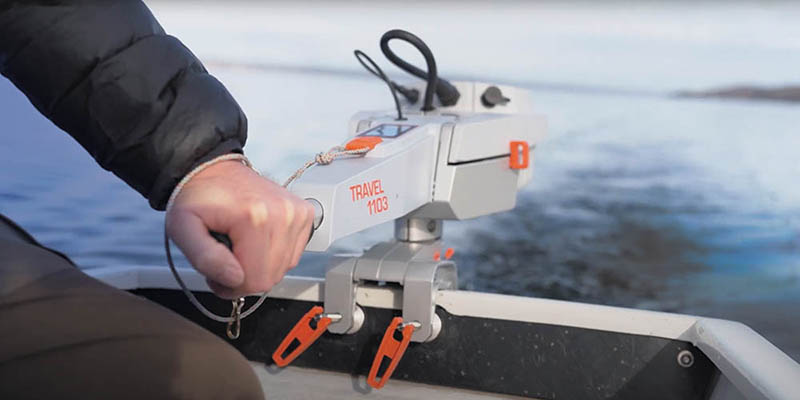
Electric outboard motors are mounted externally to the back of the boat, commonly known as the stern. Their popularity is fueled by their easy installation, manageable weight, and simple routine maintenance. For many recreational boaters, anglers, and day cruisers, outboard electric motors deliver the essential performance required with the added boon of minimal noise.
Key Features of Electric Outboard Motors
- Zero Emissions: Outboards operate without exhaust, making them a responsible choice for the environment.
- Nearly Silent Operation: The absence of combustion means less disturbance—perfect for sensitive natural areas or fishing trips where stealth matters.
- Effortless Usability: Straightforward controls and reduced service demands make electric outboards user-friendly, even for those new to boating.
- Adaptability: Compatible with small to mid-sized boats, including dinghies, fishing craft, inflatables, and sailboats.
Ideal Applications for Electric Outboard Motors
- Casual fishing on lakes or rivers
- Family outings on quiet waterways
- Eco-tourism excursions
- Water taxis on urban lakes and canals
Electric Inboard Motors
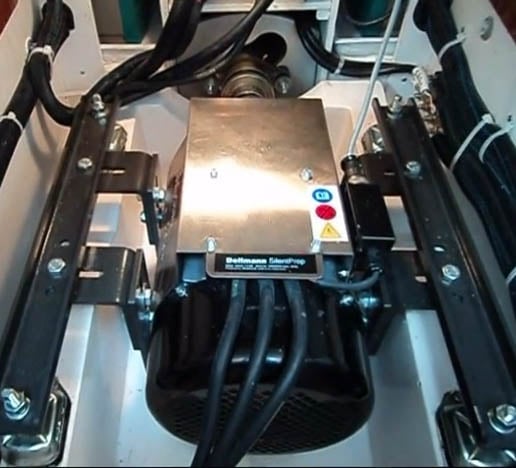
Electric inboards are placed inside the hull and often form an integral part of a vessel's design. By housing the motor within, these systems excel at delivering smooth, balanced power for larger boats and those needing higher performance and longer cruising ranges. They are frequently found in yachts, cabin cruisers, and purpose-built electric vessels.
Advantages of Electric Inboard Motors
- High Output: Capable of moving heavy, large vessels efficiently, even against currents or winds.
- Greater Energy Efficiency: Integrated designs often maximize battery use, extending range per charge.
- Superior Comfort: Interior mounting cuts both noise and vibration, contributing to a more refined cruising experience.
- Potential for Long-Term Savings: Although upfront costs may be higher, inboards often mean lower fuel, maintenance, and repair expenses over time.
Ideal Applications for Electric Inboard Motors
- Coastal and offshore sailing yachts
- Electric ferries for passenger transport
- Commercial workboats with predictable routes
- Larger recreational boats with extended cruising demands
Additional Electric Motor Variants
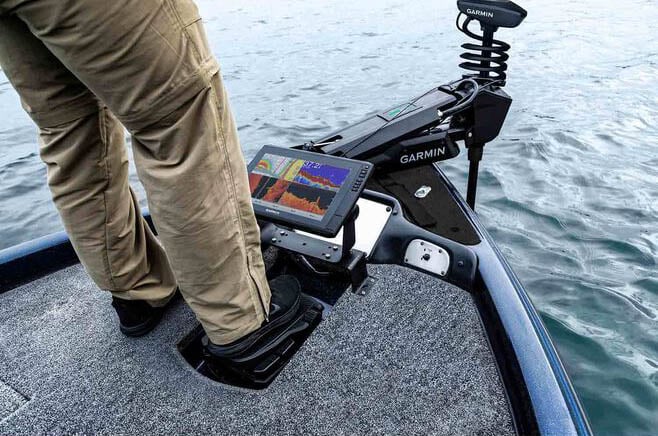
Beyond the standard outboard and inboard types, electric pod drives and trolling motors also feature on the market. Pod drives provide direct thrust in compact forms, while electric trolling motors allow for precise, slow-speed maneuvering—favored by anglers for their control and discrete operation.
Common Electric Motor System Components
- Battery Bank: Supplies the power required for propulsion, often using lithium-ion, AGM, or lithium iron phosphate (LiFePO4) technologies.
- Motor Controller: Regulates the energy going to the motor, managing speed and efficiency.
- Charging System: Enables replenishment of batteries from shoreside power, onboard generators, or solar panels.
Electric vs. Internal Combustion Marine Motors
Switching to electric means trading familiar fuel fill-ups and exhaust fumes for battery management and quiet operation. While range is a crucial consideration, ongoing advancements in battery capacity have narrowed the performance gap, letting electric systems rival combustion in many day-use situations.
Performance Comparison
- Range: Electric motors are presently limited by battery capacity; suitable for short to medium trips.
- Efficiency: Electric powertrains often convert a higher percentage of energy into thrust.
- Service Needs: Electric motors contain fewer moving parts, leading to simpler and less frequent upkeep.
Environmental and Regulatory Factors
- Increasing restrictions on fuel-powered engines in sensitive waterways
- Local incentive programs for adopting cleaner marine technology
- Silent running preserves natural soundscapes and benefits aquatic wildlife
The Importance of Propellers in Electric Boat Motors
While the motor delivers power, the propeller is essential for translating that energy into movement. Selecting the correct propeller amplifies efficiency, ensures appropriate top speed, and permits smooth handling. Understanding propeller characteristics greatly enhances your ability to get the most from any electric propulsion setup.
How Do Propellers Work?
Propellers operate by rotating and moving water backwards, which, by the principle of action and reaction, propels the boat forwards. The design details—number of blades, pitch, diameter, and material—substantially define how this process unfolds on water.
Key Propeller Specifications:
- Diameter: The measurement across the circle made by the blade tips. Larger diameters typically move more water, suitable for heavier boats.
- Pitch: Indicates how far a propeller would travel in one full rotation if moving through a solid. Higher pitches yield greater speed but less torque.
- Blade Count: More blades improve acceleration and thrust for heavy loads, while fewer blades favor speed and efficiency for lighter craft.
- Material: Influences durability, cost, and performance; common choices are aluminum and stainless steel.
Types of Propellers for Electric Motors
Two-Blade Propellers
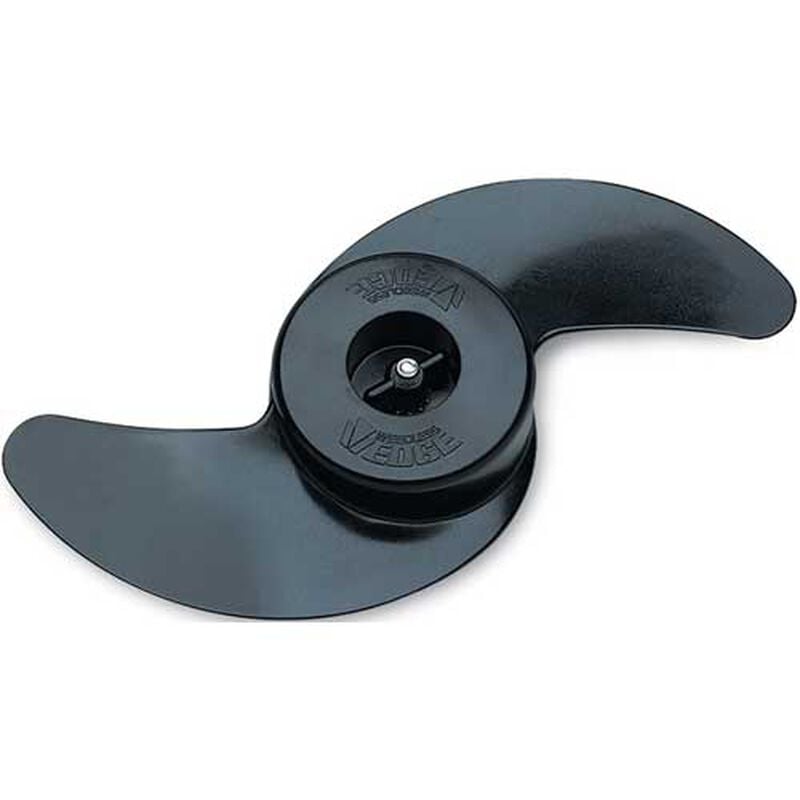
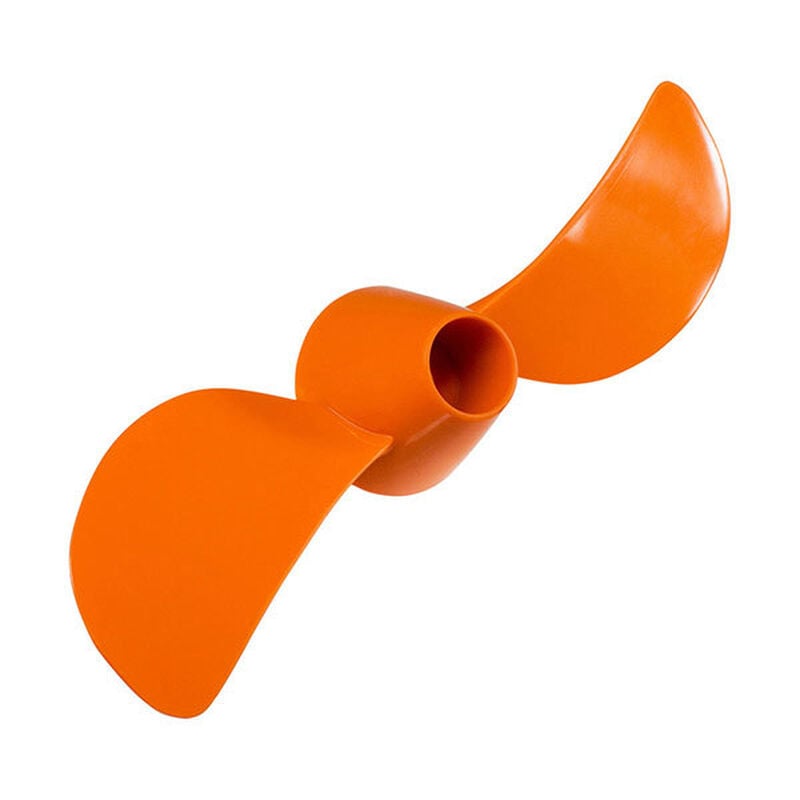
Two-blade propellers are common on electric trolling motors, small outboards, and light inboard electric systems. Their design prioritizes efficiency at low speeds and extended battery runtime, making them ideal for fishing, wildlife observation, and other quiet-water applications.
Why Choose a Two-Blade?
- Lower drag, maximizing battery life
- Quieter operation, minimizing vibration and noise
- Simple and cost-effective design
Three-Blade Propellers
Three-blade models are the standard in the recreational boating world. Their balance of efficiency and top-end speed fits the broadest range of everyday uses and hull designs.
Why Choose a Three-Blade?
- Broad compatibility with small and mid-sized boats
- Good fuel (or battery) economy
- Reliable all-around performance
Four-Blade Propellers
Four-blade variants provide additional grip in the water, which translates to stronger low-speed thrust and improved handling responsiveness. They are often preferred in rough conditions, for activities requiring sharper maneuvering, or when the vessel carries heavier loads.
Specific Benefits of Four-Blade Propellers
- Faster planing and better "hole shot" (initial acceleration) for boats that can utilize the extra thrust
- Improved performance with heavier vessels or full passenger loads
- Enhanced control and stability in choppy water
Stainless Steel vs. Aluminum Propellers
- Stainless Steel Propellers: Noted for strength, resilience, and corrosion resistance, stainless steels are ideal for high-output or demanding applications.
- Aluminum Propellers: Lighter and less expensive, these offer a practical solution for most casual and recreational users.
Other Materials and Alternatives
- Composite Propellers: Use advanced plastics for reduced weight; durability can vary by design and manufacturer.
- Bronze Propellers: Common on classic or commercial boats, providing high corrosion resistance at a higher cost.
Matching Propellers to Your Electric Motor
Efficiency and boat handling depend on finding the correct propeller size and type for your specific electric motor. A poorly matched propeller can lead to excessive battery draw, motor overheating, sluggish response, or potential damage to the system.
Key Considerations When Selecting a Propeller
- Boat Design and Load: Hull shape, weight, and intended capacity determine the load your propeller must drive.
- Motor Output: Torque and rotational speed should align with the propeller's diameter and pitch for optimal performance.
- Usage Patterns: High-speed cruising, slow maneuvering, fishing, or towing all benefit from different propeller characteristics.
- Water Conditions: Propellers may need to be optimized for rivers, choppy lakes, or marine environments, balancing thrust and corrosion resistance.
Testing and Fine-Tuning
Many enthusiasts experiment with different propeller types and sizes to achieve the best performance. Monitoring acceleration, top speed, and battery usage can help identify the optimal setup.
Frequently Asked Questions
Top Picks: What Are the Best Electric Boat Motors?
The choice depends on vessel size, water conditions, and performance goals. Leading brands—including ePropulsion, Torqeedo, Minn Kota, Pure Watercraft, and Elco—offer systems for fishing kayaks, sailboats, and pontoons. Key factors include power output (kilowatts or horsepower equivalent), battery runtime, onboard monitoring features, and installation ease.
Sizing Up: How Big of an Electric Motor Do I Need for My Boat?
Consider your boat’s length, width, weight, and typical passenger/equipment loads. Manufacturer charts help choose the correct motor for safe, reliable operation. Underpowered motors strain batteries and limit range; overpowered systems add unnecessary cost and weight.
Battery Endurance: How Long Will an Electric Boat Motor Run?
Runtime depends on battery capacity (amp-hours or kilowatt-hours), motor efficiency, and operating speed. Moderate cruising may allow several hours, but high-speed or prolonged use will reduce runtime. Advances in lithium-ion technology continue to extend operating durations.
Range-Improving Tips
- Use variable throttle to maximize efficiency
- Trim the boat for optimal glide
- Add supplemental solar or generator charging when feasible
The Transition: Are Electric Boat Motors a Good Choice?
Electric motors are quiet, require less maintenance, and reduce moving parts. For most small to medium boats—especially on regulated waterways—they deliver a positive experience.
Performance Capabilities: How Fast Can an Electric Boat Motor Go?
Speed depends on motor power, hull type, and propeller match. Modern electric outboards/inboards can reach speeds previously possible only with small combustion engines. Expect 5 mph for small trolling motors up to 20+ mph with high-output systems and compatible hulls.
Maintenance Practices: How Do I Maintain an Electric Boat Motor?
Even with fewer moving parts, proper care extends system life. Key practices include:
- Inspect battery connections for tightness and corrosion
- Keep the motor and electrical contacts free from moisture and debris
- Rinse the system with fresh water after saltwater use
- Check for firmware/software updates on digital units
- Store batteries in a cool, dry place and avoid deep discharges
Battery Choices: What Kind of Battery Is Best for Electric Boat Motors?
Lithium-ion batteries are preferred for high energy density, long cycle life, and light weight. Deep-cycle lead-acid (AGM or Gel) still serve some lower-power applications. Always follow manufacturer recommendations and size batteries for your range and power needs.
Battery Safety Tips
- Use only compatible chargers and cables
- Secure the battery firmly
- Install appropriate fuses or breakers
Retrofits: Can I Convert My Existing Boat to Electric?
Most boats can be retrofitted with electric propulsion, depending on hull design, battery space, wiring, and weight balance. Upgrades may involve reconfiguring electrical systems, reinforcing motor mounts, and adapting steering/throttle controls. Consult a marine electrician or specialist for best results.
Common Conversion Steps
- Remove old propulsion units, fuel lines, and exhaust
- Design battery enclosures with ventilation and access
- Install controls and displays for motor management
- Test afloat for trim, range, and system reliability
Incentive Programs: Are There Benefits for Going Electric?
Some regions offer financial incentives, tax breaks, or rebates for eco-friendly marine purchases. Visit local government or marine trade association sites for details.
Essential Accessories for Electric Boat Motors
- Quality onboard or portable battery chargers
- Spare, fully charged batteries for extended trips
- Digital monitoring and display units
- Protective covers for water and UV protection
- Remote throttles and steering attachments
Saltwater Considerations: How Does Marine Use Impact Electric Motors?
Saltwater is more corrosive than freshwater and requires extra care. Choose motors and propellers rated for saltwater, using coatings or stainless/bronze materials. Rinse and dry after use, and regularly inspect for corrosion.
Regenerative Braking: What Is It in Marine Systems?
Some advanced electric drives regenerate energy when slowing or under sail, returning it to the battery bank. This can extend range slightly, especially for sailboats and hybrid vessels.
Renewable Power: Can I Use Solar Panels With Electric Boat Motors?
Solar charging supplements battery reserves and is useful on long trips or when shore power is unavailable. Solar kits include panels, charge controllers, and mounting hardware. Solar alone may not provide primary propulsion on larger boats but helps maintain battery charge for moderate use.
Propeller Diagnosis: How Do I Know if My Propeller Is Correct?
Signs of an incorrect propeller include slow acceleration, high battery draw, inability to reach target speed, or motor overheating. Corrective measures may involve changing diameter, pitch, material, or blade count. Consult marine engineers or propeller specialists if issues persist.
Saltwater Fishing: Are Electric Motors Suitable?
With appropriate saltwater-rated hardware and maintenance, electric boats work well for fishing. Benefits include quiet operation, no fuel spills, and better maneuverability in shallow or tight areas.
Electric Boat Motor Safety and Legal Considerations
Check local regulations for motor operation, safety equipment, and maximum speeds/power. Always carry essential safety gear and follow boating authority guidelines.
Are You Ready To Upgrade Your Electric Boat Motor With A New Propeller?
Advancements in electric boat motors and propellers have ushered in a new era of clean, efficient, and enjoyable boating. With an understanding of motor types, propeller choices, battery considerations, and regular maintenance practices, today’s boaters can responsibly harness the benefits of electric power on water. By carefully matching system components to vessel requirements and expected use, enthusiasts and professionals alike can experience unrivaled performance, reliability, and environmental stewardship—making every trip a memorable adventure.