Outboard Propellers: A Comprehensive Guide for Boaters
Choosing the right propeller for your outboard motor is essential for optimizing your boat's performance and ensuring an enjoyable experience on the water. Whether you are a recreational boater, an avid angler, or a marine industry professional, understanding the nuances of outboard propellers will help you make better decisions for your vessel. This extensive guide explores the essentials of selecting, maintaining, and upgrading outboard propellers, while providing answers to frequently asked questions to help you navigate the world of marine propulsion with confidence.
Understanding Outboard Motors and Propellers
What is an Outboard Motor?
An outboard motor is a compact, self-contained engine system that mounts to the boat’s transom. It integrates the engine, gearbox, and propeller into one unit and provides both propulsion and steering. Outboard motors are highly valued for their versatility and ease of maintenance. Their portability allows boaters to easily remove, replace, or upgrade their engine depending on vessel requirements or intended use. Whether you operate a small fishing skiff or a larger center console, an outboard motor offers a practical and efficient means of power and mobility.
The Role of Propellers
The propeller is the vital link between the engine and the water, converting rotary motion into thrust that moves the boat forward or backward. The characteristics and configuration of a propeller—such as material, blade shape, diameter, and pitch—have a profound impact on performance metrics like acceleration, top speed, fuel efficiency, and overall handling. Selecting the appropriate propeller can optimize load-carrying capacity, improve hole shot (acceleration from a stop), and ensure the engine operates at the recommended revolutions per minute (RPM) range. A mismatch can result in sluggish response, excess fuel consumption, engine strain, or even long-term damage. Understanding propeller basics is a must for maximizing your time on the water.
Types of Outboard Propellers
Material Matters: Aluminum vs. Stainless Steel
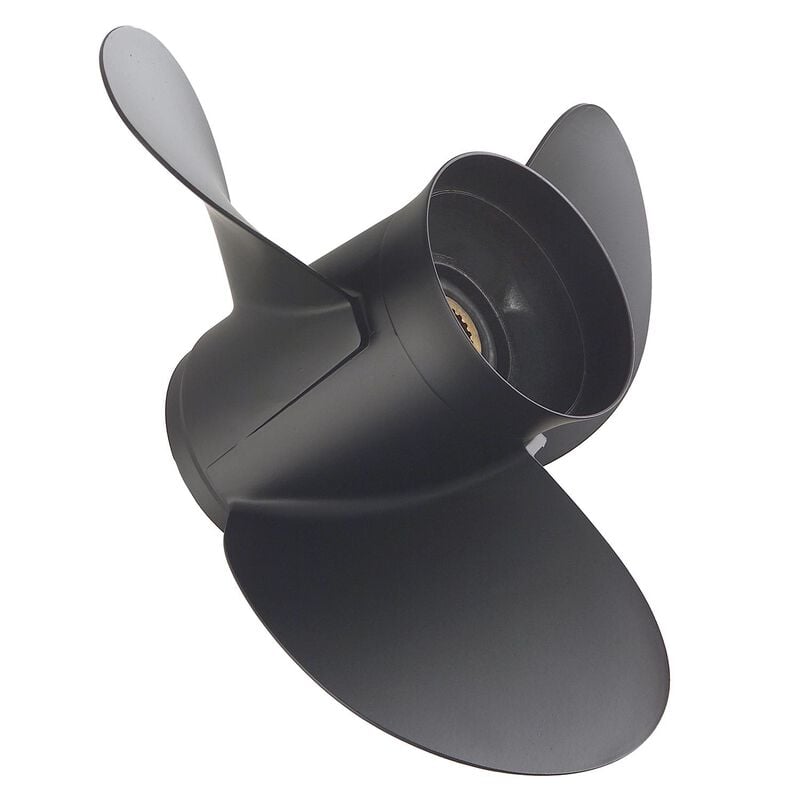
- Aluminum Propellers: Aluminum propellers are a popular choice for many casual boaters due to their affordability and lightweight construction. These propellers deliver satisfactory performance for smaller vessels and engines, handling everyday boating needs with reliability. They are also more prone to flexing under heavy loads or high horsepower, which can affect efficiency at higher speeds. For those who operate primarily on lakes or rivers and are conscious of budget, aluminum propellers offer considerable value. Additionally, if you frequently boat in shallow or debris-filled waters, you may find aluminum propellers economically appealing, as replacing a damaged propeller is less costly.
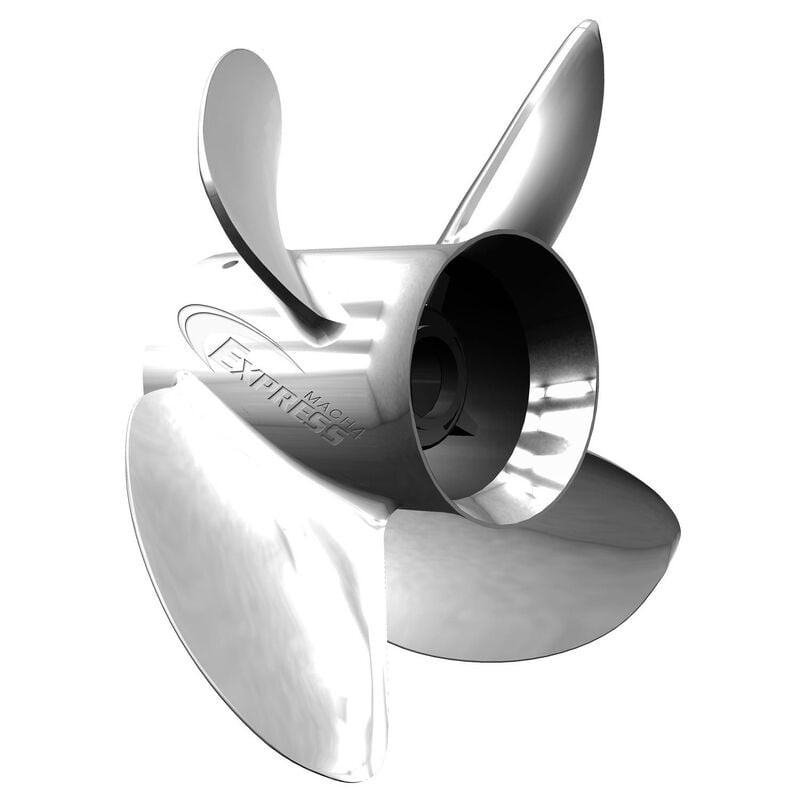
- Stainless Steel Propellers: Premium stainless steel propellers provide unmatched strength and longevity, resisting flex at high speeds and in demanding conditions. This rigidity ensures that more engine power is translated directly into thrust, enhancing acceleration and top speed. Stainless propellers tend to feature more complex blade designs, further boosting efficiency and fine-tuning performance for a wide range of specialized applications. Their durability, however, comes at a higher initial investment, making them most suitable for dedicated anglers, performance-minded boaters, and those who navigate coastal or offshore environments. Stainless steel is also more resistant to corrosion—a major advantage in saltwater environments.
Blade Count: Three-Blade vs. Four-Blade
- Three-Blade Propellers: These provide a balanced compromise between speed and efficiency, making them the standard choice for recreational and multipurpose boating. Three-blade designs deliver reduced drag and superior top speed while remaining adaptable to a variety of hull types and engine setups. Their popularity is a testament to their versatility, capable of performing well whether you’re cruising, fishing, or towing a skier.
- Four-Blade Propellers: Featuring an extra blade, four-blade propellers excel in situations that demand quick acceleration, improved planing, and greater load-carrying capacity. The additional blade provides more grip in the water, resulting in better handling, especially at lower speeds or rough conditions. Four-blade props are preferred for water sports, heavier boats, or when increased maneuverability and stability are priorities. Although they generally sacrifice a bit of top-end speed, they make up for it with superior control and responsiveness.
Specialized Propellers
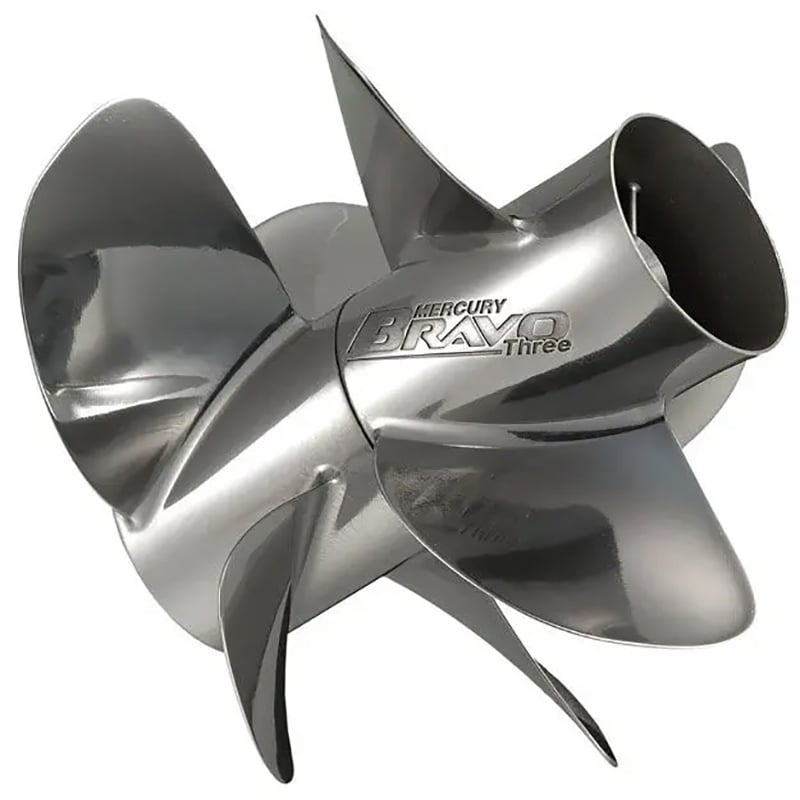
- Counter-Rotating Propellers: Found in twin-engine installations, counter-rotating propellers spin in opposite directions on each engine, effectively canceling out the torque that can cause unwanted steering pull. This setup enhances handling and straight-line tracking, particularly important for larger boats and when precise maneuvering is required.
- High-Performance Propellers: Tailored for racing, offshore angling, and other high-speed applications, performance propellers utilize advanced blade designs, specialized materials, and precise engineering to squeeze out every bit of speed and efficiency. Such propellers are often custom-matched to specific engine and hull combinations and are chosen by those seeking maximum results from their vessel.
Choosing the Right Propeller for Your Boat
Factors to Consider When Choosing A Boat Propeller
- Boat Type and Usage: Your boat’s design, hull shape, and primary activities on the water directly influence the sort of propeller best suited to your needs. For example, a center console intended for offshore fishing may call for a different propeller setup compared to a lightweight runabout used for casual cruising or water skiing. Always consider whether you prioritize acceleration, top speed, carrying capacity, or stability.
- Engine Specifications: Every outboard motor has an optimal horsepower range and maximum recommended RPM. The propeller must allow the engine to reach this RPM, ensuring reliable performance and preventing undue strain or damage. Consult your engine manual or manufacturer for the proper RPM range and size recommendations.
- Performance Goals: Are you aiming for breakneck speed, improved low-end torque for towing, or greater fuel savings? Identifying your primary goal helps narrow down your options (e.g., higher pitch for speed, lower pitch for acceleration and load-lifting ability).
- Weight and Load: Heavier boats or those that routinely carry more passengers and gear may require a lower-pitch or four-blade propeller to achieve optimal performance. Adjusting propeller size or blade number can compensate for extra weight and prevent engine lugging.
- Water Conditions: The typical waters you navigate—calm lakes, choppy bays, or open ocean—may also dictate your propeller choice. In rougher conditions, stability and grip are crucial, making four-blade props or specialized designs preferable.
How To Buy The Right Propeller
- Pitch and Diameter: The two most critical dimensions on any propeller, pitch refers to how far, theoretically, the propeller would move in one complete spin (if it didn’t slip), while diameter is the width of the circle the blades make. A higher pitch moves the boat faster but requires more power; a lower pitch offers better acceleration but may limit top speed. Matching these dimensions to your engine and intended use is key.
- Trial and Error: Sometimes, the most accurate way to pinpoint your ideal propeller is through hands-on experimentation. Many reputable marine retailers facilitate test or exchange programs, letting you try different sizes and designs without committing to a single model. Monitor speed, RPMs, fuel burn, and handling characteristics to determine the best match.
- Consult the Experts: Boat dealers, mechanics, and seasoned marine professionals can provide invaluable advice. Don’t hesitate to seek guidance—sometimes, subtle aspects of hull design or usage habits can impact propeller selection in surprising ways.
Maintaining Your Outboard Propeller
Propeller Inspection and Cleaning
- Visual Checks: Inspect your propeller before and after every outing. Look for visible damage like nicks, dings, bends, or cracks that could impair performance or cause vibration. Even minor imperfections can impact efficiency or aggravate engine wear over time.
- Cleaning: Periodically clear the propeller of tangled fishing line, weeds, barnacles, or marine growth, which can not only sap power but also contribute to corrosion and imbalance. Use a mild detergent and soft brush to remove buildup. For boats used in saltwater, rinse with fresh water after every trip to prevent corrosion.
Propeller Repair and Replacement
- Minor Repairs: Small imperfections (dings, superficial bends) can be smoothed with a file or sandpaper. Address these as soon as possible to avoid exacerbating the issue. Maintaining blade symmetry and shape is essential for safe operation.
- Replacement: If a propeller is severely bent, misshapen, shows signs of cracking, or causes persistent vibration even after attempts at balancing, replacement is often the best solution. Upgrading at this point can also provide an opportunity to boost your vessel’s efficiency or performance to match new needs or changing load requirements.
Upgrading Your Outboard Propeller
When to Upgrade Your Propeller
- Performance Issues: If you are noticing sluggish acceleration, a drop in top speed, increased fuel consumption, or the engine exceeding or failing to reach its recommended RPM range at wide-open throttle, a different propeller may resolve these issues. Periodic evaluation of your boat’s performance helps uncover when it’s time to consider an upgrade.
- Changing Needs: As your boating habits evolve—perhaps you start towing water toys, carrying heavier loads, or exploring new waterways— your propeller may need upgrading to maintain optimal results.
Benefits of Upgrading Your Propeller
- Improved Efficiency: Selecting the right propeller can reduce fuel consumption by allowing the engine to run more efficiently. A better match means less wasted energy and smoother operation, translating to longer days on the water with fewer trips to the pump.
- Enhanced Performance: A propeller matched to your present needs can improve every aspect of your boating experience: quicker hole shots, higher top speeds, steadier tracking, and improved maneuverability. Upgrades are particularly noticeable if you switch to higher-quality materials or more advanced blade designs.
- Extended Engine Life: When your engine reaches the correct RPM range, it operates within its designated limits, reducing strain and wear. This can extend the overall life of your outboard motor, minimizing maintenance costs and downtime.
Frequently Asked Questions (FAQ) About Outboard Propellers
What happens if I use the wrong propeller size on my boat?
A mismatched propeller can cause a host of issues, from poor acceleration and reduced top speed, to excessive fuel consumption, engine over-revving, or lugging (operating at too low a RPM). Over time, these problems can contribute to engine wear or mechanical failure. Always choose a propeller that maintains engine RPM within the manufacturer’s recommended range at full throttle with your typical load.
How do I know if my propeller needs to be replaced?
Visible signs of damage (cracks, bends, or excessive wear), persistent vibrations, or a notable drop in performance are all signals that your propeller may be due for replacement. If minor repairs don’t resolve issues and the damage appears structural, replace your propeller promptly to avoid harming the engine or transmission components.
Can I switch between aluminum and stainless steel propellers directly?
Yes, but you should be aware that stainless steel propellers are typically heavier and less prone to flexing. Often, a stainless propeller with the same pitch as an aluminum one will yield slightly increased engine RPM, so you may need to adjust pitch to fine-tune maximum RPM. Consult professional advice or review your engine’s operating range after making the swap.
Should I carry a spare propeller?
Carrying a spare propeller—and the tools necessary to install it—can be invaluable in avoiding lengthy delays on the water. This is particularly important if you frequent shallow areas, rivers with gravel bars, or environments with underwater hazards. Even a basic, serviceable aluminum prop makes for an effective backup solution.
How tight should my propeller be?
The propeller should be snug but not overtightened. Most manufacturers specify a torque setting, which should always be followed. Use a cotter pin to secure the nut, preventing it from backing off during operation.
What maintenance should I perform on the propeller shaft?
During routine maintenance, remove the propeller and inspect the shaft for fishing line or debris wrapped around it, which can damage seals and cause gearcase leaks. Apply a marine-grade waterproof grease to the shaft regularly to prevent the propeller from seizing and to ease future removal.
Does the number of blades affect cavitation or ventilation?
The design and number of blades influence how water flows around the propeller, potentially affecting cavitation (when low pressure causes bubbles that can damage the blade) and ventilation (when air is drawn from the surface instead of water). Four-blade propellers provide improved grip and reduce the risk of ventilation, especially useful in rough conditions or with heavily loaded boats. However, all components—hull shape, engine height, and prop design—work together to control these phenomena.
Can I improve fuel economy with a different propeller?
Absolutely. By allowing your engine to operate within its optimal RPM range and matching the propeller design to your boat's use profile, you can often realize notable savings at the pump. In some cases, upgrading to a modern, efficient stainless steel propeller can yield measurable improvements in both speed and mileage, especially over long distances.
How often should I inspect my boat’s propeller?
As a best practice, inspect your propeller and shaft before every trip, especially if you operate in areas with submerged hazards. Comprehensive inspections (removal, cleaning, and greasing) should be performed at least once each boating season or every 100 hours of operation, whichever comes first.
What is cupping, and how does it affect performance?
Cupping is the addition of a small curve or “cup” at the trailing edge of propeller blades. This modification can improve grip in the water, help reduce ventilation, and boost overall efficiency. Propellers with more pronounced cupping may allow a higher engine mounting position on the transom or provide additional bite in choppy or high-speed conditions.
Will changing the propeller void my outboard motor warranty?
Switching propellers within the manufacturer’s recommendations generally does not void warranties. However, consistently operating your engine outside of prescribed RPM ranges—such as regularly over-revving due to a mismatched propeller—could potentially affect warranty coverage on engine components. Always consult your manual or an authorized dealer when making major changes.
What is an outboard motor on a boat?
An outboard is a self-contained engine mounted on the transom that powers and steers the boat. It combines the engine, gearbox, and propeller in one unit.
What are the four types of boat engines?
The main types are outboard engines, inboard engines, stern drives (I/O), and jet drives. Each has unique advantages depending on boat size and use.
What size outboard motor do I need for my boat?
Match horsepower to boat length and weight. Small boats (10–14 ft) often need 6–20 HP, mid-sized boats (15–20 ft) may use 40–115 HP, while offshore boats may require 150 HP or more. Always follow your boat’s rating plate.
What is the average cost of an outboard motor?
Small portable motors start around $900, mid-range models range from $5,000–$12,000, and high-horsepower outboards can cost $20,000–$60,000 or more.
Are outboards 2-stroke or 4-stroke?
Both exist. Two-strokes are lighter and deliver quick acceleration, while four-strokes are quieter, fuel-efficient, and dominate today’s recreational market.
Why choose outboard vs. inboard?
Outboards are easier to maintain, lighter, and more maneuverable, making them popular for fishing and offshore boats. Inboards are smoother, quieter, and common in larger cruisers and ski boats.
How fast does a 3.5 HP outboard motor go?
A 3.5 HP motor typically moves a small 10–12 ft boat at 5–7 mph in calm conditions.
What are the main types of boat propellers?
Common types include three-blade props (higher speed), four-blade props (better grip and handling), and specialized propellers like counter-rotating or high-performance designs.
Which is faster, a 3-blade or 4-blade prop?
Three-blade props usually provide more top speed, while four-blade props improve acceleration, stability, and load-carrying performance.
How do I choose the right propeller for my boat?
Consider your boat type, load, engine specs, and performance goals. Pitch, diameter, and blade count all affect speed, fuel economy, and handling.
What is the lifespan of a boat propeller?
Aluminum props may last a few seasons, while stainless steel props can last 10+ years with proper care and maintenance.
Why do most ocean boats use outboards?
Outboards are durable, saltwater-ready, easy to service offshore, and allow multiple engines for safety and redundancy in open-water conditions.
Ready To Buy Your Next Propeller For Your Outboard Motor?
Selecting the right outboard propeller is a decision that directly impacts every aspect of your boating experience. By understanding the interplay of blade count, material, pitch, and diameter, and considering both your vessel’s design and your unique on-water objectives, you can optimize efficiency, safety, and enjoyment. Routine maintenance and periodic evaluation help sustain performance and prevent avoidable repairs or engine damage. Whether you cruise for leisure, fish with friends, or push the limits in marine sports, investing in the right propeller ensures many seasons of reliable fun. Whenever in doubt, consult West Marine's industry professionals & trusted resources so the right choice keeps you ahead of the wake.