Guide to Sterndrive Engines and Propellers
Sterndrive engines and propellers are essential for maximizing the potential of many boats, offering an exceptional blend of strength, efficiency, and adaptability. Whether you’re a weekend explorer, angler, or marine professional, understanding these key components can elevate your time on the water. This detailed guide explores every facet of sterndrive engines and their propellers, providing the knowledge you need to make the best choices for your boating goals.
Introduction to Sterndrive Engines
Sterndrive engines—often called inboard/outboard (I/O) engines—pair the stability of inboards with the maneuverability of outboards. The main engine is housed inside the hull for a low center of gravity and balanced weight distribution, while the outdrive—including the propeller and steering—is mounted through the transom. This design is favored for combining strong performance with smooth handling and flexible setup options, making sterndrives suitable for a variety of boat types and activities.
Advantages of Sterndrive Engines
- Deck Space Optimization: Internal engines leave the rear deck area open, giving passengers extra room and offering space for fishing, sunbathing, or storage.
- Enhanced Performance: These engines offer robust acceleration and impressive speed, suitable for towing, cruising, or adventurous outings.
- Precision Handling: Adjustable outdrives help fine-tune handling, fuel efficiency, and draft, making beaching and shallow navigation easier.
- Quieter Operation: Engine noise is muted inside the hull, allowing for relaxed conversations and a more pleasant atmosphere onboard.
- Diverse Application: Equally at home on placid lakes or choppy coastal waters, sterndrives are trusted for a broad range of marine adventures.
Disadvantages of Sterndrive Engines
- Maintenance Complexity: The hybrid nature means more frequent checks and servicing than some other propulsion types.
- Potential for Corrosion: Dual-location components, especially in saltwater, require diligent upkeep to prevent wear.
- Repair Challenges: Some repairs can be intricate given the routing of components through the hull and outdrive.
Comparing Sterndrive with Other Marine Engines
Selecting the correct style of engine affects your boat’s performance, ongoing care, and suitability for specific activities. Here’s a closer look at how sterndrives compare to inboard and outboard setups:
Sterndrive vs. Inboard Engines
- Configuration: Inboards are mounted fully within the boat with power delivered via a straight shaft. Sterndrives blend an internal engine with a stern-mounted outdrive.
- Handling & Maintenance: Sterndrives offer more precise control, easier maintenance access, and superior trim capabilities, while inboards shine for raw power and consistent towing, especially in larger craft.
- Space Usage: By leaving the stern clear, sterndrives increase useable space; inboards with centralized engines can take up more cabin room.
Sterndrive vs. Outboard Engines
- Mounting: Outboards attach completely to the transom, easily removable for service or storage. Sterndrives blend internal and external components.
- Weight Distribution & Performance: Sterndrives often yield a smoother ride with better weight balance, more deck room, and quieter running.
- Operational Flexibility: Outboards are often lighter and easier to tilt clear of the water, while sterndrives excel in mixed-use settings and thanks to their unobstructed sterns.
Understanding Boat Propellers
Propellers are the link between your engine’s power and water movement. The type, design, and material of your prop greatly influence speed, acceleration, efficiency, and handling. Carefully choosing a propeller can help you get the best from your sterndrive engine.
Types of Propellers
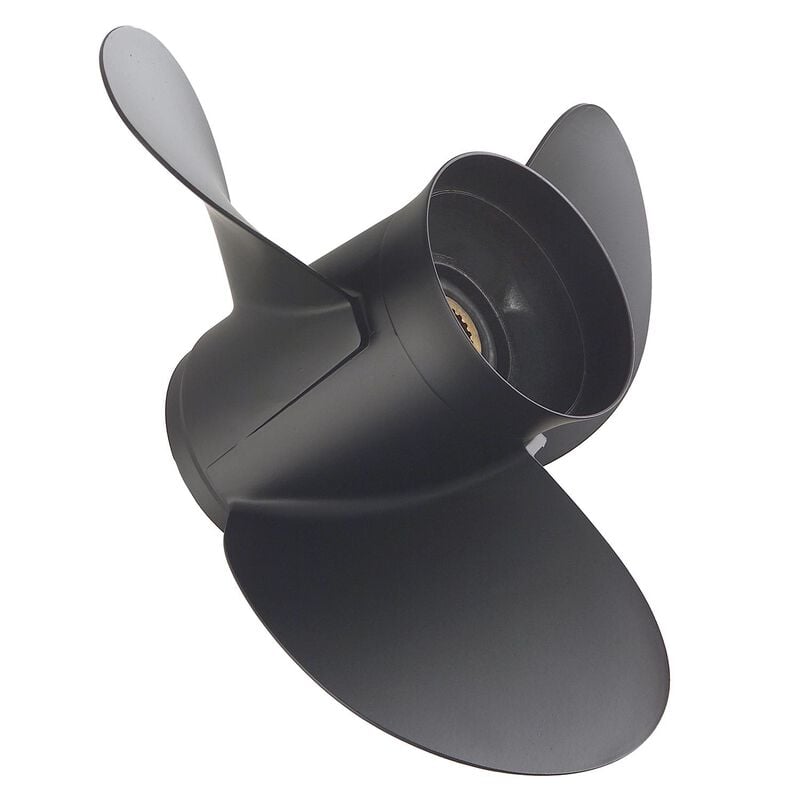
- Three-Blade Propellers: The most widely used, striking a balance between speed and economy, ideal for all-purpose leisure boating.
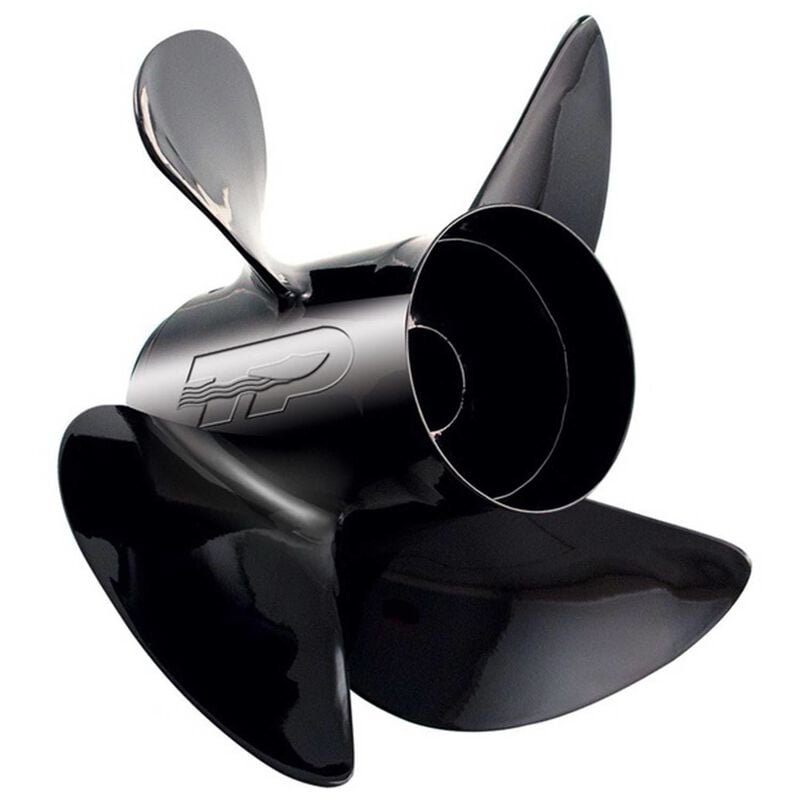
- Four-Blade Propellers: Offer faster acceleration, smoother running, and improved performance with heavy loads or in rougher conditions.
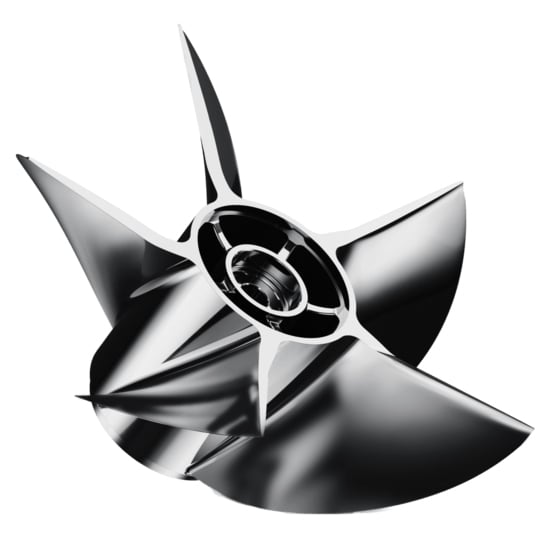
- Five-Blade Propellers: Designed for exceptional smoothness, greater bite in the water, and peak handling for high-performance or luxury applications.
Materials Used in Propeller Construction
- Aluminum Propellers: Affordable, lightweight, and well-suited to beginners or occasional boaters.
- Stainless Steel Propellers: Stronger, more durable, and more efficient, providing better acceleration and handling, especially valuable for frequent boaters or operating in challenging terrain.
How Material Impacts Performance
While aluminum props are budget-friendly and straightforward, they may deform on impact and lose efficiency over time. Stainless steel maintains its shape and performance in rigorous conditions, often delivering improved speeds and fuel savings.
How to Select the Ideal Sterndrive Propeller
Selecting the correct propeller requires an understanding of a variety of factors—boat specifications, desired speed, weight, and common water conditions. Prioritizing the right criteria ensures better efficiency, enjoyable boating, and less strain on your engine.
Key Factors in Propeller Selection
- Pitch: Determines the theoretical distance traveled per propeller revolution. More pitch favors speed at the cost of acceleration, while less pitch delivers better low-speed power for heavier loads.
- Diameter: A prop with a broader diameter is suited to pushing heavier boats and can provide greater stability in chop.
- Blade Count: Additional blades result in smoother operation, greater lift, and security in tight maneuvers or tough conditions.
- Rake and Cup Design: Advanced shapes aid in lift, reduce slippage, and optimize handling at a full range of speeds.
Professional Guidance
Consulting with an experienced marine technician is recommended. They can help you match engine data, hull design, and typical usage to an optimized propeller for safety and the best performance.
Frequently Asked Questions Sterndrive Engines and Propellers
What is a Sterndrive on a Boat?
A sterndrive is a propulsion arrangement featuring an in-hull engine and an outdrive at the stern. This hybrid system combines aspects of both inboard and outboard engines, facilitating strong power, versatile handling, and deck space optimization.
Which Boats Commonly Use Sterndrive Engines?
Sterndrives are often installed in bowriders, sportboats, runabouts, cruisers, and multi-purpose fishing boats. Their mix of deck space, quiet running, and tailored power is valued by both families and enthusiasts.
What Are the Maintenance Requirements for Sterndrive Engines?
Sterndrives require regular checks for fluid levels, periodic oil and gear lubricant changes, flushing after saltwater outings, visual inspections for corrosion and leaks, propeller examination, and timely replacement of sacrificial anodes and bellows as needed.
Are Sterndrives Suitable for Saltwater?
Yes, with diligent care. After each saltwater voyage, thorough flushing and corrosion prevention is essential. Employ marine-grade lubricants and consider specialized coatings to extend component life.
What Are the Main Benefits of Choosing Sterndrive Propulsion?
- Spacious, uncluttered decks
- Quiet, comfortable boating
- Precision control for towing, docking, and navigating
- Adaptable to many vessel sizes and activities
Are There Limitations or Challenges with Sterndrives?
- Regular upkeep is needed to avoid issues
- Complex installations can make some repairs intricate
- Corrosion risk is higher if maintenance is neglected, especially in saltwater environments
Is It Safe to Wakeboard or Surf Behind a Sterndrive?
With proper boat setup and attention to safety, these activities are possible. Never allow anyone near the propeller when the engine is running. Adding ballast and using monitors or spotters enhances safety and fun.
How Do I Distinguish Among Inboard, Outboard, and Sterndrive Setups?
- Inboards: Engine is inside, fixed shaft
- Outboards: Removable engine attached to transom
- Sterndrives: Internal engine with an external outdrive system
Each excels in different boating situations; your ideal choice depends on size, handling, maintenance, and activity needs.
When Should I Change My Propeller?
If you notice sudden changes in acceleration, decreased fuel economy, abnormal vibrations, or damage to the blades, it’s time for a propeller check—and likely a replacement. Annual inspections are a smart practice to maintain optimal performance.
Will a New Propeller Improve Performance?
Switching to a propeller tailored to your vessel, speed goals, and typical loads can greatly enhance acceleration, top speed, handling, and fuel efficiency. Upper-tier materials and the proper pitch or diameter provide tangible upgrades in your boating experience.
Gaining a firm grasp of sterndrive engines and matched propellers is the first step toward enjoyable, efficient, and safe boating. By considering factors like engine style, hull type, propeller shape, and vigilant maintenance, you can configure your vessel for ideal adventures on the water—whether that means gentle cruises, adrenaline-fueled tow sports, or productive fishing trips. Invest in continuous learning about your boat’s systems and routines, and you’ll enjoy many satisfying and memorable journeys on the blue horizon.