Boat Propeller Selection Guide - Shapes & Types
The propeller, often simply called a "prop," is the unsung hero of your boat's propulsion system. This vital component converts your engine's power into thrust, pushing your vessel through the water. Whether you're aiming for blistering top speed, improved fuel efficiency, better acceleration for watersports, or enhanced handling in choppy conditions, selecting the right boat propeller is paramount. It's not just about having a prop; it's about having the optimal prop for your specific boat, engine, and how you use it on the water.
Understanding the nuances of marine propellers can seem complex, but with the right guidance, you can unlock your boat's full potential. While an impeller is used in jet drives to create thrust, a propeller is the rotating blade system found on outboard, sterndrive, and inboard engines, directly responsible for moving your boat. At West Marine, we're here to help you navigate the options and find the perfect propeller to enhance your boating experience.
Understanding Boat Propeller Types
Propellers come in a variety of designs, each optimized for different performance characteristics and boating applications. The number of blades, their shape, and specific features like cupping or pitch can dramatically influence your boat's speed, acceleration, fuel economy, and handling. Understanding these types is key to selecting the right propeller for your vessel.
3-Blade Propellers
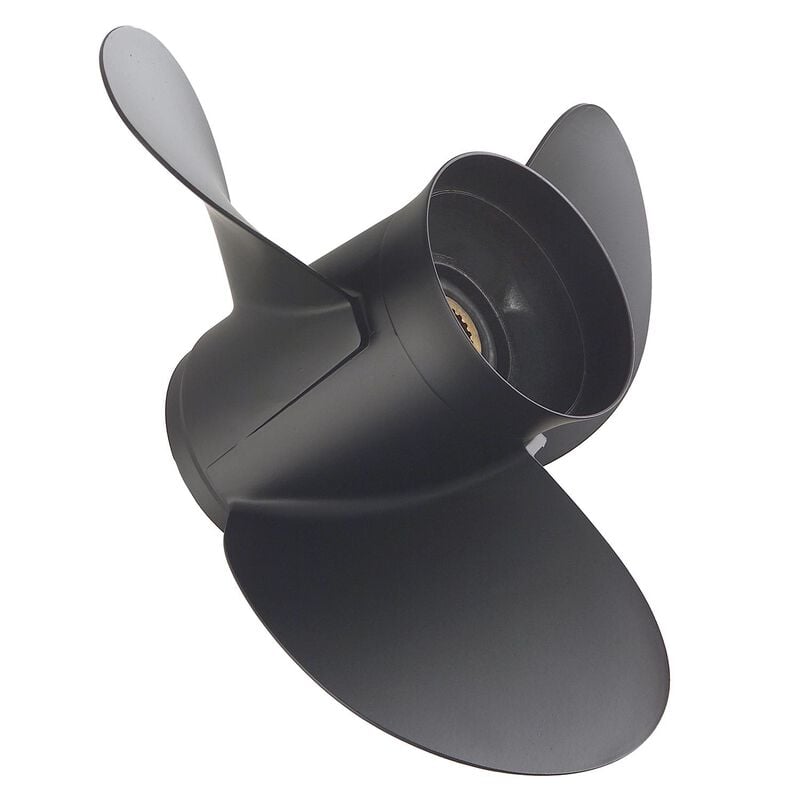
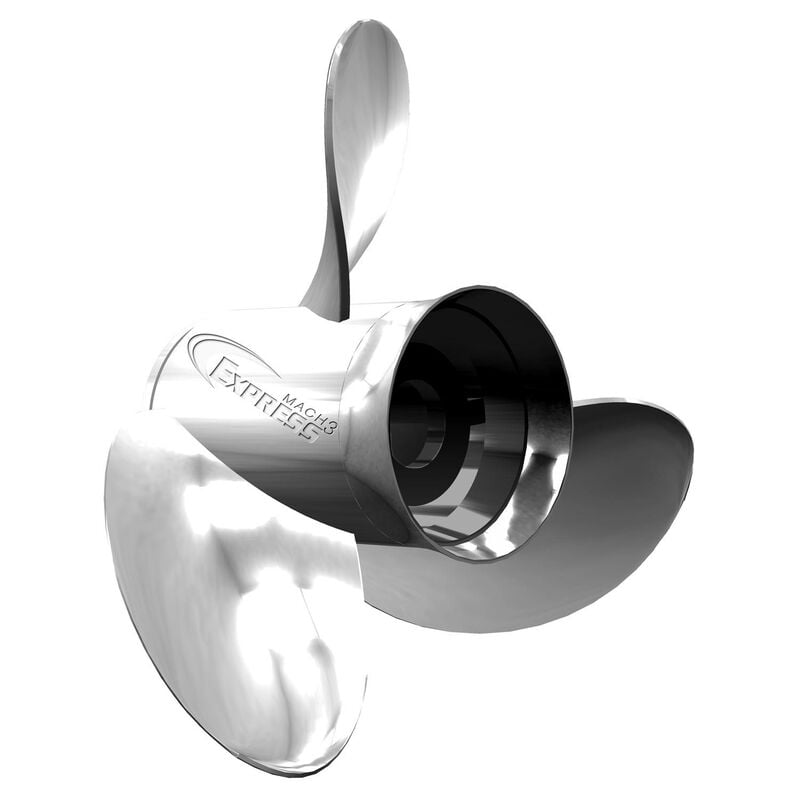
The 3-blade propeller is the most common type found on recreational boats. It generally offers a good balance of top speed and efficiency, making it a versatile choice for many applications. Its design typically results in less drag, allowing the engine to reach higher RPMs and achieve greater maximum speeds, especially on lighter, faster boats.
Click Here To Learn More About 3 Blade Propellers
4-Blade Propellers
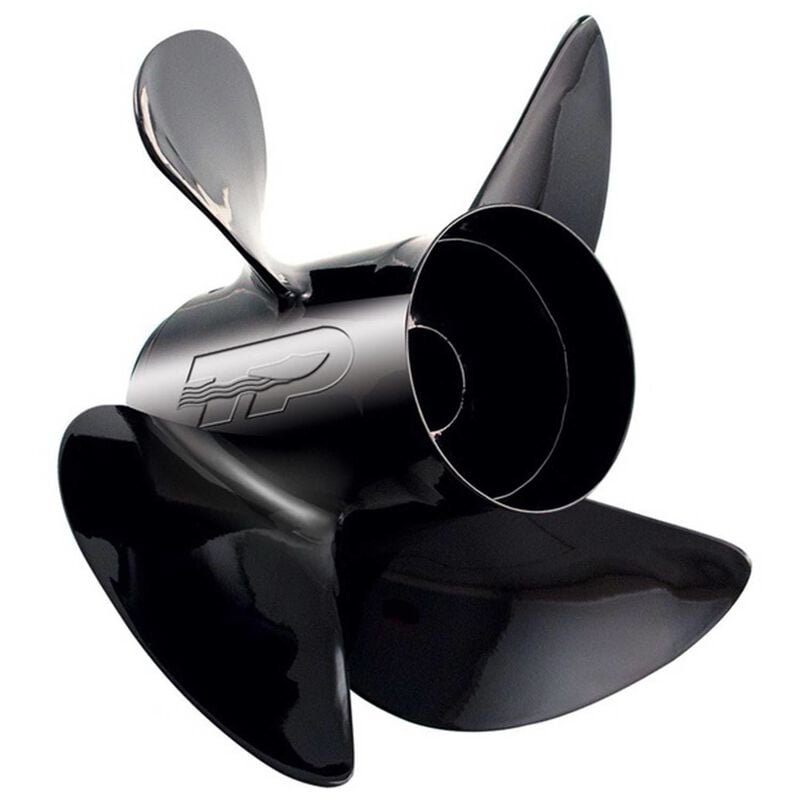
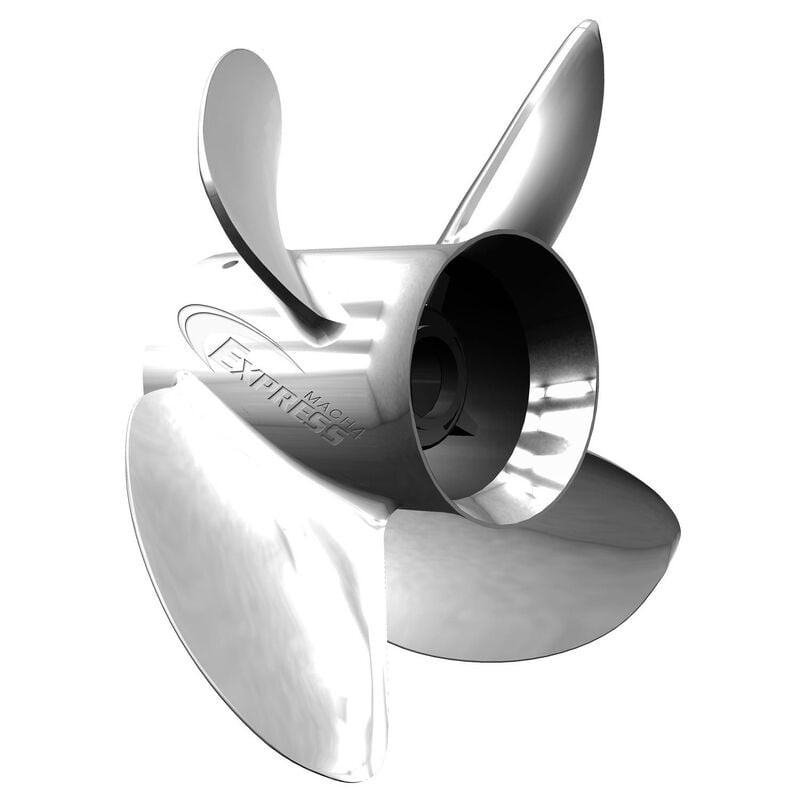
A 4-blade propeller provides increased blade area, which translates to better acceleration, improved grip in the water, and enhanced handling, particularly in rough conditions. While it might sacrifice a small amount of top speed compared to a 3-blade prop, it often improves performance for heavier boats, boats used for watersports like wakeboarding and tubing, or in rough water where maintaining plane and control is important.
Click Here To Learn More About 4 Blade Propellers
5-Blade Propellers
Five-blade propellers are designed for the smoothest operation and exceptional low-speed thrust, significantly reducing vibration and noise. They offer superior grip and can maintain plane at lower speeds, making them ideal for heavy cruisers, houseboats, larger pontoon boats, and some performance boats where smooth ride quality and strong low-end power are prioritized over absolute top speed.
Click Here To Learn More About 5 Blade Propellers
Cupped Propellers
A cupped propeller features a small, curved lip on the trailing edge of the blade. This design increases the propeller's effective pitch, providing additional thrust and reducing ventilation or slippage, especially during turns or in aerated water. Cupped props are excellent for improving "hole shot" (the time it takes to get on plane) and allowing the boat to stay on plane at lower RPMs, enhancing overall performance and efficiency.
Click Here To Learn More About Cupped Propellers
High Thrust Propellers
High thrust propellers are specifically designed with a larger blade area and often a lower pitch to maximize pushing power at slower speeds. These propellers are ideal for heavy displacement vessels, pontoons, houseboats, and sailboats with auxiliary engines. They excel at moving heavy loads efficiently and providing precise control, particularly in challenging conditions or when maneuvering in tight spaces.
Click Here To Learn More About High Thrust Propellers
Surface Piercing Propellers
Surface piercing propellers are engineered to operate with the top half of their blades out of the water, reducing drag and allowing for extremely high speeds. This design is typically found on high-performance offshore boats with specialized drive systems. They require precise setup and are not suitable for general recreational applications, but when properly matched, they deliver exhilarating performance.
Click Here To Learn More About Surface Piercing Propellers
Fixed Pitch Propellers
A fixed pitch propeller has blades that are permanently set at a specific angle or pitch. This is the most common type of propeller for powerboats, offering a straightforward and reliable solution. While they cannot be adjusted for varying conditions, their simplicity and robust design make them suitable for a wide range of recreational and commercial applications.
Click Here To Learn More About Fixed Pitch Propellers
Variable Pitch Propellers
Variable pitch propellers allow the angle of the blades to be adjusted, either manually or automatically, to optimize performance across different RPMs, loads, and water conditions. This adaptability can lead to improved fuel efficiency and performance flexibility, though they are more complex and are typically used on larger, more sophisticated vessels or some sailboats.
Click Here To Learn More About Variable Pitch Propellers
Folding Propellers
Folding propellers are primarily used on sailboats. When the engine is not in use, the blades fold back towards the propeller hub, significantly reducing drag while sailing. This design helps maintain sailing speed and efficiency by minimizing resistance from the propeller, which can otherwise act like a brake.
Click Here To Learn More About Folding Propellers
Feathering Propellers
Feathering propellers, also common on sailboats, allow their blades to rotate and align with the water flow when the engine is disengaged. This "feathered" position creates even less drag than a folding propeller, making them highly efficient for racing sailboats where speed is critical. They are generally more complex and expensive than folding props but offer superior hydrodynamic performance.
Click Here To Learn More About Feathering Propellers
Dual Prop Systems
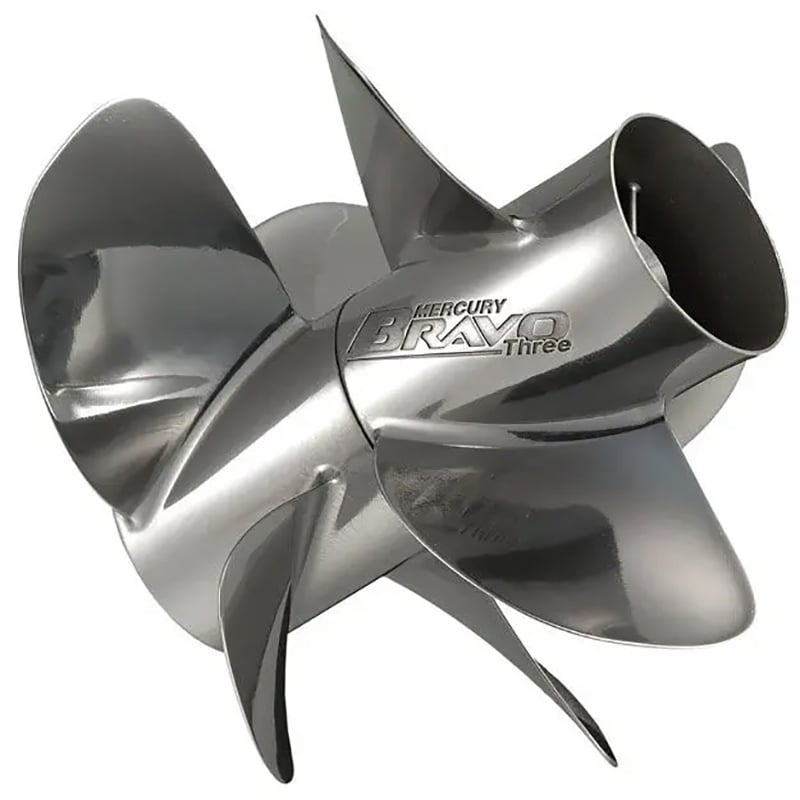
A dual prop system, often seen on sterndrives like the Volvo Penta Duoprop, features two propellers mounted on **concentric shafts**, rotating in opposite directions. This counter-rotating configuration significantly improves thrust, acceleration, and fuel efficiency by recovering energy from the propeller wash. It also virtually eliminates torque steer, providing exceptional handling, tracking, and stability, especially during acceleration and tight maneuvers.
Click Here To Learn More About Dual Propellers
Cleaver Propellers
Cleaver propellers are characterized by their flat, straight blades and are designed for extreme high-speed applications, particularly in racing. They are optimized for surface-piercing operation, providing maximum lift and minimal drag at very high RPMs. Their design is highly specialized and not suitable for general recreational use, as they require specific hull and engine setups to perform effectively.
Click Here To Learn More About Cleaper Propellers
Chopper Propellers
Chopper propellers are similar in concept to cleaver props but typically feature more rake (the angle of the blade relative to the hub) and often a more rounded blade tip. They are popular in bass boats and other performance outboard applications, offering excellent acceleration and strong top-end speed. Chopper props are designed to "lift" the bow of the boat, reducing wetted surface and increasing speed.
What Is A Propulsor?
While "propulsor" is a general term for any device that propels a vessel, in a more specific context, it can refer to specialized propeller units, often ducted or integrated into a pod. These designs are engineered for specific thrust requirements, improved efficiency, or reduced noise and vibration, commonly found on larger commercial vessels or advanced marine systems.
Weedless Propellers
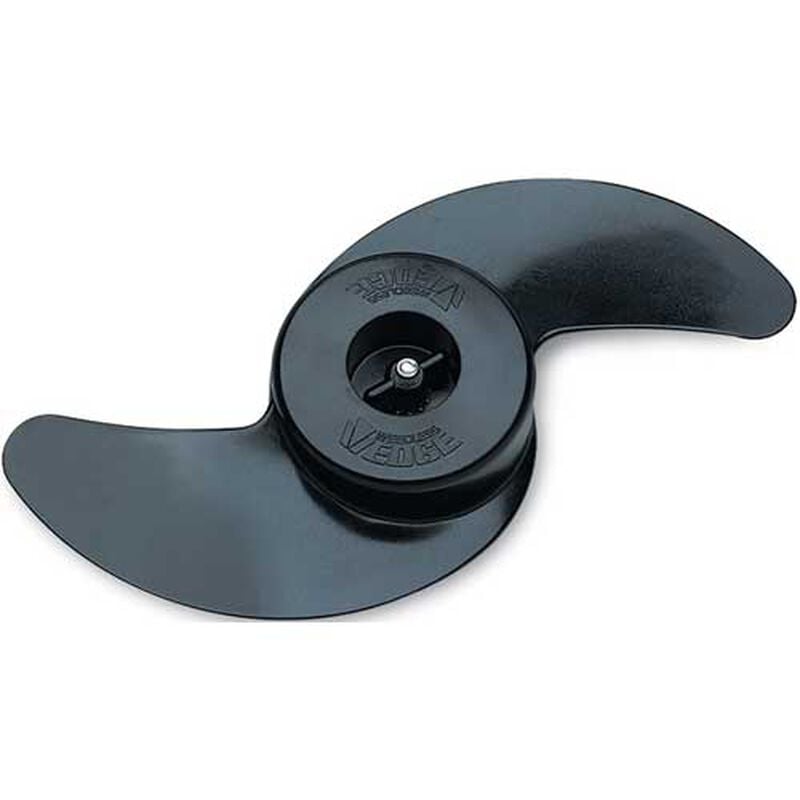
Weedless propellers are designed with unique blade shapes and angles that help shed weeds and other aquatic debris, preventing them from fouling the propeller. These are particularly useful for fishing boats or vessels operating in shallow, weed-prone waters, ensuring continuous propulsion without frequent stops for clearing the prop.
Specialty Propellers
The "specialty" category encompasses a range of unique propeller designs tailored for niche applications or incorporating innovative technologies. This can include propellers optimized for specific towing needs, highly customized racing props, or revolutionary designs like the Sharrow Propeller, which aims to redefine efficiency and performance through unconventional blade geometry. These propellers address very specific performance goals beyond conventional designs.
Click Here To Learn More About Specialty Propellers
Aluminum Propellers
Aluminum propellers are the most common and affordable option for recreational boaters. They are lightweight, offer good general performance, and are relatively easy to repair. A key advantage of aluminum is its "sacrificial" nature; in the event of striking an underwater object, an aluminum prop is more likely to bend or break, absorbing the impact and potentially preventing more severe damage to your engine's lower unit.
Click Here To Learn More About Aluminum Propellers
Stainless Steel Propellers
Stainless steel propellers are significantly more durable and stronger than aluminum props. Their strength allows for thinner blade designs, which can lead to greater efficiency, higher top speeds, and improved acceleration due to reduced drag. Stainless steel props are ideal for performance boats, heavier vessels, or those operating in rough conditions where durability and optimal performance are critical. While more expensive, their longevity and performance benefits often justify the investment.
High Performance Propellers
High performance propellers are meticulously engineered designs, often crafted from stainless steel or advanced alloys, to maximize speed, acceleration, and fuel efficiency. These propellers feature optimized blade geometry, rake, and cup to deliver superior thrust and minimize cavitation at high RPMs. They are typically chosen by boaters seeking to extract every ounce of performance from their engine, whether for racing, watersports, or simply enjoying exhilarating speeds on the water.
Propellers by Engine Type
The type of engine your boat has—outboard, sterndrive, inboard, or electric—plays a crucial role in determining the correct propeller. Each engine configuration has specific requirements for propeller mounting, shaft size, and design to ensure proper fit and optimal performance.
Outboard Boat Engines
Outboard engines, mounted on the transom of the boat, are the most common power source for recreational vessels. Outboard propellers come in a vast array of sizes, pitches, and blade configurations to match the wide range of horsepower and boat types. When selecting an outboard propeller, it's essential to consider the engine's spline count, the propeller's diameter and pitch, and the appropriate hub kit, such as Mercury's Flo-Torq system, to ensure a secure fit and dampen shift shock.
Sterndrive Boat Engines
Sterndrive engines combine an inboard engine with an outboard drive unit, offering a blend of power and maneuverability. Sterndrive propellers are designed to work with specific drive units (e.g., MerCruiser Alpha, Bravo, Volvo Penta). Many sterndrives, particularly higher horsepower models, utilize dual prop systems to enhance thrust and efficiency. Proper propeller selection for a sterndrive involves matching the propeller to the drive's gear ratio and the boat's intended use.
Inboard Boat Engines
Inboard engines are located inside the hull, with the propeller mounted on a shaft that extends through the bottom of the boat. Inboard propellers are typically fixed-pitch and are often made from bronze or Nibral (nickel-bronze-aluminum alloy) for their strength and corrosion resistance. Selecting an inboard propeller requires precise measurements of the shaft diameter, taper, and keyway, as well as considering the boat's displacement and desired performance characteristics.
Electric Boat Motors
Electric boat motors, increasingly popular for their quiet operation and environmental benefits, require propellers specifically designed to maximize efficiency at lower RPMs and optimize thrust for electric power delivery. These propellers often feature unique hub designs and blade geometries tailored to the torque characteristics of electric motors, ensuring smooth, efficient propulsion for everything from small tenders to larger electric-powered vessels.
Propeller Comparisons: Choosing Your Best Fit
Deciding between different propeller types often comes down to understanding the trade-offs and matching the propeller's characteristics to your specific boating needs and desired performance. Each comparison highlights distinct advantages and disadvantages, guiding you toward the optimal choice for your vessel.
3 Blade Propellers Vs 4 Blade Propellers
The choice between a 3-blade and a 4-blade propeller is one of the most common dilemmas for boaters. A 3-blade prop generally offers higher top speed and is a good all-around performer for lighter, faster boats. In contrast, a 4-blade prop provides superior acceleration, better grip in the water, and improved fuel efficiency at cruising speeds. It's often preferred for heavier boats, those used for watersports (towing), or for navigating rough water where maintaining plane and control is crucial.
Click Here To Learn More About 3 Blade Propellers
Click Here To Learn More About 4 Blade Propellers
4 Blade Propellers Vs 5 Blade Propellers
While a 4-blade propeller offers an excellent balance of performance and efficiency for many applications, a 5-blade propeller takes smoothness and low-speed thrust to the next level. The 5-blade design significantly reduces vibration, provides exceptional grip, and allows the boat to stay on plane at lower RPMs. It's ideal for large, heavy cruisers, houseboats, pontoon boats, or specific high-performance setups where a smooth ride and strong low-end power are paramount, even if it means a slight reduction in top speed compared to a 4-blade.
Click Here To Learn More About 4 Blade Propellers
Click Here To Learn More About 5 Blade Propellers
Aluminum Propellers Vs Stainless Steel Propellers
The material of your propeller significantly impacts its durability, performance, and cost. Aluminum propellers are affordable, lightweight, and common for general recreational use. They act as a "sacrificial" component, often bending or breaking upon impact, which can protect your engine's lower unit from more severe damage. Stainless steel propellers, while more expensive, are far more durable, stronger, and allow for thinner, more efficient blade designs. This translates to better acceleration, higher top speeds, and improved fuel economy, making them the preferred choice for performance boats, heavier loads, and long-term reliability.
Cupped Propellers Vs Standard Propellers
A cupped propeller has a small, curved lip on the trailing edge of its blades, which effectively increases the propeller's pitch and provides additional thrust. This design is excellent for improving "hole shot" (getting on plane quickly), reducing ventilation (when air enters the propeller), and allowing the boat to stay on plane at lower speeds. A standard propeller, without this cupping, is a simpler design suitable for general use where these specific performance enhancements are not critical. For many boaters, the benefits of a cupped prop often outweigh the slight increase in cost.
Folding Propellers VS Feathering Propellers
For sailboats, the choice between folding and feathering propellers is crucial for minimizing drag while sailing. Folding propellers have blades that fold back towards the hub when the engine is disengaged, significantly reducing drag. Feathering propellers, however, allow their blades to rotate and align with the water flow, creating even less drag than folding props. Feathering props are generally more complex and expensive but offer superior hydrodynamic performance, making them a favorite among racing sailors where every bit of speed matters.
Fixed Propellers Vs Variable Pitch Propellers
Most powerboats use fixed pitch propellers, where the angle of the blades is permanently set. This design is simple, robust, and reliable for a wide range of applications. Variable pitch propellers, conversely, allow the blade angle to be adjusted, either manually or automatically, to optimize performance for different speeds, loads, or water conditions. While more complex and costly, variable pitch props can offer superior fuel efficiency and performance flexibility, making them suitable for advanced systems, some sailboats, or commercial vessels.
Surface Piercing Propellers Vs High Thrust Propellers
These two propeller types are designed for vastly different performance goals. Surface piercing propellers are engineered for extreme high-speed applications, operating with half their blades out of the water to reduce drag. They are found on high-performance offshore boats and require specialized drive systems. High thrust propellers, conversely, are designed to maximize pushing power at low speeds. With larger blade areas and often lower pitch, they are ideal for heavy displacement vessels, pontoons, houseboats, or sailboats, where strong, efficient propulsion at slower speeds is paramount.
Cleaver Propellers Vs Chopper Propellers
Cleaver and chopper propellers are both high-performance designs primarily used in racing and performance boating. Cleaver props feature flat, straight blades optimized for maximum speed and lift in surface-piercing applications, often seen on dedicated racing boats. Chopper propellers, while similar, typically have more rake and are designed to "lift" the bow of the boat, reducing wetted surface and improving acceleration and top end. Chopper props are popular in bass boats and other performance outboard setups, offering a balance of hole shot and high-speed capability.
Choosing the Right Propeller for Your Boat
Selecting the ideal propeller involves more than just matching it to your engine; it's about harmonizing the prop with your boat's hull design, typical load, and how you intend to use it. Factors like your boat's type, engine horsepower, average weight carried, and desired performance (e.g., top speed, acceleration for watersports, or fuel efficiency for cruising) all play a critical role.
Understanding concepts like propeller diameter and pitch is essential. Diameter is the total width of the circle swept by the propeller blades, while pitch is the theoretical distance the propeller would move forward in one revolution. These measurements, along with your engine's wide-open throttle (WOT) RPMs, are key to finding the perfect match. If your engine is over-revving or under-revving at WOT, a change in propeller pitch is likely needed. For precise calculations and personalized recommendations, West Marine offers expert guidance and online propeller selector tools to help you determine exactly what prop you need for your boat.