Aluminum Propellers: Your Go-To Guide
For every boater, from the weekend angler to the seasoned cruiser, choosing the right propeller is key to unlocking your boat's full potential on the water. Among the many options available, aluminum propellers stand out as a remarkably versatile and popular choice. They offer an excellent balance of performance, durability, and cost-effectiveness, making them a go-to for a wide range of marine applications.
At West Marine, we understand that your time on the water is precious, and having the right gear makes all the difference. That's why we're here to guide you through everything you need to know about aluminum propellers, helping you make an informed decision that enhances your boating experience.
What Makes Aluminum Propellers a Smart Choice?
Aluminum propellers are a favorite among boaters for several compelling reasons. They deliver reliable performance without breaking the bank, making them an accessible option for many.
Durability and Resilience
While often considered a more budget-friendly option, modern aluminum propellers are surprisingly robust. They are manufactured using advanced casting processes that enhance their strength and resistance to corrosion. This means they can stand up to the rigors of regular boating, from freshwater lakes to saltwater bays.
One significant advantage of an aluminum prop is its ability to act as a "sacrificial" component. In the event of striking an underwater object, an aluminum propeller is designed to absorb the impact and deform or break before more expensive components of your outboard or stern drive engine are damaged. This can save you from costly repairs to your lower unit, making it a smart choice for boating in unfamiliar or shallow waters.
Cost-Effectiveness
Compared to propellers made from other materials like stainless steel, aluminum props are significantly more affordable. This lower initial price point makes them an attractive option for boaters looking for reliable performance without a large investment. They are also a great choice for a spare prop, ensuring you're never stranded if your primary propeller gets damaged.
Repairability
A common question we hear is, "Can aluminum propellers be repaired?" The answer is often yes! Minor damage, such as bent blades or small nicks, can frequently be repaired by a qualified propeller repair shop. This repairability further contributes to their cost-effectiveness, as a damaged prop doesn't always mean a complete replacement.
Versatility Across Applications
Aluminum propellers are incredibly versatile. They are designed to deliver a balanced performance profile, offering good acceleration, decent top speed, and efficient fuel consumption for a wide range of boats and engine sizes. This makes them suitable for everything from leisurely cruising to fishing and watersports.
Understanding Propeller Basics: Pitch, Diameter, and Blades
To truly appreciate how an aluminum propeller performs, it's helpful to understand a few key terms:
- Diameter: This is the measurement across the circle made by the propeller blades as they spin. A larger diameter generally moves more water, which can be beneficial for heavier boats or those needing more thrust.
- Pitch: This refers to the theoretical distance a propeller would move forward in one revolution, assuming no slip. A higher pitch generally means more top speed, while a lower pitch provides better acceleration and pulling power.
3-Blade vs. 4-Blade Aluminum Props
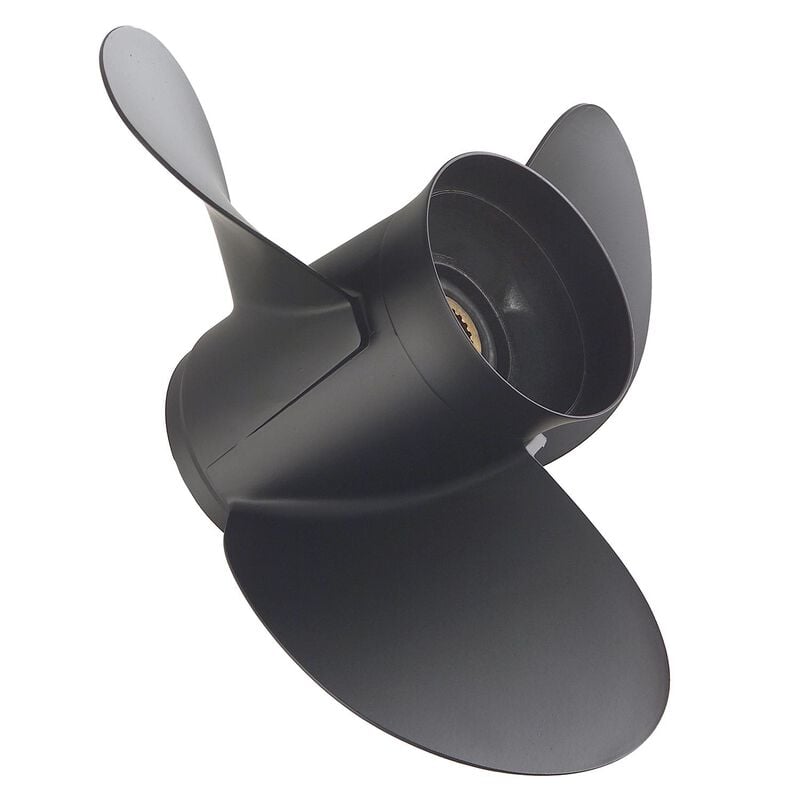
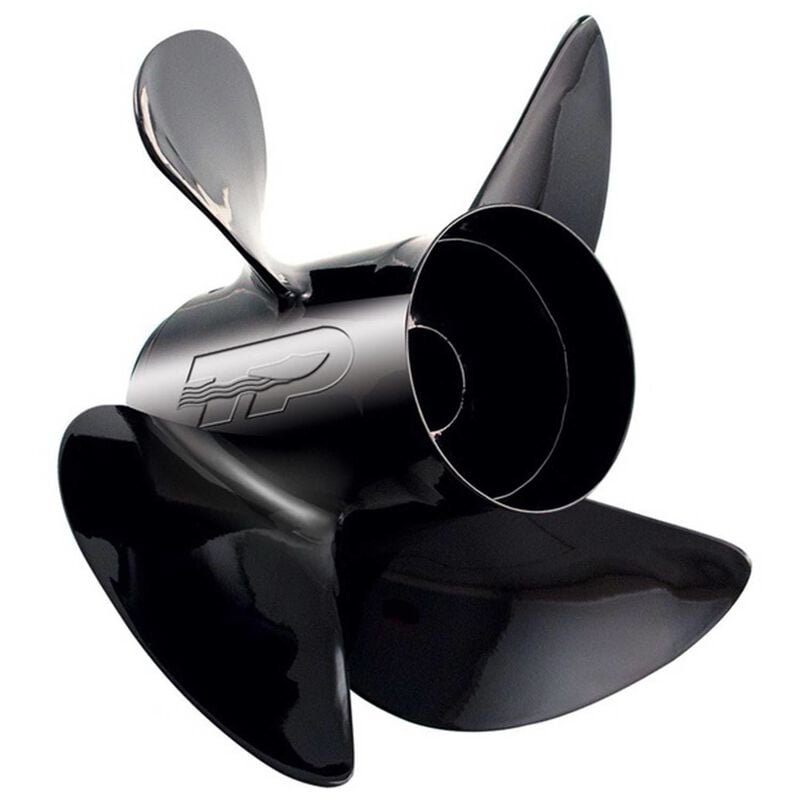
When choosing an aluminum propeller, you'll often encounter options with three or four blades. Each configuration offers distinct performance characteristics:
- 3-Blade Aluminum Propellers: These are the most common type and are often standard equipment on many boats. They typically offer a good balance of top speed and efficiency. If you're looking for an all-around performer for general boating, a 3-blade aluminum prop is often an excellent choice. They provide solid acceleration and are generally efficient at cruising speeds.
- 4-Blade Aluminum Propellers: While 3-blade props are great for top speed, 4-blade aluminum props excel in other areas. They provide superior acceleration, better handling in rough water, and can help a boat stay on plane at lower speeds. This makes them particularly popular for watersports (like wakeboarding or tubing, where consistent pull is needed) and for heavier boats or those carrying significant loads, such as pontoon boats or fishing boats with lots of gear. The extra blade provides more blade surface area, which can improve grip on the water and reduce ventilation (when the prop loses its bite).
Ultimately, the "better" choice between a 3-blade or 4-blade aluminum prop depends on your specific boat, engine, and how you primarily use your vessel.
Who Needs an Aluminum Propeller? Ideal Boats and Motors
Aluminum propellers are incredibly adaptable and are the standard choice for a vast array of marine engines and boat types. Their balanced performance and cost-effectiveness make them suitable for many boating scenarios.
Outboard Engines
Aluminum propellers are most commonly found on outboard engines, particularly those in the small to mid-range horsepower categories. This includes:
- Smaller Outboards (under 50 HP): Perfect for jon boats, small fishing boats, tenders, and inflatable boats. They provide reliable thrust for these lighter vessels.
- Mid-Range Outboards (50-150 HP): This is where aluminum props truly shine. They are the go-to for a wide range of recreational boats, offering excellent all-around performance.
- Larger Outboards (up to 200 HP, sometimes higher): While stainless steel becomes more prevalent at higher horsepower, many boaters with larger outboards still opt for aluminum, especially if they prioritize impact resistance or budget.
Stern Drive (Inboard/Outboard) Engines
Many recreational boats equipped with stern drive engines also utilize aluminum propellers. These include:
- Runabouts and Sport Boats: For general cruising, watersports, and day trips, aluminum props provide the necessary performance.
- Smaller Cruisers: Many entry-level and mid-sized cruisers with stern drives perform well with aluminum propellers, especially when balancing performance with cost.
Specific Boat Types That Benefit from Aluminum Propellers
- Recreational Powerboats: From small fishing boats to family runabouts and pontoon boats, aluminum props are the standard. They offer the right blend of acceleration for watersports and efficiency for cruising.
- Fishing Boats: Anglers often choose aluminum props for their durability and impact resistance, especially when navigating shallow waters or areas with submerged obstacles. Bass boats, bay boats, and general fishing skiffs are prime candidates.
- Pontoon Boats: These boats benefit greatly from the strong low-end thrust and improved handling that 4-blade aluminum propellers can provide, helping them get on plane smoothly even with a full load of passengers.
- Utility and Work Boats: For general purpose boats used for transport or light work, the reliability and repairability of aluminum make them a practical choice.
- Smaller Sailboats (with Auxiliary Outboards): For sailboats that rely on a small outboard for auxiliary power, a lightweight and efficient aluminum propeller is ideal.
In essence, if you're a boater who values a good balance of performance, durability, and affordability, and you operate a boat with a small to mid-range outboard or stern drive, an aluminum propeller is likely an excellent fit for your needs.
Aluminum vs. Stainless Steel: Making the Right Choice
One of the most common dilemmas boaters face is choosing between an aluminum propeller and a stainless steel propeller. Both materials have distinct advantages, and the "best" choice truly depends on your specific boating style, engine, and priorities.
Why Choose Aluminum Propellers?
- Price Advantage: As mentioned, aluminum props are significantly more affordable than their stainless steel counterparts. This makes them an excellent value, especially for recreational boaters or as a spare.
- Impact Absorption: Aluminum is a softer metal than stainless steel. This characteristic is a major advantage when you accidentally strike an underwater object (like a log, rock, or sandbar). An aluminum prop is more likely to bend or break, acting as a "fuse" to protect your engine's lower unit from more severe and costly damage. For boaters who frequent shallow waters or areas with unknown obstacles, this can be a huge peace of mind.
- Repairability: Minor damage to aluminum blades can often be repaired, extending the life of your prop and saving you money compared to replacing a stainless steel prop.
- Lighter Weight: Aluminum props are lighter than stainless steel props. While this difference might seem minor, it can contribute to less stress on your engine's lower unit and potentially quicker acceleration for smaller boats.
- Versatility: Aluminum props offer a good all-around performance for a wide range of boats and engines, making them a solid standard option for many recreational applications.
When Stainless Steel Might Be Preferred
While aluminum is fantastic, stainless steel propellers offer different benefits, typically for higher-performance applications:
- Superior Durability: Stainless steel is much stronger and more rigid than aluminum. This means it's far less likely to bend or chip from minor impacts or cavitation.
- Enhanced Performance: The rigidity of stainless steel allows for thinner blade designs that flex less under load. This translates to better top speed, improved fuel economy at higher speeds, and often a better "bite" on the water, especially for larger, higher-horsepower engines.
- Corrosion Resistance: Stainless steel generally offers superior corrosion resistance, particularly in saltwater environments, though modern aluminum props are also highly resistant.
The Bottom Line: It's About Your Application
There isn't one "best" material for a propeller; there's only the best material for your specific needs.
- Choose Aluminum if: You have a small to mid-sized outboard or stern drive, you're budget-conscious, you frequently boat in areas where striking objects is a risk, or you prioritize a good balance of performance and value for general recreational use.
- Consider Stainless Steel if: You have a high-horsepower engine, you're seeking maximum top speed and fuel efficiency, you're involved in competitive boating, or you operate in open water with minimal risk of impact.
For many boaters, especially those with recreational powerboats, fishing boats, or pontoon boats, an aluminum propeller offers the ideal combination of performance, resilience, and affordability.
Maintaining Your Aluminum Propeller
Proper maintenance can significantly extend the life of your aluminum propeller. Here are a few simple tips:
- Regular Inspection: After each outing, especially if you suspect you've hit something, visually inspect your propeller for dings, bends, or cracks.
- Cleanliness: Keep your prop clean from marine growth, fishing line, or debris. A clean prop performs more efficiently.
- Address Damage Promptly: Even minor damage can affect performance and potentially lead to more serious issues. If you notice significant damage, consult a professional propeller repair shop. They can often restore your aluminum prop to like-new condition.
Choosing the Right Aluminum Propeller for Your Boat
Selecting the perfect aluminum propeller involves considering several factors to ensure optimal performance for your vessel:
- Boat Type and Size: The weight and hull design of your boat play a crucial role. A heavier boat might benefit from a prop with a lower pitch for better acceleration, while a lighter boat might achieve higher top speeds with a higher pitch.
- Engine Horsepower: Your engine's horsepower dictates the range of propellers it can effectively turn. Always refer to your engine's manual for recommended propeller specifications.
- Typical Load: Do you usually boat alone, or do you often carry a full crew, lots of gear, or tow watersports enthusiasts? A heavier typical load might suggest a prop with a lower pitch or a 4-blade design for better hole shot and planing.
- Desired Performance: Are you looking for maximum top speed, quicker acceleration for watersports, or better fuel economy at cruising speeds? Your primary use will guide your pitch and blade count decision.
- Current Propeller Performance: If you're replacing an existing prop, evaluate its performance. Is your engine reaching its recommended wide-open throttle (WOT) RPM range? If not, adjusting the pitch of your new prop can help.
Aluminum Boat Propeller FAQs
Q: Are aluminum propellers good?
A: Yes, aluminum propellers are a reliable and cost-effective choice for many recreational boaters. They offer several advantages:
- Affordability: Typically more budget-friendly than stainless steel options.
- Repairability: Minor dings and damage can often be repaired at a prop shop.
- Lightweight Design: Easier on gearcases and reduces the risk of damage during accidental impact.
- Versatility: Available in a wide range of sizes and pitch options to suit different engine types.
- Aluminum props are ideal for casual boating, inland waterways, and as a backup prop.
Q: What were Titanic's propellers made of?
A: The RMS Titanic was equipped with three massive propellers made of manganese bronze, an alloy known for its strength and corrosion resistance. The two outer wing propellers had three blades each, while the center propeller had four blades. These propellers were engineered for maximum propulsion efficiency given the ship’s size and the steam turbine technology of the time.
Q: Is a stainless steel prop better than an aluminum prop?
A: It depends on your boating needs. Here’s a breakdown:
- Stainless Steel Props:
- More durable and resistant to flex under load.
- Better performance at high speeds and in demanding conditions.
- More expensive and less forgiving if you strike debris.
- Aluminum Props:
- More affordable and easier to repair.
- Ideal for lighter loads, lower speeds, or recreational boating.
- Can flex under load, which may reduce efficiency in high-performance setups.
- Each has its place—choose based on performance expectations, water conditions, and budget.
Q: What's better, a 3-blade or 4-blade prop?
A: Both have distinct advantages:
- 3-Blade Props:
- Typically deliver higher top-end speed.
- Lower drag and better fuel efficiency.
- Best suited for light to moderate loads and speed-focused setups.
- 4-Blade Props:
- Provide stronger acceleration and improved grip in rough water.
- Offer better handling when towing or carrying heavy loads.
- Help boats stay on plane at lower speeds.
- The better choice depends on your boat’s setup and how you use it—speed vs. control.
Q: What is the best material for a boat propeller?
A: There’s no one-size-fits-all answer. The best propeller material depends on your boating application:
- Aluminum: Best for casual boaters and everyday use; cost-effective and easily replaceable.
- Stainless Steel: Ideal for high-speed or high-performance applications; durable and precise.
- Composite or Plastic: Lightweight and corrosion-resistant; often used on smaller boats or as spares.
- Bronze or NiBral: Common on inboards and commercial vessels; corrosion-resistant and long-lasting.
- Select the material based on your priorities: performance, budget, durability, and boating environment.
Q: Can aluminum propellers be repaired?
A: Yes, aluminum propellers can often be repaired if the damage is minor—such as small bends, chips, or dings. Repairs are usually performed by professional propeller shops that can restore balance and blade shape. However, if the hub is damaged or a blade is severely cracked, replacement may be necessary. Repairability is one of the reasons aluminum props are so popular among recreational boaters.
Get Ready to Hit the Water with Confidence
Aluminum propellers are a cornerstone of the boating world for good reason. They offer an unbeatable combination of value, versatility, and reliable performance, making them an excellent choice for countless boaters. Whether you're cruising the lake, fishing your favorite spot, or enjoying watersports with family, an aluminum propeller can deliver the efficiency and power you need.
Explore West Marine's extensive selection of aluminum propellers today. Our experts are here to provide the guidance and support you need to ensure your boat is perfectly equipped for your next adventure. Trust West Marine to help you make the most of your time on the water!