Dual Propeller Systems: Superior Performance on the Water
For passionate boaters, the pursuit of optimal performance, control, and efficiency is a constant journey. Whether you're a seasoned angler chasing the perfect catch, a family enjoying watersports, or a cruiser exploring new horizons, your boat's propulsion system is at the heart of your experience. While single propellers have long been the standard, a revolutionary innovation has transformed marine performance: the dual propeller system.
At West Marine, we understand your passion for life on the water. That's why we're excited to dive deep into the world of dual props, explaining what they are, how they work, and why they might be the ultimate upgrade for your vessel. Get ready to discover how two propellers can truly be better than one, delivering an unparalleled boating experience.
What is a Dual Propeller System?
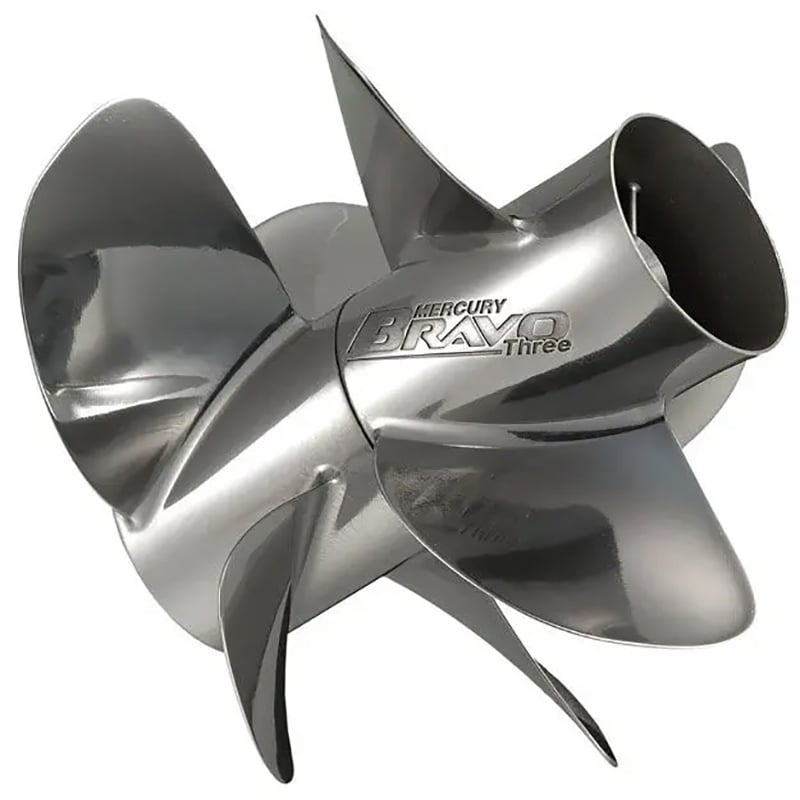
You might be asking, "What does a dual prop do?" or "What is DuoProp?" A dual propeller system is a marine propulsion setup that uses two propellers mounted on concentric shafts that rotate in opposite directions (contra-rotating). This design enhances efficiency, thrust, and maneuverability. For example, Volvo Penta's DuoProp is a well-known contra-rotating system, while Suzuki’s twin-prop outboards also utilize this innovative approach. The contra-rotating configuration minimizes energy loss and improves performance, making it a popular choice for marine applications.
Imagine your boat's engine power being transferred to the water. With a single prop, some of that power is lost due to "propeller slip" – the propeller pushing water sideways rather than directly backward. A dual prop system addresses this by having a front propeller and a rear propeller working in tandem. The front prop cuts through the water, and the rear prop then captures the turbulence and rotational energy created by the front prop, converting it into additional forward thrust. This ingenious design maximizes the efficiency of your engine's power, delivering more propulsion with less wasted energy.
The point of having two propellers, especially in a contra-rotating setup, is to virtually eliminate the rotational forces that cause "prop walk" or "torque steer" in single-propeller boats. This results in a much straighter, more controlled ride, particularly at low speeds and during docking maneuvers. It's a complete system designed to deliver superior performance across the board.
The Dual Propeller Advantage: Why Two are Better Than One
The benefits of a dual propeller system extend far beyond just having an extra prop. This advanced propulsion technology offers a suite of advantages that significantly enhance your boating experience, making it smoother, more efficient, and more enjoyable.
Enhanced Thrust and Acceleration
One of the most immediate and noticeable benefits of a dual prop system is the dramatic improvement in thrust and acceleration. With two propellers working together, you have significantly more blade area in the water. This increased surface area allows the system to efficiently convert more of your engine's horsepower into forward motion.
- Faster Planing: For many boaters, getting on plane quickly is crucial, whether you're pulling a waterskier or needing to clear a choppy inlet. Dual props provide an exceptional "hole shot," meaning your boat will get up on plane much faster and with less effort, even with a heavy load. This rapid acceleration is a game-changer for performance-oriented vessels.
- Superior Load Carrying: If you frequently carry a full crew, lots of gear, or a heavy fishing load, a single propeller can struggle to maintain efficiency. Dual props distribute the load more effectively, allowing your boat to handle heavier weights without sacrificing performance or struggling to get on plane.
- Optimized Power Delivery: The contra-rotating design ensures that the engine's power is delivered to the water with minimal slip. The front prop creates a flow of water that the rear prop then "grabs" and pushes, resulting in a highly efficient propulsion system that maximizes every ounce of power your engine produces.
Superior Boat Control and Maneuverability
Perhaps the most celebrated advantage of dual propellers is the unparalleled control they offer, especially at low speeds.
- Elimination of Prop Walk: Single propellers create a phenomenon known as "prop walk," where the rotational force of the prop causes the stern of the boat to pull to one side, particularly in reverse or at idle speeds. This can make docking and close-quarters maneuvering challenging. Dual props, with their contra-rotating design, effectively cancel out these rotational forces. The forward prop's torque is counteracted by the rear prop's opposite rotation, resulting in a neutral thrust that allows your boat to move straight forward or backward with remarkable precision.
- Precise Steering Response: Whether you're navigating a crowded marina or holding a precise line while trolling, the enhanced control provided by a dual prop system is invaluable. You'll experience immediate and predictable steering response at all speeds, making your boat feel more agile and responsive.
- Reduced Vibration: The balanced forces of the contra-rotating propellers also lead to a significant reduction in vibration. This translates to a smoother, quieter ride, enhancing comfort for everyone on board, especially during long journeys. Less vibration also means less wear and tear on your boat's engine and drive system over time.
Maximized Fuel Efficiency
In today's boating world, fuel efficiency is a top priority for many. Dual propeller systems deliver impressive gains in this area, helping you go further on less fuel.
- Reduced Propeller Slip: As mentioned, the contra-rotating design dramatically reduces propeller slip. This means more of your engine's power is converted into forward motion, rather than being wasted on churning water.
- Optimized RPM Range: By operating more efficiently, dual props allow your engine to work less to achieve the same speed, often enabling you to cruise at lower RPMs. This not only saves fuel but also reduces engine strain, potentially extending its lifespan.
- Longer Range: For anglers heading to distant fishing grounds or cruisers embarking on extended voyages, improved fuel economy means a greater range between fill-ups, offering more freedom and less worry about finding the next fuel dock.
Reduced Cavitation and Ventilation
Cavitation and ventilation are common issues with single propellers, especially in turns or rough water. These phenomena occur when the propeller loses its grip on the water, leading to a loss of thrust and efficiency.
- Consistent Grip: Dual props maintain a consistent grip on the water, even in challenging conditions. The combined blade area and the way the two props interact ensure that there's always ample surface to push against, minimizing the chances of cavitation (vapor bubbles forming on the blade surface) or ventilation (air being drawn into the propeller).
- Stable Performance in Turns: When you turn sharply, a single prop can sometimes "blow out," losing thrust. Dual props maintain their bite, allowing for tighter, more controlled turns without loss of power. This is particularly beneficial for watersports or navigating winding waterways.
Improved Tracking and Stability
For activities like fishing, where maintaining a precise course is essential, or for simply enjoying a stable ride, dual props offer a distinct advantage.
- Straight-Line Tracking: The balanced thrust eliminates the side forces that can cause a single-prop boat to wander. Your boat will track straighter, requiring less steering correction, which reduces driver fatigue and improves overall stability.
- Better Trim Control: Dual props can also contribute to better trim control, allowing you to optimize your boat's running angle for different conditions and speeds, further enhancing performance and comfort.
Durability and Material Considerations
Dual prop systems are engineered for performance and durability. While the initial investment might be higher, the long-term benefits often outweigh the cost.
- Stainless Steel Construction: Most high-performance dual propellers are crafted from robust stainless steel. This material offers superior strength, corrosion resistance, and longevity compared to aluminum props, making them ideal for demanding marine environments. Stainless steel props are less prone to bending or chipping, ensuring consistent performance and reducing the need for frequent repairs or replacements.
- Precision Engineering: The entire dual prop system, from the drive unit to the individual propellers, is designed with precision engineering to withstand the rigors of marine use. This focus on quality ensures reliable operation and a long service life.
Motor Types That Benefit from Dual Propellers
While dual prop technology has been around for decades, its application has expanded, bringing its benefits to a wider range of marine engines.
Sterndrive Engines
Historically, sterndrive engines have been the primary beneficiaries and pioneers of dual propeller technology. Volvo Penta's "DuoProp" system revolutionized sterndrive performance when it was introduced, and it remains a benchmark in the industry.
- Integrated Design: Sterndrive units are uniquely suited for dual props because the drive system can be engineered from the ground up to accommodate the contra-rotating shafts. This allows for seamless integration and optimal performance.
- Popularity in Cruisers and Sport Boats: Many performance cruisers, sport boats, and larger runabouts equipped with sterndrive engines utilize dual props to achieve their impressive acceleration, top-end speed, and precise handling. The ability to handle high horsepower output efficiently makes them a natural fit for these vessels.
High-Horsepower Outboard Engines
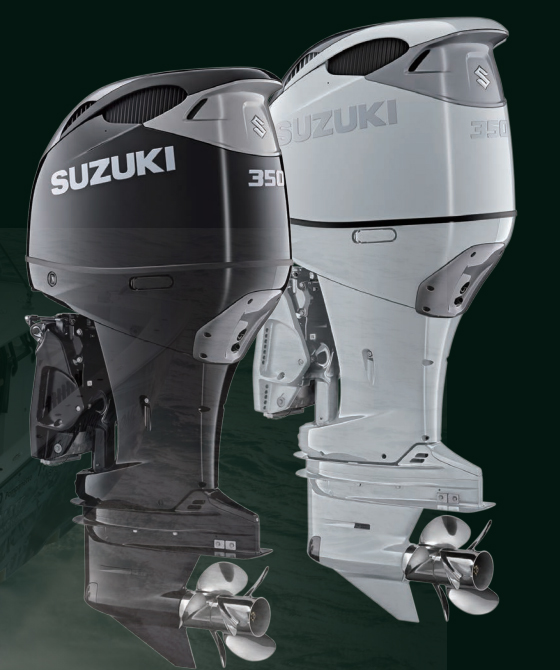
More recently, dual propeller technology has made its way into the outboard market, most notably with Suzuki's innovative "Dual Prop" outboards, such as the DF350A and DF300B.
- Managing Outboard Torque: Modern high-horsepower outboards generate immense torque. A single propeller, even a large one, can struggle to efficiently convert all that power into thrust without excessive slip or prop walk. Suzuki's dual prop outboard design effectively manages this torque, delivering exceptional thrust and control.
- Benefits for Offshore Fishing and Performance Boats: These powerful dual prop outboards are increasingly popular on large offshore fishing boats, center consoles, and performance catamarans. They provide the strong hole shot needed to get heavy boats on plane, the precise control for trolling or maneuvering in tight spots, and the fuel efficiency for long runs to distant fishing grounds.
- Enhanced Reverse Thrust: The contra-rotating design also significantly improves reverse thrust and control, which is a major advantage for large outboard-powered boats when docking or backing down on a fish.
While less common, some specialized applications or custom builds might explore dual prop concepts for other propulsion types, but sterndrives and high-horsepower outboards are where this technology truly shines in the recreational marine market.
Which Boats Need a Dual Propeller System?
While the advantages of dual props are compelling, they aren't necessarily the right choice for every boat. However, for certain types of vessels and specific boating needs, a dual propeller system can be a transformative upgrade.
Performance Cruisers and Sport Boats
If you own a performance cruiser or a sport boat and crave exhilarating acceleration, precise handling, and a smooth ride, a dual prop system is an ideal match. These boats are designed for speed and agility, and dual props help them achieve their full potential, getting on plane faster and maintaining stability at higher speeds. The enhanced control also makes navigating busy waterways or docking in challenging conditions much easier.
Offshore Fishing Boats
For serious anglers who venture far offshore, dual props offer a multitude of benefits.
- Strong Hole Shot for Heavy Loads: Offshore fishing boats are often heavily loaded with gear, bait, and multiple crew members. A dual prop system provides the necessary thrust to get these heavy vessels on plane quickly and efficiently.
- Precise Trolling Control: The elimination of prop walk and superior low-speed maneuverability are invaluable for maintaining precise trolling speeds and lines, allowing you to focus on the fish, not fighting the boat.
- Stability in Rough Seas: The consistent grip on the water helps maintain stability and tracking in choppy conditions, providing a more comfortable and safer ride when the weather turns.
- Fuel Efficiency for Long Runs: Covering vast distances to reach prime fishing spots demands fuel efficiency, which dual props deliver, extending your range and reducing operating costs.
Larger Recreational Vessels
Any larger recreational vessel, whether it's a family runabout, a pontoon boat, or a small yacht, can benefit from the improved maneuverability and control offered by dual props. Heavier boats can be more challenging to handle, especially in tight spaces. The precise steering and reduced prop walk make docking and navigating crowded marinas significantly less stressful and more confident.
Boats with High Horsepower Engines
Regardless of the boat type, if your vessel is equipped with a high-horsepower engine (especially in the 200+ HP range for outboards or larger sterndrives), a dual prop system is highly recommended. These powerful engines generate substantial torque, and a single propeller can struggle to efficiently convert all that power into forward motion. Dual props are engineered to harness this power effectively, preventing wasted energy and delivering maximum thrust. They ensure that you're getting the most out of your engine's capabilities.
Watersports Boats (e.g., Wakeboarding/Wakesurfing)
For watersports enthusiasts, a dual prop system can significantly enhance the experience. The quick hole shot and strong, consistent pull are perfect for getting skiers and wakeboarders up quickly. The precise speed control and reduced vibration contribute to a smoother, more enjoyable ride for those being towed, and the driver will appreciate the enhanced control for maintaining a steady course.
In essence, if you prioritize performance, control, fuel efficiency, and a smoother ride, and your boat is equipped with a compatible sterndrive or high-horsepower outboard engine, a dual propeller system is a worthy consideration.
Dual Propeller vs. Single Propeller: Making the Choice
When it comes to choosing the right propulsion for your boat, the decision between a dual prop and a single prop system often comes down to balancing performance desires with practical considerations. Let's break down the key differences to help you make an informed choice.
Performance Comparison
Feature Single Propeller Dual Propeller System Acceleration Good, but can experience more slip. Excellent, faster planing, stronger hole shot. Top Speed Can achieve high top speeds, but less efficient. Often comparable, but reached more efficiently. Fuel Economy Less efficient due to higher slip. Generally superior due to reduced slip and optimized power transfer. Maneuverability Can experience prop walk, less precise at low speeds. Significantly better, no prop walk, precise control. Vibration More prone to vibration, especially at certain RPMs. Significantly reduced vibration, smoother ride. Cavitation/Ventilation More susceptible in turns or rough water. Highly resistant, maintains grip consistently. Tracking Can pull to one side, requiring more steering correction. Excellent straight-line tracking. As you can see, in nearly every performance metric, the dual prop system offers a distinct advantage. The contra-rotating design fundamentally changes how power is delivered to the water, leading to a more refined and powerful boating experience.
Cost Considerations
It's important to acknowledge that dual propeller systems, and their replacement propellers, typically come with a higher initial cost compared to single prop setups. This is due to the increased complexity of the drive unit and the need for two precision-engineered propellers.
However, it's crucial to consider the long-term value. The enhanced fuel efficiency can lead to significant savings over time, especially for boaters who spend many hours on the water. Furthermore, the improved performance, control, and reduced vibration contribute to a more enjoyable and less fatiguing boating experience, which many boaters find well worth the investment. For marine professionals or those who rely on their boat for business, the increased efficiency and reliability can directly impact their bottom line.
Maintenance
While a dual prop system involves more components (two propellers instead of one), modern systems are designed for robustness and reliability. Regular inspection for damage, especially to the leading edges of the props, is always recommended for any propeller system.
- Propeller Material: Most dual props are made from durable stainless steel, which is highly resistant to damage from minor impacts and corrosion. This contributes to their longevity and reduces the frequency of repairs compared to softer aluminum props.
- Professional Service: Due to the precision engineering of dual prop systems, it's always best to consult with a qualified marine technician for any significant maintenance or repair needs. Proper sizing and installation are critical for optimal performance and longevity.
When a Single Prop Might Be Sufficient
While dual props offer compelling advantages, a single propeller remains a perfectly viable and excellent choice for many boaters.
- Smaller Boats and Lower Horsepower Engines: For smaller vessels with lower horsepower engines, the benefits of a dual prop system might not be as pronounced, and the added cost may not be justified.
- Budget Constraints: If budget is a primary concern, a single prop system offers a more economical entry point into boating.
- Specific Shallow Water Applications: In some very shallow water scenarios, a single prop might offer slightly better clearance or be less prone to snagging, though this is highly dependent on the specific boat and prop design.
Ultimately, the choice between a dual prop and a single prop depends on your specific boating needs, priorities, and budget. If you're seeking the pinnacle of marine performance, control, and efficiency, and your boat is compatible, a dual propeller system is an investment that truly elevates your time on the water.
Choosing the Right Dual Propeller System
Selecting the correct dual propeller system for your boat is crucial for maximizing its performance and ensuring longevity. It's not a one-size-fits-all decision, and careful consideration of several factors will lead you to the ideal setup.
Engine Compatibility
The first and most critical factor is ensuring compatibility with your specific engine and drive system. Dual prop systems are highly engineered and are designed to work with particular engine models and sterndrive or outboard units.
- Manufacturer Specifics: Brands like Volvo Penta (with their DuoProp series) and Suzuki (with their Dual Prop outboards) design their systems to be proprietary. You cannot mix and match components from different manufacturers. Always refer to your engine's owner's manual or the manufacturer's specifications to confirm which dual prop systems are compatible.
- Model and Year: Even within the same brand, different models and years of engines may require specific dual prop configurations. Pay close attention to the exact model number of your sterndrive or outboard.
Boat Type and Usage
The type of boat you own and how you intend to use it will heavily influence the specific characteristics of the dual propellers you need.
- Pitch and Diameter: Like single props, dual props come in various pitches and diameters.
- Pitch refers to the theoretical distance the propeller moves forward in one revolution. A higher pitch generally means more top speed but less acceleration, while a lower pitch offers better acceleration but less top speed.
- Diameter is the total width of the propeller.
- The optimal combination of pitch and diameter will depend on your boat's length, weight, hull design, and typical load.
- Intended Use:
- Performance Cruising: You might prioritize a balance of acceleration and top speed.
- Offshore Fishing: A strong hole shot and efficient cruising at mid-range RPMs for long runs will be key.
- Watersports: Excellent acceleration and consistent pull are paramount.
- Heavy Loads: You'll need props designed to handle significant weight without bogging down the engine.
Material: Stainless Steel for Superior Performance
While some propellers are made from aluminum, dual propellers, especially those designed for performance and durability, are almost exclusively made from stainless steel.
- Strength and Durability: Stainless steel is significantly stronger and more rigid than aluminum. This allows for thinner, more efficient blade designs that resist flexing under load, translating to better performance and fuel economy. It's also much more resistant to damage from minor impacts with debris.
- Corrosion Resistance: In the harsh marine environment, stainless steel offers excellent corrosion resistance, ensuring your propellers maintain their integrity and appearance over time.
- Repairability: While highly durable, stainless steel props can often be repaired if they sustain damage, extending their lifespan and protecting your investment.
Professional Guidance: Your Trusted Resource
Choosing the right dual prop system can be complex, given the many variables involved. This is where the expertise of West Marine truly shines.
- Consult Our Experts: Our knowledgeable team members are passionate boaters themselves and are trained to help you navigate the options. We can assist you in understanding your engine's requirements, your boat's characteristics, and your specific boating needs to recommend the perfect dual prop setup.
- Propeller Sizing Tools: We have access to resources and tools that can help calculate the ideal propeller pitch and diameter for your unique boat and engine combination, ensuring optimal performance and preventing potential issues like over-revving or under-revving your engine.
- Installation and Service: While many DIY-minded boaters enjoy tackling projects, the installation and precise setup of a dual prop system can be intricate. We can guide you on best practices or connect you with trusted marine service professionals for installation, ensuring everything is perfectly aligned for peak performance and safety.
Investing in a dual propeller system is a significant decision, and with the right guidance, you can be confident that you're making the best choice to enhance your boating experience.
Maintenance and Care for Your Dual Prop System
Just like any critical component of your boat, your dual propeller system requires regular maintenance and care to ensure its optimal performance and longevity. A little attention goes a long way in protecting your investment and keeping you on the water.
Regular Inspection is Key
Make it a habit to visually inspect your propellers frequently, especially after each outing or before a long trip.
- Check for Damage: Look for any signs of impact damage, such as bent blades, nicks, chips, or cracks. Even minor damage can lead to vibration, reduced efficiency, and increased wear on your drive system.
- Look for Fishing Line or Debris: Fishing line, plastic bags, or other debris can wrap around the propeller shaft, potentially damaging seals and leading to water intrusion into the gearcase. Always remove any foreign material promptly.
- Corrosion: While stainless steel is highly resistant, inspect for any signs of corrosion, especially in saltwater environments.
Cleaning and Anti-Fouling
Keeping your propellers clean is essential for maintaining efficiency.
- Barnacles and Marine Growth: In saltwater or brackish environments, marine growth like barnacles can quickly accumulate on propellers, disrupting water flow and significantly reducing performance and fuel economy.
- Regular Cleaning: If your boat is trailered or dry-stacked, rinse your props with fresh water after each use. For boats kept in the water, consider applying a specialized anti-fouling coating designed for propellers. These coatings help deter marine growth and keep your props smooth and efficient.
Protecting Your Props
- Avoid Shallow Water: Be mindful of water depth, especially in unfamiliar areas. Striking the bottom or submerged objects is the most common cause of propeller damage.
- Use a Propeller Guard (if appropriate): For certain applications, especially in very shallow or debris-filled waters, a propeller guard can offer an extra layer of protection, though they can sometimes affect performance.
- Winterization: If you live in a region with freezing temperatures, ensure your drive system, including the propellers, is properly winterized according to your engine manufacturer's guidelines. This typically involves draining water and applying protective coatings.
Professional Service
While routine inspections are something every boater can do, certain maintenance tasks and repairs require professional expertise.
- Propeller Repair: If your propellers sustain significant damage, it's best to have them professionally repaired by a reputable propeller shop. They can re-pitch, balance, and repair stainless steel props to restore them to like-new condition. Attempting DIY repairs on precision-engineered props can lead to further issues.
- Drive System Maintenance: The dual prop system is an integral part of your boat's drive. Ensure your sterndrive or outboard lower unit receives regular scheduled maintenance, including gear lube changes and seal inspections, as recommended by the manufacturer. This prevents issues that could impact propeller performance or lead to costly repairs.
By following these simple maintenance tips, you'll ensure your dual propeller system continues to deliver peak performance, efficiency, and control for many seasons of enjoyable boating.
Dual Propellers & DuoProp Systems – Frequently Asked Questions
What does a dual prop do?
A dual prop system uses two counter-rotating propellers on concentric shafts. This setup improves efficiency by eliminating rotational torque, which often causes a boat to lean or veer. Dual props also provide superior acceleration, enhanced grip in the water, and better maneuverability—especially during slow-speed handling, docking, and tight turns.
What is DuoProp?
"DuoProp" is a trademarked term used by Volvo Penta to describe its counter-rotating dual propeller technology. DuoProp systems feature two propellers mounted on a concentric drive shafts, spinning in opposite directions to deliver better thrust, smoother operation, and increased fuel efficiency. It’s a popular choice for sterndrives and pod drives in performance boating.
What is the point of having two propellers?
Two propellers working together provide several advantages:
- Increased Thrust: Dual props move more water, resulting in faster acceleration.
- Better Handling: Counter-rotation cancels out torque steer, making the boat more stable.
- Improved Fuel Efficiency: More efficient water displacement leads to less engine strain.
- Reduced Cavitation: With more even water flow, there's less chance of cavitation.
- Enhanced Grip: Dual props offer better bite in the water, especially in reverse and tight maneuvers.
Which is better, a 2-blade prop or a 3-blade prop aircraft?
In aviation, a 2-blade propeller is typically lighter and slightly more efficient at lower RPMs, making it suitable for light aircraft. A 3-blade propeller, however, provides smoother operation, better climb performance, and quieter function. The choice depends on engine power, aircraft type, and mission profile. While the principles of blade number and drag are similar to boats, this comparison is specific to aviation.
What is a dual prop plane?
A dual prop plane, often called a twin-prop or twin-engine aircraft, has two engines—each powering its own propeller, typically mounted on the wings. These aircraft provide greater redundancy (one engine can operate if the other fails), improved climb performance, and longer range. This is distinct from marine dual prop systems, where two props are mounted on the same drive.
What does prop mean in film?
In film and theater, "prop" is short for "property" and refers to any physical object used on set by actors—such as furniture, tools, weapons, or food. It has no relation to propellers or propulsion. The term originated from the theatrical phrase "theatrical property."
What is a dual prop helicopter called?
A dual propeller helicopter may be referred to in several ways depending on its configuration:
- Tandem Rotor Helicopter: Features two main rotors in line (e.g., CH-47 Chinook).
- Coaxial Rotor Helicopter: Has two rotors stacked on the same axis, spinning in opposite directions (e.g., Russian Kamov designs).
- Synchropter: Two side-by-side rotors that intermesh without colliding.
- These setups are used to counteract torque without the need for a tail rotor, improving lift and control.
Is a twin prop safer than a single prop?
In marine applications, twin propeller systems can enhance safety by offering better control, quicker response, and more precise maneuvering—especially in docking or emergency conditions. In aviation, twin-engine (twin-prop) planes offer greater redundancy; if one engine fails, the other can often maintain flight. However, complexity and handling requirements may also increase, meaning safety depends on operator experience, design quality, and mission use.
Elevate Your Boating Experience with Dual Propellers
The world of marine propulsion is constantly evolving, and the dual propeller system stands out as a testament to innovation designed to enhance your time on the water. From the moment you push the throttle, you'll feel the difference: a powerful, immediate thrust that gets you on plane faster, a remarkable sense of control that makes docking a breeze, and a smooth, quiet ride that lets you truly enjoy the journey.
Whether you're an offshore angler needing precise control and fuel efficiency for long runs, a watersports enthusiast demanding quick acceleration and a consistent pull, or a cruiser seeking a smoother, more comfortable voyage, the advantages of a dual prop system are clear. It's an investment in superior performance, enhanced safety, and a more enjoyable boating lifestyle.
At West Marine, we're here to help you navigate the options and find the perfect gear for your passion. Our knowledgeable experts are ready to guide you through the selection process, ensuring you choose the right dual prop system for your specific boat and engine. Explore our comprehensive selection of propellers and marine parts, and let us help you unlock the full potential of your vessel.
Experience the dual propeller advantage for yourself – because life on the water should always be about performance, control, and pure enjoyment.