Fixed Pitch Propellers: A Guide to Marine Propulsion
For every boater, from the weekend angler to the seasoned bluewater cruiser, understanding your vessel's propulsion system is key to a smooth and efficient experience on the water. At the heart of many marine setups lies the propeller, and among the most common types is the fixed pitch propeller. Simple, robust, and reliable, fixed pitch propellers are the workhorses of the marine world, powering countless boats across lakes, rivers, and oceans.
At West Marine, we're passionate about helping you navigate the complexities of marine gear, ensuring you have the knowledge and the right equipment for every adventure. This comprehensive guide will dive deep into fixed pitch propellers, exploring what they are, how they work, their unique advantages, and why they might be the perfect choice for your boat.
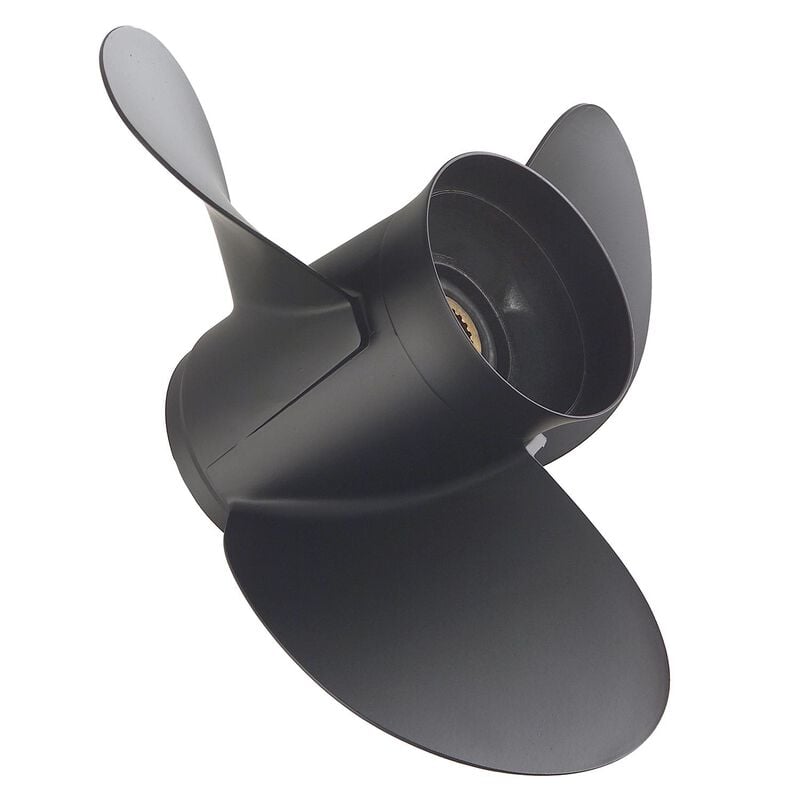
What is a Fixed Pitch Propeller?
At its core, a fixed pitch propeller is a type of propeller where the angle of its blades, known as the blade pitch, is permanently set and cannot be adjusted during operation. Imagine a single-speed bicycle: you have one gear ratio, and your speed is directly determined by how fast you pedal. Similarly, with a fixed pitch propeller, the relationship between your engine's rotational speed (RPM) and the propeller's thrust is constant.
Each propeller blade is designed with a specific angle relative to the propeller hub. This angle, or pitch, dictates how much water the propeller "bites" and pushes with each revolution. In a fixed pitch design, this blade angle is determined during the manufacturing process and remains unchanged. This contrasts sharply with more complex systems like controllable pitch propellers, which allow the blade angle to be altered while the boat is underway.
The simplicity of the fixed pitch propeller design is one of its greatest strengths. With no moving parts within the propeller hub itself, these propellers are inherently durable and require less maintenance compared to their adjustable counterparts. They are typically cast from materials like aluminum or stainless steel, engineered to withstand the demanding marine environment and deliver consistent performance.
How Fixed Pitch Propellers Work
The operation of a fixed pitch propeller is elegantly straightforward. The propeller is directly connected to the boat's engine, meaning the propeller's rotational speed (RPM) is directly tied to the engine's RPM. As the engine turns the propeller shaft, the propeller blades, with their fixed pitch, cut through the water, creating thrust that propels the boat forward (or backward, when the engine's direction of rotation is reversed).
The design of a propeller blade is akin to an airfoil, similar to an aircraft wing. As the blade rotates, it creates a pressure differential between its two surfaces – a lower pressure on one side and a higher pressure on the other. This pressure difference generates the force, or thrust, that pushes the boat through the water. The amount of thrust produced depends on several factors, including the propeller's diameter, the number of blades, the blade area, and, crucially, the pitch.
Because the pitch is fixed, a fixed pitch propeller is typically optimized for a specific operating condition. For instance, a propeller might be designed to provide optimal efficiency at a boat's typical cruising speed, or it might be pitched for maximum thrust for heavy loads or slow-speed maneuvering. This means there's often a compromise: a propeller optimized for top speed might not be ideal for heavy-duty towing, and vice versa. The goal of propeller design is to find the best balance for the boat's primary intended use.
The engine's torque is transferred through the shaft to the propeller, which then converts this rotational energy into linear motion. Understanding this direct relationship between engine RPM, propeller pitch, and the resulting speed and thrust is fundamental to appreciating the role of a fixed pitch propeller in marine propulsion.
Why Boaters Choose a Fixed Pitch Propeller
Given the existence of more complex propeller systems, why do so many boaters, from recreational enthusiasts to commercial operators, opt for fixed pitch propellers? The reasons are compelling and often align perfectly with the needs of a wide range of marine applications.
Fixed Pitch Propeller offer Simplicity and Reliability
One of the most significant advantages of a fixed pitch propeller is its inherent simplicity. With no internal mechanisms for pitch adjustment, there are fewer moving parts to wear out, break down, or require complex maintenance. This translates directly into greater reliability on the water. For boaters who value dependability and want to minimize potential points of failure, the robust nature of a fixed pitch propeller is a major draw. It's a "set it and forget it" component that, when properly matched to the boat and engine, performs consistently.
Fixed Pitch Propeller Are Cost-Effective
From an initial purchase standpoint, fixed pitch propellers are generally more affordable than their controllable pitch counterparts. Their simpler manufacturing process and lack of intricate hydraulic or mechanical systems contribute to a lower price point. Furthermore, the reduced complexity often leads to lower long-term maintenance costs. Fewer parts mean fewer things to repair or replace, making fixed pitch propellers a budget-friendly choice for many boaters.
Fixed Pitch Propeller Are Efficienct for Specific Applications
While fixed pitch propellers involve a design compromise, they can be incredibly efficient when operating within their optimized range. If a boat's primary use involves consistent speeds or loads – for example, a fishing boat that spends most of its time trolling or cruising at a steady pace, or a sailboat relying on its auxiliary engine for consistent propulsion – a fixed pitch propeller can be precisely tuned for that specific condition. This optimization can lead to excellent fuel efficiency and performance when operating within that sweet spot.
Fixed Pitch Propeller Offer Durability and Robustness
Fixed pitch propellers are built to last. Their solid construction makes them highly resistant to damage from minor impacts with debris or shallow bottoms. While no propeller is indestructible, the absence of delicate internal components means they can often withstand more abuse than complex adjustable systems. This durability is particularly appealing to boaters who operate in varied conditions or those who prioritize longevity and minimal downtime.
Fixed Pitch Propeller Selection And Replacement
For the DIY-minded boater, selecting and replacing a fixed pitch propeller is a relatively straightforward process. With clear specifications for pitch and diameter, it's easier to find the right match for your engine and hull. West Marine's experts can guide you through this selection, ensuring you get a propeller that delivers the performance you expect.
In essence, boaters choose fixed pitch propellers for their blend of reliability, affordability, and optimized performance for specific, consistent boating needs. They offer a dependable and straightforward solution for propulsion, allowing boaters to focus on the joy of being on the water.
Applications: Motor Types and Boat Types for Fixed Pitch Propellers
Fixed pitch propellers are incredibly versatile and can be found on a vast array of vessels, powered by various motor types. Their widespread use is a testament to their effectiveness across different marine applications.
Motor Types That Utilize Fixed Pitch Propellers
Fixed pitch propellers are compatible with virtually all common marine engine configurations, making them a universal choice for many propulsion systems:
- Outboard Motors: This is perhaps the most common application. The vast majority of recreational outboard motors, from small portable engines to large multi-engine setups, utilize fixed pitch propellers. These propellers are easily interchangeable, allowing boaters to fine-tune performance for different loads or activities.
- Inboard Motors: Many inboard-powered vessels, particularly those with displacement or semi-displacement hulls, rely on fixed pitch propellers. This includes a wide range of recreational cruisers, trawlers, and even some smaller commercial vessels where consistent thrust and reliability are paramount.
- Stern Drives (Inboard/Outboard): Stern drive systems, which combine elements of both inboard and outboard engines, also predominantly use fixed pitch propellers. These propellers are designed to work efficiently with the stern drive's ability to trim and tilt, optimizing performance.
- Electric Motors: As electric propulsion gains popularity, fixed pitch propellers are the standard choice for electric outboards, pod drives, and shaft-driven electric motors. Their simplicity and efficiency at a given RPM make them well-suited for the consistent power delivery of electric systems.
- Sailboat Auxiliary Engines: Most sailboats use a fixed pitch propeller for their auxiliary engine. These engines are typically used for maneuvering in and out of harbors, motoring in calm conditions, or charging batteries, where a consistent, reliable thrust is more important than variable speed optimization.
Types of Boats That Benefit from Fixed Pitch Propellers
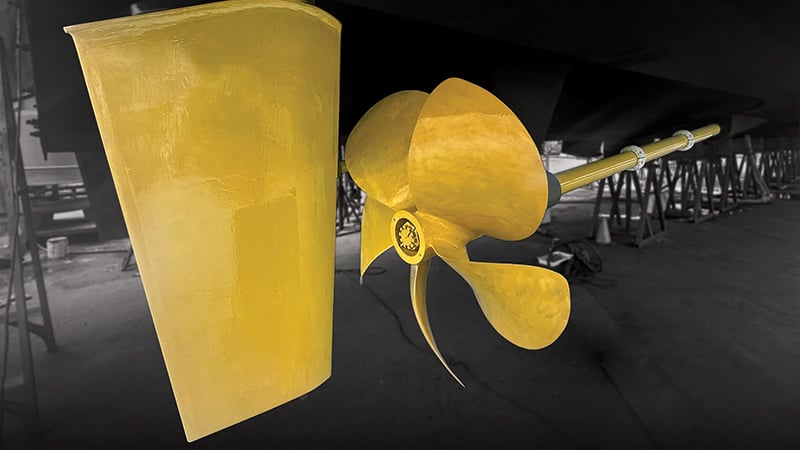
The choice of a fixed pitch propeller often aligns with the boat's design, intended use, and the typical operating conditions it will encounter.
- Small to Mid-Sized Recreational Boats: This category includes a broad spectrum of vessels such as runabouts, bowriders, pontoon boats, deck boats, and smaller fishing boats. For these boats, which often operate at consistent cruising speeds or for specific activities like watersports (where a specific hole shot or top speed is desired), a well-matched fixed pitch propeller offers excellent performance and value.
- Sailboats: As mentioned, fixed pitch propellers are standard for sailboat auxiliary engines. They provide reliable propulsion for docking, motoring against light winds, or navigating channels, without the added complexity or cost of a controllable pitch system.
- Displacement Hull Vessels: Boats with displacement hulls, such as trawlers, tugboats, and some larger cruising yachts, are designed to move through the water rather than plane on top of it. Their optimal speed range is relatively narrow, and they benefit from a propeller that provides consistent, efficient thrust at lower speeds. Fixed pitch propellers are ideal for these applications, offering excellent pushing power and fuel economy within their design parameters.
- Workboats and Commercial Vessels (Smaller Scale): Many smaller commercial fishing boats, oyster boats, and utility workboats utilize fixed pitch propellers. Their robust construction and reliability are crucial for vessels that operate daily in demanding conditions, often carrying heavy loads or performing specific tasks like trawling or pushing.
- Boats with Consistent Load Profiles: If a boat consistently carries a similar load (e.g., a charter fishing boat with a predictable number of passengers and gear, or a dive boat with standard equipment), a fixed pitch propeller can be precisely tuned for that load, maximizing efficiency.
In essence, if your boating involves predictable speeds, consistent loads, or a strong emphasis on reliability and cost-effectiveness, a fixed pitch propeller is likely an excellent choice for your vessel.
Fixed Pitch vs. Other Propeller Types: A Closer Look
While fixed pitch propellers offer simplicity and reliability, it's helpful to understand how they compare to other propeller technologies, particularly controllable pitch propellers (CPPs) and the concept of "constant speed" often discussed in aviation. This comparison highlights the unique strengths and trade-offs of each system.
Fixed Pitch Propeller (FPP) vs. Controllable Pitch Propeller (CPP)
This is the most direct comparison in the marine world.
- Fixed Pitch Propeller (FPP):
- Blade Angle: Permanently set. Cannot be adjusted during operation.
- Operation: Engine RPM directly dictates propeller RPM and thrust.
- Optimization: Optimized for a specific operating point (e.g., cruising speed, maximum thrust). Performance may be compromised outside this range.
- Complexity: Simple design, fewer moving parts.
- Cost: Generally lower initial cost and maintenance.
- Maneuverability: Requires engine RPM changes or gear shifts for varying thrust. Reversing thrust requires reversing engine rotation (for direct drive) or gear engagement.
- Fuel Efficiency: Excellent within its optimized range, but less efficient across a wide range of speeds/loads.
- Applications: Common on recreational boats, sailboats, smaller commercial vessels, and any application prioritizing simplicity and reliability.
- Controllable Pitch Propeller (CPP):
- Blade Angle: Can be adjusted while the propeller is rotating, typically via hydraulic mechanisms within the propeller hub.
- Operation: Allows the engine to run at its most efficient RPM regardless of boat speed or load. The propeller pitch is adjusted to absorb the engine's power.
- Optimization: Can be optimized for a wide range of operating conditions (e.g., maximum thrust for towing, high efficiency for cruising, fine-tuning for varying loads).
- Complexity: Highly complex design with hydraulic systems, seals, and intricate mechanisms.
- Cost: Significantly higher initial cost and more complex, expensive maintenance.
- Maneuverability: Superior maneuverability. Pitch can be adjusted from full ahead to full astern without changing engine direction or engaging gears, offering precise control, especially useful for docking or dynamic positioning.
- Fuel Efficiency: Can achieve better overall fuel efficiency across a broad operating profile by keeping the engine in its optimal RPM range.
- Applications: Predominantly found on larger commercial vessels, ferries, tugboats, and some high-performance yachts where precise control, fuel economy across varied operations, and heavy-duty performance are critical.
What is the difference between CPP and FPP? The fundamental difference lies in the ability to change the blade pitch. FPPs have a fixed pitch, while CPPs allow for dynamic adjustment of the blade angle, offering greater operational flexibility at the cost of increased complexity and expense.
Fixed Pitch Propeller and the "Constant Speed" Concept
The term "constant speed propeller" is most commonly associated with aviation, particularly in aircraft like the Cessna 172 (which, incidentally, typically uses a fixed pitch propeller in its standard configuration, though some variants or upgrades might feature constant speed props). In aviation, a constant speed propeller automatically adjusts its blade pitch to maintain a desired engine RPM, regardless of airspeed or throttle setting. This allows the engine to operate at its most efficient RPM for takeoff, climb, or cruise.
While the direct "constant speed propeller" mechanism isn't common in marine fixed pitch systems, the concept of optimizing engine RPM is relevant. A fixed pitch propeller, by its nature, means that engine RPM directly dictates propeller RPM. If you want to maintain a "constant speed" (of the boat), you'll need to adjust the engine's throttle, which in turn changes the propeller's RPM.
In marine applications, the closest equivalent to the "constant speed" benefit of aviation propellers is achieved by a CPP. A CPP allows the engine to run at a relatively constant, efficient RPM while the propeller's pitch is adjusted to match the load and desired boat speed. This is why CPPs are often chosen for vessels that need to operate efficiently across a wide range of speeds and loads, much like a constant speed propeller optimizes an aircraft engine's performance.
Can you overspeed a fixed pitch propeller? Yes, in a sense. "Overspeeding" a fixed pitch propeller typically refers to the engine exceeding its maximum safe RPM limit because the propeller isn't providing enough load. This can happen if the propeller is too small (under-pitched) for the engine, or if the boat is operating in very light conditions (e.g., running downhill on a wave, or in very light trim). When the propeller doesn't "bite" enough water, the engine can rev too high, potentially causing damage. Conversely, an "oversized" or "over-pitched" propeller can cause the engine to "lug" or run below its optimal RPM, leading to poor performance and potential engine strain. Proper propeller sizing is crucial to prevent both overspeeding and lugging.
How is a fixed pitch prop different? It's different because its fundamental design prioritizes mechanical simplicity and reliability over dynamic adjustability. This makes it a robust, cost-effective, and highly efficient solution for applications where the primary operating conditions are relatively consistent.
Advantages of Surface Fixed Pitch Propellers
While most fixed pitch propellers operate fully submerged, a specialized application known as "surface piercing" or "surface drive" propellers offers distinct advantages, particularly for high-performance vessels. These are still fixed pitch propellers, but their unique installation and operation unlock specific benefits.
What is a Surface Propeller?
A surface propeller is designed to operate partially submerged, with the top portion of the propeller blades breaking the water's surface during operation. This contrasts with conventional propellers that are fully immersed. Surface drives are typically paired with high-horsepower engines and are common on fast planing hulls, such as offshore racing boats, high-performance cruisers, and some military or commercial patrol vessels.
Key Advantages of Surface Fixed Pitch Propellers:
- Reduced Appendage Drag: One of the most significant benefits is the reduction in hydrodynamic drag. With a conventional fully submerged propeller, the propeller shaft, strut, and rudder all create drag as they move through the water. In a surface drive system, the propeller shaft is often angled upwards, and the propeller itself is partially out of the water, significantly reducing the wetted surface area of these components. This reduction in drag translates directly into higher top speeds and improved efficiency at high speeds.
- Higher Top Speeds for Planing Hulls: For boats designed to plane (lift out of the water and skim across the surface), surface propellers can provide a substantial boost in top-end speed. By reducing drag and allowing the propeller to operate in a less dense medium (partially air, partially water), they can achieve higher rotational speeds and more effective thrust at high velocities.
- Improved Efficiency at High Speeds: While they may not be as efficient at low speeds or for maneuvering, surface propellers excel when the boat is moving fast. The reduced drag and the ability to "ventilate" (draw air into the propeller) in a controlled manner can lead to better fuel economy at high cruising speeds compared to a fully submerged propeller trying to push through dense water.
- Better "Bite" and Less Cavitation at High Speeds: Paradoxically, by operating partially in air, surface propellers can sometimes achieve a better "bite" on the water at very high speeds, reducing the tendency for cavitation (the formation of vapor bubbles due to rapid pressure changes) that can plague fully submerged propellers at their limits. The blades are designed to re-enter the water cleanly, creating powerful thrust.
- Higher Torque Handling: Surface propellers are often designed to handle immense amounts of torque from powerful engines. Their robust construction and the way they interact with the water allow them to efficiently transmit the engine's power into forward motion, even under extreme loads.
- Shallow Water Operation: While not their primary design intent, the higher mounting position of surface drives can sometimes offer a slight advantage in very shallow water, as the propeller is less likely to strike the bottom compared to a deeper-draft conventional propeller.
It's important to note that surface fixed pitch propellers are a specialized solution. They require careful design and integration with the hull and engine to perform optimally. They are not typically found on displacement hulls or boats that operate primarily at low speeds, as their efficiency benefits are realized at higher velocities. However, for those seeking maximum speed and performance from their planing hull, a surface fixed pitch propeller system can be a game-changer.
Disadvantages of Fixed Pitch Propellers
While fixed pitch propellers offer compelling advantages in simplicity, reliability, and cost, it's equally important to understand their limitations. These disadvantages often stem from the very characteristic that defines them: their fixed blade angle.
The Compromise in Performance
The primary disadvantage of a fixed pitch propeller is that its blade angle is a compromise. It's designed to be most efficient at a specific operating point, typically a boat's cruising speed or a particular load condition. This means:
- Suboptimal Performance Across Varying Conditions: If your boating activities involve a wide range of speeds, loads, or sea conditions, a fixed pitch propeller will not be optimally efficient across the entire spectrum. For example, a propeller pitched for high top speed might struggle to get a heavily loaded boat onto a plane, or it might cause the engine to lug (run at too low an RPM) when trying to accelerate. Conversely, a propeller pitched for heavy loads might allow the engine to overspeed at light loads or limit top-end speed.
- Limited Flexibility: Unlike controllable pitch propellers, you cannot adjust the pitch to adapt to changing circumstances. If you suddenly encounter strong headwind, heavy currents, or decide to carry a much heavier load, your fixed pitch propeller's performance will be less than ideal, potentially leading to reduced speed, increased fuel consumption, or engine strain.
Maneuvering Limitations
- Less Precise Control at Low Speeds: For docking or close-quarters maneuvering, the fixed pitch propeller offers less fine-tuned control compared to a CPP. With a fixed pitch, you primarily control thrust by adjusting engine RPM. A CPP, by contrast, can change pitch from full ahead to full astern without changing engine RPM or engaging gears, offering incredibly precise and rapid thrust changes. This can be a significant factor for larger vessels or those operating in tight marinas.
- Reversing Thrust: To generate reverse thrust with a fixed pitch propeller, the engine's direction of rotation must be reversed (in direct drive systems) or the transmission must be shifted into reverse. This can be slower and less efficient than simply changing the blade angle on a CPP.
Potential for Engine Overspeed or Underspeed (Lugging)
As discussed earlier, the fixed relationship between engine RPM and propeller load means that improper propeller sizing or significant changes in operating conditions can lead to:
- Overspeeding: If the propeller is "under-pitched" (too small or too low a pitch for the engine's power), or if the boat is running in very light conditions, the engine can rev beyond its recommended maximum RPM. This "overspeeding" can put excessive strain on the engine, leading to premature wear or even catastrophic failure.
- Underspeeding (Lugging): If the propeller is "over-pitched" (too large or too high a pitch), or if the boat is heavily loaded, the engine may struggle to reach its optimal operating RPM. This "lugging" can cause the engine to work harder than intended, leading to increased fuel consumption, excessive heat, carbon buildup, and reduced engine lifespan.
Vibration and Noise
While not exclusive to fixed pitch propellers, an improperly matched, damaged, or unbalanced fixed pitch propeller can lead to significant vibration and noise. Because the pitch cannot be adjusted, any imbalance or sub-optimal performance characteristic is constant, potentially leading to discomfort and accelerated wear on the drivetrain.
Fuel Efficiency Trade-offs
While a fixed pitch propeller can be highly efficient within its narrow optimal range, its overall fuel efficiency across a varied operational profile may be lower than a well-managed CPP. This is because the engine may frequently operate outside its most efficient RPM range when trying to achieve different speeds or handle varying loads.
Despite these disadvantages, for many boaters, the benefits of simplicity, reliability, and cost-effectiveness far outweigh these limitations, especially when their boating activities fall within the optimal operating range of a well-chosen fixed pitch propeller. The key is to understand your boat's primary use and select a propeller that best matches those needs.
Choosing the Right Fixed Pitch Propeller for Your Boat
Selecting the perfect fixed pitch propeller is crucial for maximizing your boat's performance, fuel efficiency, and engine longevity. It's not a one-size-fits-all decision, as the ideal propeller depends on a combination of factors unique to your vessel and how you use it. At West Marine, we're here to help you make an informed choice.
Key Factors in Propeller Selection:
- Boat Type and Hull Design:
- Displacement Hulls (e.g., trawlers, sailboats): These boats move through the water, not over it. They generally require propellers with more blade area and lower pitch to generate maximum thrust at lower speeds, prioritizing pushing power and efficiency over top speed.
- Planing Hulls (e.g., runabouts, fishing boats, performance boats): These boats are designed to lift out of the water and skim across the surface at higher speeds. They typically need propellers with higher pitch to achieve greater top speeds and efficient cruising once on plane.
- Semi-Displacement Hulls: A hybrid, these boats can operate efficiently at both displacement and semi-planing speeds, requiring a balanced propeller choice.
- Engine Power and RPM Range:
- The propeller must be matched to your engine's horsepower and its recommended wide-open throttle (WOT) RPM range. The goal is for your engine to reach its WOT RPM within the manufacturer's specified range when the boat is loaded normally.
- If the engine over-revs (overspeeds), the propeller is likely under-pitched or too small.
- If the engine cannot reach its WOT RPM (lugs), the propeller is likely over-pitched or too large.
- Proper matching ensures the engine operates efficiently and avoids undue strain.
- Intended Use and Typical Load:
- General Cruising/Family Boating: A balanced propeller that offers good all-around performance.
- Watersports (Skiing, Wakeboarding): Often requires a propeller with more blade area or a slightly lower pitch to provide better "hole shot" (quick acceleration) for pulling skiers, even if it sacrifices a little top speed.
- Fishing/Heavy Loads: If you frequently carry heavy gear, multiple passengers, or engage in activities like trawling, a propeller designed for strong thrust and lower-end power (often with a lower pitch) will be more effective.
- High-Speed Performance: For maximum top speed, a higher pitch propeller is usually preferred, assuming the engine can handle the load.
- Propeller Material:
- Aluminum: Most common for recreational boats, especially outboards. It's affordable, lightweight, and designed to absorb impact by bending, protecting the lower unit. However, it's less durable than stainless steel.
- Stainless Steel: More expensive but significantly stronger and more durable. Stainless steel propellers can be designed with thinner, more efficient blade profiles, leading to better performance (speed, fuel economy, hole shot) and greater resistance to damage. Ideal for higher horsepower engines and demanding conditions.
- Bronze/Nibral: Primarily used for larger inboard vessels. These materials are very strong, corrosion-resistant, and can be repaired.
- Propeller Diameter and Pitch:
- Diameter: The total width of the circle swept by the propeller blades. Larger diameters generally move more water and are common on displacement hulls.
- Pitch: The theoretical distance the propeller would move forward in one revolution if it were moving through a solid medium (like a screw in wood). A higher pitch means more forward movement per revolution, generally leading to higher top speeds but requiring more engine power. A lower pitch provides more thrust and better acceleration but sacrifices top speed.
- Propeller sizing is often expressed as "Diameter x Pitch" (e.g., 14x19, meaning 14-inch diameter and 19-inch pitch).
Maintenance and Care for Your Fixed Pitch Propeller
A fixed pitch propeller, while robust, still requires regular attention to ensure its longevity and optimal performance. Proper maintenance can prevent costly repairs, improve fuel efficiency, and keep your boat running smoothly.
Regular Inspection is Key
- Visual Checks: Every time your boat is out of the water (or even when it's on a lift), take a moment to visually inspect your propeller. Look for:
- Dings, Bends, or Nicks: Even small imperfections can lead to vibration, reduced performance, and increased fuel consumption.
- Cracks: Especially at the base of the blades or around the hub.
- Corrosion: Particularly on aluminum propellers or around the hub where it meets the shaft.
- Fishing Line or Debris: Even a small amount of line wrapped around the shaft can cause damage to the propeller, shaft seal, or lower unit.
- Check for Tightness: Ensure the propeller nut is secure and the cotter pin (or locking tab) is in place. A loose propeller can cause significant damage.
- Shaft Condition: Inspect the propeller shaft for any signs of bending or damage.
Cleaning and Anti-Fouling
- Remove Marine Growth: Barnacles, algae, and other marine growth can significantly reduce propeller efficiency and cause vibration. Clean your propeller regularly, especially if your boat is kept in the water. Use appropriate cleaning solutions that won't damage the propeller material.
- Anti-Fouling Coatings: Consider applying a specialized anti-fouling coating designed for propellers. These coatings help deter marine growth, keeping your propeller clean and efficient for longer periods.
Addressing Damage
- Minor Dings: Small dings can sometimes be carefully filed smooth, but this should be done with caution to avoid altering the blade's balance.
- Bent or Severely Damaged Blades: Do not attempt to straighten severely bent blades yourself. This can weaken the material and lead to catastrophic failure. A bent blade will also cause severe vibration, which can damage your engine's lower unit or transmission.
- Professional Repair: For any significant damage, it's always best to consult a professional propeller repair shop. They have the specialized tools and expertise to repair, re-pitch, and dynamically balance propellers, restoring them to like-new condition. A properly balanced propeller is essential for smooth operation and preventing premature wear on your drivetrain.
Winterization and Storage
- Clean Before Storage: Before storing your boat for the off-season, thoroughly clean your propeller.
- Inspect and Repair: Address any damage before storage to ensure it's ready for the next season.
- Protect: If storing your boat outdoors, consider covering the propeller to protect it from environmental elements.
By incorporating these simple maintenance practices into your routine, you can significantly extend the life of your fixed pitch propeller, maintain optimal boat performance, and ensure many more enjoyable hours on the water. Your propeller is a critical component of your propulsion system; treating it with care will pay dividends in reliability and efficiency.
The Enduring Value of Fixed Pitch Propellers
From the smallest fishing skiff to the most robust workboat, the fixed pitch propeller remains a cornerstone of marine propulsion. Its enduring popularity is a testament to its fundamental strengths: simplicity, reliability, and cost-effectiveness. While more complex systems like controllable pitch propellers offer dynamic adjustability for a wider range of operating conditions, the fixed pitch propeller excels in its ability to provide consistent, efficient thrust for specific, predictable boating needs.
We've explored what makes a fixed pitch propeller tick, how it translates engine power into forward motion, and the diverse array of motor and boat types that rely on its straightforward design. We've also delved into the specialized advantages of surface fixed pitch propellers for high-performance applications and candidly discussed the trade-offs inherent in a fixed blade angle.
Ultimately, choosing the right propeller is about matching your boat's unique characteristics and your personal boating style. For many West Marine customers – the recreational boater, the dedicated angler, the cruising sailor, and even the marine professional – a well-selected fixed pitch propeller offers the perfect blend of dependable performance and peace of mind.