The Power of Four: Understanding 4-Blade Propellers
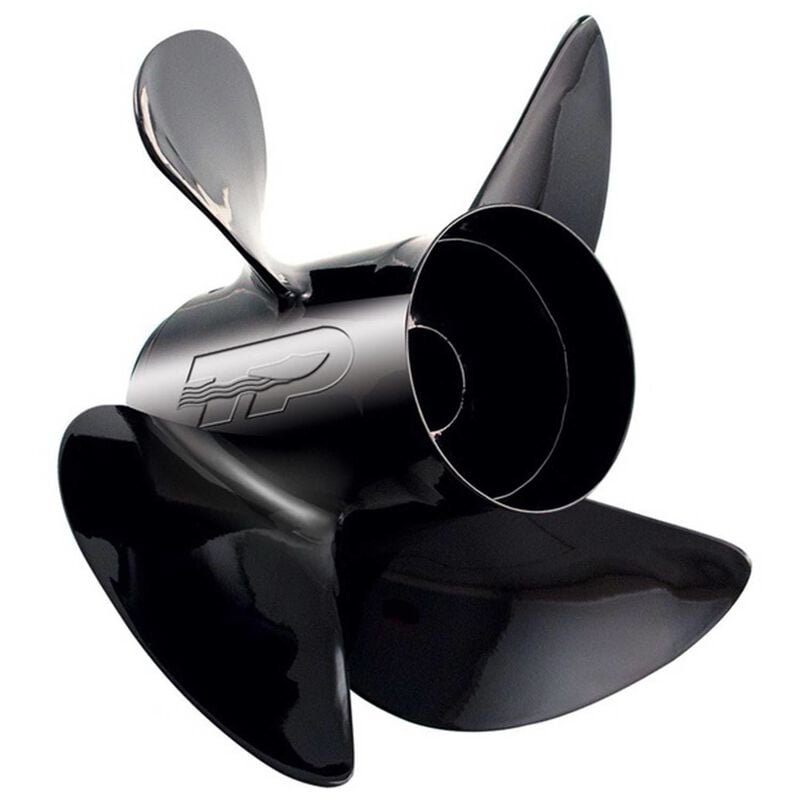
For any boater, the propeller is the heart of performance—translating engine power into forward motion. While most boats come standard with a 3-blade propeller, upgrading to a 4-blade propeller can dramatically enhance your boat’s handling, hole shot, and ride comfort. At West Marine, we help you navigate these choices with confidence so you get the performance you need—whether you’re cruising, fishing, or towing wakeboarders.
Why Choose a 4-Blade Propeller?
A 4-blade propeller is engineered with an extra blade compared to traditional 3-blade designs, and this difference in structure significantly influences how the prop interacts with the water. The result is a more refined balance of thrust, control, and performance. Whether you're navigating rough water, carrying a full load of gear and passengers, or demanding quick acceleration for watersports, a 4-blade propeller delivers enhanced performance across multiple scenarios. Its increased blade surface allows for greater water contact, improving the boat's grip and responsiveness. For many boaters, the trade-off of slightly reduced top-end speed is well worth the gains in low-speed control, stability, and ride comfort.
Here are the key benefits of switching to a 4-blade propeller:
-
Improved Acceleration and Hole Shot
- The increased blade area creates more thrust, helping the boat reach planing speed faster. This is especially valuable for watersports like wakeboarding, tubing, or skiing, where quick starts are essential.
- Enhanced Mid-Range Performance and Planing Efficiency
- Four-blade props allow boats to stay on plane at lower RPMs, improving fuel efficiency and stability while cruising. This makes them ideal for operating in rougher water or when carrying heavy loads.
- Reduced Vibration and Smoother Ride
- The additional blade distributes engine power more evenly, minimizing vibration and resulting in a quieter, smoother ride. This is particularly beneficial for long trips or boats with passengers who value comfort.
- Superior Grip and Handling in Challenging Conditions
- A 4-blade design reduces prop slip and increases control during sharp turns or when trimming the boat. It's especially useful in choppy or unpredictable water where precise maneuverability is critical.
4-Blade vs. 3-Blade Propellers: Making the Right Choice
The question, “Is a 4-blade prop better than a 3-blade?”, is one of the most common among boaters evaluating prop upgrades. The answer comes down to your specific goals on the water. If you're looking for maximum top speed on a lightweight vessel in calm conditions, a 3-blade prop may be ideal. However, if you need better low-end torque, stability, and smoother performance—especially in demanding conditions—a 4-blade propeller is likely the smarter, more versatile choice.
3-Blade Propeller:
- Top Speed: Offers higher top-end speed due to reduced drag.
- Acceleration / Hole Shot: Provides moderate grip; slower to get on plane.
- Handling: Delivers average control, particularly in tight turns or rough water.
- Ride Comfort: May produce slight vibration at cruising speeds.
- Low-Speed Planing: Less efficient at maintaining plane at lower RPMs.
- Fuel Efficiency: Generally more efficient at wide-open throttle (WOT).
- Best For: Lightweight boats, maximum speed applications, and smooth-water use.
4-Blade Propeller:
- Top Speed: May reduce maximum speed slightly due to added drag.
- Acceleration / Hole Shot: Provides faster acceleration and quicker planing.
- Handling: Offers greater control and responsiveness, especially in choppy or rough conditions.
- Ride Comfort: Smoother and quieter ride with reduced vibration.
- Low-Speed Planing: More efficient; holds plane better at lower RPMs.
- Fuel Efficiency: Improved at cruising speeds and mid-range RPM.
- Best For: Heavier boats, rough waters, watersports, and enhanced handling needs.
Do you lose speed with a 4-blade prop?
Yes, but usually only a few MPH at wide-open throttle (WOT). The tradeoff in improved acceleration, ride quality, and control is often worth it for most boaters.
What Boats and Motors Benefit Most?
Outboard Motors
Ideal for bass boats, pontoon boats, center consoles, and multi-use recreational vessels. Especially effective with outboards ranging from 50HP to 250HP+.
Sterndrives & Inboards
Larger cruisers, sportfishers, and express boats with sterndrive or inboard power benefit from smoother operation, especially in choppy water or during slow-speed maneuvering.
Recommended Boat Types:
- Watersports Boats: Ski boats, wakeboard boats, and tow rigs gain quicker launches and better low-speed control.
- Fishing Boats: From bass boats to offshore rigs, 4-blade props improve handling under load and provide better control near structure.
- Pontoons & Deck Boats: Ideal for improving hole shot and keeping a smooth ride while carrying multiple passengers.
- Heavy or Underpowered Boats: Boats struggling to get on plane can benefit from extra thrust and lift.
Construction and Materials: What to Look For in a 4-Blade Propeller
Choosing the right 4-blade propeller goes beyond just blade count—material construction, blade geometry, and manufacturing quality all play a critical role in how your boat will perform. Whether you're upgrading for better handling, smoother cruising, or fuel savings, understanding the differences between aluminum and stainless steel props—as well as blade shape features—can help you select the best option for your boating needs and budget.
Aluminum 4-Blade Propellers
Aluminum is the most common material used in recreational propellers, offering a cost-effective and lightweight option for casual boaters. These props are ideal for boats that operate in calm waters and don't require the high stress tolerances that offshore or high-speed boating demands.
- Best for: Recreational boating, pontoon boats, light fishing boats, and budget-conscious owners
- Advantages:
- Lower price point makes it ideal for first-time buyers or as a backup propeller
- Lighter weight helps reduce strain on smaller engines
- Easier to repair after minor impact or damage
- Limitations:
- Less durable over time, especially in abrasive or high-impact conditions
- Flexes more under load, which can reduce overall efficiency and top-end speed
- More prone to wear if operating in sandy or debris-filled water
Stainless Steel 4-Blade Propellers
Stainless steel props are known for strength, durability, and precision. While they carry a higher upfront cost, they provide better long-term performance—especially at higher speeds or in rough water conditions. The rigid structure minimizes blade flex, delivering sharper response and better fuel economy.
- Best for: High-performance applications, offshore vessels, sportfishing boats, and boats in demanding environments
- Advantages:
- More rigid under high load, preserving pitch and maximizing performance
- Improved acceleration and fuel efficiency due to reduced blade deformation
- Withstands impact and corrosion far better than aluminum
- Limitations:
- Higher cost, often two to three times that of aluminum
- Heavier weight may affect performance on smaller engines
- Can cause greater lower unit damage if struck due to strength
*Actual performance varies by boat weight, engine HP, and hull design.
Popular 4-Blade Propellers at West Marine
Here are a few top-rated 4-blade propeller models you’ll find at West Marine:
- Turning Point Hustler 4-Blade Aluminum Propeller
- For outboards up to 150 HP. Offers great lift and fuel savings.
- Pitch Range: 13–21 | Diameter: 13.25"
- Quicksilver Nemesis 4-Blade Stainless Steel
- Built for serious offshore anglers and high-torque acceleration.
- Pitch Range: 15–23 | Excellent bite in rough water
- Sierra 4-Blade Stainless Propellers
- OEM replacement fit with long-lasting durability and smooth RPM range.
Need help finding the right fit for your motor? Try our Prop Selector Tool or contact your local West Marine expert.
Key Takeaways: Is a 4-Blade Propeller Right for You?
Selecting the right propeller comes down to your boating environment, vessel load, and performance expectations. A 4-blade propeller is not always the fastest, but it often delivers superior control, smoother handling, and better all-around efficiency in real-world conditions. Here’s a breakdown to help you determine if it’s the right fit for your boat:
- If you prioritize better handling and smoother cruising, especially at mid-range speeds or in variable water conditions, a 4-blade propeller is an excellent choice. The added blade provides more consistent thrust and greater directional control, making for a more comfortable and confident ride.
- If you frequently tow watersports riders, such as wakeboarders, skiers, or tubers, the improved hole shot and quicker acceleration offered by a 4-blade design is a clear advantage. You'll be able to get on plane faster and maintain speed more easily during turns and starts.
- If you boat in choppy waters or carry heavy loads, such as livewells, coolers, passengers, or fishing gear, a 4-blade prop offers greater low-speed efficiency and better ability to hold plane at lower RPMs. This can improve stability and fuel economy, especially during long cruising days.
- If your top priority is maximizing top-end speed, and you're operating a lightweight or high-performance boat in calm water, a 3-blade propeller may be the better option. Its reduced drag allows for higher RPMs and better wide-open throttle performance.
In the end, the best propeller for your boat isn't determined by one metric alone. It's about matching your prop to how you actually use your boat—not just what type of boat you have. A 4-blade propeller may not win the speed race, but for many boaters, it wins where it counts: control, acceleration, comfort, and overall versatility.
Expert Tips from West Marine For 4-Blade Propellers
"If your current prop leaves your boat struggling to get on plane or porpoising at cruise, a 4-blade propeller could be the upgrade you didn’t know you needed."
Here are a few more expert recommendations from our marine specialists to help guide your decision:
- Notice inconsistent handling or ventilation during sharp turns? A 4-blade prop provides better grip in the water, reducing prop slip and helping maintain control when trimming or maneuvering in rough conditions.
- If your boat struggles in headwinds or when loaded with gear, a 4-blade prop’s increased blade surface can generate more low-end thrust, helping maintain performance even under heavy loads or strong currents.
- Experiencing excessive bow rise or loss of visibility during acceleration? The extra bite of a 4-blade design helps lift the stern and level out the hull, giving you better visibility and faster hole shots.
- Running a pontoon or deck boat with multiple passengers? A 4-blade propeller can improve low-speed steering and reduce vibration, delivering a smoother, quieter ride for everyone on board.
- Using your boat for multiple applications? If you alternate between cruising, fishing, and watersports, a 4-blade prop offers a versatile balance of power and control, making it a great all-purpose solution.
Where to Buy 4-Blade Propellers
Still not sure which prop is right for your boat and engine setup? Visit your nearest West Marine store or try our online Prop Selector Tool to get expert guidance based on your specific vessel, horsepower, and boating goals.